

Nshongi Gorilla Family in Bwindi
Nshongi Gorilla Family in Bwindi: History, Location and Trekking Guide The Nshongi Gorilla Family holds an important place…
Read article →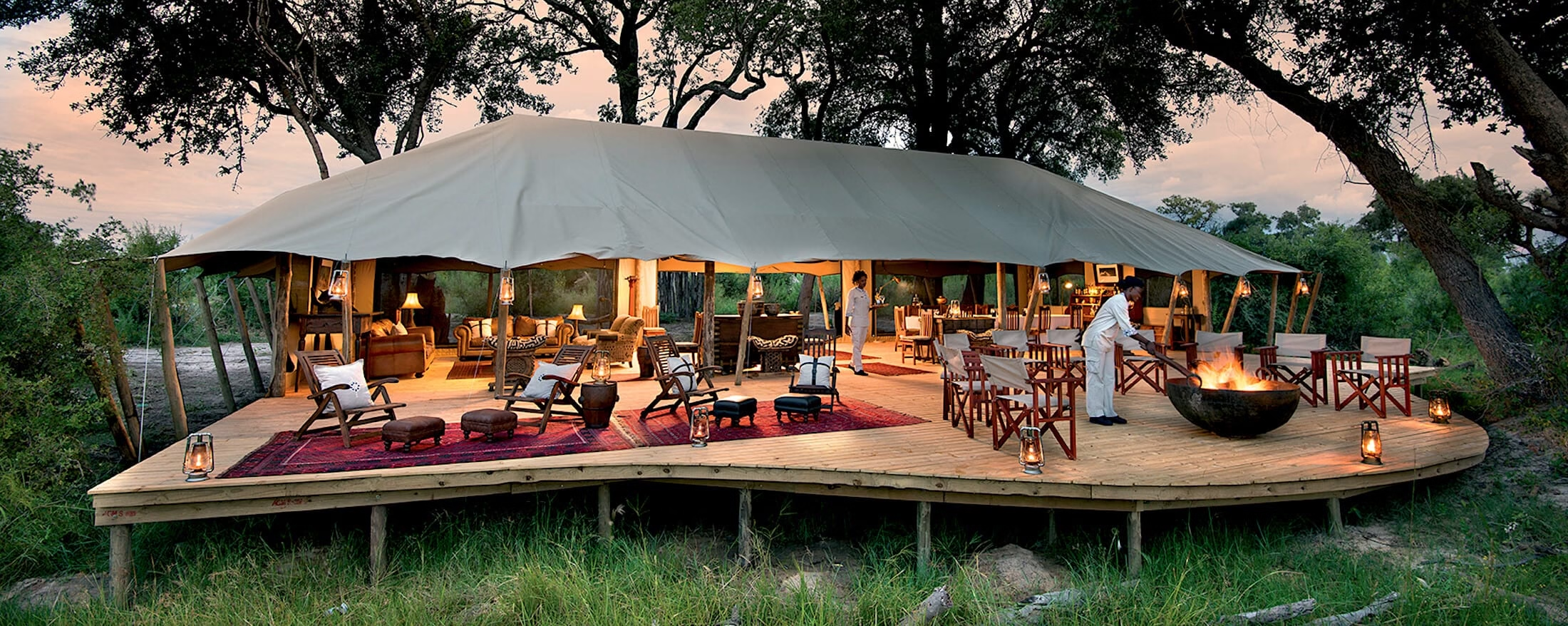
Travel Guide
Experience the raw beauty of Africa with Mobile Tented Safaris. Explore remote wilderness areas, sleep under the stars, and get closer to wildlife like never before.
Mobile Tented Safaris offer travelers an immersive way to experience African wilderness areas while retaining many of the practical comforts required for a multi-day journey. Instead of staying throughout the trip in permanent lodges, guests use temporary or semi-mobile camps positioned according to the design of the safari.
The appeal lies in proximity to the environment.
At night, travelers may hear insects, birds and distant wildlife rather than urban traffic. Morning activities can begin directly from a wilderness setting, reducing the feeling of commuting into nature from a conventional hotel.
Mobile camping does not mean ignoring safety or comfort. Professionally operated camps use trained staff, established procedures and equipment appropriate to the destination.
A mobile tented safari uses a camp that can be moved rather than remaining permanently fixed in one location.
The degree of mobility varies.
Some operations move frequently during an itinerary, while others establish seasonal camps for longer periods.
Travelers should therefore read descriptions carefully.
The term “mobile” can refer to different styles of safari depending on the operator and destination.
The strongest attraction is atmosphere.
Permanent lodges can provide extraordinary wilderness experiences, but mobile camps often create an additional sense of temporary presence within the landscape.
Canvas walls allow natural sounds to remain noticeable.
Guests become more aware of temperature changes, sunrise and animal calls.
This does not mean visitors are exposed without protection.
Camp rules remain essential.
Mobile Tented Safaris range from relatively simple camping to highly comfortable operations.
Depending on the safari, tents may contain proper beds, furniture and private washing arrangements.
Other itineraries may be more basic.
Travelers should ask exactly what is provided.
Words such as “luxury” and “mobile” are used differently by different companies, so photographs and specific descriptions are more useful than labels alone.
Mobile camps may be positioned to provide practical access to wildlife areas.
In some destinations, seasonal wildlife movements influence camp placement.
The objective is not to interfere with animals but to give visitors effective access to suitable viewing areas.
Camp locations remain subject to protected-area regulations.
Operators must work within the rules governing tourism and environmental impact.
Game drives remain a central activity on many mobile tented safaris.
Early mornings and later afternoons are commonly productive periods for wildlife observation.
A knowledgeable guide interprets tracks, behavior and habitat.
Because the camp may be well positioned within or near the wildlife area, guests can sometimes begin exploring without a lengthy transfer from distant accommodation.
Sleeping closer to nature does not guarantee specific sightings.
Lions, elephants or other animals do not appear because a camp is described as remote.
Wildlife moves naturally.
Responsible guides avoid chasing animals simply to fulfill unrealistic expectations.
A mobile safari should deepen appreciation of the ecosystem rather than turn the landscape into a stage.
Guests must follow safety instructions carefully.
Wild animals may move through areas around unfenced camps.
Visitors should never walk away from camp alone when staff have instructed them to use an escort.
Food should not be stored casually inside tents if camp rules prohibit it.
Nighttime movement may require staff assistance.
These procedures exist because the wilderness is genuine.
Evenings are often among the most memorable parts of Mobile Tented Safaris.
After dinner, artificial noise decreases and natural sounds become more noticeable.
Visitors may hear nocturnal birds, insects or distant mammals.
The experience can initially feel unfamiliar to people accustomed to city hotels.
Listening from the safety of the tent becomes part of the safari.
Mobile camps can provide surprisingly substantial meals despite their remote settings.
The exact dining style varies according to the safari category.
Travelers with dietary restrictions should communicate them before departure because remote kitchens cannot always source alternative ingredients at short notice.
Responsible operators plan supplies carefully.
Water is a major logistical consideration in remote camps.
Guests should use it responsibly.
Some camps use bucket showers or other systems designed to reduce consumption.
These arrangements may be less familiar than a hotel bathroom but can function effectively.
Travelers should understand facilities before booking so expectations match the safari style.
Electricity may be limited.
Solar systems and shared charging stations are common solutions in some camps.
Travelers carrying cameras should bring spare batteries and power banks where appropriate.
Do not assume every tent has unrestricted electrical outlets.
Reduced power consumption can be part of operating responsibly in remote environments.
Mobile safari logistics often favor soft-sided luggage and sensible packing.
Large rigid suitcases can be inconvenient, especially when small aircraft form part of the itinerary.
Bring lightweight safari clothing, sun protection, a warm layer and practical shoes.
Binoculars are extremely valuable.
Camera equipment should be chosen according to what the traveler can manage comfortably.
Mobile camps can be excellent for photographers because they provide extended access to wildlife landscapes.
A telephoto lens is useful for animals, while a wider lens captures camp and scenery.
Dust protection matters during dry conditions.
Visitors should never leave the vehicle or approach wildlife simply to improve a photograph.
The guide determines where it is safe to position the vehicle.
Travelers who value wilderness atmosphere often appreciate this style.
Photographers, couples and repeat safari visitors may particularly enjoy spending more time immersed in natural surroundings.
People who require conventional hotel infrastructure every night should review camp facilities carefully.
Choosing the right accommodation style is more important than selecting what sounds most adventurous.
Some mobile camps accept families, while others have age restrictions.
Parents should ask about tent configuration, wildlife safety and activity suitability.
Very young children may find long game drives difficult.
An operator experienced with family travel can adjust schedules where possible.
Safety rules around camp must be taken especially seriously with children.
Temporary camps can potentially reduce some forms of permanent construction, but sustainability depends on how the operation is managed.
Waste, water, energy and site restoration all matter.
A camp that moves locations should leave the previous area in good condition.
Travelers can ask operators how waste is removed and how environmental impact is controlled.
Mobile camps require guides, cooks, camp staff, drivers and logistics teams.
Tourism therefore creates employment connected with protecting wildlife landscapes.
Local sourcing can increase economic benefits further.
Visitors can support responsible operators that invest in staff training and community relationships.
An entire safari does not need to use one accommodation style.
Travelers can combine several nights in a mobile camp with permanent lodges.
This provides variety.
The mobile section delivers wilderness immersion, while a lodge later in the journey may provide additional facilities and relaxation.
The combination works particularly well on longer safaris.
Mobile Tented Safaris reduce the psychological distance between traveler and wilderness.
The sounds of the night, early morning light and direct connection with the landscape become part of the accommodation experience rather than something encountered only during scheduled game drives.
The best mobile safaris balance adventure with professional organization.
Visitors sleep in the wilderness, but trained staff manage safety, meals and logistics.
For travelers who want to experience Africa beyond conventional hotel walls, a thoughtfully operated mobile tented safari can provide one of the most immersive ways to understand the landscapes that make wildlife tourism possible.

Nshongi Gorilla Family in Bwindi: History, Location and Trekking Guide The Nshongi Gorilla Family holds an important place…
Read article →
Mishaya Gorilla Family in Bwindi: History, Trekking and What to Know The Mishaya Gorilla Family is one of…
Read article →
Semuliki Hot Springs Visit Guide: What to Expect Semuliki Hot Springs offers one of the most unusual natural…
Read article →
Kidepo Valley Remote Safari Guide: What to Expect Kidepo Valley National Park offers one of Uganda's most remote…
Read article →