

Nshongi Gorilla Family in Bwindi
Nshongi Gorilla Family in Bwindi: History, Location and Trekking Guide The Nshongi Gorilla Family holds an important place…
Read article →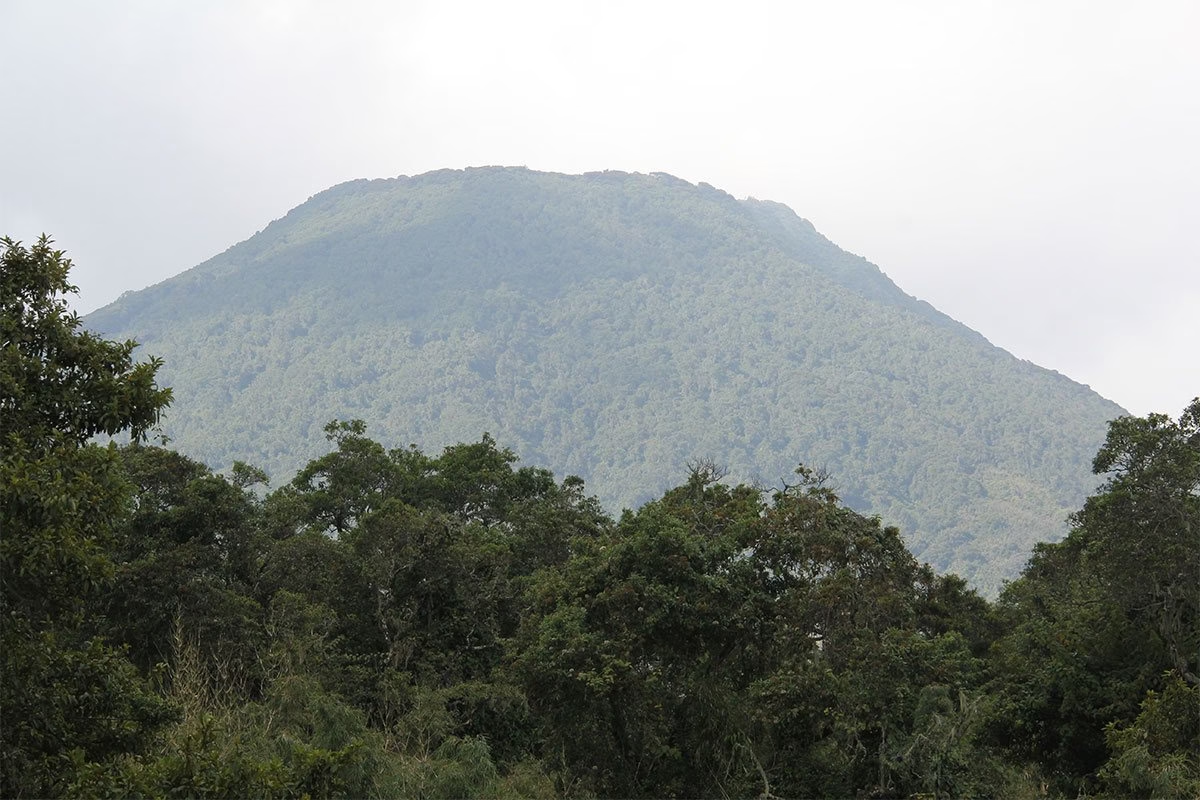
Travel Guide
Explore the thrill of climbing Mgahinga Volcano in Uganda’s Mgahinga Gorilla National Park. Discover trail details, what to pack, and essential hiking tips.
Climbing Mgahinga Volcano: A Complete Hiking Guide introduces travelers to the dramatic volcanic landscapes of southwestern Uganda. Mgahinga Gorilla National Park forms part of the wider Virunga mountain environment and offers much more than mountain gorilla trekking.
The park’s volcanic terrain creates opportunities for challenging day hikes.
These climbs appeal to travelers who enjoy physical activity and want panoramic mountain experiences rather than concentrating exclusively on primates.
Weather, altitude and steep terrain can make volcano hiking demanding, so preparation matters.
Visitors should understand the selected route, begin with suitable equipment and follow experienced guides throughout the activity.
Mgahinga lies within a region shaped by volcanic activity.
The mountains create a striking backdrop and support high-elevation ecosystems.
Climbing allows visitors to experience environmental changes as elevation increases.
Vegetation, temperature and visibility can change considerably during a single day.
This makes the hike as much an ecological journey as a physical challenge.
The wider Mgahinga environment is associated with several volcanic peaks.
The appropriate hike depends on fitness, available time and current park arrangements.
Travelers should discuss options with an experienced operator before arrival.
A person comfortable with ordinary nature walks may still find a steep mountain climb difficult.
Selecting the right challenge creates a safer and more enjoyable experience.
Mount Muhabura is one of the prominent volcanoes associated with the region.
Its elevation and steep ascent make it a serious hiking objective.
Climbers should be prepared for a long day and substantial physical effort.
Weather at higher elevations can be very different from conditions at the starting point.
Warm and waterproof layers are therefore important.
Mount Gahinga provides another volcanic hiking experience.
The route introduces visitors to the mountain vegetation and broader Virunga environment.
Although hikers may compare peaks according to difficulty, individual fitness and trail conditions influence how demanding a climb feels.
Travelers should not select a route simply because another person described it as easy.
Mount Sabyinyo is another dramatic feature of the Virunga landscape.
Its rugged profile makes it visually distinctive.
Where hiking arrangements permit access, the experience can be physically challenging.
Current trail conditions and official activity availability should always be confirmed before building an itinerary around a particular climb.
Volcano climbing requires endurance.
Travelers benefit from preparing before arriving in Uganda.
Regular walking, hill climbing, stair training and other cardiovascular exercise can help.
Fitness does not remove the effects of altitude or weather, but it makes sustained uphill movement more manageable.
Anyone with relevant medical concerns should seek professional advice before undertaking strenuous high-elevation hiking.
Higher elevations can affect breathing and energy levels.
Hikers should maintain a sustainable pace rather than racing at the beginning.
Drink water regularly and communicate with the guide if feeling unwell.
Symptoms should not be hidden simply because reaching the summit is important.
Turning back when necessary is a responsible decision, not a failure.
Mountain weather can change quickly.
Cloud may reduce visibility even when the day begins clear.
Rain can make trails slippery.
Temperatures can fall as hikers gain elevation.
Carry waterproof protection and an insulating layer.
A sunny forecast should never be interpreted as permission to climb without weather protection.
Strong footwear with reliable grip is essential.
Boots should already be broken in.
Volcanic terrain, mud and steep slopes can make poor footwear uncomfortable or unsafe.
Long socks help reduce rubbing.
Depending on conditions, gaiters may provide additional protection from mud and water.
Dress in layers.
A lightweight base layer can be combined with warmer clothing and rain protection.
Long trousers provide protection against vegetation.
A hat can help with sun exposure at lower elevations, while warmer head protection may be useful higher up depending on conditions.
Avoid cotton-heavy clothing that becomes uncomfortable when wet.
A long volcano hike requires sufficient water.
Carry the amount recommended by guides.
Packed food or snacks provide energy during the climb.
Choose items that are easy to carry and eat.
All waste should leave the mountain with the hiking group.
Do not leave food packaging along the trail.
A porter can carry the backpack and reduce physical strain.
This becomes increasingly valuable as the climb continues.
Porters may also provide practical assistance on difficult terrain.
Hiring one creates local employment connected with conservation tourism.
Even physically strong hikers can benefit because carrying less weight allows them to enjoy the landscape more comfortably.
Visitors should climb through the official arrangements required by the park.
Guides understand the trail, weather and local environment.
They can also explain vegetation and wildlife signs.
Following their pace and instructions improves safety.
Independent mountain experience elsewhere does not replace local knowledge.
Mountain photography benefits from wide-angle views, but weather can change the visual character of the hike.
Cloud and mist can create atmospheric images even when distant views disappear.
Protect cameras from rain.
Carry only equipment you can comfortably manage.
A heavy photography bag can turn a demanding climb into an unnecessarily exhausting one.
Mgahinga is also a mountain gorilla destination.
Travelers may combine hiking with gorilla trekking when permit availability and itinerary length allow.
The activities are both physically demanding, so scheduling them on consecutive days may not suit everyone.
A recovery day can improve the overall experience.
The wider park is also associated with golden monkey activities.
These provide another primate-focused experience that differs from gorilla trekking.
Travelers interested in hiking, primates and volcanic scenery can therefore spend several days in the region rather than arriving for one activity and immediately leaving.
Accommodation should provide practical access to the park and sufficient comfort after hiking.
Travelers should confirm transfer times to the activity starting point.
An early start becomes more difficult if the lodge is located far away.
Warm showers, meals and a comfortable bed become especially valuable after a strenuous mountain day.
Stay on authorized routes.
Do not remove plants.
Carry out all rubbish.
Avoid unnecessary noise around wildlife.
Respect instructions from guides and park staff.
Mountain ecosystems can be sensitive to disturbance, and every visitor has a responsibility to minimize impact.
Climbing Mgahinga Volcano: A Complete Hiking Guide is particularly relevant for active travelers who enjoy demanding outdoor experiences.
Visitors who dislike sustained uphill walking may prefer lower-intensity activities.
There is no need to climb a volcano simply because it appears on a list of attractions.
Choosing experiences suited to personal interests and fitness creates a better Uganda safari.
Mgahinga’s volcanoes add another dimension to southwestern Uganda.
The region is famous for gorillas, but its landscapes deserve attention in their own right.
A volcano hike replaces the slow search for primates with a sustained physical journey through changing vegetation and mountain weather.
For prepared hikers, the challenge becomes part of the reward.
With proper footwear, layered clothing, sufficient water and experienced local guidance, Climbing Mgahinga Volcano: A Complete Hiking Guide becomes an invitation to experience Uganda’s Virunga landscape from a perspective that few conventional safari drives can provide.

Nshongi Gorilla Family in Bwindi: History, Location and Trekking Guide The Nshongi Gorilla Family holds an important place…
Read article →
Mishaya Gorilla Family in Bwindi: History, Trekking and What to Know The Mishaya Gorilla Family is one of…
Read article →
Semuliki Hot Springs Visit Guide: What to Expect Semuliki Hot Springs offers one of the most unusual natural…
Read article →
Kidepo Valley Remote Safari Guide: What to Expect Kidepo Valley National Park offers one of Uganda's most remote…
Read article →