

Nshongi Gorilla Family in Bwindi
Nshongi Gorilla Family in Bwindi: History, Location and Trekking Guide The Nshongi Gorilla Family holds an important place…
Read article →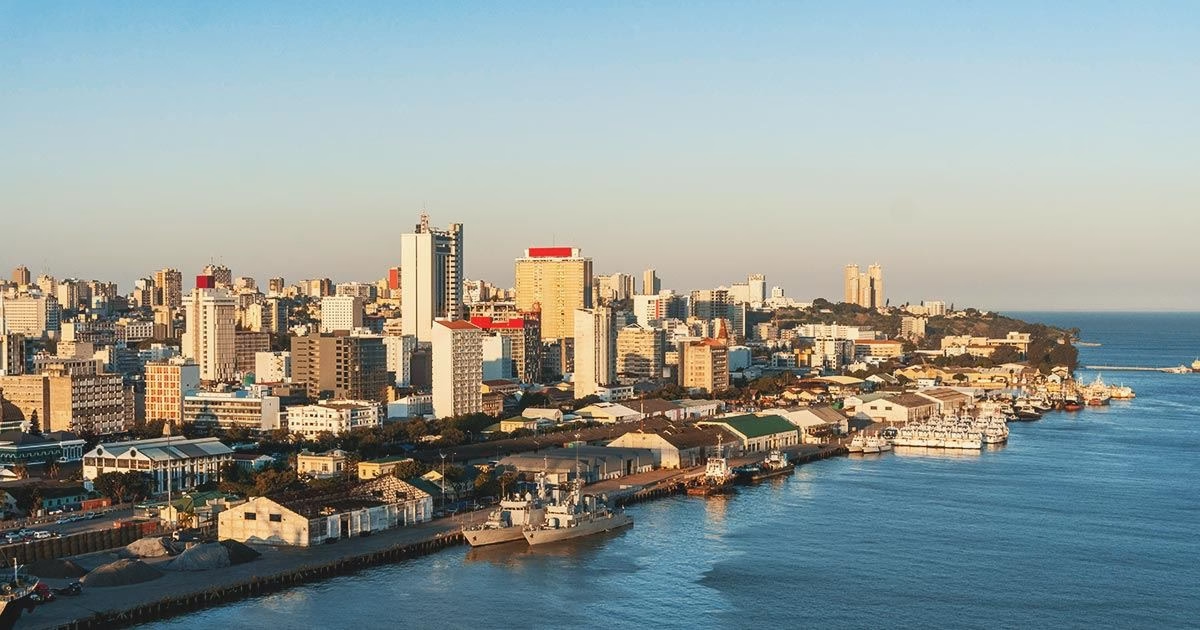
Travel Guide
Explore Maputo City, the bustling capital of Mozambique. Discover its rich history, stunning architecture, vibrant markets, and cultural hotspots.
Discover Maputo City—Mozambique’s Cultural and Economic Hub and travelers encounter a capital shaped by Indian Ocean influences, historical architecture, markets, art and contemporary urban life. Located in southern Mozambique, Maputo provides a very different experience from the country’s beach resorts and wildlife destinations.
The city rewards travelers willing to explore slowly.
Historic buildings stand alongside modern commercial areas, while markets reveal the everyday movement of a working capital. Restaurants and cafés provide opportunities to explore Mozambique’s culinary influences, and cultural institutions introduce visitors to the country’s history and artistic expression.
Rather than treating Maputo simply as a transit point, spending time in the city can add important context to a wider Mozambique journey.
Maputo is Mozambique’s capital and an important administrative and commercial center.
Its location near Maputo Bay has shaped its history and development.
Architecture, language, food and cultural life reflect multiple influences.
For visitors, the city’s interest lies partly in these layers.
One street may reveal historical buildings, while another reflects the pace of modern urban Mozambique.
Exploring with a knowledgeable guide can help travelers understand what they are seeing rather than merely photographing buildings.
Maputo contains architectural landmarks from different periods.
Some buildings reflect colonial-era planning and design, while others represent later architectural ideas.
The city’s streets therefore function as an open-air record of changing political and social periods.
Architecture enthusiasts should allow enough time to walk through central areas rather than attempting to see everything from a vehicle.
The railway station is among the city’s recognizable architectural landmarks.
Its historical character makes it interesting even for travelers who are not using rail services.
As with other active transport infrastructure, visitors should respect access rules and avoid interfering with passengers or operations.
A guide can provide historical context that makes the building more meaningful.
Markets provide a window into daily economic life.
Fresh produce, household goods, crafts and other products may be found depending on the market visited.
The experience is often energetic and visually rich.
Travelers should keep personal belongings secure and ask before taking close photographs of vendors.
A market is a workplace, not simply a tourist attraction.
Mozambique has strong artistic traditions, and Maputo provides opportunities to encounter contemporary and traditional creative work.
Travelers interested in buying crafts should ask about the artist or origin of the piece.
Purchasing directly from legitimate artisans or galleries can create a stronger connection with local creative industries.
Avoid buying wildlife products or anything whose legal origin is uncertain.
Museums can provide useful context for understanding Mozambique.
A city tour becomes more meaningful when visitors learn about the country’s history rather than viewing architecture in isolation.
Opening hours can change, so verify current arrangements before building a tightly timed itinerary around a particular institution.
Allow enough time to read exhibits rather than rushing through solely to say the museum was visited.
Food is one of the pleasures of spending time in the capital.
Mozambican cuisine reflects coastal ingredients and varied cultural influences.
Seafood is naturally important in many menus.
Travelers can explore local dishes while also finding international dining options.
Those with allergies should communicate clearly about ingredients.
As anywhere, choose establishments that demonstrate appropriate food hygiene.
Maputo’s coastal setting helps shape its culinary identity.
Prawns, fish and other seafood are common attractions for visitors.
The best dining experience is not necessarily the most expensive restaurant.
Local recommendations can lead travelers toward establishments known for fresh preparation and consistent quality.
Ask guides or accommodation staff for current suggestions rather than relying entirely on an old online list.
A slower morning in a café can reveal another side of Discover Maputo City—Mozambique’s Cultural and Economic Hub.
Urban travel does not always need to revolve around scheduled attractions.
Sitting in a neighborhood café allows visitors to observe everyday city life.
This kind of unstructured time can be particularly welcome after a busy safari or long flight.
The coastal setting provides opportunities for scenic drives and relaxed time near the water.
Conditions and development vary along different sections.
Sunset can be particularly attractive.
Travelers should follow local advice about where walking is appropriate, especially after dark.
A driver or guide can help visitors explore comfortably while understanding local conditions.
A guided daytime tour is one of the easiest ways for first-time visitors to understand Maputo.
A local guide can connect architecture, markets and historical locations into a coherent story.
Private tours also allow more flexibility for photography or particular interests.
Travelers should communicate priorities beforehand rather than expecting every city tour to follow the same route.
Maputo offers street, architectural and cultural photography.
However, photographers need to distinguish public buildings from sensitive infrastructure.
Some government, security or transport locations may have restrictions.
When uncertain, ask.
For portraits, request permission.
Respectful photography creates better interactions than pointing a camera at people without acknowledgment.
Transportation planning depends on where travelers are staying and what they want to see.
A pre-arranged driver can be convenient for first-time visitors.
Walking may be enjoyable in suitable areas during daylight, but distances and weather should be considered.
Local guidance is valuable.
Avoid assuming that every attraction shown close together on a digital map is equally convenient to reach on foot.
As in any large city, travelers should use ordinary urban precautions.
Avoid displaying unnecessary valuables.
Keep phones and cameras secure when not in use.
Ask accommodation staff about current local conditions and areas appropriate for walking.
Transport should be arranged through reliable services.
Current official travel guidance should be reviewed before departure.
Maputo provides different accommodation categories, from larger hotels to smaller properties.
Location matters.
Business travelers may prioritize commercial districts, while leisure visitors may prefer convenient access to restaurants and city attractions.
Before booking, consider airport transfers and the amount of time available for exploration.
A cheaper property far from planned activities can increase transportation costs and inconvenience.
The city can work well as a beginning or end to a broader southern African itinerary.
Travelers coming from wildlife areas may appreciate restaurants, museums and urban comforts.
Those heading toward safari destinations can use Maputo as an introduction to Mozambique’s culture and history.
Avoid arriving on an international flight and immediately scheduling a tightly timed city tour if rest is needed.
Mozambique is strongly associated with Indian Ocean beach experiences.
Maputo can therefore form the urban component of a journey that later continues toward coastal relaxation.
The contrast is valuable.
A traveler can spend time learning about history and city culture before shifting to a slower beach environment.
Transfer logistics should be designed around actual distances rather than assumptions based on the map.
Travel becomes more rewarding when visitors engage respectfully.
Learn basic greetings where practical, dress appropriately for the setting and ask before photographing people.
Do not treat poverty or informal economic activity as entertainment.
Maputo is a living capital where residents work, study and raise families.
Visitors are guests within that environment.
A short stay can introduce major landmarks, but additional time allows a slower exploration of museums, markets, food and neighborhoods.
The appropriate duration depends on the wider itinerary.
Travelers primarily interested in beaches may stay briefly, while architecture and culture enthusiasts may want longer.
Quality of experience matters more than maximizing the number of attractions.
To Discover Maputo City—Mozambique’s Cultural and Economic Hub is to experience Mozambique beyond beaches and safari landscapes.
Architecture tells stories about the city’s past. Markets reveal everyday commerce. Food reflects coastal and cultural influences, while galleries and cultural institutions demonstrate contemporary creativity.
Maputo works best when travelers resist the temptation to rush through it.
With a knowledgeable guide, sensible urban precautions and enough time to explore, the capital becomes an important part of understanding Mozambique rather than simply the place where an international flight lands.

Nshongi Gorilla Family in Bwindi: History, Location and Trekking Guide The Nshongi Gorilla Family holds an important place…
Read article →
Mishaya Gorilla Family in Bwindi: History, Trekking and What to Know The Mishaya Gorilla Family is one of…
Read article →
Semuliki Hot Springs Visit Guide: What to Expect Semuliki Hot Springs offers one of the most unusual natural…
Read article →
Kidepo Valley Remote Safari Guide: What to Expect Kidepo Valley National Park offers one of Uganda's most remote…
Read article →