

Nshongi Gorilla Family in Bwindi
Nshongi Gorilla Family in Bwindi: History, Location and Trekking Guide The Nshongi Gorilla Family holds an important place…
Read article →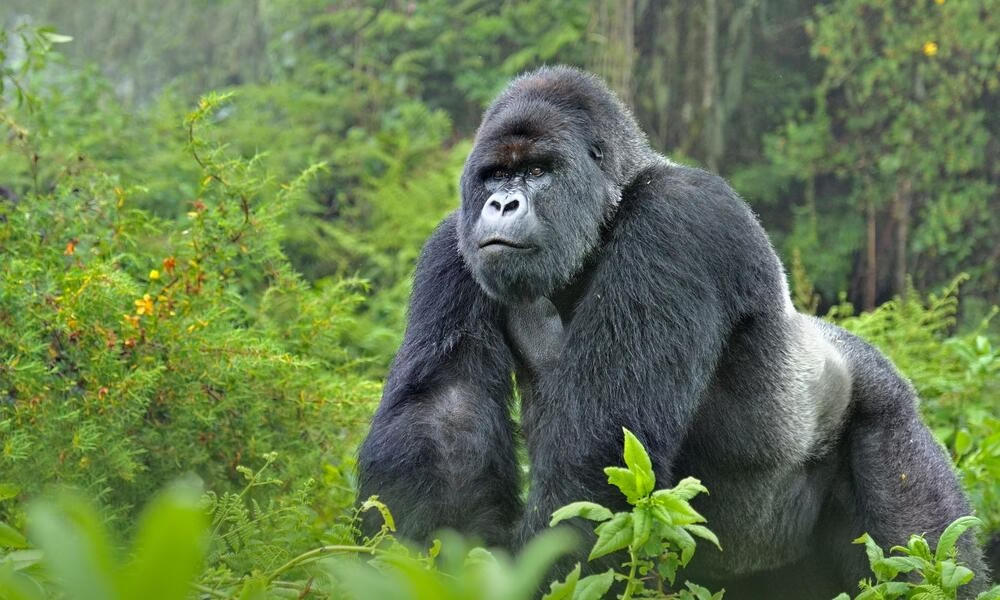
Travel Guide
Discover the perks of a low-season gorilla trekking safari in Uganda. Enjoy fewer crowds, affordable rates, and intimate wildlife encounters in the heart of Africa.
A Low Season Gorilla Trekking Safari in Uganda can appeal to travelers who prefer quieter travel periods, flexible safari planning and the atmosphere created by greener forest conditions. The source highlights fewer crowds, affordable rates and intimate wildlife encounters as potential advantages of traveling outside the busiest tourism periods.
Low-season travel also requires realistic preparation. Rain can influence road and trail conditions, and travelers need appropriate equipment for the forest.
The gorillas themselves live in their natural habitat throughout the year. A low-season safari should therefore be selected because the broader travel conditions suit the visitor’s preferences, not because wildlife behavior can be guaranteed.
Tourism demand changes throughout the year.
Periods with fewer visitors can create a different atmosphere around lodges and destinations.
Travelers may appreciate quieter surroundings and potentially greater flexibility with some accommodation arrangements.
However, the exact definition of low season can vary between properties and services.
Visitors should confirm current rates and conditions for their actual dates.
They should not assume that every element of a safari automatically becomes cheaper.
One of the source’s main advantages is the possibility of fewer crowds.
A quieter tourism period can make accommodation and surrounding destinations feel less busy.
This may particularly appeal to couples, photographers and travelers who dislike peak-season travel.
The gorilla trekking activity itself remains regulated.
Visitors should therefore distinguish between general destination crowd levels and the controlled nature of the actual gorilla encounter.
The forest experience continues to operate according to official procedures.
Some accommodation providers may offer different rates or promotions according to season.
This can help travelers allocate their safari budget differently.
Visitors might use savings to extend the journey, improve selected accommodation or add another destination.
However, prices should always be confirmed for the actual travel dates.
An old low-season offer should not be assumed to remain available.
Travelers should compare complete package value rather than selecting a lodge only because of an advertised discount.
Periods associated with more rainfall can create lush scenery.
For photographers, green vegetation can provide attractive landscape conditions.
Clouds and changing weather can also produce dramatic light.
The trade-off is that forest trails may be wetter.
Travelers who value scenery and are prepared for mud may find this appealing.
Those who strongly dislike wet conditions should consider their preferences carefully.
No season guarantees completely predictable weather.
Rain does not automatically prevent a gorilla trek.
Visitors should prepare for changing forest conditions.
Strong waterproof or water-resistant walking footwear with good grip is important.
A rain jacket should remain accessible.
Long trousers and long sleeves provide protection from vegetation.
Camera equipment needs waterproof protection.
Travelers should also keep their daypack organized so important items can be reached quickly if weather changes.
Wet conditions can make some terrain more slippery and demanding.
Physical preparation is therefore useful.
Regular walking before travel can improve confidence and endurance.
Visitors should take their time rather than trying to move quickly over difficult ground.
Guides provide instructions and help manage the pace.
Where legitimate porter services are available, travelers may consider hiring a porter.
Assistance with a daypack can make a substantial difference during a longer trek.
A gorilla trek requires the correct permit regardless of season.
Travelers should confirm permit arrangements before finalizing the rest of the safari.
The permit date becomes a fixed point around which accommodation and transport can be organized.
Visitors should not assume that traveling in a quieter period removes the need for advance planning.
Availability can still vary.
Current permit conditions and prices should be confirmed through appropriate channels.
Selecting the correct lodge remains important.
Bwindi covers a broad forest landscape with different activity locations.
A lodge that appears geographically close to the park may not necessarily be convenient for a particular trekking arrangement.
Travelers should coordinate accommodation with the confirmed permit.
This prevents unnecessary early-morning transfers.
The same principle applies whether traveling in peak or low season.
Green vegetation can create beautiful photographs, but forest photography remains technically challenging.
Cloudy conditions may reduce available light.
Photographers should understand their equipment before trekking.
A versatile lens can help.
Spare batteries and memory are useful.
Rain protection is essential.
Travelers should never move closer to gorillas or ignore instructions simply to compensate for a difficult photographic angle.
Responsible wildlife behavior remains the priority.
Fewer guests can change the atmosphere of a safari lodge.
Travelers may enjoy quieter common areas and more relaxed evenings.
Couples and honeymooners can find this particularly appealing.
A low-season trip can also suit visitors who prefer slower travel.
Rather than moving every day, travelers can spend several nights in selected destinations.
The combination of quieter properties and a relaxed itinerary may create a more personal experience.
A Low Season Gorilla Trekking Safari in Uganda can be extended to include other destinations.
Travelers may combine forest activities with savannah wildlife or additional primate experiences.
Weather should be considered across the entire route.
Road transfers may take longer under some conditions.
The itinerary should therefore include realistic travel times.
Trying to include too many parks can become particularly tiring when weather complicates road travel.
Rain protection should be a priority.
Visitors need practical clothing that can dry reasonably quickly.
An additional pair of suitable socks can be useful.
Travelers should bring protection for electronics and documents.
A small waterproof bag or internal dry bag can help protect important items.
Sun protection should not be forgotten because conditions can still change during the day.
Packing should remain light enough for comfortable travel.
Visitors should obtain suitable health advice before traveling to Uganda.
Personal medication should be carried in sufficient quantity.
Travel insurance should match the activities included.
Gorilla trekking also has specific health considerations because visitors are entering the habitat of great apes.
Travelers should follow all current rules and communicate honestly if they become unwell.
Conservation responsibilities apply in every season.
Lower visitor numbers do not change the fundamental rules of gorilla tourism.
Travelers must follow the official briefing.
They should maintain the required distance and never attempt to touch gorillas.
Noise should be controlled.
Waste should not be left in the forest.
Photography rules must be respected.
Visitors should also remain with their trekking group and follow guide instructions when gorillas move.
Low-season travel works well for visitors who are comfortable with variable weather and potentially muddier trails.
It can appeal to photographers attracted by green landscapes.
Travelers seeking quieter properties may also enjoy the timing.
Someone who places a high priority on avoiding rain may prefer to compare other travel periods.
There is no universal best season.
The strongest choice depends on personal priorities, budget, schedule and tolerance for changing weather.
A Low Season Gorilla Trekking Safari in Uganda offers a different way to experience one of Africa’s most memorable primate destinations.
The source highlights fewer crowds, affordable rates and intimate wildlife encounters as key attractions.
Travelers should balance these potential benefits against wetter forest conditions and the need for suitable preparation.
Strong footwear, rain protection and realistic road schedules become particularly important.
The gorilla experience itself remains carefully regulated regardless of season.
Visitors who prepare for variable weather and approach the journey with flexibility can enjoy the green landscapes and quieter atmosphere associated with low-season travel while still participating in a responsible mountain gorilla trekking experience.

Nshongi Gorilla Family in Bwindi: History, Location and Trekking Guide The Nshongi Gorilla Family holds an important place…
Read article →
Mishaya Gorilla Family in Bwindi: History, Trekking and What to Know The Mishaya Gorilla Family is one of…
Read article →
Semuliki Hot Springs Visit Guide: What to Expect Semuliki Hot Springs offers one of the most unusual natural…
Read article →
Kidepo Valley Remote Safari Guide: What to Expect Kidepo Valley National Park offers one of Uganda's most remote…
Read article →