

Nshongi Gorilla Family in Bwindi
Nshongi Gorilla Family in Bwindi: History, Location and Trekking Guide The Nshongi Gorilla Family holds an important place…
Read article →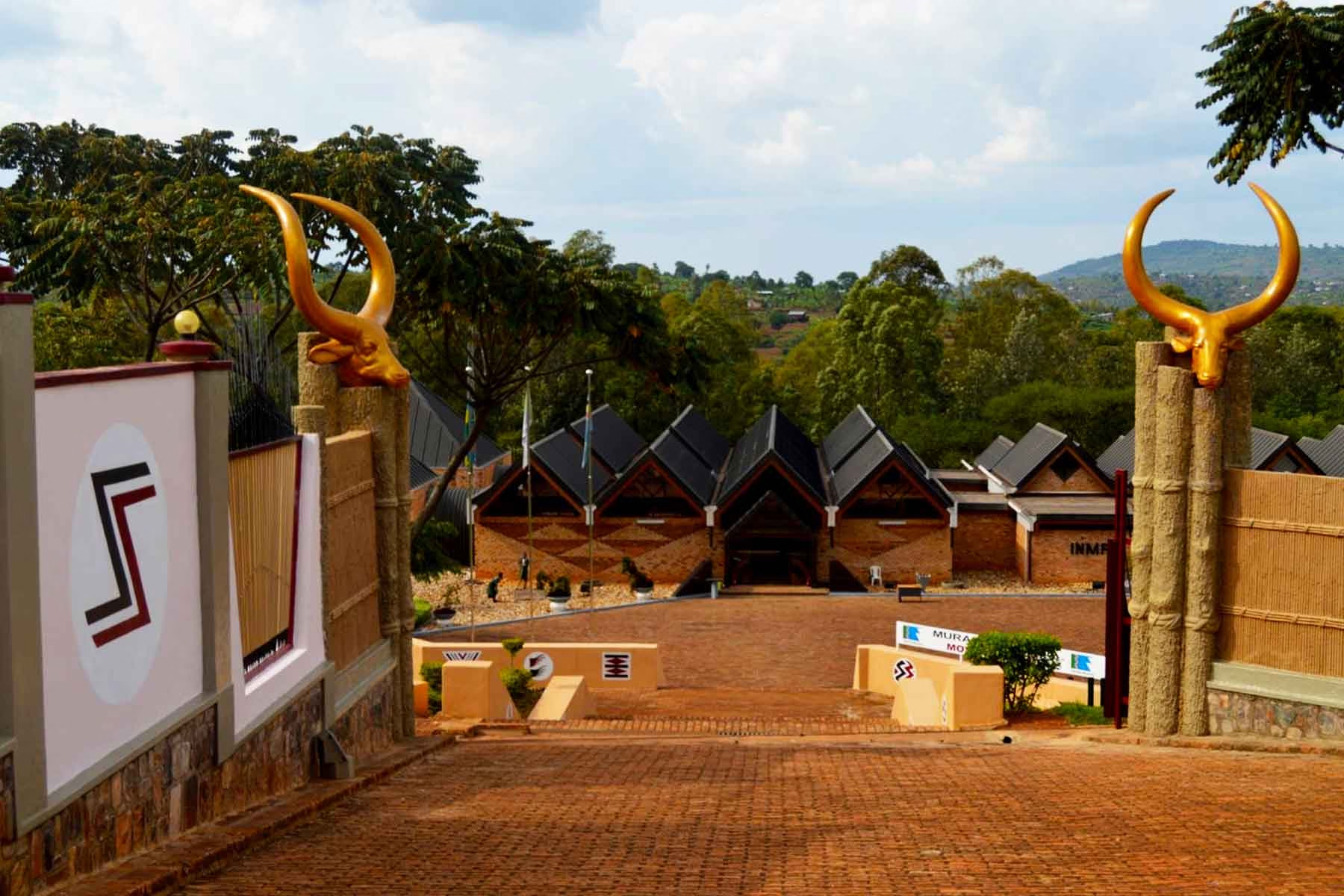
Travel Guide
Discover the top museums in Rwanda, from the Kigali Genocide Memorial to the Rwanda Art Museum. Explore history, culture, art, and environmental conservation.
The Museums in Rwanda provide travelers with opportunities to explore the country’s history, cultural heritage, art, conservation, and national experiences beyond its famous wildlife attractions. A journey to Rwanda may begin with plans for mountain gorilla trekking or scenic landscapes, but museums can add important historical and cultural context to the trip.
The supplied source highlights institutions and memorial spaces dealing with subjects ranging from the 1994 genocide against the Tutsi to ethnography, contemporary art, natural history, environmental conservation, and Rwanda’s recovery.
These places are not interchangeable attractions.
Some require quiet reflection because of the seriousness of their subject matter. Others focus on artistic creativity, traditional life, environmental education, or historical interpretation.
Including appropriate museums in a Rwanda itinerary can therefore make a safari or city visit more complete.
The supplied source identifies the Kigali Genocide Memorial as Rwanda’s most significant historical site connected with remembrance of the 1994 genocide against the Tutsi.
Visitors encounter exhibits, photographs, personal belongings, and testimonies that communicate the human consequences of the genocide.
A visit is emotionally demanding.
It should not be approached as an ordinary sightseeing stop squeezed between unrelated activities.
Allowing sufficient time gives visitors an opportunity to engage with the material respectfully and understand the historical context presented at the memorial.
Travelers often arrive in Rwanda knowing the country primarily through its contemporary reputation for tourism and conservation.
The memorial introduces a profoundly important part of the country’s recent history.
Understanding that history provides context for discussions of remembrance, reconciliation, and reconstruction.
Visitors should behave appropriately.
Quiet conversation, respectful photography rules, and sensitivity toward other visitors are important, particularly because the site has meaning extending far beyond tourism.
The experience is educational, but it is first a place connected with memory and loss.
The source highlights the Ethnographic Museum, located in Huye, historically known as Butare.
This institution focuses on Rwanda’s cultural heritage.
Its collections include traditional tools, crafts, clothing, and other objects associated with Rwandan society and artistic expression.
For travelers interested in understanding daily life, traditional technologies, and social organization, the museum can provide valuable context.
It also fits naturally into itineraries traveling through southern Rwanda.
Museum objects become more meaningful when visitors consider how they were used.
A tool reveals something about work.
Clothing can reflect materials, status, identity, or craftsmanship.
Household objects provide insight into daily routines.
Musical instruments and artistic pieces communicate creative traditions.
Rather than moving quickly through display cases, visitors benefit from reading explanations and considering how objects fit into the wider society that produced them.
This slower approach turns an ethnographic collection into a deeper cultural experience.
The supplied source includes the Rwanda Art Museum among the country’s important cultural institutions.
It describes collections of paintings, sculptures, and installations reflecting both traditional themes and contemporary creativity.
Art provides a different way to understand Rwanda.
Historical museums often explain events through documents and artifacts, while art can communicate identity, memory, social change, and personal interpretation.
Visitors interested in Rwanda’s creative life can therefore use the museum as a counterpoint to more historically focused sites.
Rwanda should not be viewed only through its past.
Contemporary artists engage with modern experiences and ideas.
Museums and art spaces allow travelers to see how creative expression continues to develop.
Paintings, sculptures, and installations may use traditional references while addressing present-day subjects.
Including art in a cultural itinerary helps create a more balanced understanding of the country.
It also supports the idea that cultural heritage is continuously created rather than existing only in historical collections.
The supplied material identifies Kandt House Museum of Natural History in Kigali.
The source associates the museum with Rwanda’s colonial history and natural heritage.
Its exhibits are described as including taxidermy specimens, geological collections, and artifacts linked with early scientific exploration.
This combination allows visitors to consider both human history and the study of Rwanda’s environment.
For travelers beginning or ending their journey in Kigali, the museum can fit into a broader city tour.
Natural history collections help explain the physical and biological environment that visitors encounter elsewhere in Rwanda.
Geological material can provide context for the country’s landscapes.
Animal specimens introduce biodiversity that may later be encountered in national parks.
Historical displays can also show how earlier outsiders documented and interpreted the region.
Museums therefore create connections between objects displayed indoors and landscapes experienced during the rest of a journey.
The source also identifies a Museum of Environment and describes its focus as biodiversity, conservation, ecosystems, climate change, and sustainable development.
Environmental museums can be particularly relevant to travelers whose Rwanda itinerary includes national parks.
A gorilla trek, forest walk, or wildlife safari becomes more meaningful when visitors understand some of the conservation questions surrounding these landscapes.
The museum’s educational focus can therefore complement direct experiences in nature.
Rwanda’s wildlife tourism depends on protected ecosystems.
A museum dealing with environmental conservation helps visitors think beyond individual animal sightings.
Forests, wetlands, climate, vegetation, communities, and wildlife are interconnected.
A mountain gorilla cannot be protected without protecting suitable habitat.
Likewise, savannah wildlife depends on functioning ecological systems.
Environmental education encourages visitors to understand conservation as a broad process rather than simply the protection of famous species.
The supplied source includes the Campaign Against Genocide Museum.
It describes the institution as focusing on the events surrounding the campaign against the genocide and Rwanda’s subsequent recovery, including themes of peacebuilding, justice, and national reconstruction.
As with other institutions addressing the genocide, visitors should approach the museum thoughtfully.
The subject matter relates to traumatic national history.
It is worth allowing enough time to understand the narrative presented rather than treating the museum as a brief photographic attraction.
The source emphasizes resilience and reconciliation in relation to this museum.
For visitors, such material can help connect historical events with the Rwanda encountered today.
Modern cities, tourism infrastructure, conservation projects, and cultural institutions exist within a country whose recent history involved enormous upheaval.
Understanding that context adds depth to travel.
It also encourages visitors to avoid simplistic narratives about Rwanda based only on either tragedy or contemporary tourism success.
The source refers to Hobe Rwanda Festival Museum Exhibits as a more contemporary cultural space associated with art, performance, and storytelling.
This introduces another dimension to Rwanda’s museum landscape.
Culture is not limited to preserved historical artifacts.
Music, performance, festivals, and modern storytelling continue to shape how communities express identity.
Travelers interested in contemporary culture can therefore look beyond traditional museum formats.
The value of Museums in Rwanda lies in the variety of perspectives they provide.
Wildlife tourism shows travelers forests, savannahs, primates, birds, and other natural features.
Museums explain people, historical events, creativity, social organization, and conservation ideas.
Combining these experiences creates a more complete journey.
A traveler who only visits national parks may leave with extraordinary wildlife memories but relatively little understanding of Rwanda’s historical and cultural development.
Museums help fill that gap.
The source highlights cultural understanding as one of the principal reasons to visit museums.
Traditional crafts, music, art, tools, clothing, and other collections show how people have expressed identity and adapted to their environment.
Culture cannot be reduced to a single performance or object.
Museum interpretation can provide historical depth and explain how traditions relate to broader social structures.
This context makes later community or cultural experiences more meaningful.
Rwanda’s history includes both long-established cultural traditions and devastating events in the recent past.
Museums and memorials allow travelers to engage with these subjects through curated evidence and interpretation.
The genocide against the Tutsi occupies an essential place within this history.
Visitors should allow Rwandan institutions to present this material in their own context rather than arriving with assumptions based solely on external media.
Careful listening is part of responsible cultural tourism.
The source also emphasizes conservation.
This connects museum experiences directly with Rwanda’s tourism industry.
Travelers may spend significant money to see mountain gorillas or other wildlife without fully understanding the ecological work required to maintain those populations.
Environmental exhibits can explain biodiversity, habitat protection, climate pressures, and sustainable development.
This knowledge can change the way visitors interpret later experiences in protected areas.
Museums can work well for adults, students, families, researchers, and travelers with specialist interests.
However, the suitability of particular institutions depends on subject matter.
Sites addressing genocide contain difficult material and should be approached with appropriate consideration when traveling with children.
Art and natural-history collections may offer different educational opportunities.
Families should therefore plan museum visits according to the age and interests of their children rather than treating every institution as identical.
Kigali provides several opportunities for cultural and historical visits.
Travelers often spend at least some time in the capital at the beginning or end of a Rwanda itinerary.
Rather than treating this time only as an overnight transit, it can be used to explore museums and memorials.
A well-paced city day should not attempt to visit every institution.
One or two meaningful visits can provide more value than rushing through numerous sites.
Other institutions can be incorporated as travelers move through the country.
Huye provides access to the Ethnographic Museum.
Other cultural and environmental institutions can be combined with regional travel.
The most efficient approach is to connect museum visits with the route already being traveled.
This reduces unnecessary driving and gives each day a coherent focus.
The supplied source recommends combining museum visits with wildlife experiences.
This creates useful contrasts.
A morning may be spent learning about history or culture, while another day is devoted to forest trekking or savannah wildlife.
The two types of experience reinforce one another.
Museums explain human relationships with landscapes, while national parks allow visitors to experience those landscapes directly.
Visitors should follow photography and behavioral rules at each institution.
This is particularly important at memorial sites.
Not every display should automatically be treated as content for social media.
Some spaces require reflection rather than documentation.
Reading introductory information before visiting can also help travelers understand the significance of what they are about to see.
Respectful behavior demonstrates awareness that museums may hold deep personal and national meaning for local communities.
The supplied List of Museums in Rwanda demonstrates the breadth of cultural experiences available beyond the country’s national parks.
The Kigali Genocide Memorial provides essential historical remembrance. The Ethnographic Museum explores cultural heritage, while the Rwanda Art Museum introduces creative expression. Kandt House connects historical and natural-history themes, and environmental exhibits broaden understanding of biodiversity and conservation. Other institutions address Rwanda’s recovery and contemporary cultural storytelling.
Including these places in an itinerary can add context to everything else travelers experience.
Rwanda’s forests, wildlife, cities, art, history, and communities are not separate stories. Together they create a more complete understanding of the country.
For travelers willing to devote time to learning as well as sightseeing, Rwanda’s museums can become some of the most meaningful stops of the journey.

Nshongi Gorilla Family in Bwindi: History, Location and Trekking Guide The Nshongi Gorilla Family holds an important place…
Read article →
Mishaya Gorilla Family in Bwindi: History, Trekking and What to Know The Mishaya Gorilla Family is one of…
Read article →
Semuliki Hot Springs Visit Guide: What to Expect Semuliki Hot Springs offers one of the most unusual natural…
Read article →
Kidepo Valley Remote Safari Guide: What to Expect Kidepo Valley National Park offers one of Uganda's most remote…
Read article →