

Nshongi Gorilla Family in Bwindi
Nshongi Gorilla Family in Bwindi: History, Location and Trekking Guide The Nshongi Gorilla Family holds an important place…
Read article →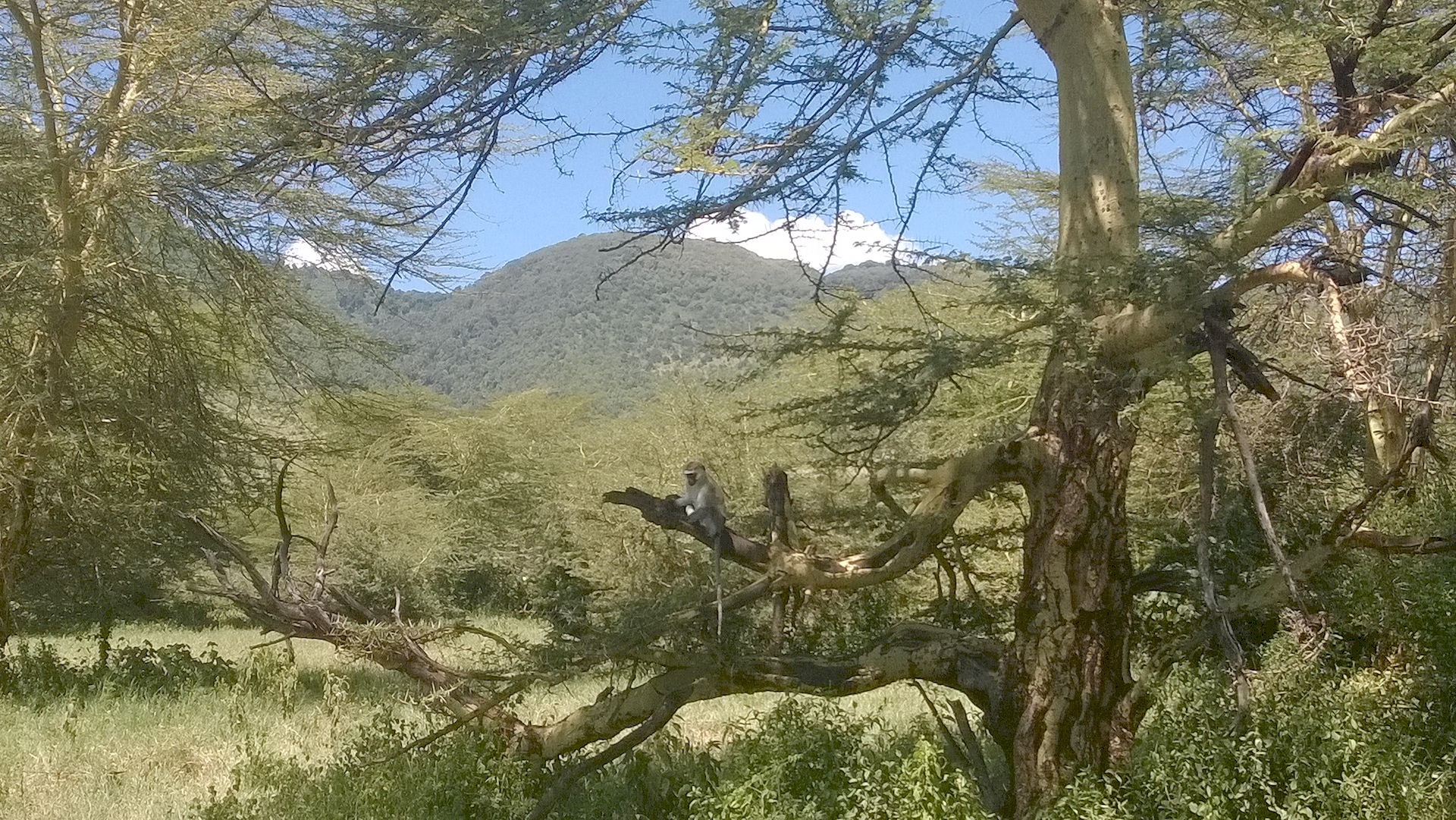
Travel Guide
Discover the Lerai Forest in Ngorongoro—an acacia-filled sanctuary offering wildlife, birds, and natural beauty beyond the crater floor.
Lerai Forest provides a striking contrast to the broad grasslands associated with the Ngorongoro Crater. Located within the Ngorongoro Conservation Area in northern Tanzania, the forest is characterized in the supplied source by towering yellow-barked acacia trees, groundwater-fed vegetation, wildlife, birds, shade, and a peaceful woodland atmosphere.
Many travelers arrive in Ngorongoro primarily for the famous crater-floor game drive. Yet the ecosystem is considerably more varied than open grassland alone. Entering Lerai Forest reveals how changes in water availability and vegetation can create a completely different habitat within the same wider landscape.
The source describes elephants, buffaloes, bushbucks, vervet monkeys, leopards, turacos, hornbills, and other woodland birds using the forest. Its permanent groundwater supply also makes it ecologically important during dry periods when animals need reliable water, forage, and shelter.
One of the defining characteristics of Lerai Forest is its relationship with groundwater.
The supplied source states that the forest thrives around a permanent groundwater spring.
Reliable moisture supports dense vegetation throughout the year, distinguishing the woodland from surrounding areas that may become much drier.
This dependable water source influences both plant growth and wildlife distribution.
Animals can move into the forest for shade, food, and water, especially when conditions elsewhere become less favorable.
The source highlights yellow-barked acacia trees as the dominant visual feature of the forest.
Their tall trunks and spreading branches create a distinctive woodland environment.
Light filtering through the canopy produces a very different atmosphere from the exposed crater grasslands.
For photographers, the combination of wildlife and tall acacias can create particularly attractive compositions.
Moving from open grassland into Lerai Forest changes visibility, temperature, and wildlife observation.
On the plains, animals may be visible across considerable distances.
Inside woodland, trees and vegetation interrupt the view.
Wildlife may appear suddenly between trunks or remain concealed in shade.
This creates a slower and more attentive style of game viewing.
Elephants are among the most impressive animals mentioned in the supplied source.
The forest provides shade and vegetation, creating suitable conditions for these large mammals.
Watching an elephant move between tall acacia trunks can be one of the most memorable scenes in the area.
Visitors should allow guides to determine appropriate viewing distances.
The presence of trees should never encourage vehicles to crowd or block an animal’s path.
The source describes the forest as providing a quiet place where wildlife can rest.
This function becomes particularly important in warm conditions.
Shade can reduce exposure to direct sun, while permanent water and vegetation create reliable resources.
Visitors should recognize that areas used by animals for rest deserve especially respectful observation.
Buffaloes are also identified as regular users of the forest.
These large herbivores can benefit from access to water, shade, and forage.
A buffalo partly concealed among trees produces a very different sighting from a herd standing on open grassland.
Guides may notice movement or shapes that inexperienced visitors initially overlook.
The supplied source mentions bushbucks, animals particularly suited to woodland environments.
Their preference for cover makes Lerai Forest appropriate habitat.
Unlike species commonly observed on open plains, bushbucks may remain partially hidden within vegetation.
Quiet, patient observation can therefore be more productive than searching quickly.
Vervet monkeys add a primate element to the forest’s wildlife.
They can use trees for movement, feeding, and protection.
Visitors should look both at ground level and into the branches.
Watching monkeys within the woodland also demonstrates how the forest creates ecological opportunities absent from treeless grassland.
The source notes that leopards sometimes move through the forest.
Woodland provides cover suited to this elusive predator.
A leopard sighting should never be treated as guaranteed.
The possibility itself adds excitement to a game drive because travelers know that dense vegetation may conceal wildlife only a short distance away.
Bird enthusiasts have strong reasons to pay attention when entering the forest.
The supplied source identifies turacos, hornbills, and numerous woodland species.
The dense canopy and occasional clearings provide different feeding and nesting opportunities.
Early morning is highlighted as a particularly active period.
Turacos are among the birds specifically mentioned.
Their presence reinforces the difference between forest birding and watching species on open grassland.
Birders may need to listen for calls and scan carefully through foliage.
A good pair of binoculars can greatly improve the experience.
Hornbills are another notable group identified in the source.
Their large bills and distinctive movements make them rewarding birds to observe.
Woodland habitats provide feeding and nesting opportunities.
Travelers interested in birds should tell their guide so that enough time can be allowed for observation.
The supplied material recommends early morning for birdwatching.
Morning conditions often provide pleasant light and active wildlife.
Entering Lerai Forest during this period can therefore combine birding with broader game viewing.
The cooler atmosphere can also make the woodland especially enjoyable.
The forest does more than provide attractive scenery.
According to the source, it plays a significant role in the Ngorongoro ecosystem by regulating water flow, stabilizing soil, and creating habitat diversity.
These functions demonstrate why relatively small habitat differences can influence an entire wildlife landscape.
Groundwater sustains the forest, but vegetation also affects how water moves through the environment.
Roots, soils, and plant cover influence water retention and flow.
This relationship helps maintain conditions needed by both plants and animals.
The supplied source identifies soil stabilization as another ecological function.
Tree roots help hold soil in place.
Maintaining vegetation can therefore reduce erosion and preserve the physical structure of the habitat.
This is particularly important where wildlife movement and seasonal weather continually influence the landscape.
Without Lerai Forest, the crater ecosystem would contain less habitat variety.
Open grasslands favor some species, while woodland supports others.
The presence of both allows a wider range of wildlife to live within the same broader area.
This is one reason biodiversity depends on protecting different habitat types rather than concentrating only on famous species.
The source emphasizes the forest’s importance during dry spells.
As surrounding areas become drier, wildlife may move toward places where water and vegetation remain available.
Lerai Forest can therefore function as a refuge.
This seasonal role demonstrates why permanent water sources can influence wildlife distribution across a larger ecosystem.
Travelers generally experience Lerai Forest as part of a Ngorongoro Crater game drive.
According to the supplied material, guides may stop near the forest edge or travel along shaded routes depending on conditions and animal activity.
This makes the forest a natural component of a broader crater exploration rather than a completely separate excursion.
One of the most rewarding aspects of the drive is the sudden environmental change.
Bright grasslands give way to filtered light and trees.
Bird calls become more noticeable.
Animal tracks may cross softer ground.
The temperature and atmosphere can also feel different beneath the canopy.
This transition helps travelers appreciate the ecological complexity of Ngorongoro.
The supplied source encourages travelers to slow down and experience the quieter side of the crater.
This approach is particularly appropriate in woodland.
Animals may be partly concealed, and birds can require patient observation.
Moving too quickly can cause visitors to miss much of what makes the forest interesting.
Filtered sunlight creates distinctive photographic conditions.
Elephants, buffaloes, monkeys, and birds can appear between tree trunks or beneath patches of light.
Exposure can be more challenging than on an open plain because bright and shaded areas may occur in the same scene.
Photographers should prepare their camera settings before wildlife appears.
The supplied source also connects the forest with Maasai communities living around Ngorongoro.
It describes traditional routes associated with cattle grazing and presents the wider landscape as one in which wildlife and people have coexisted for generations.
This human dimension is important to understanding the Ngorongoro Conservation Area.
Ngorongoro is not described by the source as an ecosystem completely separated from people.
Pastoral traditions form part of the wider landscape.
Visitors should therefore understand that conservation here involves relationships among wildlife, habitat, tourism, and communities.
This is more complex than imagining a protected area as an empty wilderness.
Travelers interested in Maasai culture should seek experiences that are organized respectfully.
The source’s reference to cultural connections should not be interpreted as permission to photograph people or livestock without consideration.
Meaningful cultural tourism depends on interaction, explanation, and respect.
The supplied source recommends early mornings and cooler hours.
These periods can provide active birdlife and comfortable game-viewing conditions.
Morning light passing through acacia trees can also be particularly attractive.
However, wildlife remains unpredictable, and worthwhile sightings can occur at other times.
The most complete experience combines woodland with the crater’s open areas.
A game drive can move between grassland, wet areas, and forest, revealing how different habitats support different animals.
This variety is one of Ngorongoro’s greatest strengths.
Travelers should therefore avoid treating the forest as a minor detour.
It contributes directly to understanding the wider ecosystem.
Ngorongoro is often represented through panoramic photographs taken from the rim.
Those views are spectacular, but they cannot show the ecological detail found on the crater floor.
Lerai Forest provides one example of what becomes visible only after descending into the landscape.
Trees, birds, primates, tracks, groundwater, and shaded wildlife refuges reveal another scale of the ecosystem.
Protecting Lerai Forest contributes to the health of the wider Ngorongoro landscape.
Water regulation, soil stability, habitat diversity, and dry-season resources all support wildlife.
Conservation therefore needs to preserve not only open plains but also woodland, wetlands, water sources, and other ecological zones.
The supplied source presents Lerai Forest as a peaceful groundwater-fed woodland within the Ngorongoro Conservation Area.
Yellow-barked acacia trees dominate the landscape, creating shade and habitat that contrast sharply with the open crater grasslands. Elephants, buffaloes, bushbucks, vervet monkeys, and occasional leopards use the forest, while turacos, hornbills, and other woodland birds add significant birdwatching interest.
Ecologically, the forest helps regulate water, stabilize soil, create habitat diversity, and provide food and shelter during dry periods.
Travelers usually experience Lerai as part of a Ngorongoro Crater game drive. Early mornings and cooler periods are highlighted in the source for wildlife and bird activity.
Including time in the forest creates a more complete understanding of Ngorongoro. Beyond the famous crater panoramas and open plains lies a quieter woodland environment where groundwater, acacia trees, wildlife, birds, and human history contribute to the balance of the wider ecosystem.

Nshongi Gorilla Family in Bwindi: History, Location and Trekking Guide The Nshongi Gorilla Family holds an important place…
Read article →
Mishaya Gorilla Family in Bwindi: History, Trekking and What to Know The Mishaya Gorilla Family is one of…
Read article →
Semuliki Hot Springs Visit Guide: What to Expect Semuliki Hot Springs offers one of the most unusual natural…
Read article →
Kidepo Valley Remote Safari Guide: What to Expect Kidepo Valley National Park offers one of Uganda's most remote…
Read article →