

Nshongi Gorilla Family in Bwindi
Nshongi Gorilla Family in Bwindi: History, Location and Trekking Guide The Nshongi Gorilla Family holds an important place…
Read article →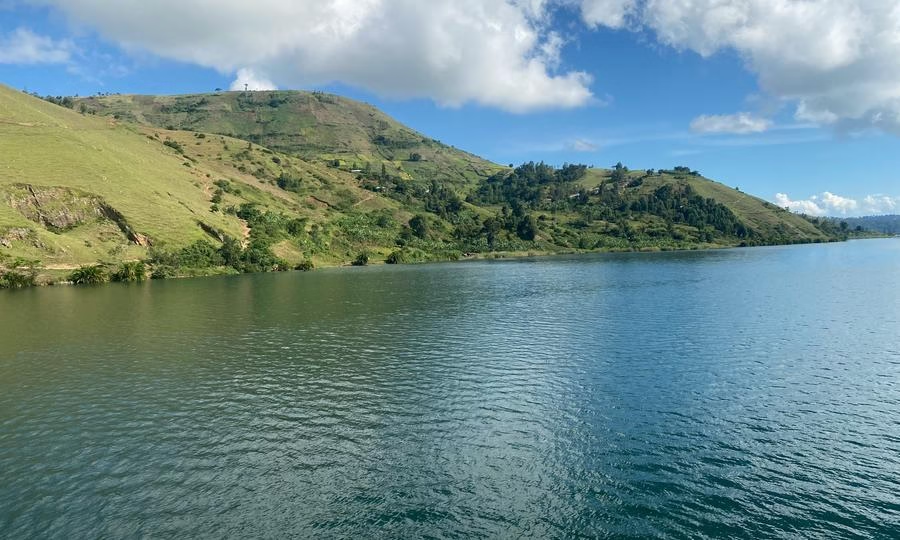
Travel Guide
Discover Lake Cyohoha, a serene lake on the Rwanda-Burundi border, offering bird watching, camping, and cultural experiences in a tranquil setting.
Lake Cyohoha Rwanda offers travelers a quieter experience away from the country’s better-known gorilla trekking and national park destinations. Located along the Rwanda-Burundi border area, the lake is described as a tranquil setting for bird watching, camping and cultural experiences.
For visitors interested in slower travel, a lake environment can provide an appealing contrast to active trekking and safari schedules. Rather than moving from one major attraction to another, travelers can spend time appreciating water, surrounding landscapes and local life.
Lake Cyohoha is particularly relevant to travelers who enjoy exploring lesser-known places. A visit should be planned with current access conditions, suitable transport and realistic expectations about tourism infrastructure.
Rwanda is internationally recognized for mountain gorillas, but the country’s landscapes extend well beyond the volcanic northwest.
Lakes form an important part of the scenery in several regions.
Lake Cyohoha offers a different atmosphere from busy urban areas or highly structured national park activities.
Visitors can slow the pace and focus on the landscape itself.
This style of travel may appeal to photographers, birdwatchers and travelers who simply want quiet time during a longer Rwanda itinerary.
The source identifies Lake Cyohoha as a lake on the Rwanda-Burundi border.
Border areas require thoughtful travel planning.
Visitors should remain aware of current local access arrangements and avoid assuming that being near an international boundary means they can cross freely.
Any international movement requires compliance with the relevant immigration requirements.
Travelers who intend only to experience the lake from Rwanda should still follow local guidance about appropriate areas to visit.
A knowledgeable local guide can help simplify these arrangements.
Bird watching is one of the activities associated with Lake Cyohoha Rwanda.
Water environments can support a variety of birdlife.
Visitors should carry binoculars because many birds are easier to appreciate at a distance.
Early morning can provide an enjoyable atmosphere for observation.
The quieter a group remains, the easier it may be to notice movement and calls.
A dedicated bird guide can add substantial value for travelers who want help identifying species.
Casual visitors can also enjoy birding without needing specialist knowledge.
Photographers should prepare for changing light around the lake.
A telephoto lens can help with distant birds.
Wider lenses can capture the relationship between the water and surrounding landscape.
Patience is important.
Birds rarely position themselves according to a photographer’s expectations.
Visitors should avoid disturbing vegetation or approaching nesting areas for a stronger photograph.
Responsible photography protects the very wildlife travelers have come to see.
The source description highlights camping as one of the experiences associated with Lake Cyohoha.
Travelers interested in camping should confirm current designated locations and arrangements before arrival.
Camping should not be undertaken casually on private, sensitive or restricted land.
Visitors need to understand where they are permitted to stay and what facilities are available.
The required equipment depends on the actual camping setup.
Travelers should also prepare for changing weather and cooler nighttime conditions where applicable.
One of the attractions of a quiet lake is the opportunity to do less.
Safari itineraries can become extremely busy.
Travelers may wake before sunrise, spend hours on the road and change accommodation frequently.
A slower stay allows time to rest.
Visitors can enjoy the scenery, watch birds and interact with the surroundings without a rigid schedule.
This can be particularly valuable midway through a longer journey.
Rest does not need to mean staying inside a hotel. It can involve gentle outdoor exploration at a relaxed pace.
The source also highlights cultural experiences around Lake Cyohoha.
Travelers should approach these respectfully.
A local guide can provide context and help visitors interact appropriately with communities.
Permission should always be requested before taking close photographs of people.
Visitors should avoid treating everyday community life as a staged attraction.
Meaningful cultural travel involves listening and learning.
Where legitimate local services or products are available, visitor spending can also support livelihoods.
Cultural tourism works best when local people are active participants rather than passive subjects.
Travelers should follow local guidance.
Clothing and behavior should be appropriate to the setting.
Questions can be asked respectfully.
Visitors should not enter homes, private land or community spaces without permission.
Small acts of courtesy create better interactions.
The objective should be to understand more about the area rather than simply collect photographs.
Transport should be arranged according to the traveler’s starting point and wider Rwanda itinerary.
Visitors should obtain current route information rather than relying solely on an old map or travel account.
Road conditions and access arrangements can change.
A private vehicle with a knowledgeable driver can provide flexibility.
Travelers should also allow enough time for the journey.
A remote or lesser-known destination should not be added casually to an already overloaded itinerary.
Visitors interested in birding should bring binoculars.
Sun protection and rain protection are both useful for outdoor activities.
Comfortable walking footwear is appropriate.
Photographers need sufficient batteries and storage.
Travelers camping should confirm exactly what equipment is supplied and what they need to bring.
Personal medication and essential items should remain accessible.
In less developed tourism areas, visitors should avoid assuming that forgotten equipment can easily be purchased nearby.
Lake Cyohoha can appeal to landscape photographers because water changes character throughout the day.
Morning conditions may produce soft light or reflections.
Clouds and weather can transform the scene quickly.
A wider composition can include the shoreline and surrounding environment.
Photographers should also look beyond obvious panoramic images.
Boats, vegetation, birdlife and details of daily activity may help communicate the character of the destination.
Photography should always respect people and private property.
Travelers spending several days in Rwanda may incorporate the lake into a wider route beginning or ending in Kigali.
The capital provides the country’s principal international gateway and a useful base for organizing transport.
Visitors should assess whether the lake fits naturally with the rest of the journey.
Adding a destination solely to increase the number of places visited can make the itinerary unnecessarily busy.
The lake is better suited to travelers who genuinely value quiet scenery, birdlife and cultural context.
A longer Rwanda itinerary can include very different environments.
Travelers may experience gorilla trekking, forest activities, savannah wildlife, Kigali and quieter lake landscapes.
Lake Cyohoha adds another dimension.
Because its appeal differs from that of a major national park, visitors should allocate time accordingly.
Those primarily interested in wildlife may prioritize other destinations.
Travelers interested in lesser-known landscapes can give the lake a more prominent role.
Visitors should never leave waste around the lake.
Plastic and other rubbish can damage aquatic and shoreline environments.
Birds and other wildlife should not be disturbed.
Travelers should use approved camping or visitor areas where required.
Water activities, if available, should be undertaken only through appropriate local arrangements.
Border-area instructions should also be followed.
Responsible tourism helps protect the quiet character that makes the destination attractive.
Lake Cyohoha Rwanda may appeal most strongly to birdwatchers, photographers, campers and travelers interested in less frequently visited places.
It can also suit visitors who want a slower break during a longer Rwanda journey.
Those expecting extensive resort infrastructure or a heavily developed tourism destination should confirm what is currently available before travel.
The lake’s appeal lies in tranquility and landscape rather than large-scale attractions.
A successful visit requires simple but important preparation.
Confirm current access.
Arrange reliable transport.
Understand any camping or guiding requirements.
Bring appropriate outdoor equipment.
Travelers interested in community experiences should use respectful local arrangements rather than entering villages uninvited.
Birdwatchers should carry binoculars, while photographers should protect equipment from weather.
With these details organized, visitors can concentrate on the peaceful qualities of the lake.
Lake Cyohoha Rwanda provides a tranquil alternative to the country’s more famous safari attractions.
Its border setting, bird watching opportunities, camping potential and cultural experiences can appeal to travelers seeking a quieter and more exploratory journey.
The destination is best approached without rushing.
Visitors can spend time observing birds, photographing the landscape and learning about the surrounding area.
Current access and activity arrangements should be confirmed before departure, particularly because the lake lies within a border region.
For travelers who appreciate slow travel and lesser-known landscapes, Lake Cyohoha can add a peaceful and distinctive experience to a broader exploration of Rwanda.

Nshongi Gorilla Family in Bwindi: History, Location and Trekking Guide The Nshongi Gorilla Family holds an important place…
Read article →
Mishaya Gorilla Family in Bwindi: History, Trekking and What to Know The Mishaya Gorilla Family is one of…
Read article →
Semuliki Hot Springs Visit Guide: What to Expect Semuliki Hot Springs offers one of the most unusual natural…
Read article →
Kidepo Valley Remote Safari Guide: What to Expect Kidepo Valley National Park offers one of Uganda's most remote…
Read article →