

Nshongi Gorilla Family in Bwindi
Nshongi Gorilla Family in Bwindi: History, Location and Trekking Guide The Nshongi Gorilla Family holds an important place…
Read article →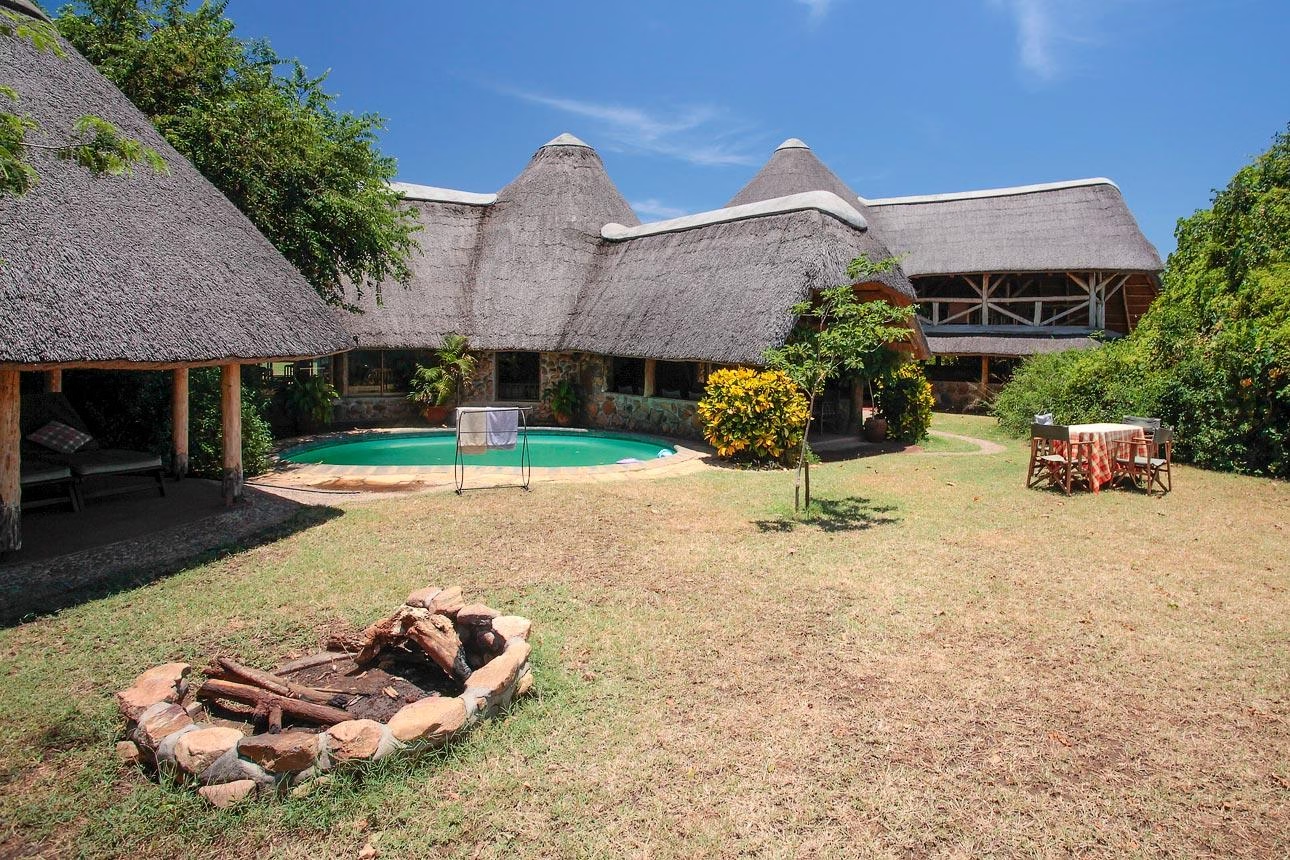
Travel Guide
Discover Lake Albert Safari Lodge in Uganda's Kabwoya Wildlife Reserve. Enjoy grass-thatched cottages, wildlife safaris, fossil hunting, and breathtaking views over Lake Albert.
Lake Albert Safari Lodge offers travelers an opportunity to experience a quieter side of western Uganda, combining lakeside scenery with the landscapes of Kabwoya Wildlife Reserve. For visitors interested in moving beyond Uganda’s busiest national parks, the lodge can provide a relaxing stop within a longer western Uganda safari.
Lake Albert forms an important part of the Albertine Rift landscape. From elevated areas around the reserve, travelers can appreciate broad views toward the lake and surrounding escarpments. Wildlife activities, birdwatching and the peaceful atmosphere of the area can create a very different experience from crowded urban centers or more heavily visited safari destinations.
A stay here can be incorporated into an itinerary linking northern and southwestern Uganda or enjoyed as a destination for travelers specifically interested in Kabwoya Wildlife Reserve.
Lake Albert lies along Uganda’s western frontier and forms part of the Nile system.
Its long shoreline and surrounding escarpments create impressive scenery.
The setting of Lake Albert Safari Lodge allows visitors to appreciate this landscape while staying close to Kabwoya Wildlife Reserve.
The combination of open country and expansive lake views is particularly attractive during early mornings and evenings.
Changing light can transform the landscape, creating excellent opportunities for photography.
Travelers who enjoy quiet scenery may find that simply spending time at the lodge becomes an important part of the experience.
Kabwoya Wildlife Reserve protects an area between the Albertine Rift escarpment and Lake Albert.
Its landscapes differ from Uganda’s tropical forests and larger savannah parks.
Visitors can explore the reserve while enjoying the relative tranquility associated with a less heavily visited destination.
Wildlife sightings depend on natural movements and conditions, so visitors should approach the experience with realistic expectations.
The appeal lies in combining wildlife observation with landscapes and a sense of space.
A knowledgeable guide can help identify animals, birds and important ecological features.
Game viewing around Kabwoya introduces visitors to the reserve’s open habitats.
Wild animals should always be observed at appropriate distances.
Binoculars are useful because animals may be positioned away from roads.
Travelers accustomed to major safari parks should avoid judging smaller reserves solely by the number of large animals encountered.
Different protected areas provide different experiences.
Kabwoya’s appeal includes scenery, birdlife and its position overlooking Lake Albert.
For travelers seeking variety during a long Uganda safari, this can be particularly refreshing.
Western Uganda is rich in birdlife, and the varied habitats around Lake Albert can reward travelers carrying binoculars.
Water-associated environments, grasslands and woodland can support different bird communities.
Dedicated birders should arrange appropriate guiding in advance.
Casual wildlife travelers can also benefit from keeping binoculars nearby throughout the stay.
Birdwatching encourages visitors to slow down and observe details that may be missed when attention is focused exclusively on large mammals.
Early mornings can be particularly enjoyable as bird activity combines with softer light and cooler temperatures.
The supplied experience associated with Lake Albert Safari Lodge includes fossil hunting, giving travelers another way to engage with the region beyond conventional game viewing.
Geology and fossils can reveal aspects of a landscape’s history that are invisible during an ordinary safari.
Visitors interested in such activities should follow the lodge’s current guidance and use organized experiences where offered.
Any fossils or geological materials should be treated responsibly and according to applicable rules.
The value of the activity lies in learning about the landscape rather than removing objects as souvenirs.
Some safari itineraries become exhausting because travelers move between destinations every day.
A stay near Lake Albert can provide a slower rhythm.
Visitors can alternate wildlife activities with time enjoying the lodge environment.
This is particularly valuable during longer Uganda journeys.
After several early morning departures and long road transfers, having time to sit, read, photograph the landscape or enjoy a leisurely meal can restore energy for the next stage.
Safari travel does not need to involve constant activity.
The supplied description highlights grass-thatched cottages as part of the Lake Albert Safari Lodge experience.
Thatched safari accommodation can complement the surrounding landscape and create a strong sense of place.
When selecting a room, travelers may wish to ask about views, bed configurations, accessibility and proximity to common areas.
Families and travelers with mobility considerations should communicate requirements before booking.
Because lodge facilities can change over time, specific amenities should always be confirmed directly when making reservations.
Views across Lake Albert are one of the most compelling reasons to spend time in this region.
Large bodies of water create constantly changing visual conditions.
Morning haze, afternoon clouds and sunset light can produce completely different scenes.
Landscape photographers may want to carry both wide-angle and moderate telephoto lenses.
Even travelers using smartphones can capture memorable panoramas.
Rather than scheduling activities throughout every daylight hour, leave time to appreciate the views from the lodge.
Kabwoya and Lake Albert offer several types of photography.
Wildlife photographers can work with animals and birds, while landscape photographers can concentrate on escarpments, grasslands and the lake.
Early and late light is often particularly attractive.
Dust and changing weather can affect camera equipment, so carry a protective bag and cleaning cloth.
Spare batteries and memory cards are useful in remote safari environments.
Always prioritize responsible wildlife behavior over obtaining a closer photograph.
Western Uganda can be explored throughout much of the year, although rainfall influences road conditions and landscapes.
Drier periods can provide easier travel on unpaved roads.
Rainier periods may create greener scenery and dramatic skies.
Travelers should check current road and weather conditions close to their trip.
The most suitable season also depends on the wider itinerary.
Someone combining Lake Albert with gorilla trekking may prioritize different months from a traveler focused primarily on savannah wildlife.
Lightweight safari clothing works well for most activities.
Include long trousers, breathable shirts and a warm layer for cooler mornings.
A lightweight rain jacket is useful.
Bring comfortable closed footwear, sunscreen, sunglasses and a hat.
Binoculars significantly improve both wildlife and birding experiences.
Travelers should also carry insect repellent and seek appropriate professional health advice before traveling to Uganda.
A reusable water bottle helps maintain hydration during outdoor activities.
Access to Lake Albert Safari Lodge should be planned as part of the wider Uganda route.
Road travel allows visitors to experience western Uganda’s changing landscapes.
Journey times can vary according to starting point, traffic and road conditions.
Travelers should avoid scheduling an important activity immediately after an ambitious transfer.
Private safari vehicles provide flexibility for stops and can make it easier to integrate Kabwoya with other destinations.
Always confirm current directions and transfer times when booking.
Murchison Falls National Park can be incorporated into a broader western and northwestern Uganda safari.
The park offers game drives, Nile boat experiences and the dramatic Murchison Falls.
Combining the destinations provides contrasting landscapes.
Murchison offers a major national park experience, while Kabwoya can provide a quieter environment overlooking Lake Albert.
This combination is particularly suitable for travelers with enough time to avoid rushing between locations.
A longer western Uganda circuit can continue toward Kibale National Park.
Kibale is best known for chimpanzee tracking and forest biodiversity.
The transition from Lake Albert’s open landscapes to tropical forest demonstrates Uganda’s ecological variety.
Travelers can then continue toward Queen Elizabeth National Park and Bwindi.
Such a route creates a comprehensive safari incorporating lakes, forests, savannahs and primates.
Visitors should follow reserve rules and instructions from guides.
Never feed wildlife or leave rubbish behind.
Keep an appropriate distance from animals.
When participating in geological or fossil-related activities, follow local regulations and avoid removing protected material.
Water and energy should be used responsibly at remote accommodation properties.
Supporting local employment, guides and community enterprises can also help tourism contribute positively to the surrounding area.
Lake Albert Safari Lodge may particularly appeal to travelers who enjoy scenic accommodation and less crowded safari environments.
Birdwatchers, photographers and couples looking for a quieter stage within a longer itinerary may appreciate the setting.
It can also suit returning Uganda visitors who have already experienced the country’s most famous parks and want to explore lesser-known areas.
Travelers expecting the density of wildlife associated with certain major parks should understand the different character of a smaller reserve.
The attraction is the overall experience rather than a checklist of guaranteed sightings.
Consider spending enough time to enjoy both Kabwoya and the lodge rather than using the property only as an overnight transfer stop.
Confirm available activities before arrival.
If birding, photography or fossil-related experiences are priorities, mention them during the booking process.
This allows appropriate arrangements to be made.
Lake Albert Safari Lodge brings together the scenery of Lake Albert, the landscapes of Kabwoya Wildlife Reserve and the relaxed rhythm of a smaller safari destination.
Within a carefully planned Uganda itinerary, it can provide exactly what busy safari schedules sometimes lack: space, scenery and enough time to appreciate where you are.

Nshongi Gorilla Family in Bwindi: History, Location and Trekking Guide The Nshongi Gorilla Family holds an important place…
Read article →
Mishaya Gorilla Family in Bwindi: History, Trekking and What to Know The Mishaya Gorilla Family is one of…
Read article →
Semuliki Hot Springs Visit Guide: What to Expect Semuliki Hot Springs offers one of the most unusual natural…
Read article →
Kidepo Valley Remote Safari Guide: What to Expect Kidepo Valley National Park offers one of Uganda's most remote…
Read article →