

Nshongi Gorilla Family in Bwindi
Nshongi Gorilla Family in Bwindi: History, Location and Trekking Guide The Nshongi Gorilla Family holds an important place…
Read article →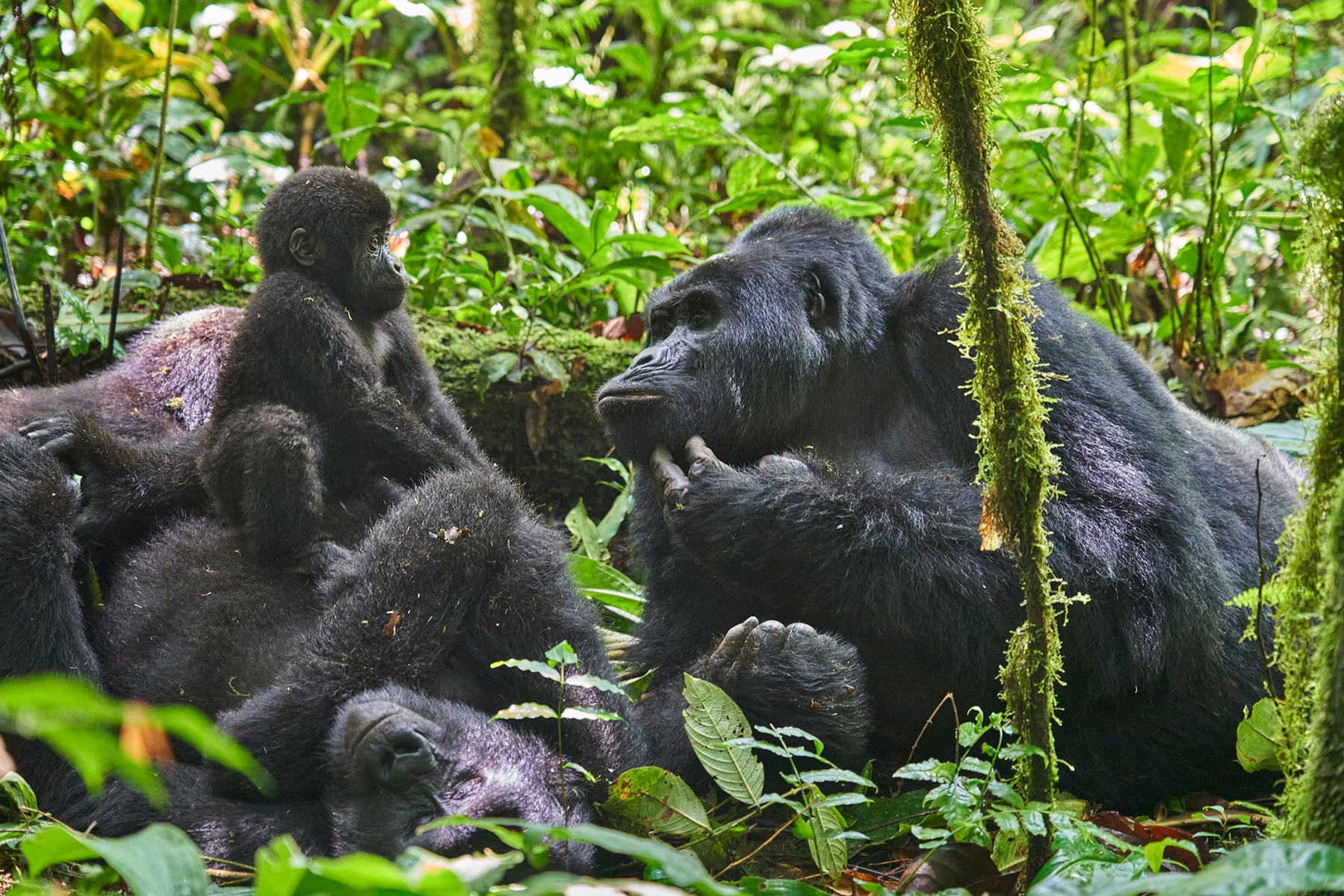
Travel Guide
Discover how to travel responsibly in Uganda. Support local communities, protect wildlife, and minimize your environmental impact with these sustainable travel tips.
Responsible Travel in Uganda means considering how tourism choices affect local communities, wildlife, and the environment. The source emphasizes these three areas directly: supporting communities, protecting wildlife, and minimizing environmental impact. Together, they provide a practical framework for travelers who want their Uganda journey to be enjoyable without ignoring the places and people that make the experience possible.
Responsible tourism does not require travelers to eliminate every environmental impact or avoid comfort entirely.
It requires awareness.
Small decisions about accommodation, wildlife behavior, waste, photography, purchasing, and interactions with communities can influence the overall impact of a trip.
One of the foundations of Responsible Travel in Uganda is supporting local communities.
Tourism creates economic activity through accommodation, guiding, transport, food, crafts, and other services.
Travelers can contribute by using legitimate local businesses and treating the people providing those services with respect.
Purchasing locally produced crafts can be one way to participate in the tourism economy.
Visitors should ask about the origin of products where relevant and value the work involved.
Negotiation may be culturally normal in some settings, but bargaining should not become an attempt to reduce every purchase to the lowest possible price regardless of the maker’s effort.
Guides, drivers, lodge employees, porters, and community tourism participants should be treated as professionals.
Travelers should communicate respectfully and avoid assuming that payment gives them unlimited control over another person’s time or dignity.
Photography is particularly important.
A village, market, or roadside community is not a photographic studio.
Visitors should ask before taking close photographs of people.
Children deserve the same respect.
Travelers should not distribute money or gifts impulsively merely to create photographs or interactions.
Where visitors want to contribute to a community initiative, it is better to use an appropriate and transparent channel.
Responsible tourism aims to support dignity and long-term benefit rather than brief performances for visitors.
Wildlife protection is another central part of the source.
Uganda’s tourism appeal is closely connected with its biodiversity, including primates, savannah wildlife, birds, reptiles, and many other species.
Visitors have a responsibility to follow the rules designed to protect these animals.
During gorilla or chimpanzee activities, current health and viewing requirements should be taken seriously.
Primates should never be touched or fed.
Visitors who become unwell should communicate honestly with the responsible operator or authorities.
A long-planned permit does not justify placing wildlife at unnecessary risk.
Game drives require similar discipline.
Drivers should not be pressured to chase animals, block their movement, or break park regulations for photographs.
A responsible sighting allows wildlife to continue behaving naturally.
Travelers should remain quiet where appropriate and follow guide instructions.
Wildlife products should not be purchased.
Animals should not be fed around lodges, roads, or protected areas.
Even apparently harmless feeding can change natural behavior and create unhealthy relationships between wildlife and people.
Photography should remain respectful.
A perfect image is never more important than an animal’s welfare.
If vegetation blocks a gorilla or an animal walks away from a vehicle, travelers should accept the conditions.
Nature is not a controlled studio.
The source also emphasizes minimizing environmental impact as a key element of Responsible Travel in Uganda.
Waste is one of the most visible areas where travelers can make better decisions.
Plastic bottles, food packaging, tissues, and other rubbish should never be left on trails or thrown from vehicles.
A small reusable bag can help travelers keep waste together until proper disposal is available.
Reusable items can reduce unnecessary single-use waste where practical.
Travelers can carry a reusable water container when safe refill arrangements are available.
However, drinking-water safety should remain a priority.
Water and electricity should also be used thoughtfully at accommodation.
Tourism properties in remote areas may face different resource constraints from urban hotels.
Guests do not need to waste water simply because the room price includes it.
Towels and other services can be used according to actual need.
Travelers should stay on appropriate trails and roads.
Walking into sensitive vegetation for a photograph can cause damage that seems small individually but becomes significant when repeated by many visitors.
Drones should never be used without confirming current rules.
They can create disturbance as well as privacy and regulatory concerns.
Transport is another consideration.
Travelers can design routes that avoid unnecessary backtracking.
A well-planned itinerary can reduce excessive driving while also making the journey more comfortable.
Spending multiple nights in selected destinations rather than moving every day can provide a slower and potentially more meaningful travel experience.
Responsible Travel in Uganda should not be limited to one eco-lodge or one conservation activity.
It can influence the entire journey.
Travelers can ask questions before booking.
How does an accommodation property approach environmental management? How does an operator work with local guides? Are wildlife rules taken seriously? Are itineraries designed realistically rather than encouraging rushed and disruptive behavior?
Visitors should be cautious about sustainability claims that provide no meaningful explanation.
Responsible tourism is demonstrated through practice rather than labels alone.
Travelers can also learn from the people they meet.
Local guides understand destinations in ways that cannot be reproduced by a short online article.
Listening to their explanations can deepen understanding of wildlife, landscapes, communities, and cultural expectations.
Responsible travel also means accepting limits.
A protected area may restrict access.
A guide may say that a wildlife sighting cannot be approached more closely.
A cultural site may prohibit photography.
A community member may decline a photograph.
Respecting these boundaries is part of being a responsible visitor.
The source provides a clear foundation for sustainable tourism: support local communities, protect wildlife, and minimize environmental impact.
These principles are straightforward, but they become meaningful only when travelers apply them consistently.
Uganda offers extraordinary natural and cultural experiences.
Protecting those experiences requires cooperation between communities, tourism businesses, conservation authorities, and visitors.
By making thoughtful purchasing decisions, respecting people, following wildlife regulations, reducing waste, and treating natural resources carefully, travelers can make their journeys more responsible.
The goal of Responsible Travel in Uganda is not perfection.
It is to travel with awareness, respect, and a willingness to make choices that help preserve the landscapes, wildlife, and communities that make Uganda worth visiting.

Nshongi Gorilla Family in Bwindi: History, Location and Trekking Guide The Nshongi Gorilla Family holds an important place…
Read article →
Mishaya Gorilla Family in Bwindi: History, Trekking and What to Know The Mishaya Gorilla Family is one of…
Read article →
Semuliki Hot Springs Visit Guide: What to Expect Semuliki Hot Springs offers one of the most unusual natural…
Read article →
Kidepo Valley Remote Safari Guide: What to Expect Kidepo Valley National Park offers one of Uganda's most remote…
Read article →