

Nshongi Gorilla Family in Bwindi
Nshongi Gorilla Family in Bwindi: History, Location and Trekking Guide The Nshongi Gorilla Family holds an important place…
Read article →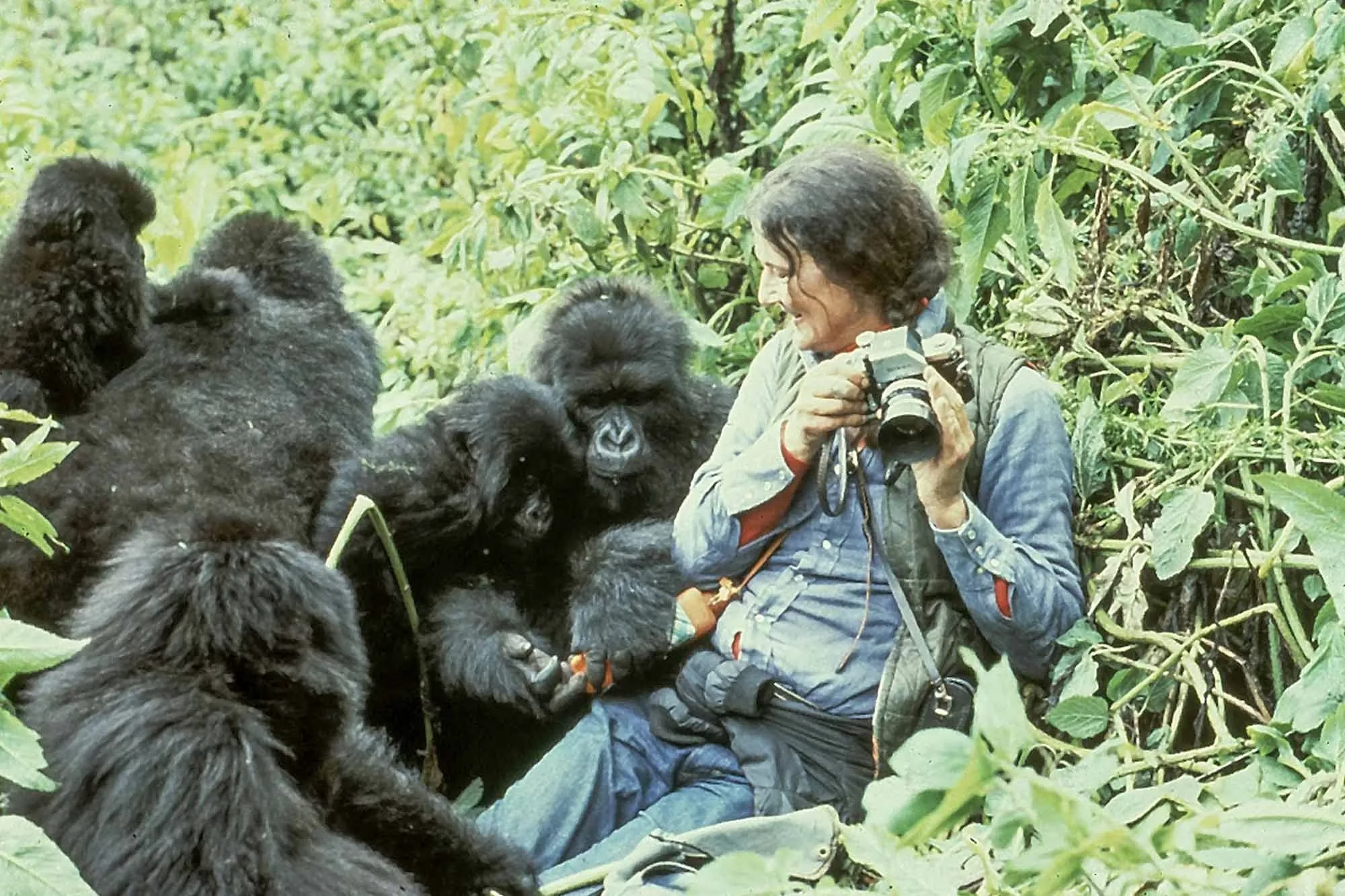
Travel Guide
Taking selfies with gorillas in Uganda or Rwanda can put both tourists and gorillas at risk. Learn why experts discourage this popular trend.
A gorilla selfie warning is important because gorilla trekking is a regulated wildlife experience rather than an opportunity to create close-contact social media photographs. The source highlights the risks that selfies can create for both tourists and gorillas in Uganda or Rwanda.
Mountain gorillas are wild animals. Habituation allows regulated groups of visitors to observe them under professional guidance, but it does not turn gorillas into animals that should be approached for photographs.
Visitors should prioritize conservation rules and guide instructions over obtaining an image. A responsible photograph is one taken without deliberately reducing the required distance, touching wildlife or creating unnecessary disturbance.
Taking a selfie usually requires positioning a camera close to the photographer’s face while trying to include the background.
This can distract visitors from what is happening around them.
In an ordinary tourist attraction, that may simply create an awkward photograph.
Around wild gorillas, losing awareness can be more serious.
Visitors need to pay attention to guide instructions and the movement of the animals.
A photograph should never reduce situational awareness during a wildlife encounter.
Mountain gorillas may appear calm around regulated visitors.
This should not be mistaken for domestication.
They remain powerful wild animals with their own behavior and social relationships.
Visitors should never approach a gorilla because it seems relaxed.
The animal’s tolerance of controlled human presence does not create permission for physical interaction.
Travelers should remain where guides instruct them to stand or sit.
Gorilla trekking regulations include requirements concerning visitor distance.
Travelers should follow the current instructions given during the official briefing.
A selfie can tempt someone to move closer because the gorilla appears too small in the phone’s frame.
This is exactly the kind of behavior visitors should avoid.
The limitations of a camera are not a reason to ignore conservation rules.
A wider photograph showing the gorilla within the forest can be more meaningful.
Human health is an important consideration in great ape tourism.
Visitors should follow all current health procedures associated with gorilla trekking.
Moving unnecessarily close to gorillas undermines the purpose of maintaining regulated separation.
Travelers who feel unwell should communicate honestly with their operator or the responsible authorities.
A permit or expensive holiday should never be treated as more important than responsible wildlife protection.
Selfies can also create risks for visitors.
Someone concentrating on a phone screen may not notice movement nearby.
The forest itself can contain uneven ground, vegetation and other obstacles.
Travelers should remain aware of their surroundings.
If a gorilla changes position, the guide may issue instructions that require immediate attention.
A visitor focused entirely on framing a selfie may respond too slowly.
A selfie often involves turning the camera toward yourself and positioning the subject behind you.
During a wildlife encounter, visitors should follow the guide’s instructions regarding body position and movement.
They should not create their own pose simply because it looks good on social media.
The objective is observation, not staging.
Gorillas are not props.
Their natural behavior should determine the encounter.
Sometimes wildlife may move in a way that changes the distance unexpectedly.
A gorilla approaching does not give the visitor permission to initiate contact or turn the situation into a selfie opportunity.
Remain calm.
Do not reach toward the animal.
Follow the guide’s instructions.
The professional team will manage the situation according to the circumstances.
Visitors should avoid sudden movements made simply to reposition a phone or camera.
Travelers can create excellent photographs without taking selfies.
A dedicated camera or phone can be used from the permitted position.
Visitors should prepare settings before the gorillas are encountered.
A suitable zoom can help where appropriate.
Forest photographs do not need to show the animal filling the entire frame.
Images including vegetation can communicate the natural habitat and create a stronger sense of place.
Gorilla trekking is a rare wildlife experience.
Visitors who spend every moment looking at a phone may miss subtle behavior.
Watching directly allows travelers to notice movement, feeding and interactions within the group.
Photography should support the memory rather than replace it.
Taking a few carefully composed images and then observing the animals can create a more meaningful experience than attempting constant photographs.
Social media can encourage travelers to produce increasingly dramatic photographs.
Images that appear extremely close to wildlife may attract attention online.
This does not make the behavior responsible.
Visitors should resist pressure to recreate photographs without understanding how they were produced.
A responsible traveler should be comfortable posting an image that demonstrates respect for wildlife regulations.
Conservation should matter more than online engagement.
Visitors should listen carefully during the official briefing.
Rules explained by guides and responsible authorities take priority over advice from social media, old blogs or previous travelers.
Conditions and procedures can change.
If a guide tells visitors to reposition, lower a camera or stop a particular behavior, the instruction should be followed immediately.
The guide is responsible for managing the encounter.
The source specifically references gorilla encounters in Uganda and Rwanda.
Both destinations offer regulated mountain gorilla tourism.
Travelers should follow the rules applicable to the country and activity they have booked.
Visitors should not assume that an experience in one destination allows them to ignore instructions in another.
The official briefing for the actual trek provides the relevant guidance.
One visitor’s actions can affect everyone in the trekking group.
Moving closer for a selfie may interfere with other people’s viewing position and create unnecessary disturbance.
Travelers should remain considerate.
Photography should not block guides or other trekkers.
Noise should remain controlled.
Groups should move according to instructions rather than according to individual photography ambitions.
The central principle behind the gorilla selfie warning is simple: wildlife conservation comes before content creation.
The gorillas are not present for visitors to produce social media material.
Tourism is permitted under controlled conditions because it can be managed alongside conservation objectives.
Travelers have a responsibility to respect that system.
Ignoring regulations for a photograph undermines the principles that make responsible gorilla tourism possible.
Prepare equipment in advance.
Listen to the guide.
Remain in the permitted position.
Avoid flash where prohibited.
Do not deliberately move closer.
Keep noise under control.
Never touch the animals.
If the gorillas move, wait for instructions rather than repositioning independently.
These principles produce a safer and more respectful encounter.
They also allow photographers to concentrate on genuine behavior rather than manufactured poses.
The gorilla selfie warning is not intended to prevent visitors from documenting an extraordinary experience.
It is a reminder that the photograph must be created within conservation and safety rules.
Trying to fit yourself and a gorilla into the same close frame can encourage poor positioning, reduced awareness and unnecessary proximity.
Visitors should instead photograph the gorillas from the permitted location and appreciate them within their forest environment.
When wildlife moves unexpectedly, remain calm and follow the guide.
A responsible gorilla photograph does not need to show physical closeness. The strongest image is one that preserves the integrity of the encounter while demonstrating respect for the wild animal being photographed.

Nshongi Gorilla Family in Bwindi: History, Location and Trekking Guide The Nshongi Gorilla Family holds an important place…
Read article →
Mishaya Gorilla Family in Bwindi: History, Trekking and What to Know The Mishaya Gorilla Family is one of…
Read article →
Semuliki Hot Springs Visit Guide: What to Expect Semuliki Hot Springs offers one of the most unusual natural…
Read article →
Kidepo Valley Remote Safari Guide: What to Expect Kidepo Valley National Park offers one of Uganda's most remote…
Read article →