

Nshongi Gorilla Family in Bwindi
Nshongi Gorilla Family in Bwindi: History, Location and Trekking Guide The Nshongi Gorilla Family holds an important place…
Read article →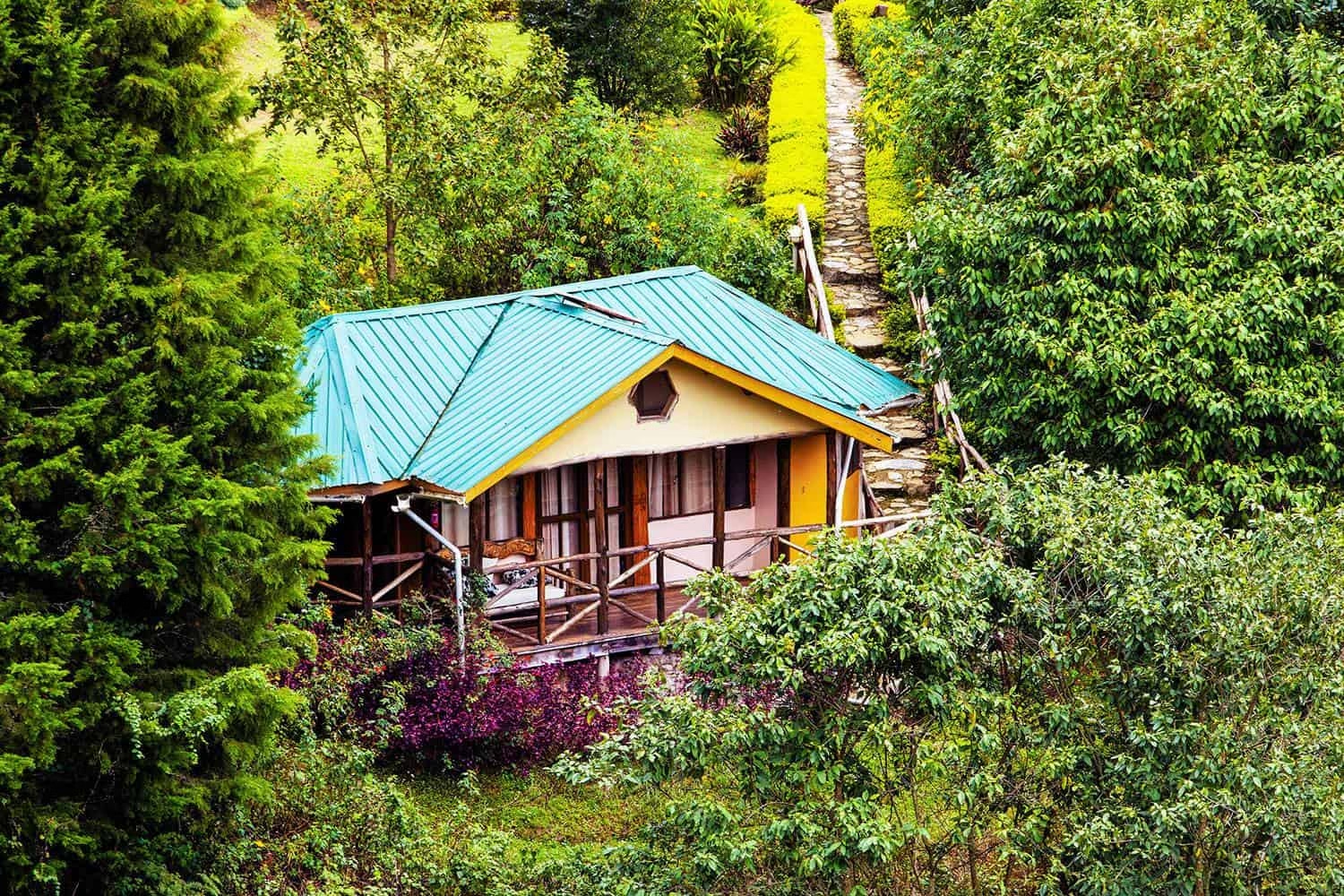
Travel Guide
Discover Gorilla Safari Lodge in Bwindi Impenetrable Forest, Uganda. Explore its location, amenities, and why it’s the ideal base for gorilla trekking adventures.
Gorilla Safari Lodge—The Perfect Stay for Your Bwindi Gorilla Trek introduces travelers to accommodation designed around one of Uganda’s most sought-after wildlife experiences. A lodge around Bwindi is more than a place to sleep because location can directly influence the logistics of the trekking morning.
Bwindi Impenetrable National Park has several gorilla trekking sectors.
Travelers should therefore confirm that their chosen accommodation is practical for the sector shown on their permit.
This is one of the most important aspects of planning any Bwindi stay.
A comfortable lodge can provide meals, rest and a convenient base, but even an excellent property becomes inconvenient if it is booked far from the correct gorilla briefing point.
Bwindi lies within the highlands of southwestern Uganda.
The region’s steep hills and winding roads mean distances can take longer than they appear on a map.
Accommodation planning should therefore begin with the gorilla permit allocation.
Once the trekking sector is known, travelers can select a lodge that works with the itinerary.
This sequence avoids unnecessary transfers.
The primary reason many travelers choose Gorilla Safari Lodge—The Perfect Stay for Your Bwindi Gorilla Trek is access to the wider gorilla tourism region.
A trekking day starts early.
Visitors need time for breakfast, final preparation and transfer to the appropriate briefing location.
Staying in a practical location reduces stress and allows travelers to arrive prepared rather than beginning the morning with a lengthy drive.
Bwindi includes tourism sectors such as Buhoma, Ruhija, Rushaga and Nkuringo.
Permits are linked to trekking arrangements within these areas.
Travelers should never assume that every property described as a “Bwindi lodge” is equally convenient for every permit.
Before paying for accommodation, confirm the exact sector and transfer time.
This simple check can prevent one of the most common logistical mistakes in gorilla-safari planning.
Gorilla trekking can be physically demanding.
Visitors may spend several hours hiking through steep, wet or densely vegetated terrain.
Returning to comfortable accommodation afterward is therefore valuable.
A hot shower, substantial meal and quiet evening can feel particularly rewarding after the trek.
Comfort should be considered in relation to the overall safari budget rather than simply as luxury for its own sake.
Safari travelers generally value privacy and quiet surroundings.
When evaluating a lodge, ask about room configuration, bathroom facilities and views.
Couples may prioritize privacy, while families may need rooms that work safely for children.
Solo travelers should check whether single supplements apply.
Exact room features can change, so current details should be confirmed directly when booking.
Meals are an important component of a Bwindi stay because restaurants outside the lodge may not be convenient.
Travelers should confirm the meal plan included in their booking.
Early breakfast arrangements are particularly important on trekking morning.
Packed meals may be provided depending on the day’s activity and lodge arrangements.
Dietary requirements should be communicated in advance.
The evening before trekking is the right time to organize equipment.
Lay out hiking boots, long trousers and long sleeves.
Prepare rain protection.
Charge camera batteries and phones.
Place essential items in a small backpack.
Keep passport documentation accessible if required for permit verification.
Good preparation makes the early morning much easier.
Porters can normally be arranged around the trekking activity.
Using one is highly recommended for many visitors.
A porter carries the backpack and can assist on difficult sections.
This becomes particularly useful if the trek is long or trails are muddy.
Porter work also creates direct local income linked with gorilla tourism.
Uganda’s standard gorilla trekking permit costs USD 800 per person.
Permits are limited and should be reserved well in advance, particularly for popular travel periods.
Four to six months ahead is a sensible planning window during peak periods.
The permit should be secured before treating accommodation as final because the trekking allocation determines where travelers need to be.
Standard gorilla trekking allows a maximum of eight visitors around a habituated gorilla family.
This keeps encounters controlled.
After trackers and guides locate the gorillas, visitors generally spend approximately one hour observing them.
The trek before reaching the family can vary considerably in duration.
The minimum age for standard gorilla trekking is 15.
Families should take this into account before choosing a lodge and building the itinerary.
If younger children are traveling, appropriate alternative activities or supervision need to be arranged during the trek.
These plans should be discussed in advance.
Strong hiking boots with good grip are essential.
Long trousers and long sleeves protect against vegetation.
A waterproof jacket should remain accessible.
Gardening-style gloves can help when hikers need to steady themselves around plants or muddy sections.
Clothing should prioritize comfort and protection rather than appearance.
Bwindi is a rainforest environment.
Rain can occur throughout the year.
Morning temperatures may feel cool, particularly before hiking begins.
Layering allows travelers to adjust as they become warmer during the trek.
Accommodation staff can often provide useful information about recent trail conditions, but nobody can guarantee dry weather.
Forest photography can be challenging because light levels may be low.
Flash is not allowed around gorillas.
Travelers should understand their camera settings before entering the forest.
A rain cover or waterproof bag is useful.
Carrying too much equipment can become exhausting, so photographers should balance gear options with the physical demands of hiking.
Avoid scheduling too many demanding activities immediately after gorilla trekking.
The trek may be short, but it may also take several hours.
A relaxed afternoon at the lodge provides flexibility.
Travelers can enjoy a meal, rest and review photographs without feeling pressured to rush into another activity.
Where organized community activities are available, travelers can use additional time to learn about life around Bwindi.
Community tourism can create income beyond the national park.
Visits should remain respectful and should be organized through legitimate local programs.
Ask before photographing people and allow hosts to explain their own traditions.
Bwindi can form part of a wider Uganda safari.
Queen Elizabeth National Park can add savannah wildlife and boat experiences, while Kibale is known for chimpanzee tracking.
Mgahinga provides another mountain environment.
Travel times should be calculated realistically.
Uganda itineraries are more enjoyable when each destination receives enough time.
Travelers increasingly consider how accommodation interacts with the environment and community.
Useful questions include how a lodge handles waste, water and energy, whether it employs locally and how it sources food.
Sustainability should involve practical operations rather than marketing language alone.
A responsible lodge can strengthen the positive impact of gorilla tourism.
The value of Gorilla Safari Lodge—The Perfect Stay for Your Bwindi Gorilla Trek should ultimately be assessed in relation to the complete safari.
Location is critical, but comfort, service, meal arrangements and the surrounding environment also influence the stay.
The best lodge is not automatically the most expensive property.
It is the one that matches the permit sector, travel style and budget while allowing the visitor to approach trekking day rested and prepared.
When accommodation and gorilla logistics are coordinated correctly, the lodge becomes part of the experience rather than simply a bed between safari activities.

Nshongi Gorilla Family in Bwindi: History, Location and Trekking Guide The Nshongi Gorilla Family holds an important place…
Read article →
Mishaya Gorilla Family in Bwindi: History, Trekking and What to Know The Mishaya Gorilla Family is one of…
Read article →
Semuliki Hot Springs Visit Guide: What to Expect Semuliki Hot Springs offers one of the most unusual natural…
Read article →
Kidepo Valley Remote Safari Guide: What to Expect Kidepo Valley National Park offers one of Uganda's most remote…
Read article →