
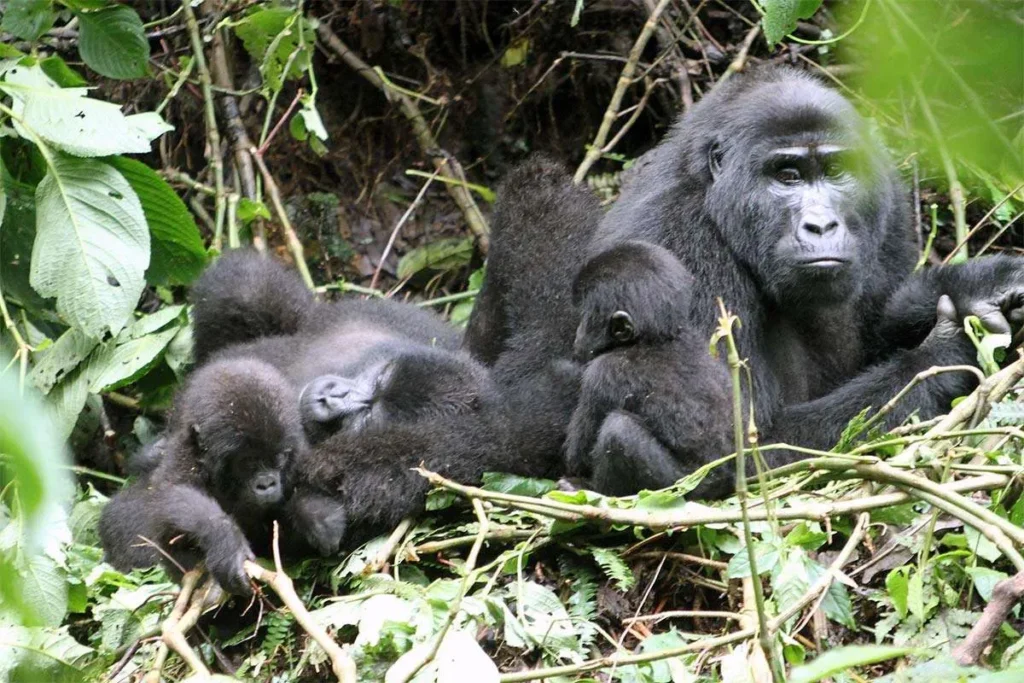
Nshongi Gorilla Family in Bwindi
Nshongi Gorilla Family in Bwindi: History, Location and Trekking Guide The Nshongi Gorilla Family holds an important place…
Read article →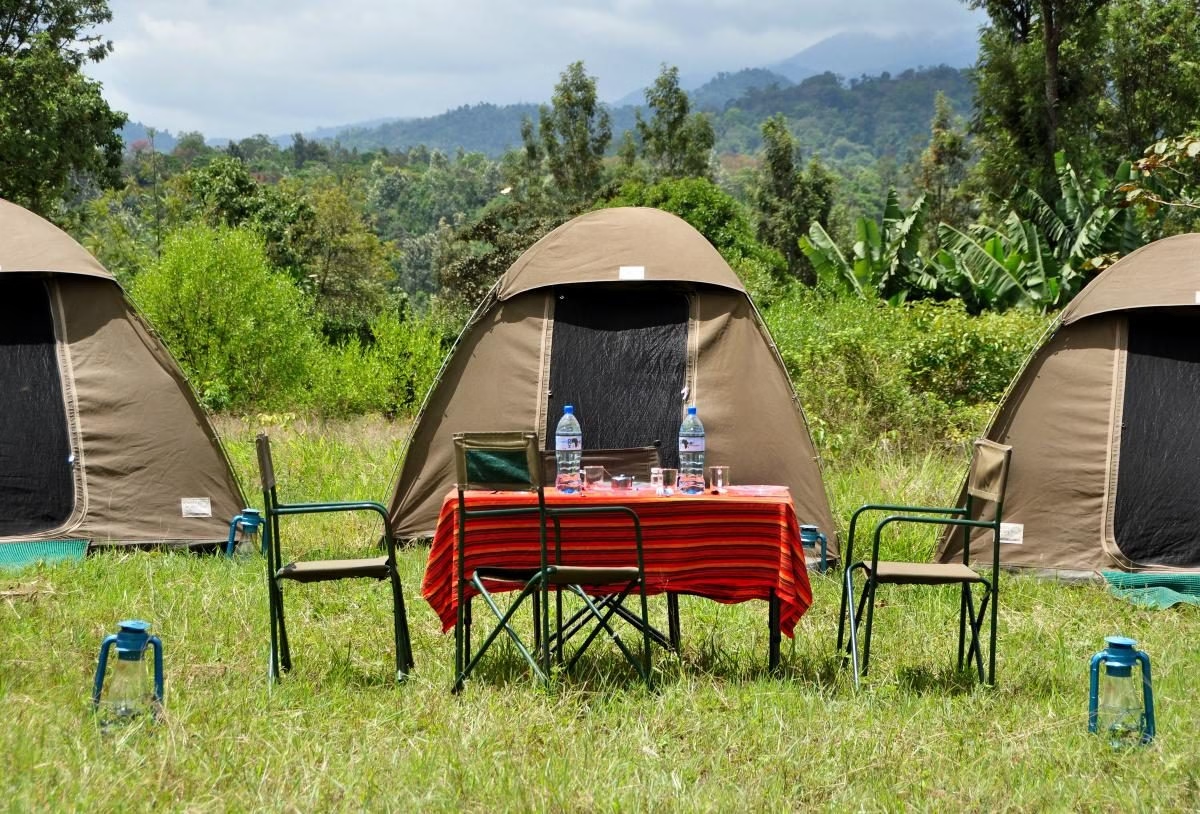
Travel Guide
Safari Camping FAQs. Safari camping blends the thrill of the wild with the simplicity of outdoor living. Whether you're planning a self-drive adventure or joining a guided mobile camp, it’s natural to have questions. Here are…
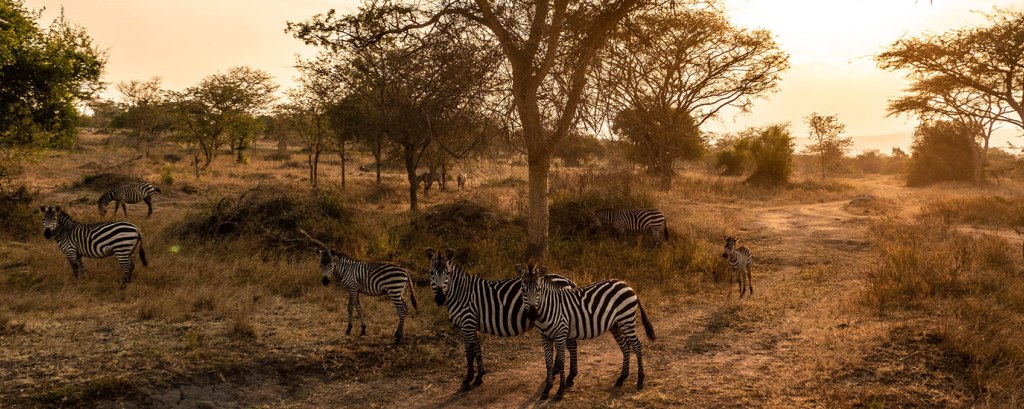
Safari camping involves sleeping in or near wildlife areas, often inside tents. It ranges from basic dome tents with sleeping bags to luxury en-suite tents with real beds, private bathrooms, and gourmet dining. Some setups are permanent lodges, while others are mobile camps that move with the animals, especially during migrations.
Yes, camping is safe when rules are followed. Campsites are chosen for security and are often inside national parks or conservancies. Trained guides and staff monitor the area. Campers are advised not to wander at night, avoid loud noises, and keep tents zipped at all times.
Wild animals may roam near camps, but they rarely pose a threat unless provoked. Listening to your guide is key to staying safe.
They can. Lions may roar nearby, hyenas may laugh in the distance, and elephants might pass through. But this is part of the excitement. Most animals avoid human contact unless they feel threatened. Guides set up camps away from dense activity zones and remain alert throughout the night.
This depends on the type of camp. In basic camping, you sleep on a foam mattress or camping pad. Mid-range tented camps, you may get a cot or stretcher bed. In luxury camps, expect full-sized beds with linens, duvets, and nightstands.
Yes, but it varies:
On guided camping safaris, meals are cooked by camp chefs and served at communal dining tents or tables. Expect freshly prepared dishes, including stews, grilled meats, vegetables, fruits, and hot drinks. Self-drive campers need to bring and prepare their own food or use shared facilities in public campsites.
Avoid bright clothes and heavy perfumes as they attract insects or spook animals.
In luxury and mid-range camps, solar power or generators may be available for limited charging. In budget or remote bush camps, charging may not be possible. Always bring a power bank or solar charger just in case.
Yes, but age limits vary. Some camps and tour operators set a minimum age, often around 6–12 years, due to safety and comfort. For families, private safaris with kid-friendly guides are ideal.
Pros:
Cons:
Safari camping offers raw beauty, adventure, and intimacy with nature. Whether you prefer basic tents or stylish glamping, the experience is like no other. With the right preparation and guidance, it becomes an unforgettable way to explore Africa’s wild heart.
Still Have Questions?
Talk to a safari specialist
Nshongi Gorilla Family in Bwindi: History, Location and Trekking Guide The Nshongi Gorilla Family holds an important place…
Read article →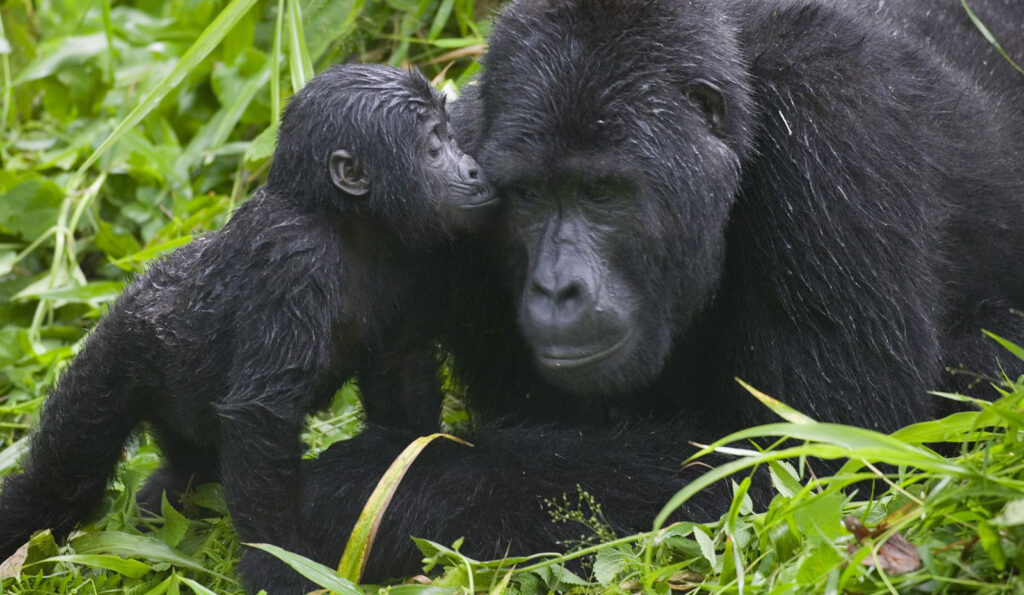
Mishaya Gorilla Family in Bwindi: History, Trekking and What to Know The Mishaya Gorilla Family is one of…
Read article →
Semuliki Hot Springs Visit Guide: What to Expect Semuliki Hot Springs offers one of the most unusual natural…
Read article →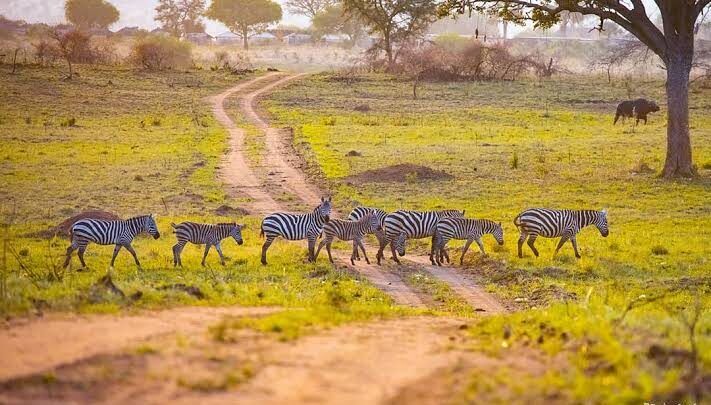
Kidepo Valley Remote Safari Guide: What to Expect Kidepo Valley National Park offers one of Uganda's most remote…
Read article →