

Nshongi Gorilla Family in Bwindi
Nshongi Gorilla Family in Bwindi: History, Location and Trekking Guide The Nshongi Gorilla Family holds an important place…
Read article →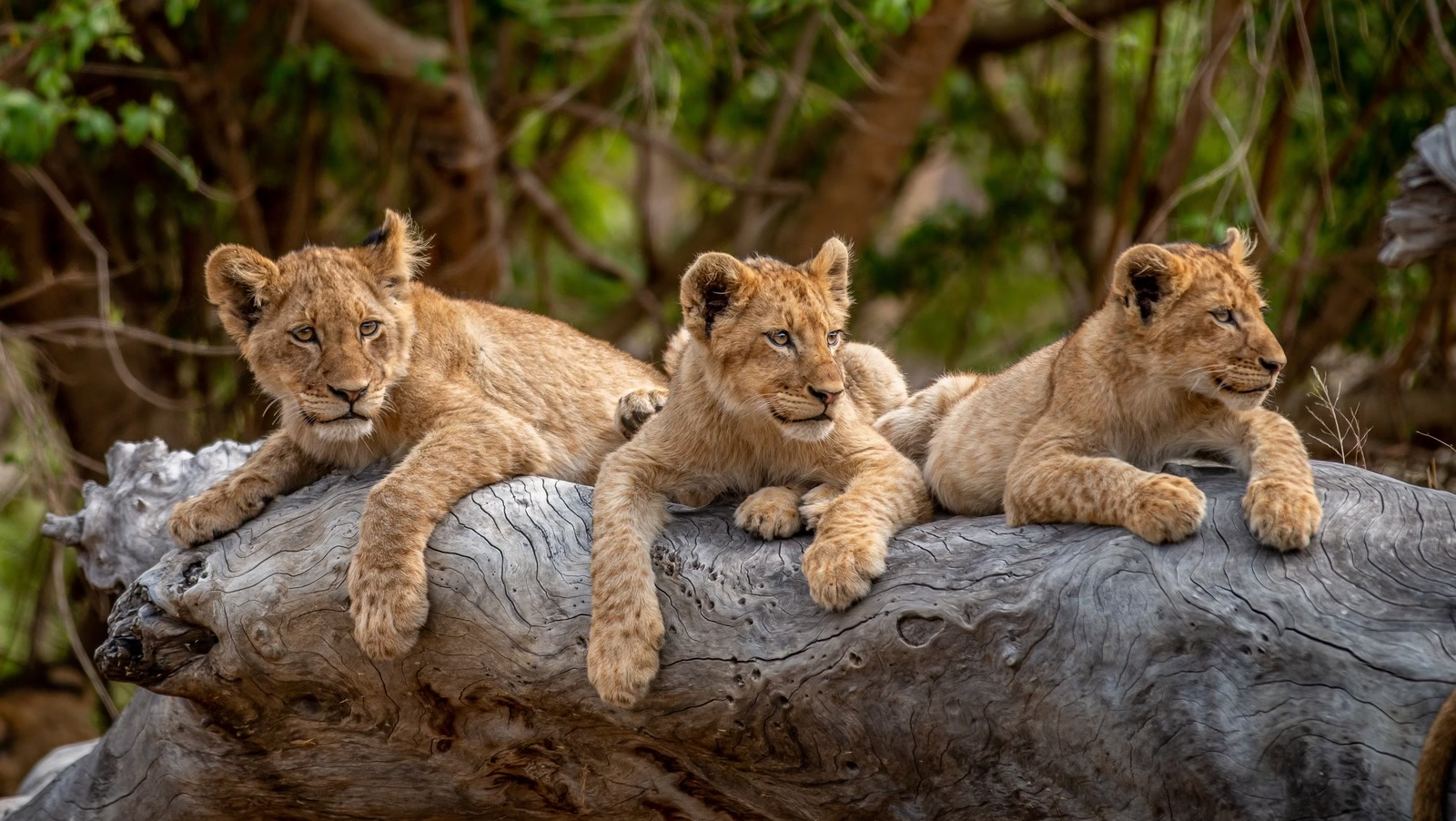
Travel Guide
Learn why East Africa attracts travelers worldwide with its safaris, gorilla trekking, landscapes, cultures, and adventure activities.
The many reasons to visit East Africa extend well beyond a conventional wildlife safari. The region brings together savannahs filled with large mammals, mountain gorilla habitats, volcanic and mountain landscapes, lakes, tropical coastlines, culturally significant towns, birdlife, and adventure activities.
The supplied source highlights Kenya, Tanzania, Uganda, and Rwanda among the countries associated with major safari experiences, while also referring to cultural destinations farther across the wider East African region.
What makes travel here particularly interesting is the ability to combine contrasting experiences. A visitor may spend several days watching wildlife on open grasslands before entering a rainforest for gorilla trekking. Another itinerary can connect a safari with mountain climbing or finish beside the Indian Ocean.
These contrasts are central to East Africa’s appeal.
Wildlife is one of the strongest reasons to visit East Africa identified by the supplied source.
The region contains internationally known parks and reserves such as the Serengeti, Maasai Mara, Bwindi Impenetrable Forest, and Ngorongoro Crater.
Each environment provides a different wildlife experience.
Serengeti and Maasai Mara are strongly associated with expansive grasslands and large concentrations of mammals. Bwindi provides a dense forest environment centered on mountain gorilla trekking. Ngorongoro introduces a distinctive crater landscape with wildlife concentrated within a dramatic geological setting.
A multi-destination safari can therefore remain varied even when wildlife is the central theme.
The supplied source highlights the Great Migration as one of the major wildlife spectacles drawing visitors to East Africa.
Large numbers of wildebeest, accompanied by zebras and other animals, move through the Serengeti-Mara ecosystem in search of grazing and water.
The attraction is not simply the number of animals.
The migration demonstrates how rainfall, grass, predators, and movement are connected across a vast ecosystem.
Travelers planning specifically around migration activity need to understand that wildlife movement is natural rather than scheduled like an event.
The broader ecosystem remains valuable even when a particular herd is not exactly where a visitor hoped to find it.
The source also refers to the iconic Big Five and the wider variety of wildlife found across East African parks.
Lions, leopards, elephants, buffaloes, and other animals contribute to classic safari experiences.
However, the quality of a game drive should not depend solely on checking famous species from a list.
Watching elephants interact, observing antelope become alert, following a predator’s movement, or spending time with giraffes can be equally rewarding.
The strongest safaris allow enough time to understand animal behavior rather than moving immediately after identifying a species.
Mountain gorilla trekking provides a very different reason to visit the region.
The supplied source identifies Bwindi Impenetrable Forest in Uganda as one of East Africa’s major gorilla destinations.
Visitors enter the forest with guides and trackers to search for a habituated gorilla family.
Unlike a savannah safari, the experience happens on foot.
The forest terrain, vegetation, sounds, and anticipation become part of the encounter.
When the gorillas are located, travelers can observe social relationships within the family rather than simply viewing an individual animal.
The source also highlights Volcanoes National Park in Rwanda.
This creates opportunities to incorporate gorilla trekking into a Rwanda itinerary or a wider journey connecting several East African countries.
The volcanic landscape gives the destination a distinctive character.
For many travelers, gorilla trekking becomes the emotional centerpiece of the safari because of the physical journey required to reach the animals and the close observation of their social behavior.
The experience also connects tourism with conservation and protected forest landscapes.
Another major reason people travel to East Africa is the region’s remarkable landscape diversity.
The supplied source moves from vast savannahs to mountains, rainforests, lakes, and Indian Ocean coastlines.
This variety means an itinerary can change dramatically over relatively short periods.
A traveler can wake beside an open grassland, later continue toward a highland region, and eventually finish at the coast.
The scenery is therefore not simply background for wildlife.
In many destinations, the landscape itself becomes the primary attraction.
The source identifies Mount Kilimanjaro as Africa’s highest peak and one of East Africa’s defining natural landmarks.
For climbers, the mountain can be the central reason for visiting Tanzania.
For other travelers, views of Kilimanjaro contribute to the wider landscape experience.
A mountain journey differs significantly from safari because the challenge is based on walking, altitude, changing environments, and personal endurance.
Combining a climb with a safari creates two distinct travel experiences within one regional itinerary.
The Great Rift Valley is another landscape highlighted by the supplied source.
Its lakes, escarpments, and varied environments contribute to the geography of East Africa.
Travelers may encounter Rift Valley landscapes while moving between wildlife destinations.
The journey between attractions can therefore become scenic in its own right.
Rather than viewing transfers as empty time, visitors can observe how elevation, vegetation, settlement, and landforms change along the route.
The source also identifies Lake Victoria among the region’s major natural features.
Large lakes influence landscapes, communities, transport, birdlife, and tourism.
Lake environments create a contrast with dry savannahs and mountain areas.
For travelers building a varied East African journey, spending time beside water can slow the pace after active safari days.
It also introduces another ecosystem and another relationship between people and landscape.
East Africa’s Indian Ocean coast adds an entirely different dimension.
The supplied source highlights coastal environments and later connects adventure travel with scuba diving around Zanzibar and Kenya’s coast.
This allows visitors to finish an inland wildlife journey with beach and marine experiences.
A safari-and-coast combination works because the two environments are so different.
Game drives focus on terrestrial wildlife, while the coast introduces coral environments, swimming, diving, historic settlements, and a slower rhythm.
Culture is another important reason to visit East Africa.
The supplied source mentions Maasai ceremonies, Lamu, Stone Town, and communities in Ethiopia’s Omo Valley as examples of the region’s cultural variety.
These experiences demonstrate that East Africa cannot be understood only through national parks.
Cities, villages, historical settlements, food, music, clothing, architecture, and oral traditions are equally important parts of the region.
Cultural tourism is most meaningful when communities are treated as contemporary societies rather than as attractions frozen in the past.
The Maasai are among the communities most frequently associated with safari regions in Kenya and Tanzania.
The source highlights Maasai ceremonies as one form of cultural experience.
Travelers should approach such encounters respectfully and seek experiences that allow community members to explain their own traditions.
A good cultural visit provides context about everyday life, history, social organization, and changing modern realities.
This adds depth to a safari that might otherwise focus exclusively on wildlife.
The supplied source also identifies Lamu and Stone Town as examples of historic Swahili coastal environments.
These destinations introduce architecture, trading history, narrow streets, and cultural influences shaped by centuries of Indian Ocean connections.
They provide a very different atmosphere from inland safari destinations.
Adding time in a historic coastal town can therefore transform a wildlife holiday into a broader journey through East African history and culture.
East Africa also appeals to travelers seeking physical adventure.
The source highlights white-water rafting on the Nile, hot-air balloon safaris, mountain climbing, hiking, and scuba diving.
These activities can be integrated around wildlife experiences.
A traveler might trek gorillas, raft in Uganda, climb in Tanzania, or dive after reaching the coast.
This flexibility allows itineraries to be designed around personal interests rather than following one standard safari format.
A balloon safari provides a different perspective on open landscapes.
Instead of following tracks by vehicle, travelers view the terrain from above.
The experience can reveal patterns that are difficult to appreciate at ground level, including rivers, vegetation, animal movement, and the enormous scale of the plains.
It complements rather than replaces a game drive.
Ground-level wildlife viewing provides behavioral detail, while an aerial perspective emphasizes landscape.
The supplied source describes East Africa as a birdwatching destination with hundreds of species, including rare and endemic birds.
It highlights Lakes Nakuru, Bogoria, and Naivasha while also noting the importance of forest habitats.
Birdwatching works particularly well alongside other safari activities because birds occupy almost every environment.
A traveler searching for lions may also encounter raptors, while a gorilla trek can reveal forest species.
Coastal and wetland journeys introduce still more diversity.
The source specifically connects some Rift Valley lakes with flamingo gatherings.
These birds can transform a lakeshore through their numbers and coloration.
Wildlife concentrations depend on environmental conditions, so visitors should avoid assuming that every historical spectacle occurs identically throughout the year.
The wider attraction lies in exploring lake ecosystems and observing whatever wildlife conditions support at the time of travel.
The supplied source also identifies warm hospitality and personal connections as reasons travelers remember East Africa.
A safari involves many people: guides, trackers, lodge staff, drivers, community hosts, boat crews, and others.
These interactions often become part of the travel memory.
A guide’s storytelling or a conversation during a community visit can provide context that no landscape photograph can communicate.
Travel therefore becomes both an environmental and human experience.
One of East Africa’s greatest strengths is the possibility of combining several travel styles.
A single itinerary can include safari, gorilla trekking, cultural visits, mountain scenery, adventure activities, and beach relaxation.
This is particularly useful for couples or groups whose members have different interests.
Not every day has to involve the same activity.
Careful planning can create a journey that changes pace and environment while remaining geographically connected.
The strongest reasons to visit East Africa come from its diversity.
The region offers classic wildlife safaris, the Great Migration, mountain gorilla trekking, extraordinary landscapes, cultural heritage, adventure activities, birdwatching, and Indian Ocean experiences.
Visitors can explore the Serengeti and Maasai Mara, enter the forests of Uganda and Rwanda, see major mountains and Rift Valley landscapes, learn about regional cultures, and eventually relax or dive along the coast.
Rather than providing one defining attraction, East Africa offers a collection of experiences that can be combined according to the traveler’s interests.
That ability to move between wildlife, landscape, culture, adventure, and relaxation is what makes a carefully designed East African journey so varied.

Nshongi Gorilla Family in Bwindi: History, Location and Trekking Guide The Nshongi Gorilla Family holds an important place…
Read article →
Mishaya Gorilla Family in Bwindi: History, Trekking and What to Know The Mishaya Gorilla Family is one of…
Read article →
Semuliki Hot Springs Visit Guide: What to Expect Semuliki Hot Springs offers one of the most unusual natural…
Read article →
Kidepo Valley Remote Safari Guide: What to Expect Kidepo Valley National Park offers one of Uganda's most remote…
Read article →