

Nshongi Gorilla Family in Bwindi
Nshongi Gorilla Family in Bwindi: History, Location and Trekking Guide The Nshongi Gorilla Family holds an important place…
Read article →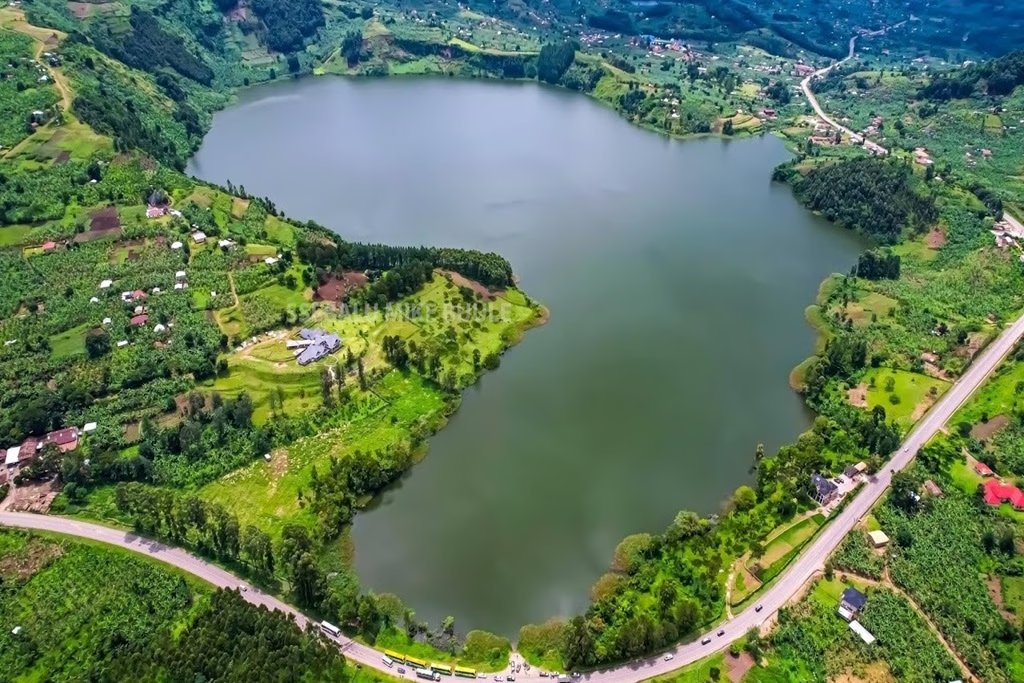
Travel Guide
Explore the scenic crater lakes in Uganda. Discover their natural beauty, wildlife, and cultural significance in this unique East African landscape.
The crater lakes Uganda landscape introduces travelers to a quieter side of the country, where water-filled depressions, green hills, wildlife, and local communities combine to create distinctive scenery. The source emphasizes three major qualities of these lakes: natural beauty, wildlife, and cultural significance. Together, these features make crater-lake areas worth considering for travelers who want to experience more than Uganda’s better-known national parks and primate destinations.
A crater lake experience is often less about rushing from one major attraction to another and more about appreciating the landscape as a whole. Water, hills, vegetation, farmland, birds, and settlements can all form part of the view. This makes the experience particularly suitable for travelers who enjoy photography, walking, nature, and slower journeys.
Visitors should remember that individual lakes and surrounding communities can differ. Access, activities, accommodation, and local conditions should therefore be confirmed for the particular crater-lake area included in an itinerary.
The strongest attraction described in the source is scenery. Crater lakes Uganda can provide striking combinations of water and elevated landscapes, creating viewpoints that are very different from Uganda’s open savannah parks.
Travelers may appreciate the area most when they have enough time to stop and observe rather than simply viewing the lakes through a vehicle window. Depending on the specific location and current access arrangements, walking can offer a more intimate perspective.
Photography is particularly rewarding in landscapes where elevation creates broad views. A wide lens or ordinary phone camera can capture the relationship between the lake and surrounding hills. Changing light can transform the appearance of water and vegetation, so visitors should not assume that one quick photograph represents the entire scene.
Weather can also affect the experience. Cloud, mist, or rain may reduce distant visibility, yet these conditions can create a different atmosphere. Travelers should carry appropriate rain protection and wear footwear suitable for the terrain when walking.
The source also highlights wildlife. Visitors should not expect every crater lake to function like a major national park, but natural landscapes can support birds and other wildlife. Birdwatchers may find the quieter environment especially appealing because it encourages careful observation.
Binoculars are useful for travelers interested in birds. A local guide can add value by helping visitors identify species and explaining how wildlife uses the surrounding habitat.
The vegetation itself is part of the attraction. Rather than focusing only on the water, visitors should look at the broader ecosystem and how the surrounding landscape changes between different areas.
The source specifically identifies cultural significance as part of the crater-lake experience.
This is important because these landscapes do not exist separately from the people who live around them. Communities may use surrounding land and water in ways connected with daily life, livelihoods, local stories, or traditions.
Travelers should therefore avoid treating every viewpoint as an empty wilderness created exclusively for tourism.
A local guide can help explain the relationship between communities and the landscape. This context can transform a scenic stop into a more meaningful cultural experience.
Visitors should ask before photographing people closely. Someone working near a lake or walking through a village is not automatically a tourism subject simply because the scenery is attractive.
Respectful cultural tourism allows residents to maintain control over how they are represented.
Travelers should also follow local guidance regarding access. Land surrounding a crater lake may have different ownership or use arrangements, and visitors should not assume that every trail or viewpoint is open simply because it appears accessible.
Where entrance arrangements, guiding, or community services exist, these should be used appropriately.
Cultural significance can also be expressed through stories. Oral traditions often connect landscapes with community memory. Visitors should listen without immediately trying to force every story into a scientific or historical interpretation.
Natural formation and cultural meaning can coexist. A lake can be understood geologically while also holding significance within local traditions.
The crater lakes Uganda experience can provide useful contrast within a broader itinerary.
A Uganda safari may include gorilla trekking, chimpanzee tracking, game drives, boat activities, or city experiences. Crater lakes can introduce a slower scenic element between these more structured activities.
This can be especially valuable after physically demanding trekking.
Instead of immediately beginning another long drive or wildlife activity, travelers can spend time enjoying viewpoints, walking where appropriate, and photographing the landscape.
Couples may appreciate the relaxed pace. Photographers can benefit from the varied scenery. Families can use the visit as an opportunity to introduce children to landscape formation, wildlife, and local culture without requiring an intensive activity.
The exact itinerary should remain realistic. Travelers should not add a crater lake merely to increase the number of attractions visited. If reaching a particular lake requires substantial additional driving, the value should be weighed against having more time elsewhere.
Accommodation can also influence the experience. Staying within or near a scenic region may allow visitors to appreciate early and later light rather than arriving only during the middle of the day.
Current accommodation options should be confirmed for the actual travel dates.
Visitors should pack according to the planned activities. Comfortable footwear, sun protection, rain protection, water, and a camera are practical considerations. A small day bag is generally more convenient than carrying unnecessary luggage during a walk.
Environmental responsibility matters as well. Travelers should not leave plastic or other waste near the lakes. Vegetation should not be damaged for photographs, and wildlife should not be disturbed.
Swimming or other water activities should never be assumed to be appropriate at every crater lake. Travelers should obtain reliable local guidance before entering unfamiliar water.
The same principle applies to walking routes. A path that appears easy from a viewpoint may become steep or slippery. Local knowledge can help visitors select an appropriate experience.
The crater lakes Uganda landscape offers a combination of natural beauty, wildlife, and cultural significance exactly as emphasized in the source. Its appeal lies in the relationship between these elements rather than in one single headline attraction.
Travelers who slow down can appreciate the shape of the landscape, watch birds, photograph changing views, and learn how communities relate to the environment around them.
As part of a longer Uganda journey, crater lakes can provide a valuable change of pace. They remind visitors that the country’s tourism experience extends beyond famous wildlife encounters to include water, highlands, community landscapes, and quiet places where simply taking time to observe can become the highlight.

Nshongi Gorilla Family in Bwindi: History, Location and Trekking Guide The Nshongi Gorilla Family holds an important place…
Read article →
Mishaya Gorilla Family in Bwindi: History, Trekking and What to Know The Mishaya Gorilla Family is one of…
Read article →
Semuliki Hot Springs Visit Guide: What to Expect Semuliki Hot Springs offers one of the most unusual natural…
Read article →
Kidepo Valley Remote Safari Guide: What to Expect Kidepo Valley National Park offers one of Uganda's most remote…
Read article →