

Nshongi Gorilla Family in Bwindi
Nshongi Gorilla Family in Bwindi: History, Location and Trekking Guide The Nshongi Gorilla Family holds an important place…
Read article →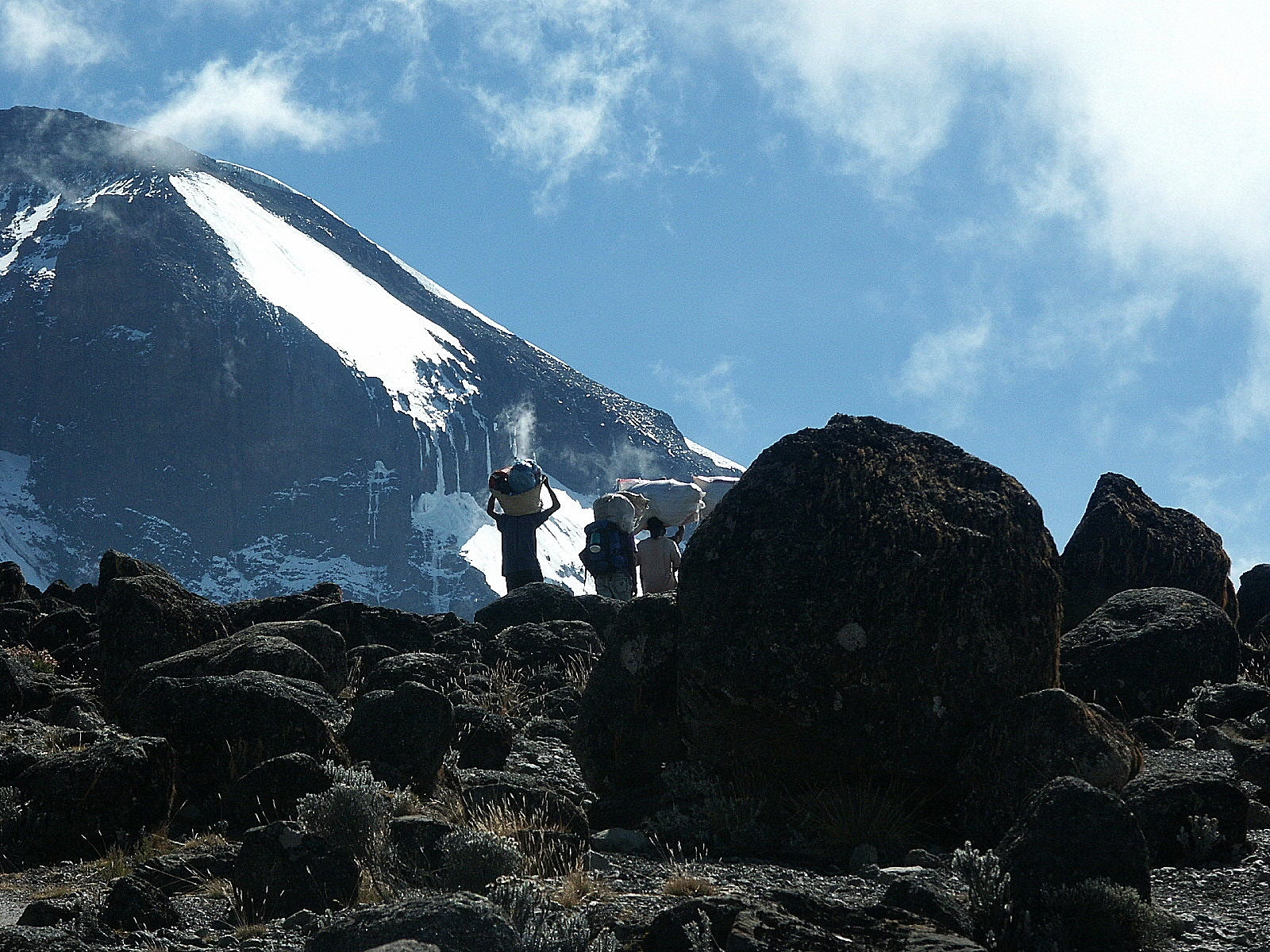
Travel Guide
Thinking about climbing Mount Kilimanjaro without a guide? Learn why guided climbs are mandatory, the benefits of hiring a guide, and how to plan your trek safely and legally.
According to the supplied source, Climbing Kilimanjaro Without a Guide is not permitted under the regulations governing climbs on Mount Kilimanjaro. The source states that climbers must be accompanied by a licensed guide and supporting trekking team rather than entering the mountain independently.
This requirement changes the way travelers should approach planning.
Kilimanjaro should not be treated like a mountain where an experienced hiker simply arrives with personal equipment and begins walking. The climb needs to be arranged through the appropriate guided system, with park access, logistics, route planning, staff, meals, and other practical requirements coordinated in advance.
The supplied source presents the guided system as serving three major purposes: climber safety, environmental protection, and support for the local tourism economy.
The source describes the guide requirement as a legal requirement.
It states that Tanzania has required climbers to use licensed guides or registered trekking operators since 1991.
Because regulations can change, travelers planning a current climb should still verify the latest Kilimanjaro National Park requirements through their operator or the appropriate authorities.
According to the supplied material, the requirement is enforced at the national park entry gates.
This means an independent climber should not assume that personal mountaineering experience provides an exemption.
Access is organized through the official trekking system.
The source explicitly says there are no exceptions based on climbing experience.
A highly experienced mountaineer is still expected to comply with the same guide requirement.
Technical competence does not replace park regulations.
One of the strongest reasons given for the guided system is safety.
Kilimanjaro reaches high altitude, and the source emphasizes the risk of altitude sickness.
Guides are expected to monitor climbers and recognize signs that someone may be struggling with altitude.
A physically fit traveler can still experience problems at altitude.
Strength and cardiovascular conditioning are useful, but they do not guarantee successful acclimatization.
This is why route pacing and guide observation are important components of the climb.
The supplied source states that guides are trained to recognize altitude-related symptoms and respond to emergencies.
Climbers should also communicate honestly about how they feel.
Trying to hide symptoms to protect a summit attempt can create unnecessary risk.
Weather is another challenge emphasized by the source.
Conditions can change significantly as climbers move through different elevations.
Travelers need clothing and equipment suitable for changing temperatures, rain, wind, and cold conditions at higher altitude.
The source says experienced guides can provide first aid and emergency assistance.
A guide does not remove every risk associated with a high-altitude trek, but professional support provides a structured response when problems arise.
Travelers should ask potential operators about their actual safety procedures.
The supplied source identifies environmental protection as another reason for mandatory guiding.
Kilimanjaro receives large numbers of trekkers.
Without organized route management, visitor pressure could cause greater damage to vegetation, trails, campsites, and waste systems.
Guides help keep climbers on approved trails.
This reduces unnecessary trampling and limits disturbance outside established trekking corridors.
Visitors should follow guide instructions rather than creating shortcuts.
Although the supplied source does not provide detailed waste procedures, its environmental framing makes clear that organized climbing is intended to reduce visitor impact.
Travelers should follow the operator’s waste rules and avoid leaving anything on the mountain.
The guide system also creates employment.
The supplied source specifically identifies guides, porters, and cooks as people whose livelihoods are connected with Kilimanjaro trekking.
A climb therefore supports a much larger team than the individual traveler may initially realize.
Porters carry much of the equipment, food, and supplies required during the trek.
According to the source, this leaves climbers carrying mainly a daypack.
Reducing personal load can make high-altitude hiking more manageable.
Multi-day climbs require meals throughout the route.
The support team handles food preparation and camp logistics according to the source.
Adequate nutrition becomes especially important as physical exertion and altitude affect appetite and energy.
The supplied source describes a typical guided climb as involving experienced guides, porter assistance, meals, camping support, permits, fees, and route planning.
The exact package depends on the trekking operator.
Travelers should therefore compare what is actually included rather than choosing only by headline price.
Guides understand the route, terrain, and general mountain conditions.
They also help manage the pace.
Walking too quickly at altitude can make the trek more difficult, so disciplined pacing is an important part of the climbing strategy.
For routes using tents, the operator typically coordinates camping equipment according to the source.
Travelers should confirm exactly which personal items they need to bring.
Assuming equipment is included without checking can create problems at the beginning of the trek.
Food needs to support several days of physical activity.
Travelers with allergies or dietary restrictions should communicate them before arrival.
The operator needs enough time to plan appropriate supplies.
The source explains that trekking companies handle necessary permits and fees.
This simplifies the process for climbers.
Visitors should confirm what charges are included in their package and whether any payments remain due locally.
Kilimanjaro has different trekking routes, and choosing between them affects the number of days, scenery, pacing, and acclimatization profile.
The supplied source does not compare specific routes in detail.
Travelers wanting route recommendations should therefore obtain additional current information from their chosen operator.
The source’s answer is direct: no exceptions are presented for independent climbing.
Travelers should not attempt to bypass the guide system.
Doing so could result in denial of access or other consequences under park regulations.
The supplied source advises travelers to ensure the company they use is properly registered with the relevant Kilimanjaro authorities.
This is one of the most important planning steps.
A low price is not sufficient reason to trust an operator.
The source suggests checking reviews and recommendations.
These can provide useful insight into guiding quality, organization, food, communication, equipment, and staff treatment.
Travelers should look for patterns across multiple reviews rather than relying on one unusually positive or negative comment.
The supplied source specifically encourages choosing companies that treat porters and staff fairly.
This is an important part of responsible Kilimanjaro tourism.
Travelers can ask operators about wages, equipment, food, load management, and working conditions.
Using a guide does not eliminate the need for personal preparation.
Climbers still need sufficient endurance for consecutive days of hiking.
Regular walking, hill training, and general fitness work before departure can make the experience more manageable.
The climb also requires patience.
Altitude often demands a slower pace than travelers expect.
The objective is not to race toward the summit but to give the body the best possible opportunity to adjust.
Once on the mountain, visitors should listen to the professional team.
Guides observe climbers over several days and understand the demands of the route.
Their instructions about pace, hydration, rest, and safety should be taken seriously.
According to the supplied source, the answer to Can You Climb Kilimanjaro Without a Guide? is no under the guide requirements it describes. Climbers are expected to use a licensed guide or registered trekking operator rather than attempt an independent ascent.
The system provides more than a person showing the way.
Guides monitor safety and altitude, porters move equipment and supplies, cooks support the expedition with meals, and operators manage permits, fees, camping logistics, and route planning.
The guided system also supports employment and helps manage the environmental impact of tourism on the mountain.
For travelers planning Kilimanjaro, the goal should therefore not be finding a way around the guide requirement. It should be selecting a responsible, properly qualified operator whose team can support a safe, ethical, and well-organized journey toward Africa’s highest summit.

Nshongi Gorilla Family in Bwindi: History, Location and Trekking Guide The Nshongi Gorilla Family holds an important place…
Read article →
Mishaya Gorilla Family in Bwindi: History, Trekking and What to Know The Mishaya Gorilla Family is one of…
Read article →
Semuliki Hot Springs Visit Guide: What to Expect Semuliki Hot Springs offers one of the most unusual natural…
Read article →
Kidepo Valley Remote Safari Guide: What to Expect Kidepo Valley National Park offers one of Uganda's most remote…
Read article →