

Nshongi Gorilla Family in Bwindi
Nshongi Gorilla Family in Bwindi: History, Location and Trekking Guide The Nshongi Gorilla Family holds an important place…
Read article →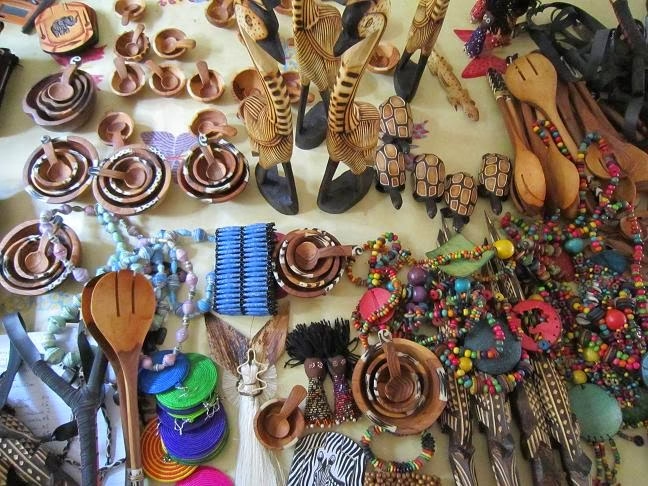
Travel Guide
Discover Uganda’s handmade crafts, vibrant art, and local talent at Buganda Road Craft Market in Kampala. A must-visit for unique souvenirs and cultural connection.
Buganda Road Craft Market offers visitors to Kampala an opportunity to browse handmade crafts, meet local sellers and creators, purchase souvenirs, and experience part of Uganda’s contemporary creative culture. According to the supplied source, the market is located just off Kampala Road and consists of open-air stalls displaying baskets, jewelry, musical instruments, fabrics, clothing, batik work, wooden carvings, masks, and paintings.
For travelers who have spent much of their Uganda journey visiting national parks, forests, or lodges, a craft market introduces a very different environment.
Instead of observing wildlife, visitors interact directly with people involved in making and selling creative products.
The market experience is therefore not simply about shopping. Taking time to speak with vendors can reveal stories about materials, techniques, artistic inspiration, and the role craft businesses play in supporting livelihoods.
Kampala is a busy commercial city filled with shops, restaurants, offices, transport, markets, and cultural institutions.
Within this urban environment, Buganda Road Craft Market provides a concentrated space for handmade products.
The supplied source describes rows of open-air stalls containing colorful items.
Visitors can browse without needing to know exactly what they want before arriving.
The variety encourages exploration.
Handwoven baskets are among the crafts specifically identified in the source.
Basketry can combine practical use with decorative design.
Patterns, colors, shapes, and materials may vary between sellers.
Travelers looking for useful souvenirs may find baskets particularly attractive because they can serve a practical purpose after returning home.
Mats are also mentioned.
Like baskets, they demonstrate weaving skills and the ability to turn local materials into functional objects.
Visitors interested in craftsmanship should examine details such as pattern, texture, and finishing rather than choosing only by size.
Speaking with vendors may provide additional information about how particular items were produced.
The market contains beaded necklaces according to the supplied source.
Jewelry provides a relatively compact souvenir for international travelers.
Different combinations of color and design allow visitors to select pieces according to personal taste.
Buying directly from a maker or small-scale seller can also create a more meaningful connection with the object.
Earrings and bracelets add to the jewelry selection.
Because these pieces are generally small, travelers can purchase gifts without adding substantial weight to their luggage.
Visitors should still choose thoughtfully rather than buying simply because an item appears inexpensive.
Understanding who made the piece can add value beyond the object itself.
The supplied source lists drums among the market’s musical items.
Drums have cultural and musical importance, but they also vary considerably in size.
Travelers intending to fly internationally should consider luggage limitations before purchasing large instruments.
Smaller decorative or playable versions may be easier to transport.
Kalimbas are also mentioned.
These handheld musical instruments can provide an interactive souvenir for visitors interested in music.
Where appropriate, a vendor may demonstrate how an instrument sounds.
Listening before purchasing can help travelers appreciate the difference between an instrument and an object produced primarily for decoration.
Wooden flutes are another product identified in the source.
As with other musical items, visitors should ask sellers about how they are made and intended to be used.
Conversation can transform a quick purchase into a more informative cultural interaction.
Ugandan craft markets are often visually memorable because of the abundance of fabric.
The supplied source specifically highlights colorful fabrics at Buganda Road Craft Market.
Textiles can be purchased as material or incorporated into finished products.
Travelers who enjoy fashion, interior decoration, or sewing may find these stalls particularly interesting.
The source mentions kitenge clothing among the products.
Bold patterns and colors can make garments stand out immediately.
Visitors should take time to check fit and finishing.
Some sellers may also be able to explain tailoring or customization options.
Batik work adds another form of textile-based creativity.
Patterns and images can transform cloth into decorative art.
Because pieces may vary significantly, browsing several stalls allows visitors to compare styles.
This is one reason the market should not be rushed.
Carved wooden sculptures and masks are also highlighted.
These products can depict people, animals, or symbolic designs.
Visitors should ask vendors about the meaning of particular pieces rather than automatically assuming every carving has traditional ceremonial significance.
A seller’s explanation can help distinguish decorative art from items connected with specific cultural traditions.
The supplied source describes paintings featuring gorillas, wildlife, and village scenes.
These subjects connect the market with experiences many travelers have elsewhere in Uganda.
Someone returning from gorilla trekking, for example, may choose a painting as a reminder of the forest journey.
Art provides a more personal souvenir than a generic manufactured item.
One of the most important features described in the supplied material is the direct connection between visitors and artists.
Many stall owners are presented as creators of the products they sell.
Travelers may see people painting, weaving, or carving.
This creates an opportunity to understand the work behind a finished souvenir.
Observing an artisan at work can change how visitors evaluate a product.
A carved object that appears simple on a shelf may require significant time and skill.
Watching part of the process reveals that craftsmanship involves technique, patience, and experience.
Visitors should avoid interrupting someone working simply for the sake of entertainment.
The supplied source states that some artists may offer custom-made or personalized items.
This can be useful for travelers seeking gifts.
Customization may require additional time, so visitors should ask early rather than expecting an immediate finished product.
Agreeing clearly on design, price, and collection arrangements helps prevent misunderstandings.
Purchasing directly from artists is one of the strongest reasons to visit a craft market.
The source connects these purchases with support for traditional skills and family livelihoods.
Direct interaction also allows buyers to ask questions about materials and production.
This can create a stronger connection with the souvenir.
The supplied source describes bargaining as expected and generally friendly.
Negotiation should remain respectful.
The objective is to agree on a price acceptable to both buyer and seller, not to reduce the amount as aggressively as possible.
A friendly conversation usually creates a better experience than confrontational bargaining.
The source suggests politely asking whether a better price is available.
This approach recognizes the social nature of bargaining.
Visitors can negotiate while still respecting the time and skill involved in making handmade products.
If a seller declines a lower offer, travelers should decide whether the stated price remains acceptable rather than becoming argumentative.
According to the supplied material, most vendors accept cash in Ugandan shillings.
Carrying smaller denominations can make transactions easier.
It may also reduce the need for vendors to search for change.
Travelers should keep money secure and avoid displaying large amounts unnecessarily.
The source states that some vendors may accept mobile-money services such as MTN MoMo or Airtel Money.
Payment availability can vary between stalls.
Visitors should therefore confirm the method before finalizing a purchase.
Cash remains useful where electronic payment is unavailable.
The source strongly emphasizes the economic importance of the market.
Purchasing locally made crafts can direct money toward small-scale creators.
Tourism spending therefore extends beyond hotels and safari companies.
A traveler buying a basket, painting, or piece of jewelry may be supporting a small creative business.
Craftsmanship depends on people continuing to learn and practice skills.
When handmade products have a viable market, there is greater economic incentive to maintain those abilities.
The supplied source therefore connects shopping with the preservation of Uganda’s craft heritage.
The source recommends visiting in the morning or late afternoon to avoid the strongest midday heat.
Morning can provide a comfortable atmosphere for browsing.
Visitors may also prefer arriving before other city activities make the day more crowded.
Allowing enough time is more important than trying to fit the market into a few hurried minutes.
Late afternoon provides another option.
Travelers can browse after completing other Kampala sightseeing.
They should nevertheless keep the market’s operating hours in mind and avoid arriving so late that vendors are preparing to close.
The supplied source specifically advises visitors to ask permission before photographing people or their work.
This is an important principle.
A market is a workplace.
Sellers and artists should not be treated as automatic photographic subjects simply because travelers find the environment visually interesting.
A brief request shows respect.
The source recommends carrying a bag for purchases.
This is particularly useful when buying several small items.
Travelers purchasing fragile carvings or artwork should ask how the pieces can be protected during transport.
International travelers should also consider luggage space before buying larger objects.
Perhaps the most useful advice in the supplied material is simply to take time.
A craft market becomes more meaningful when visitors engage with people.
Moving rapidly from stall to stall looking only for the cheapest product can miss the cultural dimension of the experience.
Conversation often becomes one of the most memorable parts of the visit.
The supplied source places Buganda Road Craft Market on Buganda Road, just off Kampala Road near the National Theatre.
This central location makes it relatively easy to combine with other Kampala attractions.
Visitors should confirm current directions locally if necessary, particularly because urban landmarks and access arrangements can change.
The source describes the market as open daily, generally from 8:00 AM to 6:00 PM.
These hours are reproduced from the provided material.
Travelers should verify current opening arrangements if visiting at the beginning or end of the day.
The supplied source recommends combining the market with the nearby Uganda National Cultural Centre.
This can create a broader arts-and-culture experience.
A visitor may browse crafts, explore cultural programming, and then spend time at a nearby café.
Such a combination works well for a half-day in central Kampala.
One of the advantages of shopping directly from creators is that souvenirs can carry stories.
A visitor may remember who painted a particular image, how a basket was woven, or the conversation that accompanied a purchase.
These memories can make handmade objects more meaningful after the trip.
Responsible shopping involves considering origin and craftsmanship.
The supplied source emphasizes locally made items rather than imported or factory-produced goods.
Visitors interested in supporting local creativity can ask where an item was made and whether the seller produced it directly.
These questions can also create interesting conversations.
Buganda Road Craft Market combines shopping with art, conversation, craftsmanship, and cultural connection in central Kampala.
The supplied source describes stalls filled with woven baskets and mats, beaded jewelry, drums, kalimbas, flutes, fabrics, kitenge clothing, batik art, wooden sculptures, masks, and paintings inspired by wildlife and village life.
A major strength of the market is the opportunity to meet people involved in creating or selling these items. Visitors may watch artisans working and, in some cases, arrange personalized products.
Bargaining is described as part of the experience, but it should remain friendly and respectful. Cash in Ugandan shillings is emphasized as the main payment method in the source, with some sellers potentially accepting mobile money.
Visitors are encouraged to explore slowly, ask before photographing people, and engage with vendors rather than treating the market as a quick souvenir stop.
For travelers spending time in Kampala, the market provides an accessible way to encounter Uganda’s creative culture while directing tourism spending toward local artists and small businesses.

Nshongi Gorilla Family in Bwindi: History, Location and Trekking Guide The Nshongi Gorilla Family holds an important place…
Read article →
Mishaya Gorilla Family in Bwindi: History, Trekking and What to Know The Mishaya Gorilla Family is one of…
Read article →
Semuliki Hot Springs Visit Guide: What to Expect Semuliki Hot Springs offers one of the most unusual natural…
Read article →
Kidepo Valley Remote Safari Guide: What to Expect Kidepo Valley National Park offers one of Uganda's most remote…
Read article →