

Nshongi Gorilla Family in Bwindi
Nshongi Gorilla Family in Bwindi: History, Location and Trekking Guide The Nshongi Gorilla Family holds an important place…
Read article →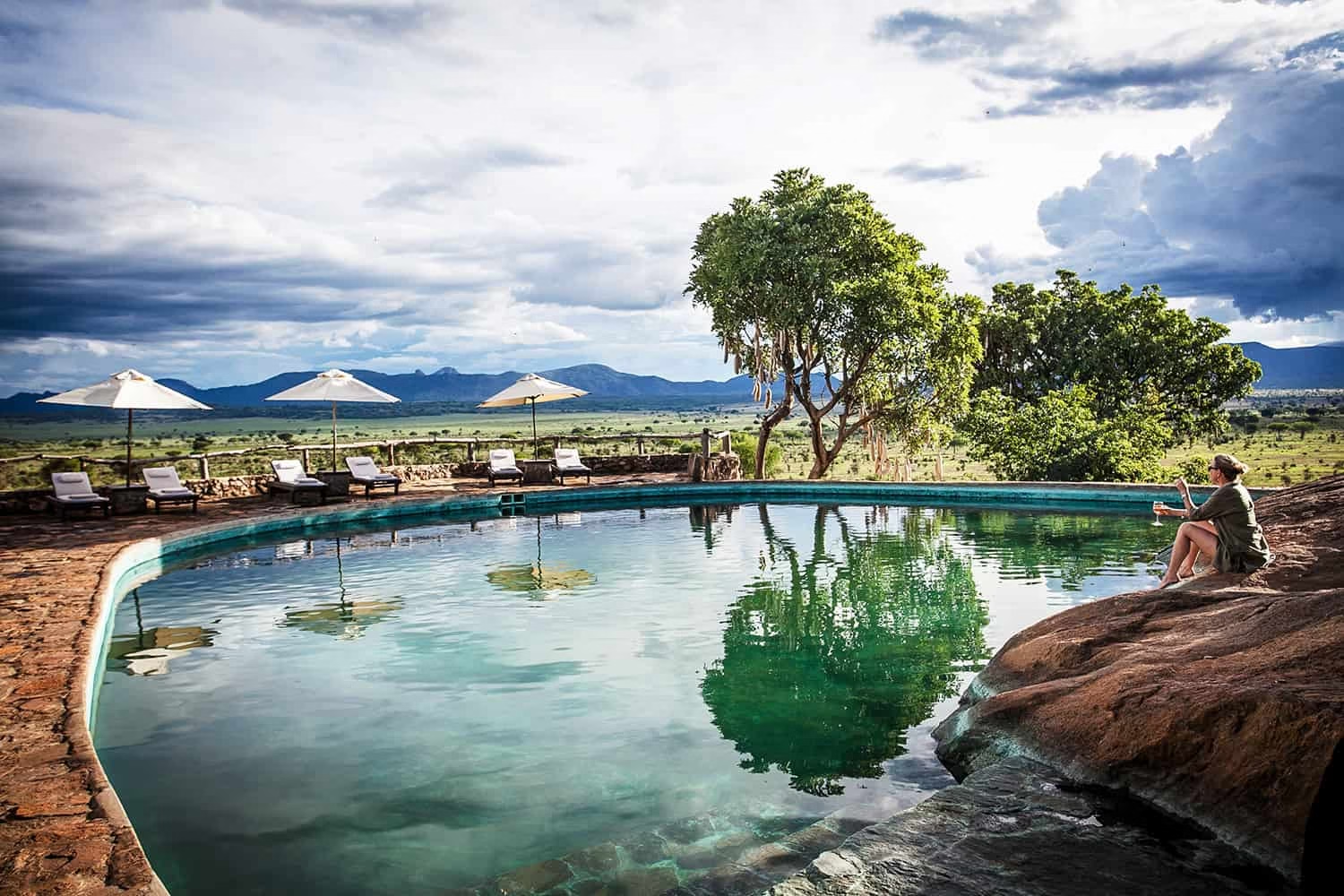
Travel Guide
Discover Apoka Safari Lodge, a luxury eco-lodge in Kidepo Valley offering upscale safari experiences in one of Uganda's most remote parks.
Apoka Safari Lodge provides an upscale wilderness base within the remote landscapes of Kidepo Valley National Park in northern Uganda. The supplied source describes the property as a luxury eco-lodge combining comfort with the dramatic natural surroundings of one of Uganda’s most isolated national parks.
For travelers seeking a safari far from the country’s busier tourism circuits, the lodge’s location is a major part of its appeal.
Kidepo is characterized in the source by golden savannah, rugged mountains, and wildlife that includes lions, cheetahs, giraffes, and elephants. Low visitor numbers contribute to a feeling of exclusivity.
Apoka places guests within this landscape rather than separating accommodation from the safari environment.
The source describes Kidepo Valley as Uganda’s most isolated and one of its most dramatic national parks.
The wider region lies near the borders of South Sudan and Kenya.
Its distance from Kampala and Entebbe means travelers make a deliberate journey to reach it.
That remoteness is precisely what attracts many visitors.
Instead of fitting Kidepo casually into a short southern Uganda circuit, travelers generally choose it because they want a quieter and more expansive wilderness experience.
According to the supplied source, Apoka Safari Lodge sits on a rocky kopje overlooking the Narus Valley.
This position gives the property panoramic views across an important game-viewing landscape.
The setting allows guests to remain visually connected with the park even when they are not on a game drive.
A lodge with strong views can change the rhythm of a safari.
Resting between activities does not necessarily mean leaving the wilderness experience behind.
The source identifies lions, cheetahs, giraffes, and elephants among wildlife associated with the park.
Birdlife is also a major feature.
As with every natural safari destination, sightings depend on wildlife movement rather than a fixed schedule.
The attraction of Kidepo lies partly in exploring the landscape and discovering what appears.
The relatively low number of visitors described in the source can make encounters feel particularly intimate.
The supplied material describes 10 spacious thatched cottages built with natural materials.
The architecture is intended to blend into the surrounding environment.
This design approach suits a wilderness lodge because accommodation remains comfortable without attempting to dominate the landscape visually.
The cottages combine generous space with locally influenced furnishings and direct views toward the surrounding wilderness.
The source highlights large hand-hewn beds fitted with soft duvets and mosquito nets.
These details contribute to the lodge’s luxury positioning while retaining a strong connection with natural materials.
After long game drives or walking activities, comfortable sleeping arrangements become particularly important.
Safari accommodation is experienced not only through décor but also through practical rest.
A good night’s sleep helps guests enjoy early starts and long wildlife-viewing days.
One of the distinctive accommodation features described in the source is a private outdoor bathtub carved from local rock.
This creates a strong sense of place.
Rather than reproducing a conventional urban hotel bathroom, the lodge incorporates the surrounding environment into the accommodation experience.
Privacy and wilderness views can make these quieter moments memorable.
They also demonstrate how luxury safari properties often focus on location and atmosphere rather than simply adding conventional hotel facilities.
The cottages also include indoor sitting areas, writing desks, and locally made furnishings according to the supplied source.
These features provide useful space for relaxing between activities.
Guests may want to read, review photographs, write notes, or simply enjoy quiet time during the warmer middle hours of the day.
Large windows help maintain views of the landscape.
This connection between interior and exterior spaces is central to the property’s design as described in the source.
Private verandas provide another place from which to observe the surrounding wilderness.
Safari travel can become exhausting when every wildlife experience requires getting into a vehicle.
A veranda allows guests to slow down.
Birds, changing light, distant wildlife, and landscape views can all become part of the lodge experience.
For photographers, early morning and late afternoon light may provide attractive opportunities without leaving the property.
The source describes dining as another important part of the lodge experience.
Meals are prepared using fresh local ingredients.
Three-course dinners are specifically mentioned.
After active safari days, dining becomes both practical and social.
Guests can discuss sightings, plan upcoming activities, and enjoy the quieter evening atmosphere.
The lodge’s luxury positioning is reflected in the effort given to food as well as accommodation.
The supplied source highlights bush breakfasts and sundowner snacks.
These experiences move meals away from the standard dining setting and into the landscape.
A bush breakfast can extend the feeling of an early game drive, while a sundowner creates a relaxed transition from afternoon activities into evening.
The attraction lies as much in the setting as in the food.
Private dining under the stars or in the bush is also mentioned in the source.
This can appeal particularly to couples or travelers celebrating special occasions.
The experience creates a quieter and more personalized evening.
Travelers should arrange special dining preferences with the lodge so that they can be incorporated smoothly into the safari schedule.
The lodge includes a lounge and well-stocked bar according to the supplied material.
These shared spaces provide somewhere to unwind after game drives.
Remote safari travel often develops a distinctive daily rhythm: early activity, midday rest, afternoon exploration, and relaxed evenings.
Comfortable communal areas support that rhythm.
They also create opportunities for guests to exchange wildlife stories and experiences.
Game drives are central to a stay at Apoka Safari Lodge.
The source describes morning and evening drives using open 4×4 safari vehicles.
Morning drives allow guests to explore Kidepo while temperatures are generally more comfortable and the landscape is changing with early light.
Guides use their knowledge of the park to search for wildlife and interpret behavior.
The experience is about more than simply locating animals.
Evening drives provide a different atmosphere.
Light softens, temperatures change, and wildlife activity may differ from what guests experienced earlier.
Photographers often appreciate the quality of late-day light.
Combining morning and evening drives also allows visitors to explore different areas without spending every hour continuously in a vehicle.
The midday period can be used for rest at the lodge.
The source includes nature walks with experienced local guides among available activities.
Walking creates a more detailed connection with the environment.
Tracks, plants, birds, insects, and smaller features become easier to notice when moving slowly.
Because the activity occurs in a wildlife environment, visitors should follow guide instructions carefully.
Walking is not simply a substitute for a game drive; it offers a different way of understanding the landscape.
The supplied source mentions visits connected with IK and Karamojong communities.
These experiences can introduce travelers to cultures associated with the wider region.
Cultural visits are most valuable when approached with respect and genuine curiosity.
Visitors should listen to local explanations and avoid reducing communities to photographic subjects.
When thoughtfully organized, cultural experiences can add important human context to a Kidepo safari.
Birdwatching is another major activity identified in the source.
It states that Kidepo has more than 470 bird species and specifically mentions ostriches and secretary birds.
For dedicated birders, this can make the park a destination in its own right.
For general safari travelers, birdlife adds variety between large-mammal sightings.
Carrying binoculars can significantly improve the experience.
The source emphasizes Kidepo’s relatively low tourist numbers.
This contributes to the park’s remote character.
Wildlife encounters may occur without numerous vehicles gathering around the same sighting.
For travelers accustomed to busy destinations, the sense of space can be particularly memorable.
The trade-off is accessibility.
Reaching such a remote area requires more travel planning than visiting parks closer to Uganda’s main transport corridors.
The supplied source identifies scheduled and charter flights from Entebbe to Kidepo Airstrip.
Flying is the most time-efficient approach described.
The lodge is then a relatively short transfer from the airstrip.
A fly-in safari can be particularly suitable for travelers with limited time or those seeking a high-end itinerary.
It allows more of the holiday to be spent within Kidepo rather than on long road transfers.
Road access provides a very different experience.
The source describes a long scenic journey through routes associated with Gulu or Kitgum.
This option is particularly relevant for overland travelers combining Kidepo with destinations such as Murchison Falls or Ziwa Rhino Sanctuary.
A road safari allows visitors to see more of northern Uganda.
However, the journey is substantial and should be given enough time.
The supplied source suggests integrating Apoka into wider northern Uganda itineraries.
This makes practical sense for road travelers.
Rather than driving to Kidepo as an isolated return journey, the park can form part of a route connecting several destinations.
Such an itinerary can combine different wildlife environments and cultural landscapes.
The important consideration is pacing.
Long transfer days should be balanced with sufficient nights in each major destination.
Based on the supplied source, Apoka Safari Lodge is particularly suitable for travelers looking for luxury in a remote wilderness environment.
It can appeal to couples, photographers, wildlife enthusiasts, and travelers who value privacy.
The lodge also works for visitors interested in combining safari activities with cultural experiences and birdwatching.
Travelers whose priority is minimizing accommodation costs may prefer a different style of property.
Apoka’s appeal lies in exclusivity, location, and comfort.
Luxury in Kidepo is not only about expensive furnishings.
The source’s description points repeatedly toward space, wilderness, privacy, and access to nature.
A private veranda overlooking the valley, an outdoor rock bathtub, a quiet game drive, or dinner beneath the stars can define the experience more strongly than conventional hotel features.
This style of luxury is closely connected with the destination.
Because reaching Kidepo requires significant travel, visitors should avoid making the stay unnecessarily short.
A single night provides limited opportunity to appreciate the park.
Multiple nights allow guests to experience morning and evening game drives, walking, birdwatching, cultural visits, and time at the lodge without constant rushing.
The journey to Kidepo becomes more worthwhile when the itinerary provides enough time to experience the destination properly.
The supplied source presents Apoka Safari Lodge as an upscale wilderness retreat within Kidepo Valley National Park.
Its ten thatched cottages combine natural materials, large beds, outdoor rock bathtubs, indoor sitting areas, and private verandas with views across the surrounding landscape.
Dining includes three-course meals, bush breakfasts, sundowner snacks, and private arrangements. Safari activities include morning and evening game drives, guided walks, birdwatching, and cultural visits.
Travelers can reach Kidepo by scheduled or charter flight from Entebbe or undertake the longer overland journey through northern Uganda.
For those prepared to travel to one of Uganda’s most remote national parks, Apoka offers the opportunity to combine high-end comfort with the expansive landscapes, wildlife, birdlife, and cultural experiences that define Kidepo Valley.

Nshongi Gorilla Family in Bwindi: History, Location and Trekking Guide The Nshongi Gorilla Family holds an important place…
Read article →
Mishaya Gorilla Family in Bwindi: History, Trekking and What to Know The Mishaya Gorilla Family is one of…
Read article →
Semuliki Hot Springs Visit Guide: What to Expect Semuliki Hot Springs offers one of the most unusual natural…
Read article →
Kidepo Valley Remote Safari Guide: What to Expect Kidepo Valley National Park offers one of Uganda's most remote…
Read article →