

Nshongi Gorilla Family in Bwindi
Nshongi Gorilla Family in Bwindi: History, Location and Trekking Guide The Nshongi Gorilla Family holds an important place…
Read article →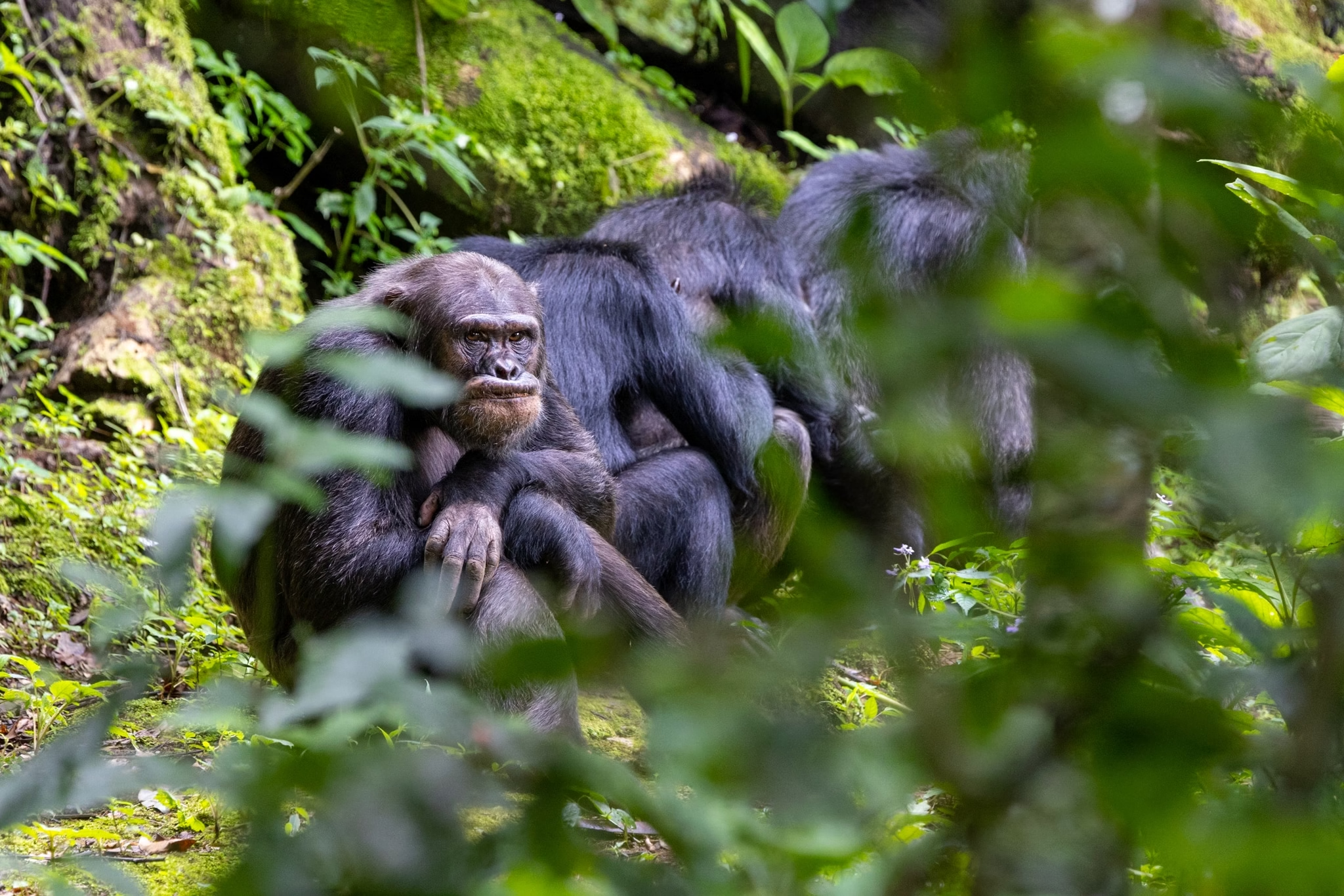
Travel Guide
Explore Nyungwe Forest on a 3-day chimpanzee trekking safari in Rwanda, with rainforest trails, primates, birdlife, scenic drives and optional canopy adventures.
A 3 Days Chimpanzee Trekking in Rwanda itinerary offers a compact rainforest adventure centered on Nyungwe Forest National Park. The supplied source presents this safari as suitable for wildlife enthusiasts, photographers, and travelers with limited time who want to track chimpanzees while experiencing Rwanda’s forest scenery and other primates.
The journey begins in Kigali and continues through Rwanda’s countryside toward Nyungwe. The second day is dedicated primarily to chimpanzee trekking, with optional forest activities available afterward. The final day returns travelers to Kigali for onward arrangements.
Despite the short duration, the itinerary combines a scenic road journey, guided primate tracking, birdwatching possibilities, rainforest landscapes, and optional activities such as the canopy walk.
Nyungwe provides a completely different wildlife environment from Rwanda’s savannah landscapes.
Instead of searching for animals from a safari vehicle, travelers enter dense rainforest on foot.
The experience is active and unpredictable because the chimpanzees move naturally through the forest.
The supplied source describes Nyungwe as one of Africa’s oldest rainforests and highlights habituated chimpanzees, other primates, birds, plants, butterflies, and extensive forest scenery.
The short itinerary works particularly well for travelers with limited time.
It can be added to a longer Rwanda holiday or undertaken as a focused primate trip.
Photographers may appreciate the challenge of working in forest conditions, while wildlife enthusiasts can combine chimpanzees with opportunities to observe other primates and birds.
Because road transfers take significant time, travelers should understand that this is an active three-day itinerary rather than a slow-paced holiday.
The first day begins with arrival in Kigali or collection from an agreed location.
According to the supplied source, the guide meets travelers at Kigali International Airport, provides a briefing about the chimpanzee trekking adventure, and then begins the road transfer toward Nyungwe Forest National Park.
The source estimates the journey at approximately five to six hours.
Rather than viewing this solely as transfer time, travelers can use the drive as an introduction to Rwanda’s countryside.
The route passes rolling hills, rural landscapes, and tea-growing areas.
The supplied source specifically mentions tea plantations and scenic countryside.
Short stops may be made for refreshments, photographs, or purchasing local fruit.
These breaks can make a long road journey more comfortable while allowing visitors to observe landscapes outside Kigali.
After reaching the Nyungwe area, guests check into their selected lodge.
The remainder of the day is deliberately less demanding.
This is useful because the following morning begins early.
Travelers can organize trekking clothes, charge cameras, prepare rain protection, and get sufficient rest.
Depending on arrival time, the supplied source suggests a short evening nature walk around the lodge.
This should remain optional rather than creating pressure after a long drive.
A gentle walk can introduce guests to the forest environment and nearby birdlife.
Those arriving later may prefer to relax and prepare for the following morning.
Dinner provides time to discuss the next day’s arrangements.
Guests should confirm departure time and what they need to carry.
Chimpanzee trekking takes place in a natural rainforest, so trail conditions and the location of primates can influence the duration.
Being properly prepared helps travelers concentrate on the experience rather than equipment problems.
The supplied source lists three accommodation examples:
Luxury: One & Only Nyungwe House
Mid-range: Nyungwe Top View Hill Hotel
Budget: Gisakura Guest House
The appropriate property depends on the traveler’s budget and preferred level of comfort.
The source presents these as different categories rather than suggesting that every traveler needs a luxury stay.
Day two is the central experience of the safari.
Guests wake early, have breakfast, and transfer toward the chimpanzee trekking trailhead.
An early start is important because the activity follows the movement of wild primates rather than a fixed sightseeing schedule.
Travelers should wear practical clothing and footwear suitable for rainforest conditions.
Before entering the forest, the supplied source states that visitors attend a briefing with experienced rangers.
The briefing covers forest safety, chimpanzee behavior, and trekking etiquette.
Listening carefully is important.
The rules are designed both for visitor safety and for minimizing disturbance to wildlife.
Travelers should continue following ranger instructions throughout the trek.
The search takes visitors through dense forest.
Unlike an open savannah game drive, visibility can be limited by vegetation.
Sounds become especially important.
Guides and trackers may listen for chimpanzee calls or observe signs indicating where the group has moved.
The process of searching is therefore part of the experience.
The supplied source states that the hike may take approximately two to five hours, depending on the location of the chimpanzees.
This variation should be expected.
Wild animals do not remain in a predictable place for tourism.
Travelers need reasonable fitness and patience because the search may involve uneven forest terrain.
Finding the chimpanzees is the highlight of the day.
Visitors can observe their behavior under the guidance of rangers.
Chimpanzees may feed, rest, move through vegetation, vocalize, or interact with one another.
Every encounter differs because behavior depends on the animals themselves.
The most rewarding approach is to observe rather than expecting a particular photographic scene.
Forest photography can be challenging.
Light may be limited and chimpanzees may move quickly.
Travelers should understand their camera settings before the trek rather than learning them during the encounter.
Protecting equipment from moisture is also sensible in a rainforest environment.
Photographers should always follow ranger guidance rather than moving away from the group for a better angle.
Chimpanzees are not the only primates highlighted in the source.
The supplied material mentions red colobus monkeys, blue monkeys, and baboons.
Travelers should therefore remain attentive throughout the walk.
An encounter with another primate species can become an important part of the trek rather than being ignored while concentrating exclusively on chimpanzees.
Red colobus monkeys are among the additional primates travelers may encounter.
Observing them requires looking upward into the forest canopy.
Binoculars can be useful where vegetation permits.
Their presence reinforces Nyungwe’s broader importance as a primate destination.
Blue monkeys are another species identified by the supplied source.
A knowledgeable guide can help visitors distinguish different primates and explain their behavior.
Learning these differences makes the forest walk more educational and prevents the entire experience from being reduced to a single target species.
The source also includes baboons among possible primate sightings.
Watching social behavior can be particularly interesting.
Visitors should never feed or attempt to interact directly with primates.
Allowing animals to behave naturally is central to responsible wildlife tourism.
Birdwatchers can also find the forest rewarding.
The source refers to colorful species inhabiting Nyungwe’s canopy.
Because chimpanzee trekking has a specific objective, serious birders may want to arrange additional dedicated birdwatching rather than trying to stop repeatedly during the primate search.
However, keeping binoculars accessible can still be worthwhile.
After the chimpanzee experience, guests return to the lodge for lunch and relaxation.
This recovery period is useful after several hours of hiking.
Travelers should avoid overloading the afternoon simply because several optional activities are available.
The best choice depends on energy levels and personal interests.
The supplied source suggests the canopy walk as an optional activity.
It describes views from approximately 70 meters above the ground.
The elevated perspective provides a very different experience from walking beneath the trees.
Instead of looking upward toward the canopy, visitors can experience the forest from a higher viewpoint.
The canopy experience emphasizes the scale of Nyungwe.
From elevated sections, visitors can appreciate layers of vegetation extending across the landscape.
This makes the activity especially attractive to photographers and travelers interested in scenery.
Weather conditions can influence visibility, so expectations should remain flexible.
A shorter forest trail is another option in the supplied itinerary.
The source mentions orchids, butterflies, and rare plants as possible points of interest.
This activity encourages visitors to slow down and appreciate smaller elements of the ecosystem.
After spending the morning focused heavily on primates, a botanical or nature-oriented walk can broaden the experience.
The supplied itinerary keeps guests at the same accommodation used on the first night.
This avoids unnecessary packing and transfer time.
Remaining in one property for both nights allows travelers to concentrate on the forest experience.
It also creates more time for rest between activities.
The final morning begins at a more relaxed pace.
After breakfast, travelers can enjoy the atmosphere around the lodge before beginning the drive back to Kigali.
The supplied source suggests optional nature walks or birdwatching for guests whose timing allows.
These should be kept short enough to avoid creating pressure around the return journey.
Early morning can be rewarding for observing birds around forest accommodation.
Travelers can walk with a guide or simply spend time around the lodge depending on available arrangements.
Binoculars are useful.
A quiet final morning can provide a pleasant contrast with the previous day’s chimpanzee trek.
Guests then begin the road journey back toward Kigali.
The same rolling landscapes and rural scenery provide visual interest along the route.
Travelers should allow sufficient time for road conditions and stops.
The source describes arrival in Kigali in time for lunch or an onward departure flight.
When connecting with an international flight, timing should be handled conservatively.
The supplied itinerary presents a direct return to Kigali and departure, but road journeys can require flexibility.
Travel arrangements should therefore allow an appropriate margin rather than depending on an extremely tight connection.
According to the supplied source, the safari includes transport in a 4×4 safari vehicle, an English-speaking guide or driver, chimpanzee trekking permits, accommodation and meals according to the itinerary, bottled water, and the listed optional forest activities within the source’s package description.
Travelers should confirm the exact final package before booking so they understand which optional activities are included in their particular arrangement.
The source lists international flights, Rwanda visa fees, travel insurance, tips, drinks, souvenirs, and other personal expenses among exclusions.
Knowing exclusions in advance helps travelers budget properly.
Travel insurance is particularly important for an itinerary involving international travel and outdoor activities.
Three days is short, but the itinerary concentrates on one principal destination.
Rather than attempting to visit several distant parks, it gives Nyungwe the majority of the available time.
This makes the schedule more coherent.
Travelers experience the road journey, forest accommodation, chimpanzee trek, and potentially one or two additional forest activities.
Travelers with more time could naturally build additional Rwanda experiences around this three-day framework, although the supplied source focuses specifically on the short Nyungwe journey.
The three-day version works as a self-contained rainforest safari or as one component of a longer trip.
The central principle is to preserve enough time for the chimpanzee trek itself.
The supplied source presents 3 Days Chimpanzee Trekking in Rwanda as a focused Nyungwe Forest adventure.
Day one transfers travelers from Kigali through Rwanda’s countryside to Nyungwe. Day two begins early with a ranger briefing and chimpanzee trek lasting approximately two to five hours depending on the location of the primates. Other possible sightings include red colobus monkeys, blue monkeys, baboons, and forest birds.
After trekking, travelers can relax or consider an optional canopy walk or shorter forest hike. Day three provides time for a relaxed morning before returning to Kigali for lunch or onward travel.
For wildlife enthusiasts, photographers, and visitors with limited time, the itinerary concentrates on one of Rwanda’s principal rainforest experiences without trying to fit too many distant destinations into three days.

Nshongi Gorilla Family in Bwindi: History, Location and Trekking Guide The Nshongi Gorilla Family holds an important place…
Read article →
Mishaya Gorilla Family in Bwindi: History, Trekking and What to Know The Mishaya Gorilla Family is one of…
Read article →
Semuliki Hot Springs Visit Guide: What to Expect Semuliki Hot Springs offers one of the most unusual natural…
Read article →
Kidepo Valley Remote Safari Guide: What to Expect Kidepo Valley National Park offers one of Uganda's most remote…
Read article →