

Nshongi Gorilla Family in Bwindi
Nshongi Gorilla Family in Bwindi: History, Location and Trekking Guide The Nshongi Gorilla Family holds an important place…
Read article →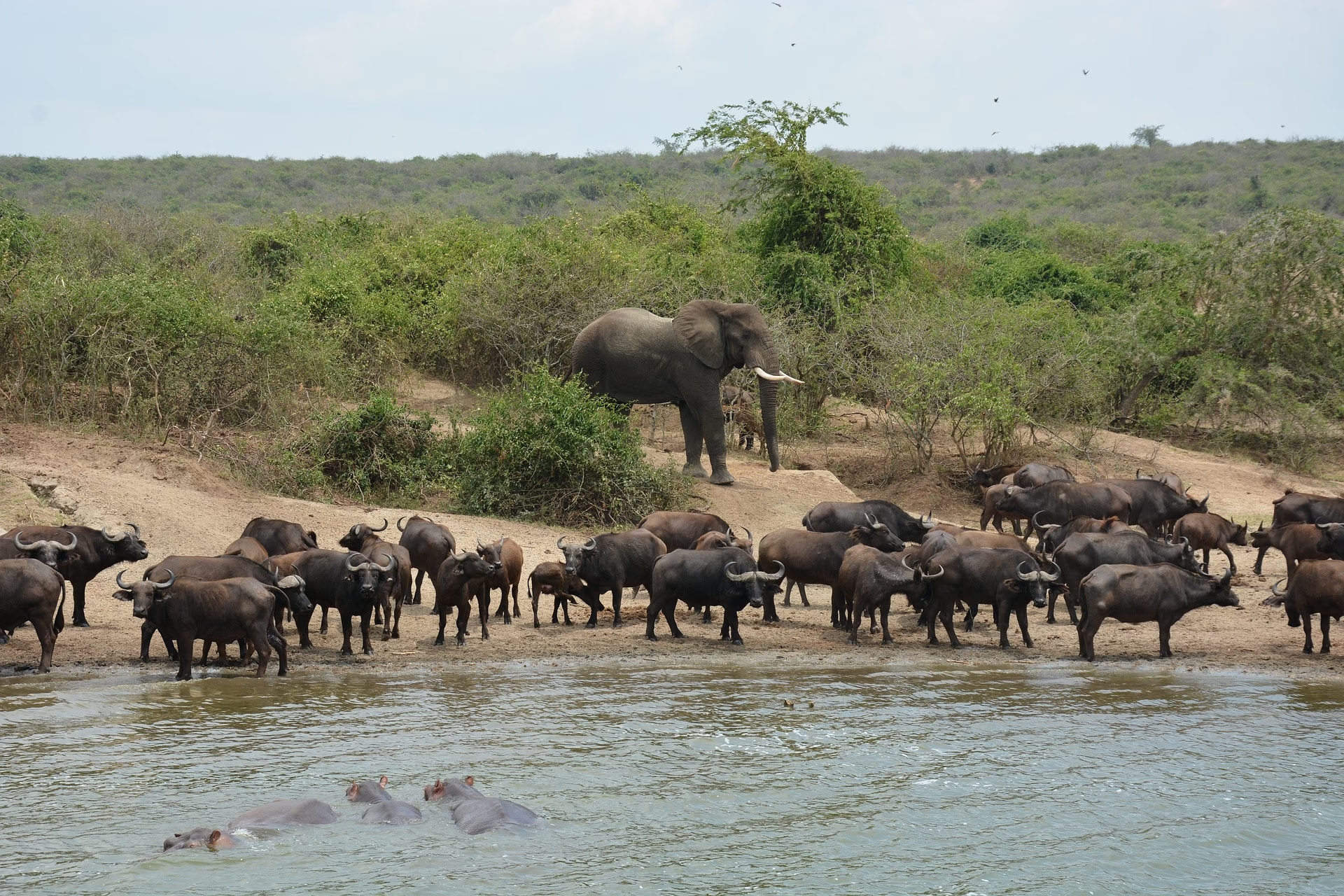
Travel Guide
2-day Uganda safari. Queen Elizabeth National Park (QENP) is one of Uganda’s most famous and diverse wildlife destinations. Located in western Uganda
A 2-day Uganda safari to Queen Elizabeth National Park provides a compact opportunity to experience one of the wildlife destinations highlighted by the source in western Uganda. With only two days available, the journey needs to be planned carefully so that transport, accommodation, and wildlife activities work together rather than competing for limited time.
The source describes Queen Elizabeth National Park as one of Uganda’s famous and diverse wildlife destinations. A short safari can introduce travelers to that environment, but two days should be understood as a concentrated visit rather than an attempt to experience every part of the park.
The starting point is particularly important. Travelers should understand how much of the first and second days will be used for transfers. A two-day itinerary that involves substantial road travel can feel very different from two full days devoted to wildlife viewing.
The first day of a 2-day Uganda safari should be organized around realistic travel time.
Visitors starting far from Queen Elizabeth National Park should avoid assuming they can complete a long road transfer and still fit several major activities into the afternoon.
A good itinerary provides enough flexibility for normal road conditions and stops.
Travelers using a private vehicle may have more control over pacing. A professional driver-guide can manage the route while visitors relax and observe the changing landscape.
Important items such as travel documents, medication, water, and camera equipment should remain accessible during the journey.
Once the safari reaches the park environment, travelers should allow the wildlife experience to unfold naturally.
Game viewing is not a guaranteed sequence of animals appearing according to a timetable.
A knowledgeable guide can search suitable areas, but wildlife moves freely.
Visitors may hope to encounter large mammals, predators, antelope, birds, and other species associated with a diverse Uganda safari landscape.
The quality of a drive should not be measured only by the number of famous species photographed.
Observing behavior can be more rewarding than rushing constantly between sightings.
If elephants or other wildlife are encountered, visitors should allow appropriate space.
Animals should never be blocked, chased, or fed.
Photography should remain within park rules and professional guidance.
A longer lens can help visitors photograph wildlife responsibly from a suitable distance.
Wide photographs can also show the landscape and communicate where the animals live.
Because the itinerary lasts only two days, accommodation location can have a significant influence on the experience.
Travelers should choose or confirm a property that works logically with the planned activities and onward route.
A lodge requiring unnecessary additional driving may reduce the time available for wildlife viewing.
The source does not provide accommodation names, activity schedules, fees, or specific inclusions. These details should therefore be confirmed for the actual trip rather than invented.
Travelers should review what the safari package includes before payment.
Meals, park arrangements, vehicle services, accommodation, and other costs may be structured differently between operators.
The second day should be planned with the onward journey in mind.
If visitors must travel a substantial distance after leaving the park, this should be reflected honestly in the schedule.
Trying to combine a full wildlife day with an unrealistic transfer can make the safari stressful.
A short itinerary benefits from prioritization.
Instead of attempting to include every possible activity, travelers can select experiences that fit the available time.
This approach produces a more enjoyable safari than spending most of the journey watching the clock.
Families should consider how children respond to long drives. Breaks and realistic wildlife sessions can make the journey more enjoyable.
Couples may appreciate the flexibility of a private itinerary, particularly if they prefer to spend longer at selected sightings.
Photographers should communicate their priorities to the guide while remaining realistic about the short duration.
A 2-day Uganda safari may be brief, but responsible behavior remains just as important as on a longer journey.
Visitors should follow park regulations and guide instructions.
Noise should be controlled around animals.
Waste should remain inside the vehicle until it can be disposed of appropriately.
Travelers should never ask guides to break rules merely to create a closer sighting.
Wildlife tourism works best when animals can continue behaving naturally.
Visitors should also pay attention to birds, vegetation, scenery, and smaller species.
Queen Elizabeth should be experienced as an ecosystem rather than as a checklist of famous mammals.
Binoculars can add considerable value.
A guide may point out details that travelers would otherwise miss, turning quiet periods into educational parts of the safari.
Comfortable clothing and sun protection are useful during game drives. Travelers should carry an additional layer where appropriate and protect cameras from dust.
Phones and cameras should be charged before leaving the lodge.
These simple preparations prevent visitors from wasting limited safari time dealing with avoidable equipment problems.
The short duration also makes rest important.
Travelers arriving after a long transfer may benefit from an evening that is not overloaded with additional activities.
A comfortable meal and sufficient sleep can make the following morning more rewarding.
The source positions Queen Elizabeth National Park as a famous and diverse wildlife destination in western Uganda, providing the foundation for this compact safari.
A 2-day Uganda safari can offer an introduction to that environment when logistics are handled realistically.
The goal should not be to force a long safari into forty-eight hours. Instead, travelers can concentrate on a well-planned route, meaningful wildlife viewing, suitable accommodation, and responsible behavior.
With an experienced guide and sensible expectations, two days can provide memorable encounters while also showing visitors why Queen Elizabeth National Park can deserve more time on a future Uganda journey.

Nshongi Gorilla Family in Bwindi: History, Location and Trekking Guide The Nshongi Gorilla Family holds an important place…
Read article →
Mishaya Gorilla Family in Bwindi: History, Trekking and What to Know The Mishaya Gorilla Family is one of…
Read article →
Semuliki Hot Springs Visit Guide: What to Expect Semuliki Hot Springs offers one of the most unusual natural…
Read article →
Kidepo Valley Remote Safari Guide: What to Expect Kidepo Valley National Park offers one of Uganda's most remote…
Read article →