

Nshongi Gorilla Family in Bwindi
Nshongi Gorilla Family in Bwindi: History, Location and Trekking Guide The Nshongi Gorilla Family holds an important place…
Read article →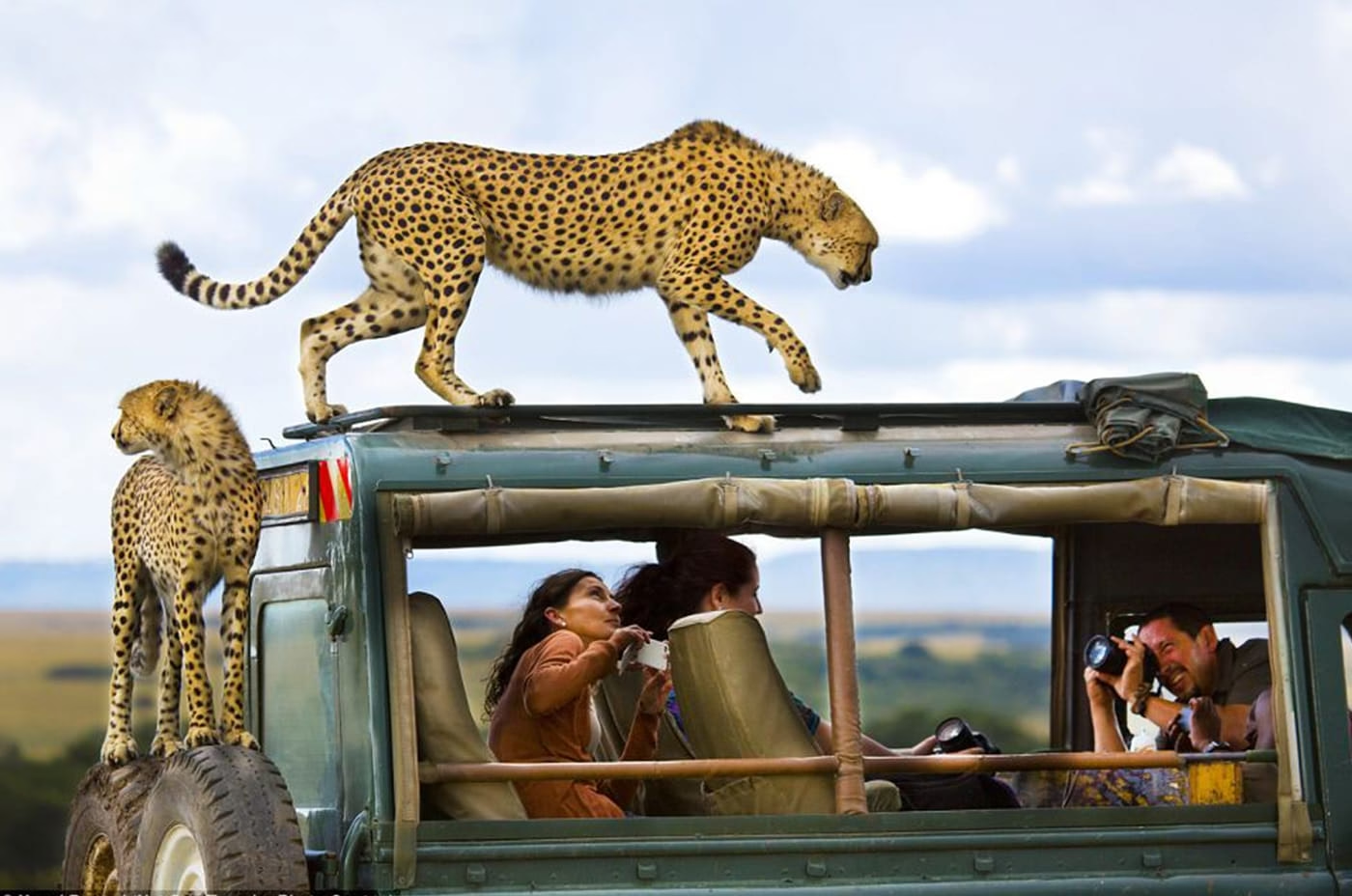
Travel Guide
Learn the top 10 vehicle etiquette tips to enhance your safari experience. Respect wildlife, fellow travelers, and the environment while enjoying the adventure
Understanding Vehicle Etiquette on Safari helps create a safer, quieter, and more rewarding wildlife experience for visitors, guides, and the animals being observed. A safari vehicle provides extraordinary access to natural environments, but being inside a vehicle does not remove the need for responsible behavior.
The supplied source identifies ten essential principles covering guide instructions, noise, remaining inside the vehicle, respect for wildlife, waste, consideration for other travelers, speed, photography, scented products, and taking time to experience nature without constantly using a camera.
These principles are connected.
Good safari etiquette is ultimately about minimizing unnecessary disturbance while allowing everyone in the vehicle to enjoy the journey.
A traveler who understands this before the first game drive is better prepared to participate in wildlife viewing responsibly.
The first and most important principle in the supplied source is to listen to your guide.
Safari guides understand the terrain, park regulations, wildlife behavior, and practical conditions of the area being visited.
Their instructions are not designed to reduce enjoyment.
They are intended to help guests experience wildlife safely and responsibly.
An experienced guide may recognize warning behavior that a visitor does not understand. They may know when a vehicle should remain still, when it should move, or when a particular animal needs additional space.
Following these instructions protects both visitors and wildlife.
Wild animals communicate through posture, movement, sound, and other signals.
A professional guide spends substantial time observing these behaviors.
A tourist seeing an elephant or lion for the first time may interpret an encounter very differently.
The guide’s experience provides context.
Listening also improves wildlife sightings because guides understand where to look and when patience is more useful than movement.
Safari etiquette therefore begins with recognizing the guide as the person responsible for managing the vehicle’s interaction with the environment.
The supplied source emphasizes the importance of controlling noise.
Wildlife responds to sound.
Loud conversation, shouting, music, or sudden noises can disturb animals and reduce the quality of the sighting.
Keeping voices lower allows wildlife to continue behaving more naturally.
It also benefits other travelers.
Someone waiting quietly for a leopard to emerge from vegetation may lose the opportunity if another passenger suddenly becomes loud.
Quiet observation creates a calmer atmosphere for everyone.
Mobile phones can create unnecessary disturbance through ringtones, notifications, videos, and calls.
Silencing a phone before the game drive begins is a simple form of Vehicle Etiquette on Safari.
The aim is not to prevent travelers from using phones for photographs or notes.
It is to avoid artificial sounds interrupting the environment.
A safari provides an opportunity to listen to bird calls, animal vocalizations, wind, insects, and the movement of wildlife.
Reducing electronic noise makes those natural sounds easier to appreciate.
The source states that many parks and reserves require visitors to remain inside the safari vehicle except in designated places or when specifically permitted.
This rule exists for safety.
A landscape can appear peaceful even when potentially dangerous wildlife is nearby.
Predators may be hidden in vegetation, while large herbivores can also pose serious risks.
Getting out of a vehicle without permission changes the relationship between the visitor and the surrounding animals.
Travelers should therefore wait for their guide to confirm when leaving the vehicle is appropriate.
One reason remaining inside the vehicle matters is that human vision is limited.
A visitor may look around and conclude that no dangerous animals are nearby.
The guide may know that a lion is hidden in grass or that elephants have recently moved through the area.
Wildlife can also approach unexpectedly.
Rules are designed around these possibilities rather than only what passengers can see at a particular moment.
Safety depends on respecting the environment even when it appears calm.
The supplied source clearly advises visitors never to feed, call, or touch wild animals.
These actions interfere with natural behavior and can create unsafe situations.
Feeding is particularly problematic because it can encourage animals to associate people or vehicles with food.
Calling to an animal to make it turn toward a camera is also inappropriate.
A genuine wildlife photograph should capture natural behavior rather than behavior deliberately provoked by the visitor.
Responsible wildlife observation means allowing animals enough space to behave naturally.
The safari vehicle should not become the center of the animal’s attention unnecessarily.
When wildlife decides to move away, visitors should accept that decision.
The purpose of safari is to observe wild animals within their own environment.
It is not to control their movement for convenience.
This attitude improves the ethical quality of the encounter and often results in more interesting behavior.
The source emphasizes keeping waste inside the vehicle until it can be disposed of correctly.
This includes ordinary packaging as well as food scraps.
Visitors sometimes assume that biodegradable material is harmless because it will eventually decompose.
The supplied source specifically warns that even food waste can negatively affect an ecosystem.
A national park is not a place to leave anything behind simply because it originated from plants or food.
Every piece of waste should remain with the traveler until an appropriate disposal point is available.
A single wrapper may seem insignificant, but protected areas receive many visitors.
If everyone left one small item behind, the cumulative effect would be substantial.
Waste can also affect wildlife behavior if animals begin investigating human food or packaging.
Keeping the environment clean therefore requires consistent individual responsibility.
Good safari etiquette is often built from small actions that become important when practiced by thousands of visitors.
Safari vehicles frequently carry several passengers.
Everyone has paid for the opportunity to observe and photograph wildlife.
The supplied source advises guests to respect personal space, share viewing opportunities, and avoid unnecessarily blocking another person’s camera.
This becomes especially important when an animal appears on only one side of the vehicle.
Passengers can cooperate rather than competing for the best position.
Taking turns allows everyone to enjoy the encounter.
Photography can create tension when one passenger remains permanently in the best position.
A considerate traveler takes photographs and then creates space for someone else.
The same principle applies when standing is permitted within a vehicle.
People should be aware of who is behind them.
A memorable safari should not depend on preventing another guest from seeing the same animal.
Cooperation creates a better atmosphere throughout the journey.
The source identifies responsible driving as another essential part of safari etiquette.
Speed limits inside protected areas help protect wildlife and visitors.
Animals can cross roads unexpectedly.
Driving too quickly reduces the driver’s ability to respond.
Slow movement also improves wildlife observation.
At high speed, subtle movement in grass or trees is easily missed.
A slower vehicle gives the guide and passengers more time to scan the landscape.
Visitors sometimes become focused on reaching a reported sighting before the animal moves.
This can create pressure to rush.
However, wildlife tourism should not become a race between vehicles.
The journey through the park is itself part of the experience.
Birds, smaller mammals, scenery, tracks, and unexpected encounters can all appear between famous sightings.
Respecting speed limits protects wildlife while encouraging a more observant style of safari.
The supplied source advises limiting flash photography because sudden artificial light can disturb wildlife.
Travelers should instead learn how to work with available light and suitable camera settings.
This is especially relevant during lower-light periods.
A photograph is never important enough to justify unnecessary disturbance.
Photographers should ask their guide about any specific restrictions applying to the destination or species being observed.
A practical way to avoid unnecessary flash is to understand the camera before entering the park.
Travelers can practice changing exposure settings, ISO, shutter speed, or other relevant controls in advance.
This reduces frustration when wildlife appears.
Instead of experimenting while an animal is directly beside the vehicle, the photographer can respond quickly and quietly.
Preparation therefore improves both photography and etiquette.
One of the less obvious recommendations in the source is to reduce the use of strong perfumes and other scented products.
Wildlife often has a much more sensitive sense of smell than humans.
Artificial fragrances can introduce unnecessary odors into the environment.
Strong scents may also be uncomfortable for other passengers sharing a vehicle for several hours.
Using minimal fragrance is therefore considerate on several levels.
The final principle in the supplied source may be one of the most valuable: remember to actually experience the safari.
Modern travelers can become so focused on photographs and video that they view an entire wildlife encounter through a screen.
Photography is rewarding, but it should not replace direct observation.
After taking several photographs, lowering the camera allows visitors to watch body language, listen to sounds, and absorb the landscape.
These moments often become stronger memories than hundreds of nearly identical images.
Putting the camera down can also improve understanding.
A lion resting under a tree may appear inactive in a photograph, but extended observation may reveal interactions between pride members.
Elephants may communicate through subtle movements.
Antelopes may suddenly become alert because they have detected a predator.
These details require attention.
Safari becomes much more interesting when visitors move beyond identifying species and begin observing behavior.
The source mentions destinations such as the Serengeti, Maasai Mara, and Murchison Falls.
Although individual parks have their own regulations, the broader etiquette principles remain useful across safari destinations.
Listen to the guide, remain quiet when appropriate, stay inside unless permitted to leave, respect animals, avoid litter, share space, follow driving rules, photograph responsibly, reduce unnecessary scents, and remain present in the experience.
These habits travel well from one destination to another.
Responsible behavior is sometimes presented as a list of restrictions.
In reality, good etiquette often produces better wildlife encounters.
Quiet passengers are more likely to observe natural behavior.
Patient vehicles give animals space to move comfortably.
Cooperative guests create a more relaxed atmosphere.
Responsible photography reduces disturbance.
Slow driving makes it easier to notice smaller wildlife.
The rules therefore do not compete with enjoyment. They help create it.
Good Vehicle Etiquette on Safari comes down to awareness.
Travelers need to remain aware of their guide, wildlife, fellow passengers, park rules, and the environment.
The safari vehicle provides access to extraordinary natural places, but that access comes with responsibility.
Listening to professional guidance, reducing noise, staying inside where required, refusing to feed or provoke animals, managing waste correctly, sharing viewing space, respecting speed limits, limiting flash, avoiding overpowering scents, and occasionally putting the camera down all contribute to a better journey.
When visitors behave thoughtfully, wildlife has more opportunity to remain natural, guides can do their jobs effectively, and everyone in the vehicle has a stronger chance of leaving with meaningful memories of the African wilderness.

Nshongi Gorilla Family in Bwindi: History, Location and Trekking Guide The Nshongi Gorilla Family holds an important place…
Read article →
Mishaya Gorilla Family in Bwindi: History, Trekking and What to Know The Mishaya Gorilla Family is one of…
Read article →
Semuliki Hot Springs Visit Guide: What to Expect Semuliki Hot Springs offers one of the most unusual natural…
Read article →
Kidepo Valley Remote Safari Guide: What to Expect Kidepo Valley National Park offers one of Uganda's most remote…
Read article →