
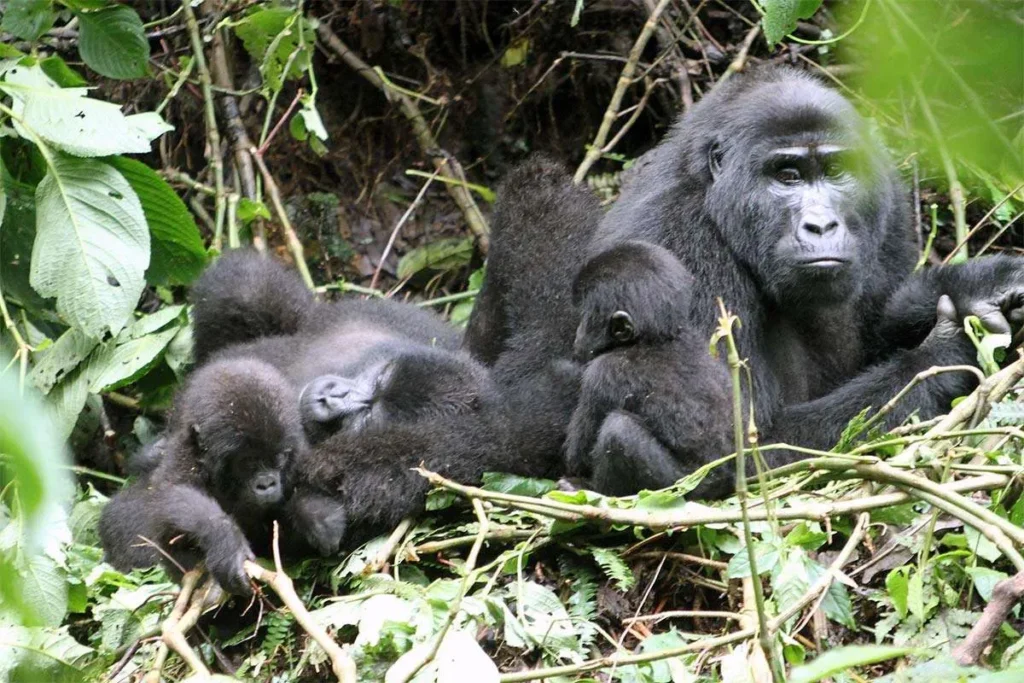
Nshongi Gorilla Family in Bwindi
Nshongi Gorilla Family in Bwindi: History, Location and Trekking Guide The Nshongi Gorilla Family holds an important place…
Read article →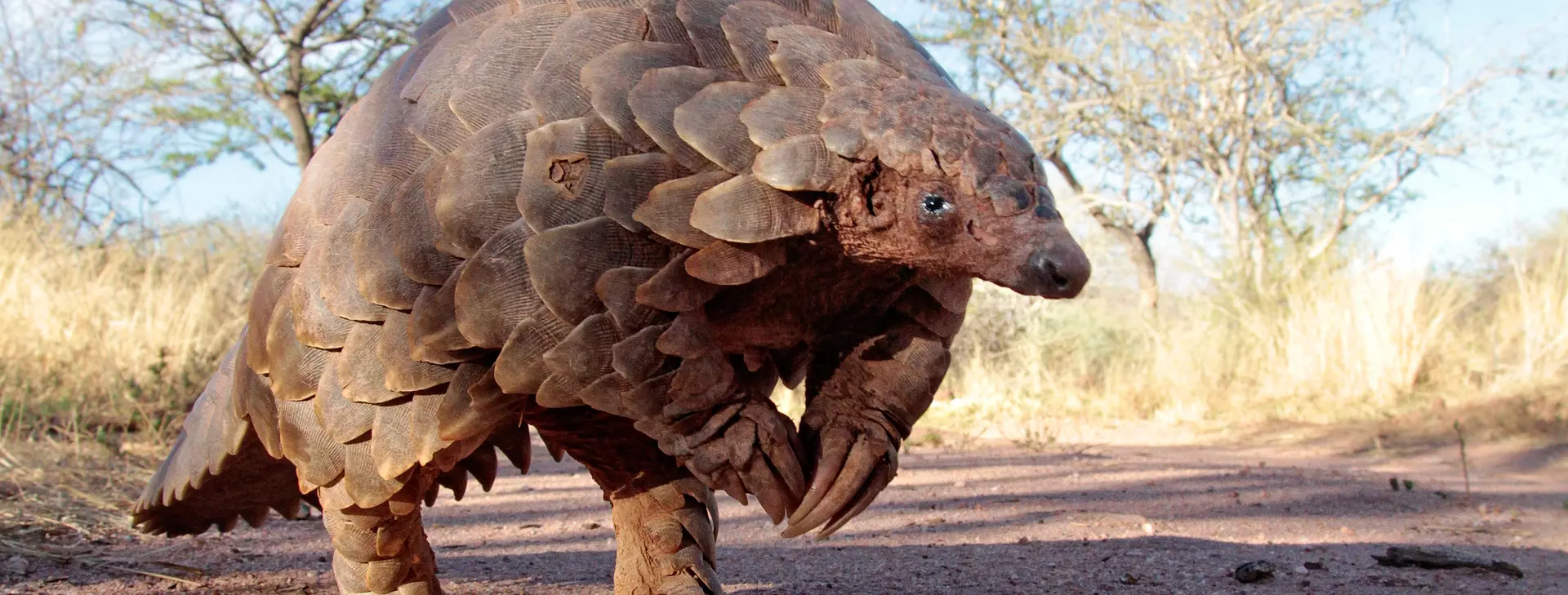
Blog
Pangolin conservation Africa has become increasingly important as illegal wildlife trafficking continues to threaten these remarkable mammals. Pangolins have protective scales and a specialized diet of ants and termites. Their unusual appearance makes them highly recognizable.…
Extraordinary Encounters
Last a Lifetime
Pangolin conservation Africa has become increasingly important as illegal wildlife trafficking continues to threaten these remarkable mammals. Pangolins have protective scales and a specialized diet of ants and termites.
Their unusual appearance makes them highly recognizable. Unfortunately, it has also made them targets for illegal trade.
Conservation organizations now work to protect pangolins through law enforcement, habitat protection, rescue programs, and public education.
Pangolins are mammals covered with overlapping keratin scales. They curl into a tight ball when they feel threatened.
Africa has several pangolin species. They live in different habitats, including forests, savannahs, and grasslands.
Pangolins use powerful claws to open termite mounds and ant nests. Their long, sticky tongues then help them collect insects.
Illegal wildlife trafficking remains one of the biggest threats to pangolins. Their scales have been illegally traded in international markets.
Pangolin meat also enters illegal wildlife markets in some regions. These pressures can reduce local populations quickly.
Habitat loss creates another challenge. Agriculture, logging, development, and other activities can destroy suitable pangolin habitats.
Africa has four recognized pangolin species. They include the ground pangolin, tree pangolin, giant pangolin, and white-bellied pangolin.
Each species has different habitat preferences and behaviors. Their conservation needs therefore vary across different regions.
The giant pangolin remains particularly associated with central and western African forests and savannah habitats.
Pangolins have one of the most unusual defenses among African mammals. Their overlapping scales provide strong physical protection.
When threatened, they curl their bodies into a ball. Their scales create a protective shield around their vulnerable areas.
They can also use their powerful tails as part of their defense.
Pangolins help control insect populations. Their feeding behavior can reduce numbers of ants and termites.
They also disturb soil while digging for food. This activity can contribute to soil movement and ecosystem processes.
Protecting pangolins therefore supports broader ecosystem health.
Wildlife rescue centers play an important role in pangolin conservation Africa. Rescued animals may receive medical care before conservation teams assess their chances of returning to the wild.
Rehabilitation requires specialized knowledge. Pangolins have specific diets and behaviors that make their care challenging.
Successful releases require suitable habitats and careful monitoring.
Pangolins occur across parts of central, eastern, southern, and western Africa. Their distribution varies by species.
Uganda, Kenya, Tanzania, Zambia, Zimbabwe, South Africa, and several central African countries provide pangolin habitats.
However, spotting one during a normal safari remains difficult. Pangolins are often nocturnal and naturally secretive.
Travelers can support reputable conservation organizations and responsible wildlife tourism projects.
They should never purchase pangolin scales, meat, or products made from pangolins. Avoiding illegal wildlife products reduces demand.
Supporting conservation education can also help protect these unusual animals.

Nshongi Gorilla Family in Bwindi: History, Location and Trekking Guide The Nshongi Gorilla Family holds an important place…
Read article →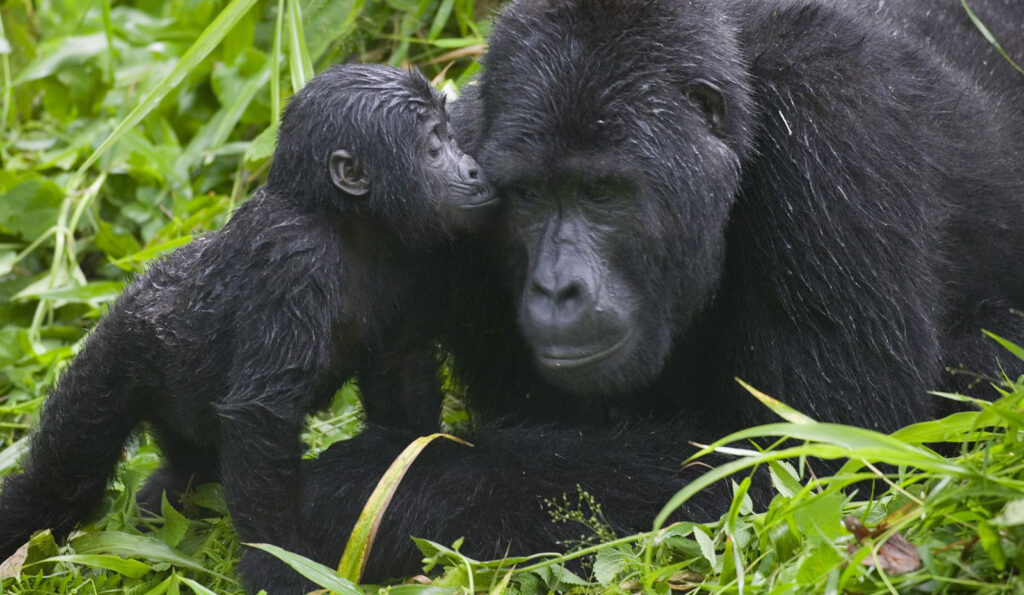
Mishaya Gorilla Family in Bwindi: History, Trekking and What to Know The Mishaya Gorilla Family is one of…
Read article →
Semuliki Hot Springs Visit Guide: What to Expect Semuliki Hot Springs offers one of the most unusual natural…
Read article →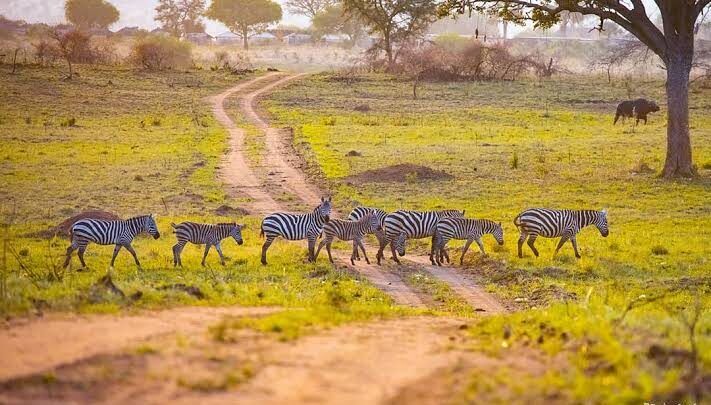
Kidepo Valley Remote Safari Guide: What to Expect Kidepo Valley National Park offers one of Uganda's most remote…
Read article →