
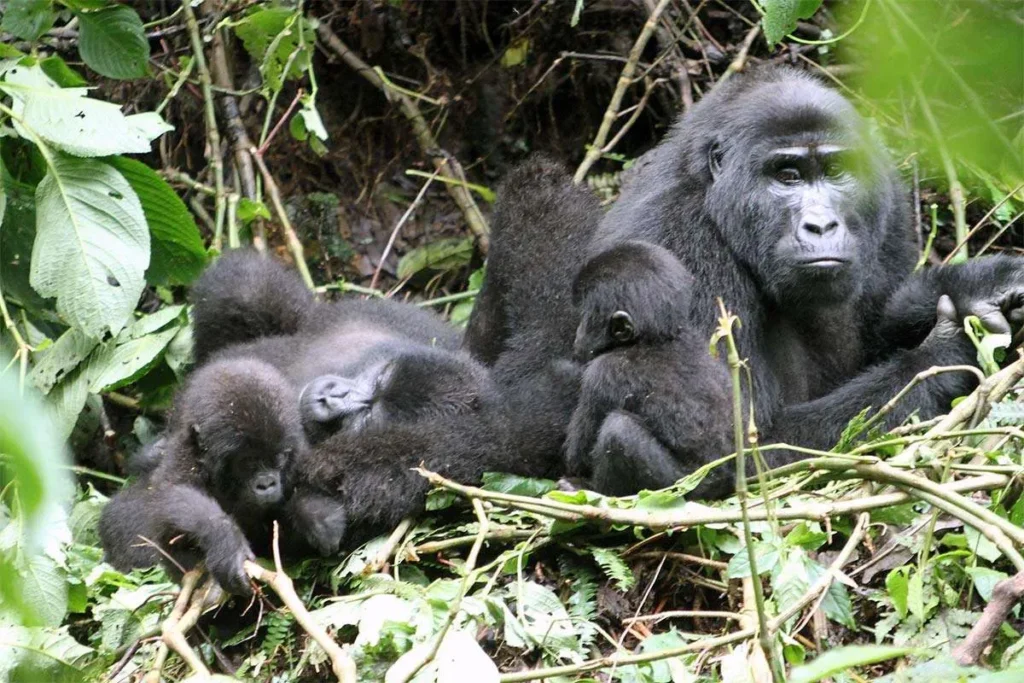
Nshongi Gorilla Family in Bwindi
Nshongi Gorilla Family in Bwindi: History, Location and Trekking Guide The Nshongi Gorilla Family holds an important place…
Read article →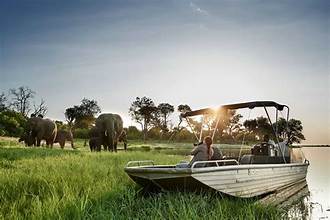
Blog
Planning an African safari does not always mean choosing between expensive peak-season travel and unpredictable low-season conditions. Shoulder season safari deals offer a useful middle ground for travelers who want favorable weather, good wildlife viewing, fewer…
Extraordinary Encounters
Last a Lifetime
Planning an African safari does not always mean choosing between expensive peak-season travel and unpredictable low-season conditions. Shoulder season safari deals offer a useful middle ground for travelers who want favorable weather, good wildlife viewing, fewer crowds, and better prices.
Shoulder season refers to the transition period between peak and low travel seasons. These months often bring changing weather patterns and moderate visitor numbers, while safari lodges may offer more attractive rates than during their busiest periods.
For many travelers, shoulder season provides one of the best combinations of value and experience. You can often enjoy excellent wildlife encounters while staying in properties that might cost considerably more during peak season.
Shoulder season occurs between the busiest and quietest travel periods. The exact dates vary according to the country, national park, weather patterns, wildlife movements, and tourism demand.
In East Africa, shoulder periods can occur around June, October, November, and parts of December. Some destinations also consider January and February as transitional periods between different safari seasons.
Southern Africa follows different seasonal patterns. Countries such as South Africa, Botswana, Zambia, Zimbabwe, and Namibia have their own peak and low periods.
Understanding each destination’s seasonal calendar helps you identify the best opportunities for value.
Shoulder season offers several advantages for travelers who want more flexibility. Accommodation rates may remain below peak-season prices, while weather conditions can still support excellent game drives.
Visitor numbers also tend to decrease compared with the busiest months. This can make popular wildlife sightings feel more relaxed and provide better opportunities for photography.
The landscapes can also become particularly attractive during transitional periods. Some months provide a mixture of green vegetation and improving wildlife visibility.
For travelers who want a balance between price and conditions, shoulder season can become an excellent choice.
Uganda offers safari opportunities throughout the year, including gorilla trekking, chimpanzee trekking, wildlife safaris, and boat experiences.
June can provide a useful shoulder period before the busiest July to September season. The weather often remains favorable, while visitor numbers may not yet reach their seasonal peak.
October can also offer attractive conditions after the main dry season. The landscape can remain relatively green, while wildlife viewing continues across major national parks.
Travelers should remember that gorilla permits have fixed costs, so accommodation and transport often provide the main opportunities for savings.
Rwanda offers gorilla trekking, chimpanzee trekking, wildlife safaris, and cultural experiences throughout the year.
May and October can provide opportunities for travelers seeking fewer visitors around the main trekking destinations. Rainfall can occur, but the forests remain lush and beautiful.
Rwanda’s gorilla permit price remains an important part of the safari budget. Travelers looking for overall savings should therefore focus on accommodation, transportation, and itinerary design.
A shoulder-season trip can work particularly well for travelers who want a quieter trekking experience.
Kenya provides excellent opportunities for shoulder-season safari travel.
June can offer favorable conditions before the main July to October migration period. The Masai Mara remains home to abundant resident wildlife even before the large wildebeest herds arrive.
October can provide another attractive window as the main migration period begins to wind down. Wildlife viewing can remain excellent, while visitor numbers may start declining.
Travelers can also combine the Masai Mara with Amboseli, Lake Nakuru, Samburu, or other Kenyan destinations.
Tanzania provides several opportunities for shoulder-season travel.
June can offer an excellent balance between weather and visitor numbers. The Serengeti becomes increasingly important as wildebeest begin moving north toward the Western Corridor and eventually the northern Serengeti.
October can also provide strong wildlife viewing. The Great Migration may still be active in northern Serengeti, although herd locations vary from year to year.
Travelers who want migration experiences should select dates based on expected herd movements rather than price alone.
South Africa offers flexible safari opportunities because destinations such as Kruger National Park remain accessible throughout the year.
April and May can provide attractive shoulder-season conditions. The weather becomes cooler and drier, while vegetation begins thinning in many areas.
September and October can also offer interesting conditions before the hotter summer period arrives. Wildlife viewing can remain strong, while landscapes may retain some greenery.
Private reserves sometimes offer seasonal promotions during these transitional months.
Botswana offers premium safari experiences, but shoulder periods can provide better value than peak months.
April and May can bring changing water levels in the Okavango Delta. Wildlife patterns can shift as the floodwaters move through different channels.
October can offer excellent wildlife viewing as the dry season continues. Animals often gather around remaining water sources, while visitor numbers may begin changing toward the end of the season.
Botswana remains relatively expensive compared with several East African destinations, so even a moderate seasonal reduction can make a meaningful difference.
Zambia’s safari seasons depend strongly on rainfall and park accessibility.
May and June can provide an interesting transition from the wet season toward drier conditions. The landscape can remain green, while roads gradually become easier to navigate.
October can provide excellent wildlife viewing, particularly around water sources. However, temperatures can become high during the late dry season.
Travelers should confirm lodge opening dates because some properties close during parts of the wet season.
Zimbabwe provides strong opportunities for shoulder-season safari travel.
May and June can offer favorable weather and excellent wildlife viewing. Hwange National Park begins moving toward the dry-season pattern, while animals increasingly depend on available water sources.
October can also provide strong wildlife viewing, although temperatures can become very high.
Victoria Falls adds another consideration because water levels change dramatically throughout the year. Travelers should choose dates according to both safari and waterfall preferences.
Namibia offers a distinctive safari experience based on desert landscapes, wildlife, and dramatic scenery.
April and May can provide attractive conditions after the rainy season. Temperatures become more comfortable, while landscapes may retain some greenery.
October can become warmer but still provides excellent wildlife viewing in destinations such as Etosha National Park.
Namibia also works well for self-drive travelers, making shoulder-season travel particularly attractive for independent adventurers.
Shoulder-season travel can provide opportunities to experience parts of the Great Wildebeest Migration without visiting during the busiest periods.
June represents the transition toward the northern migration. Large herds can move through the Western Corridor and central Serengeti.
October marks the later part of the northern migration period. Some herds may begin moving south toward the Serengeti’s central and southern plains.
The exact timing changes annually because rainfall controls much of the migration.
Gorilla trekking operates throughout the year in Uganda and Rwanda. Shoulder periods can offer a quieter trekking environment than the busiest travel months.
The forest remains beautiful during wetter periods, while rainfall creates lush vegetation. However, trails can become slippery and muddy.
Travelers should prepare with waterproof clothing, sturdy hiking boots, and suitable trekking equipment.
Because gorilla permits represent a significant fixed cost, the biggest savings often come from accommodation and transport.
Photographers can find excellent opportunities during shoulder seasons.
Green landscapes can provide beautiful backgrounds, while moderate visitor numbers may reduce the number of vehicles around wildlife sightings.
Cloud formations can also create dramatic skies. Morning and evening light remains particularly attractive for wildlife photography.
Travelers should carry rain protection for cameras and lenses if visiting during transitional periods with increased rainfall.
Peak season generally offers the most predictable weather and high wildlife demand. However, accommodation rates can rise significantly, and popular parks can become busy.
Shoulder season usually offers a compromise. Weather remains reasonably favorable in many destinations, while prices and visitor numbers may decline.
Peak season may remain the better option for travelers with specific goals such as Mara River crossings. Shoulder season can work better for flexible travelers who prioritize value and quieter experiences.
Low season generally offers the lowest rates but can bring more challenging weather and reduced accessibility in some destinations.
Shoulder season often provides better conditions while still offering some savings. Lodges remain more likely to operate, and roads generally provide better access than during the wettest months.
This makes shoulder season particularly attractive for first-time safari travelers.
Start by identifying the destination you want to visit and then research its specific seasonal calendar. Do not assume that shoulder season occurs during the same months across Africa.
Ask safari operators about seasonal accommodation promotions, complimentary nights, room upgrades, and reduced rates.
Compare several lodges because individual properties may define their seasons differently. One lodge may offer a shoulder-season discount while another maintains its standard rate.
You should also compare the complete package price, including accommodation, meals, park fees, transport, activities, and domestic flights.
One of the most attractive shoulder-season offers involves complimentary nights.
A lodge might offer a stay-three-pay-two or stay-four-pay-three promotion during selected dates. These offers can reduce the effective nightly cost without changing the quality of the accommodation.
Longer itineraries often provide greater opportunities to benefit from these promotions.
Always check the promotion’s terms because blackout dates, minimum stays, and room-category restrictions may apply.
Private conservancies can provide a different safari experience from national parks.
Some conservancies offer flexible activities such as walking safaris, night drives, and off-road wildlife viewing. They may also provide seasonal promotions during quieter periods.
Kenya’s conservancies around the Masai Mara provide particularly interesting options for travelers seeking fewer vehicles.
Combining a national park with a private conservancy can create a varied safari itinerary.
A local safari operator can help identify seasonal offers that may not appear on international booking platforms.
Operators often work with several lodges and can compare availability and rates across different properties.
They can also advise you about road conditions, wildlife movements, weather patterns, and seasonal activities.
This becomes particularly valuable when your itinerary covers multiple countries or includes gorilla trekking and safari experiences.
Yes, shoulder-season safaris can provide excellent value for travelers who want a balance between cost and experience.
You can often enjoy lower accommodation rates, fewer tourists, attractive landscapes, and strong wildlife viewing. The main consideration involves accepting some variation in weather.
Travelers with flexible expectations can benefit significantly from this approach.
Rather than choosing travel dates based solely on the cheapest price, consider the wildlife experience you want and then identify the shoulder period that supports it.
Shoulder season safari deals offer an excellent way to experience Africa while avoiding some of the highest peak-season prices. These periods can provide a useful balance between favorable weather, wildlife viewing, accommodation availability, and visitor numbers.
June and October can provide attractive opportunities across parts of East Africa, while April, May, September, and October can offer interesting shoulder-season conditions in several Southern African destinations.
The best dates depend entirely on your chosen destination and safari goals. Migration safaris, gorilla trekking, desert wildlife, Victoria Falls, and beach combinations all follow different seasonal patterns.
By working with a knowledgeable safari operator and remaining flexible with your dates, you can find excellent value without compromising the quality of your African adventure.

Nshongi Gorilla Family in Bwindi: History, Location and Trekking Guide The Nshongi Gorilla Family holds an important place…
Read article →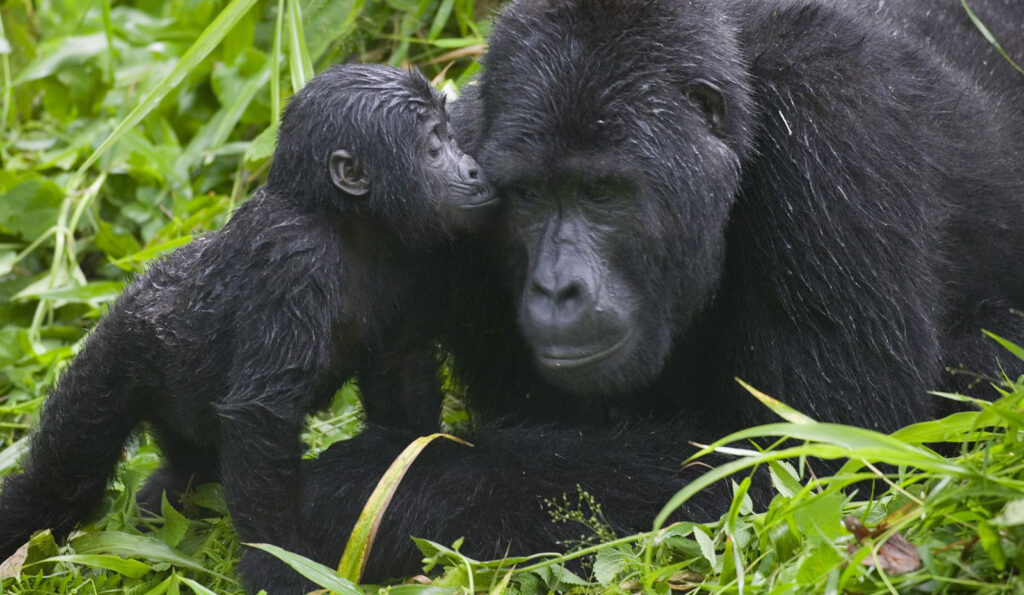
Mishaya Gorilla Family in Bwindi: History, Trekking and What to Know The Mishaya Gorilla Family is one of…
Read article →
Semuliki Hot Springs Visit Guide: What to Expect Semuliki Hot Springs offers one of the most unusual natural…
Read article →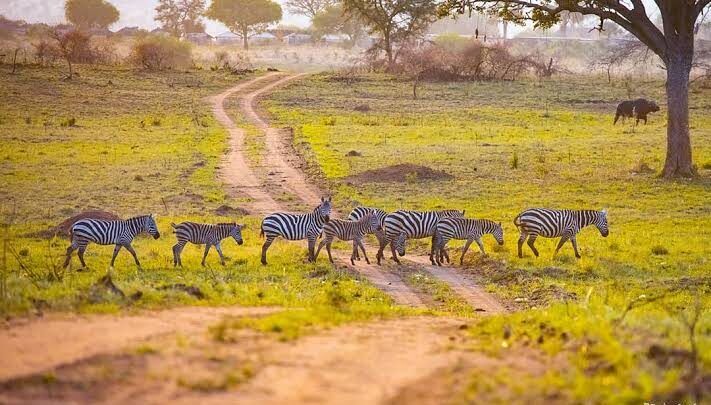
Kidepo Valley Remote Safari Guide: What to Expect Kidepo Valley National Park offers one of Uganda's most remote…
Read article →