Tour Idea
Private Tea plantation tour Holidays in Rwanda for Budget travellers
Explore Rwanda's tea country on a private budget-friendly plantation tour with estate landscapes, tea production insights and practical travel advice.
- Thoughtfully Paced Time to see the place, not only tick it
- Expert Planning Permits, lodges and transfers in one plan
- Wildlife & Culture Parks, communities and scenic rest days
Overview
Rwanda's tea-growing regions reveal a quieter side of the country beyond mountain gorillas, game drives and Kigali city tours. Hills covered in carefully maintained rows of tea create striking landscapes, while visits connected with tea production provide insight into one of Rwanda's important agricultural industries. A private tea plantation tour in Rwanda for budget travellers makes it possible to experience these landscapes without turning the journey into an expensive luxury holiday.
Tea experiences work particularly well within longer journeys through western and southwestern Rwanda. Travellers visiting Nyungwe Forest can often incorporate tea country into the wider itinerary, creating a combination of forest wildlife, rural scenery and local economic life.
For budget-conscious visitors, the experience can also provide valuable variety. Rather than adding another expensive permit-based wildlife activity, travellers can spend time learning about agriculture and rural Rwanda while keeping the overall safari cost more manageable.
Discovering Rwanda's Tea Country
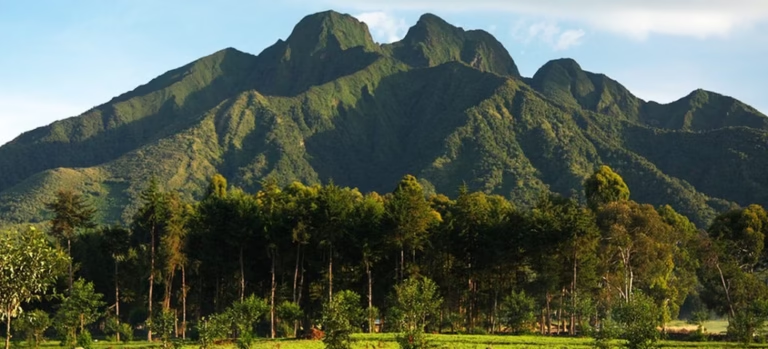
Rwanda's high elevations, rainfall and fertile landscapes provide suitable conditions for tea cultivation. Large areas of western and southwestern Rwanda contain plantations where bright green tea fields stretch across rolling hills.
For visitors accustomed to seeing packaged tea only in shops, visiting a tea-growing area creates an entirely different understanding of the product.
The experience begins with the landscape itself. Rows of tea plants follow the shape of hillsides, producing patterns that can be especially attractive in morning or late-afternoon light.
Depending on the particular programme and current access arrangements, visitors may learn about cultivation, harvesting and processing.
A Rwanda tea tour is therefore both scenic and educational.
Why Tea Tours Suit Budget Travellers
Many of Rwanda's most famous experiences involve significant permit or accommodation costs. Gorilla trekking, in particular, represents a substantial investment, with the standard Rwanda gorilla permit currently costing USD 1,500 per person.
Tea country offers a different type of experience.
Travellers can learn about Rwanda's rural economy and landscapes without requiring a premium wildlife permit. This makes a plantation visit particularly useful when designing an itinerary that combines one major high-cost experience with several more affordable activities.
Private transportation does add cost, especially for solo travellers, but it also allows the tea experience to be incorporated efficiently into an existing route rather than requiring a separate journey.
What to Expect from a Tea Plantation Experience
Tea experiences vary depending on the estate, region and current visitor programme.
A visit may introduce travellers to the growing environment and explain how tea is cultivated. Where appropriate, visitors can learn about harvesting and how leaves move through different stages before becoming the tea consumed around the world.
The experience should not be treated as though every plantation offers the same activities.
Access to processing facilities, participation in field activities and tasting arrangements can differ. These details should therefore be confirmed when the itinerary is booked.
What remains consistent is the opportunity to see Rwanda's agricultural landscape from a perspective that conventional safari itineraries sometimes overlook.
Understanding Tea Production
Tea production involves much more than simply picking leaves.
The quality of the plant material, timing of harvesting and subsequent processing all influence the finished product.
A guided experience can help travellers understand why certain leaves are selected and how processing transforms fresh plant material into a product suitable for brewing.
For budget travellers, educational experiences such as these can add substantial value without requiring elaborate facilities.
The aim is not simply to walk through a scenic plantation. Understanding the relationship between the landscape, workers, production process and final product makes the visit far more meaningful.
Tea Landscapes and Photography
Tea plantations are among Rwanda's most distinctive agricultural landscapes.
Repeating rows of green plants create strong patterns, while surrounding hills provide depth to photographs. Mist and changing weather can add atmosphere.
Budget travellers do not need professional photography equipment to enjoy these scenes. A smartphone or simple camera can capture impressive images when used thoughtfully.
Visitors photographing plantation workers should request permission rather than treating people as part of the scenery.
A wider composition showing workers within the landscape can sometimes communicate more about tea production than a close portrait.
Combining Tea Country with Nyungwe Forest
One of the most logical combinations is a tea plantation tour and Nyungwe Forest safari.
Nyungwe lies in southwestern Rwanda and protects an extensive montane forest known for primates, birds and remarkable biodiversity.
Travellers can spend several nights in the region, using one day or part of a day for a tea-related experience and other periods for selected forest activities.
This arrangement reduces unnecessary transfers because both experiences can be incorporated into the same broader region.
Budget travellers should still consider accommodation and activity costs carefully, particularly when chimpanzee trekking or other permit-based activities are added.
Combining Tea Tours with Chimpanzee Trekking
Travellers interested in primates may use tea country as a cultural and scenic complement to chimpanzee trekking in Rwanda.
Chimpanzee experiences provide an active wildlife component, while a plantation visit offers a slower educational experience.
Combining the two prevents the itinerary from becoming repetitive.
After an early forest activity, a tea experience may be scheduled for another day when travellers want something less physically demanding.
The precise programme should account for road travel, activity starting times and current availability.
Budget Accommodation and Route Planning
Accommodation selection is one of the easiest ways to control the cost of a Rwanda journey.
Visitors do not need to stay exclusively in luxury forest lodges to enjoy southwestern Rwanda. Depending on the route, comfortable mid-range properties may provide the necessary facilities at a more manageable price.
Location matters.
An inexpensive hotel that requires extensive additional driving every day may not represent genuine savings. Travellers should compare the full logistical cost rather than simply the nightly room rate.
Private transport can then connect accommodation, plantations and other attractions efficiently.
How Long Should You Spend?
A tea plantation experience can normally be incorporated into a broader day rather than requiring an entire holiday by itself.
However, travellers interested in agriculture, photography or rural culture may want additional time.
The wider southwestern Rwanda region deserves several days when Nyungwe Forest is also included.
Trying to travel from Kigali, complete activities and return immediately can create an exhausting schedule.
Budget travel should still be comfortable. Saving money by compressing too much into one day often reduces the quality of the experience.
What to Wear
Tea-growing areas can be wet, particularly after rain.
Comfortable closed shoes are preferable to delicate footwear. Lightweight trousers and practical outdoor clothing work well.
A rain jacket should be available because Rwanda's highland weather can change quickly.
Sun protection remains useful during clearer periods.
Travellers continuing into Nyungwe Forest should bring appropriate hiking equipment according to their selected activities.
Supporting Responsible Tourism
Plantation tourism should be approached with respect for the people whose workplace visitors are entering.
Travellers should follow the instructions of guides and avoid interfering with agricultural operations.
Photography should be considerate, especially when workers are involved.
Where local products are legitimately available for purchase, buying tea can provide a practical reminder of the visit while supporting the local value chain.
Visitors should also avoid leaving litter or damaging plants simply to create photographs.
Tea Tours for First-Time Rwanda Visitors
First-time visitors sometimes build their entire itinerary around famous wildlife experiences.
While gorillas deserve their international reputation, including a tea plantation can reveal a more complete picture of Rwanda.
Agriculture shapes much of the country's rural landscape. Seeing how tea is produced connects visitors to an important part of everyday economic life.
This makes the experience particularly valuable for travellers interested in understanding the destination rather than simply collecting wildlife sightings.
Best Time for Tea Country
Tea landscapes remain attractive throughout much of the year because Rwanda's highland climate supports green vegetation.
Weather conditions vary, and rainfall should always be expected as a possibility.
Rather than choosing travel dates solely for the tea plantation, most visitors should coordinate the experience with their broader Rwanda itinerary.
Travellers combining Nyungwe, Volcanoes National Park and Akagera may select dates based on the complete safari.
Combining Tea with a Longer Rwanda Circuit
A longer journey can begin in Kigali before continuing toward Nyungwe and Rwanda's tea-growing landscapes.
Travellers may then travel toward Lake Kivu and eventually Volcanoes National Park.
With additional time, Akagera National Park can introduce savannah wildlife.
This creates an itinerary containing urban culture, agriculture, rainforest, primates, lakes and traditional safari landscapes.
Budget travellers can keep costs controlled by mixing carefully chosen accommodation categories and prioritising only the permit-based activities that matter most.
Planning a Private Budget Tea Plantation Tour
A successful private Rwanda tea plantation tour for budget travellers should be integrated logically into the route rather than added simply to increase the number of activities.
Confirm what the selected tea experience actually includes, how long it takes and how it connects with accommodation and other attractions.
Choose practical accommodation and avoid unnecessary road transfers.
Most importantly, approach the experience with curiosity. Tea country provides an opportunity to understand Rwanda through its landscapes, agriculture and people.
Combined with Nyungwe Forest or a wider Rwanda safari, it adds a distinctive cultural and scenic dimension without requiring every day of the holiday to revolve around expensive wildlife permits.
Plan Your Safari with Gecko Safaris Africa and include Rwanda's tea-growing landscapes within an affordable journey through the country's forests, communities and national parks.