Tour Idea
Budget Tea plantation tour Holidays in Rwanda for Seniors
Discover affordable Rwanda tea plantation tours for seniors with scenic highlands, gentle activities, Nyungwe combinations and practical travel advice.
- Thoughtfully Paced Time to see the place, not only tick it
- Expert Planning Permits, lodges and transfers in one plan
- Wildlife & Culture Parks, communities and scenic rest days
Overview
A budget tea plantation tour in Rwanda for seniors offers a comfortable way to explore the country's countryside without requiring every day to involve strenuous hiking or expensive wildlife permits. Rwanda's tea-growing regions are characterised by green hills, cultivated fields and communities whose livelihoods are connected with agriculture. For older travellers interested in scenery, culture and local production, these landscapes can become an important part of a broader Rwanda journey.
Tea experiences are particularly useful in a senior itinerary because they can usually be approached at a measured pace. Visitors can learn about cultivation and processing while enjoying the surroundings without the physical uncertainty associated with tracking wildlife through dense forest.
Senior travellers should still consider mobility and walking conditions. Plantation paths can be uneven or damp, especially after rain. Good footwear, realistic pacing and clear communication with the operator make the experience more comfortable.
Rwanda's Highland Tea Country
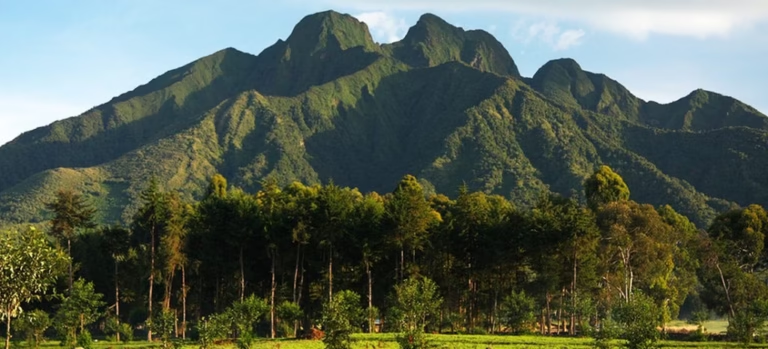
Rwanda's elevation and rainfall create suitable conditions for commercial tea cultivation. Plantations can be found in scenic highland regions, including areas associated with journeys toward Nyungwe National Park.
The rows of tea bushes form distinctive patterns across the landscape. For visitors, the scenery is immediately attractive, but the agricultural importance is equally interesting.
A Rwanda tea plantation tour can explain how tea is cultivated, picked and prepared for processing. Travellers gain a better understanding of the amount of work required before the final product reaches the consumer.
Senior visitors who enjoy agriculture, gardening or food traditions may find these explanations especially rewarding.
A Comfortable Activity for Older Travellers
Tea tourism can often be adapted more easily than demanding trekking. Seniors can discuss walking distances and terrain before the excursion begins.
Those with limited mobility should ask whether the planned route includes steep sections or prolonged standing.
Travellers who use walking poles may find them useful on damp ground. Assistance should be accepted when needed rather than avoiding it simply for the sake of independence.
A good operator can help match the experience to the traveller's actual ability.
Learning How Tea Is Produced
Fresh tea leaves undergo several stages before becoming the familiar dried product.
The exact content of a tour depends on the plantation and programme, but visitors may learn about picking standards, handling and processing.
This transforms the experience from a simple scenic walk into a deeper agricultural lesson.
A tasting can provide a satisfying conclusion because visitors understand more about the product they are drinking.
Keeping Costs Reasonable
Budget-conscious seniors do not need to compromise basic comfort. The goal should be good value rather than selecting the cheapest possible services.
Mid-range hotels and guesthouses can provide comfortable beds, private bathrooms and suitable meals without luxury pricing.
Private transport can appear expensive for one or two travellers, but it provides valuable flexibility. Departure times and rest stops can be adjusted according to comfort.
Combining the plantation tour with nearby destinations also prevents unnecessary transport costs.
Nyungwe National Park as a Natural Addition
Tea-growing landscapes near southwestern Rwanda can be combined with Nyungwe National Park.
Senior travellers do not need to participate in the park's most demanding activities to appreciate the region. Birdwatching, suitable nature experiences and scenic drives can be selected according to ability.
Active seniors may consider the canopy walkway or primate activities after assessing the physical requirements carefully.
The combination of protected rainforest and cultivated tea country demonstrates two contrasting uses of Rwanda's highland environment.
Lake Kivu for Rest and Scenery
After Nyungwe and tea country, Lake Kivu can provide a slower stage of the holiday.
Seniors can enjoy the views, relax at a lakeside property and arrange suitable excursions without maintaining a demanding daily schedule.
This is particularly useful for travellers who prefer alternating active days with rest.
A few nights beside the lake can make the entire itinerary feel more balanced.
Choosing Senior-Friendly Accommodation
Travellers should ask about stairs, room location and walking distances within accommodation properties.
A beautiful lodge on steep grounds may be inconvenient for someone with reduced mobility. A simpler hotel with easy access can sometimes provide a better experience.
Ground-floor rooms should be requested when appropriate.
Bathroom arrangements and access to dining areas may also matter more than decorative luxury features.
Health and Personal Preparation
Senior travellers should carry enough regular medication for the complete journey.
Any medical condition that could be affected by altitude, prolonged travel or physical activity should be discussed with an appropriate healthcare professional before departure.
Hydration remains important even in Rwanda's cooler highland areas.
Travel insurance should also be reviewed carefully so that travellers understand the activities and circumstances covered.
Photography Without Heavy Equipment
Tea plantations offer excellent photography without requiring large wildlife lenses.
A lightweight camera or smartphone can capture broad views of the plantations and surrounding hills.
Travellers who use interchangeable-lens cameras may find a standard zoom sufficient.
Keeping equipment light is particularly useful for seniors who want to conserve energy while walking.
Respecting Working Agricultural Areas
Tea estates and surrounding farms are productive landscapes rather than outdoor museums.
Visitors should follow their guide and avoid entering restricted areas. Plants should not be picked unless the activity specifically permits participation.
Workers should be treated respectfully, and permission should be requested before taking close portraits.
Responsible behaviour creates a more genuine relationship between tourism and the communities involved.
Travelling During Different Seasons
Rwanda's tea landscapes remain attractive throughout much of the year, although rainfall affects walking conditions.
Relatively dry periods may provide easier paths for seniors concerned about slipping. Rainforest and highland regions can still receive showers during these months.
Waterproof outerwear should therefore remain part of the packing list.
Travellers with flexible schedules can discuss seasonal conditions with their operator before choosing dates.
Combining Tea with Cultural Experiences
A tea tour can be paired with other cultural experiences that do not require strenuous physical activity.
Food, crafts, local markets and coffee experiences can help seniors understand different aspects of Rwanda.
Kigali provides another cultural dimension, combining modern city life with important historical sites.
The result can be a varied holiday even without undertaking demanding treks.
Adding Wildlife to the Journey
Seniors who want classic wildlife can include Akagera National Park.
Game drives allow travellers to search for elephants, giraffes, buffalo, rhinoceroses, lions and other animals largely from the comfort of a safari vehicle.
A boat safari provides additional wildlife viewing from the water.
Combining Akagera with tea country and Lake Kivu creates substantial ecological variety.
Designing an Efficient Route
An effective Rwanda holiday for seniors should minimise unnecessary backtracking.
Travellers can begin in Kigali, continue toward Nyungwe and the surrounding tea country, then spend time around Lake Kivu.
Depending on the available days, the route can continue toward northern Rwanda or return to Kigali.
Several nights in each major area are generally more comfortable than constant one-night stops.
A Gentle Introduction to Rural Rwanda
A budget tea plantation tour holiday in Rwanda for seniors provides a meaningful way to explore the country beyond its famous primates. Tea landscapes combine natural beauty with agricultural history and the daily work of local communities.
The experience can be adapted to different physical abilities, while nearby Nyungwe and Lake Kivu provide opportunities to expand the journey without excessive transfers.
With suitable accommodation, private transportation and a measured schedule, senior travellers can enjoy Rwanda's tea country comfortably and affordably. The result is a slower form of travel that creates time to understand the landscape rather than simply pass through it.