Tour Idea
Private Gorilla trekking Holidays in Rwanda for Photographers
Plan a Rwanda gorilla photography safari with Volcanoes National Park trekking, private transport, camera preparation and practical photography advice.
- Thoughtfully Paced Time to see the place, not only tick it
- Expert Planning Permits, lodges and transfers in one plan
- Wildlife & Culture Parks, communities and scenic rest days
Overview
Few wildlife subjects command a photographer's attention like a mountain gorilla. Facial expressions, powerful body structure, social interactions and the deep green environment of a montane forest create extraordinary visual opportunities. A Rwanda gorilla photography safari places photographers in Volcanoes National Park, where carefully regulated trekking provides access to habituated mountain gorilla families.
Photography in this environment is not simple. Light can be limited, vegetation may obstruct a clear view, rain can arrive quickly and the gorillas decide where they move. Successful photography therefore depends on preparation and adaptability rather than simply carrying expensive equipment.
A private safari provides photographers with greater flexibility outside the regulated gorilla encounter. Private transfers, suitable accommodation and carefully paced days allow equipment to be managed properly while reducing unnecessary logistical pressure.
Photographing Mountain Gorillas in Rwanda
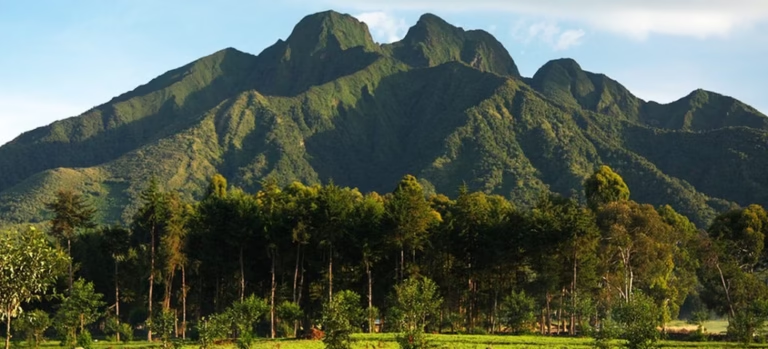
Volcanoes National Park lies in the Virunga Mountains of northwestern Rwanda. The landscape is characterised by volcanic slopes, bamboo, dense forest and changing mountain weather.
On trekking morning, visitors attend a briefing before being allocated to trekking groups. Guides and trackers then lead participants through the forest in search of a habituated gorilla family.
The time spent walking can vary considerably. Photographers should therefore be capable of carrying or arranging assistance for equipment over uneven terrain.
After reaching the gorillas, standard trekking regulations normally allow one controlled hour with the allocated family. For photographers, sixty minutes can feel extremely short. Equipment should be ready before the encounter begins.
Understanding the Difference Between Private Travel and Private Trekking
The phrase private gorilla trekking Rwanda can sometimes create confusion.
A privately arranged safari means the photographer can have exclusive ground transportation, a dedicated driver-guide and individually selected accommodation. However, purchasing a normal gorilla permit does not automatically make the actual gorilla trek exclusive.
Standard permits are allocated according to national park procedures, and visitors may trek alongside other permitted guests.
Photographers should therefore plan with realistic expectations. Private logistics provide substantial benefits, but the wildlife encounter remains governed by conservation regulations.
This distinction is important when designing a specialist photography safari.
Choosing Camera Equipment
The best equipment is equipment the photographer already understands. A gorilla encounter is too short to spend valuable minutes learning unfamiliar camera controls.
A versatile zoom lens can be extremely useful because the distance and composition can change quickly. Gorillas may appear close within vegetation and then move into a more open position.
A lens with good low-light capability is valuable beneath forest cover. Modern cameras with strong high-ISO performance can help when shutter speed needs to remain sufficiently fast.
Photographers carrying multiple bodies may choose different focal lengths to reduce lens changes in damp or muddy conditions.
Equipment weight must also be considered. A technically ideal setup becomes less useful if the photographer is exhausted before reaching the gorillas.
Working with Forest Light
Light is one of the biggest challenges in mountain gorilla photography.
Dense vegetation can create low illumination even during the middle of the day. At the same time, small openings in the canopy may produce bright highlights against dark fur.
Photographers should be prepared to adjust exposure rapidly as gorillas move between different areas.
Dark gorilla fur can influence metering, particularly when the background is considerably brighter. Checking exposure carefully can help retain detail.
Shutter speed deserves particular attention. Even a seated gorilla can make sudden movements, while juveniles may be highly active.
There is rarely one perfect camera setting for an entire encounter. Flexibility matters more than following a fixed formula.
Photographing Behaviour Rather Than Portraits Alone
Close portraits are compelling, but a complete gorilla photography collection should also document behaviour and environment.
Wide compositions can show the scale of the forest and reveal how gorillas occupy their habitat. Interactions between adults and juveniles can communicate family structure. Feeding behaviour, grooming and movement can provide context that a tightly cropped portrait cannot.
A silverback surrounded by vegetation may produce a more meaningful image than an isolated headshot.
Photographers should therefore resist spending the entire viewing period pursuing one type of frame.
The strongest visual story often combines portraits, behavioural photographs and environmental images.
Protecting Equipment from Rain and Humidity
Volcanoes National Park is a mountain rainforest environment. Photographers should expect moisture regardless of travel season.
A practical rain cover should be immediately accessible rather than buried at the bottom of a backpack. Waterproof protection for the camera bag is equally important.
Microfibre cloths can help deal with droplets, although lenses should be handled carefully in wet and muddy conditions.
Batteries and memory cards should be organised before leaving the lodge. Carrying spare batteries is sensible because cold, moisture and extensive image review can increase power consumption.
After trekking, equipment should be allowed to dry appropriately before being packed away for another journey.
Using a Porter
Photographers frequently carry heavier equipment than ordinary trekkers, making porter assistance particularly useful.
A porter can help carry a camera bag, water and other equipment while also providing support through difficult sections of the trail.
This allows the photographer to conserve energy for the actual encounter. It can also make movement through steep or muddy terrain safer.
The photographer should still keep essential camera equipment accessible. Clear communication about how the bag should be handled helps protect sensitive equipment.
Porter services also provide a direct economic benefit connected with tourism around the park.
Respecting Gorilla Trekking Rules
Photography never takes priority over wildlife welfare or national park instructions.
Visitors must respect the distance and behavioural guidance provided by park authorities and guides. Gorillas can occasionally move closer on their own, in which case trekkers should follow the guide's instructions rather than attempting to reposition themselves aggressively for a photograph.
Flash photography is not appropriate during gorilla encounters.
Noise should be kept low, and photographers should avoid sudden movements that may disturb the animals.
Anyone experiencing symptoms of illness should disclose them before trekking. Mountain gorillas are closely related to humans and can be vulnerable to human diseases.
Responsible behaviour protects the very subjects photographers have travelled to see.
Gorilla Permit and Advance Planning
Rwanda's standard gorilla permit currently costs USD 1,500 per person. Permit availability is limited, so photographers with specific travel dates should arrange trekking well ahead of arrival.
The standard permit covers one regulated trekking experience on the booked date.
Some photographers choose to purchase permits for more than one trekking day. This can provide additional photographic opportunities because no two gorilla encounters are identical.
Weather, gorilla location, family behaviour and light conditions can change dramatically from one day to another.
Multiple treks can therefore produce a much broader image collection, although the additional permits significantly increase the overall safari cost.
Golden Monkeys for Action Photography
Photographers spending additional time in Volcanoes National Park can add golden monkey trekking.
Golden monkeys create a very different photographic challenge. They are smaller, faster and often move rapidly through bamboo vegetation.
Capturing them may require faster reactions and higher shutter speeds than photographing a resting gorilla.
Their distinctive colouring can contrast beautifully with green vegetation, while feeding and jumping behaviour creates opportunities for action photographs.
Combining both primates provides greater visual variety within one destination.
Landscapes and People Beyond the Gorilla Trek
A photography safari should not end when the gorilla encounter finishes. The Virunga region offers dramatic landscapes, agricultural scenes and mountain views.
Misty volcanoes can produce powerful environmental photographs, especially in changing early-morning conditions.
Travellers interested in cultural photography should approach people respectfully and obtain permission where required. Responsible photography involves more than technically strong images; it requires respect for the individuals and communities being photographed.
Kigali also provides opportunities for urban, architectural and cultural photography, while other parts of Rwanda expand the visual possibilities considerably.
Extending the Photography Safari
Photographers seeking greater diversity can combine Volcanoes National Park with Akagera National Park. Savannah wildlife, wetlands and open landscapes provide a complete contrast to forest photography.
Nyungwe Forest introduces another demanding environment, with primates, birds and extensive montane forest.
Lake Kivu can provide landscapes, water scenes and opportunities to photograph daily life around the lakeshore.
A longer circuit therefore creates a portfolio representing multiple sides of Rwanda rather than focusing exclusively on mountain gorillas.
Choosing Accommodation for Photographers
Photographers have slightly different accommodation priorities from many leisure travellers.
Secure space for equipment is important, as is convenient access to charging facilities. Location should reduce unnecessary morning travel before trekking.
A comfortable room is valuable after a physically demanding day because photographers may need time to back up files, clean equipment and prepare batteries.
Luxury lodges provide exceptional comfort, but carefully selected mid-range properties can also work very well for dedicated photographers.
The appropriate choice depends on budget and how much of the trip is focused on photography versus relaxation.
Best Time for Gorilla Photography
Gorilla trekking operates year-round, and every season offers photographic advantages and challenges.
Relatively drier periods may provide easier trail conditions, while wetter months can create intensely green forests and atmospheric mist.
Rain should never be ruled out in a mountain environment. Photographers must therefore prepare equipment for moisture even when travelling during traditionally drier months.
Instead of searching for a guaranteed perfect month, photographers should consider permit availability, desired landscapes, wider safari objectives and personal tolerance for wet conditions.
Planning a Private Rwanda Gorilla Photography Safari
A strong private gorilla trekking holiday for photographers starts with the photographic objective. Some travellers want portraits of mountain gorillas, while others are building a broader conservation, landscape or wildlife portfolio.
The number of trekking days can then be selected, permits secured and accommodation arranged accordingly. Private transportation makes it easier to carry equipment securely and stop for additional photographic opportunities during road journeys.
Additional days can be devoted to golden monkeys, landscapes or other national parks.
Most importantly, photographers should enter Volcanoes National Park prepared to work with whatever conditions nature provides. Gorillas cannot be directed, forest light cannot be controlled and weather may change within minutes.
That unpredictability is precisely what makes gorilla photography in Rwanda so compelling. Every encounter produces a different story.
Plan Your Safari with Gecko Safaris Africa for a Rwanda photography journey built around primates, landscapes and carefully managed private travel.