Tour Idea
Budget Gorilla Trekking Holidays in Rwanda for Photographers
Plan an affordable Rwanda gorilla photography safari with Volcanoes National Park, camera preparation, forest conditions and practical travel advice.
- Thoughtfully Paced Time to see the place, not only tick it
- Expert Planning Permits, lodges and transfers in one plan
- Wildlife & Culture Parks, communities and scenic rest days
Overview
A budget gorilla trekking holiday in Rwanda for photographers combines wildlife photography with one of Africa's most distinctive forest experiences. Mountain gorillas are encountered in Volcanoes National Park, where photographers trek through natural habitat before receiving a regulated opportunity to observe a habituated gorilla family.
Photography in this environment requires more preparation than simply carrying expensive equipment. Forest light can be low and uneven, vegetation can obscure subjects and gorillas may change position without warning. The trekking route itself may involve mud, slopes and dense vegetation, making excessive camera equipment difficult to carry.
Budget photographers can reduce accommodation and transportation expenses while preserving the essential permit and preparing carefully for the encounter. A modest lodge does not reduce photographic opportunities in the forest. Familiar equipment, good physical preparation and responsible behaviour are considerably more important.
Why Gorilla Photography Is Different
Photographing gorillas is unlike photographing wildlife from a safari vehicle.
The photographer is on foot and must follow the movements and instructions of the trekking team.
There is limited control over viewing angles.
Vegetation may remain between the camera and the subject.
Lighting can change dramatically over a small distance.
These challenges are part of the experience.
A Rwanda gorilla photography safari rewards photographers who can respond quickly without becoming frustrated when conditions are imperfect.
The objective should be to document natural behaviour rather than attempt to create a studio-like wildlife scene.
Gorilla Permit Costs
The standard Rwanda gorilla trekking permit costs USD 1,500 per person.
Photographers should include this as the central fixed expense.
The permit provides access to the regulated trekking experience rather than special photographic privileges.
Visitors receive the same standard observation period and must follow the same conservation rules regardless of equipment.
Because permits are limited, photographers with specific travel dates should arrange them early.
Popular seasons can become heavily booked.
Preparing Camera Equipment
Photographers should bring equipment they already understand.
The one-hour standard viewing period is not an ideal time to learn unfamiliar camera controls.
Fast access to exposure compensation, shutter speed and focus settings can be valuable.
Forest conditions may require higher ISO settings than photographers typically use in bright savannah environments.
A camera capable of handling lower light can help, but technique remains important.
Photographers should practise before travel in shaded or woodland environments where possible.
Choosing Lenses
A flexible lens can reduce the need to change equipment in the forest.
Photographers should avoid assuming that the longest available telephoto is automatically the best choice.
Viewing conditions and regulated distances influence framing, but gorillas can also appear large within the scene.
A moderate telephoto or versatile zoom may provide useful flexibility.
Wider compositions can show gorillas within their forest environment.
These environmental images can communicate more about the experience than a collection consisting entirely of tight portraits.
Protecting Equipment from Rain and Moisture
Volcanoes National Park is a forest environment where moisture should be expected.
Photographers should carry practical rain protection for cameras.
A lightweight waterproof cover can be more useful than carrying excessive hard cases during the trek.
Lens cloths should remain accessible.
Equipment should be packed so that important items can be reached quickly without unpacking an entire bag.
Photographers should also consider how they will protect batteries, memory cards and other small accessories.
Carrying Equipment Through the Forest
Weight becomes important once the trek begins.
A camera bag that feels manageable in an airport can become exhausting on steep or muddy terrain.
Photographers should carry only equipment likely to be used.
A porter can be valuable for carrying additional gear and helping with the daypack.
This can reduce fatigue and allow the photographer to concentrate on the trek.
Budget travel should not mean refusing useful local support when it significantly improves the main experience.
Photographing Gorilla Behaviour
Behaviour creates stronger images than simply recording the presence of an animal.
Photographers should watch how individuals interact.
Grooming, feeding, resting and relationships between adults and younger gorillas can provide meaningful visual stories.
Patience matters.
Constantly moving the camera toward every individual may result in many ordinary images and missed behavioural moments.
Observing first can help the photographer anticipate what may happen next.
The strongest wildlife photography often begins with understanding the subject rather than immediately pressing the shutter.
Respecting the One-Hour Encounter
Once the gorilla family is located, the standard observation period is one hour.
Photographers should prepare mentally for this limited time.
The first few minutes can feel overwhelming.
Rather than shooting continuously, travellers should settle into the encounter and identify useful compositions.
Equipment should be ready before the gorillas are reached.
Changing lenses repeatedly can waste valuable time.
Photographers should also reserve moments to lower the camera and watch directly.
Flash and Responsible Photography
Flash photography should not be used.
Photographers must follow all guide instructions regarding position and behaviour.
No image is important enough to justify approaching too closely or interfering with the animals.
Gorillas remain wild despite being habituated to controlled tourism.
Visitors should respect the required viewing distance and current health rules.
A responsible photographer works within the conditions provided rather than attempting to manipulate the scene.
Portraits and Environmental Images
Close portraits are understandably popular.
Facial expressions and details can create powerful photographs.
However, photographers should also consider wider images.
The forest is a major part of the gorilla story.
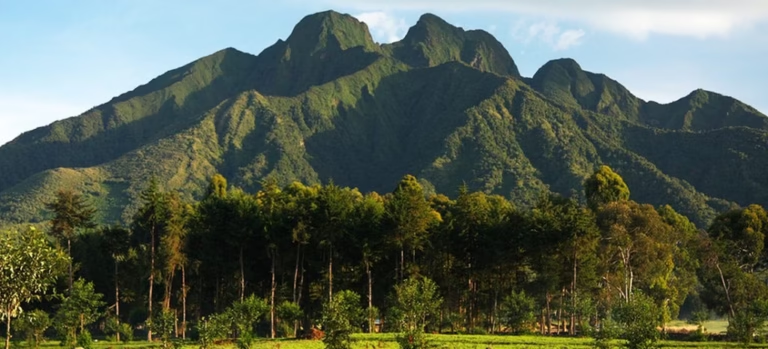
Vegetation, volcanic slopes and filtered light can provide context.
A balanced collection might include portraits, behaviour, family interactions and environmental compositions.
This approach creates a more complete visual account of the trek.
Accommodation for Photographers
A photographer does not need an ultra-luxury lodge to create excellent gorilla images.
Practical accommodation should provide secure space for equipment, reliable power where available and convenient access to the trekking arrangements.
Photographers may want enough time in the evening to organise batteries and memory cards.
A comfortable room and early breakfast can be more useful than elaborate facilities.
Budget and mid-range properties can therefore provide strong value.
Lake Kivu for Landscape Photography
Lake Kivu can extend the photographic journey beyond gorillas.
The lake provides open water, hills and changing atmospheric conditions.
Coffee-growing landscapes and lakeside communities can add documentary subjects.
Photographers should continue to seek permission for personal portraits.
A Lake Kivu extension also provides a slower phase after the physically demanding trek.
This allows photographers time to review images and explore a different visual environment.
Kigali for Travel Photography
Kigali introduces architecture, markets, art and contemporary city life.
Street and documentary photography should be approached respectfully.
Photographers should not assume that public visibility means automatic consent for close portraits.
A guide can help identify suitable locations and provide cultural context.
Historical sites require particular sensitivity.
Photography restrictions should always be respected.
The city can add important human and contemporary elements to a portfolio otherwise dominated by wildlife.
Best Time for Gorilla Photography
Gorilla trekking operates throughout the year.
The popular June to September and December to January periods can offer conditions that many travellers find attractive, but the forest remains capable of rain at any time.
Wetter conditions may create more challenging trails while also producing rich forest atmosphere.
Photographers should not expect perfect light.
Overcast conditions can sometimes produce softer illumination than strong patches of direct sunlight.
Flexibility is an important part of forest photography.
Booking Permits Early
Photographers with fixed dates should arrange permits well in advance.
Planning four to six months ahead is a useful guideline for popular periods.
Earlier arrangements may be appropriate when dates cannot move.
The permit should be secured before the photographic itinerary is built around the trek.
Travellers should also confirm current regulations before arrival.
Keeping the Photography Safari Affordable
The gorilla permit should receive priority.
Photographers can save on accommodation and avoid unnecessary room upgrades.
Sharing a private vehicle with another traveller can reduce transport costs.
The itinerary can remain geographically focused around Kigali, Volcanoes National Park and Lake Kivu.
Travellers should also avoid buying unfamiliar equipment solely for the trip when existing gear is capable of producing good results.
Preparation often contributes more than another expensive lens.
Plan Your Rwanda Gorilla Photography Safari
A budget gorilla trekking holiday in Rwanda for photographers can produce exceptional wildlife images without requiring luxury-level supporting arrangements.
Prioritise the permit, prepare equipment carefully and keep the camera kit manageable.
Use practical accommodation and consider porter assistance when carrying heavier equipment.
Respect the viewing period and every conservation instruction.
Lake Kivu and Kigali can expand the visual story beyond the gorillas.
Plan your safari around responsible observation rather than the pursuit of a perfect photograph. The most powerful Rwanda gorilla images often come from patience, preparation and an understanding that the welfare of the animals always takes priority over the camera.