Tour Idea
Honeymoon Cycling tour Holidays in Rwanda for Couples
Plan a Rwanda honeymoon cycling tour for couples through scenic hills, Lake Kivu routes and rural landscapes with flexible safari extensions.
- Thoughtfully Paced Time to see the place, not only tick it
- Expert Planning Permits, lodges and transfers in one plan
- Wildlife & Culture Parks, communities and scenic rest days
Overview
Rwanda's rolling landscapes make cycling one of the most engaging ways for active couples to experience the country. Rather than observing every destination through a vehicle window, cyclists can move through hills, cultivated areas and lakeside landscapes at a pace that encourages a closer connection with their surroundings. A Rwanda honeymoon cycling tour can combine this active style of travel with comfortable accommodation, private guiding and enough leisure time to keep the journey romantic.
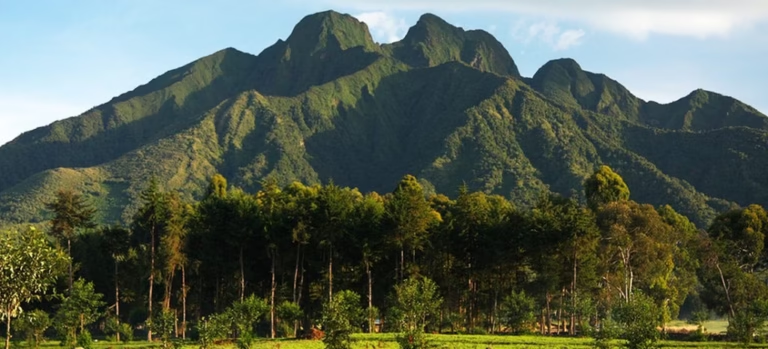
Cycling also fits naturally with Rwanda's identity as the "Land of a Thousand Hills." Those hills make the riding beautiful, but they also mean that routes should be selected realistically. Couples do not need to be competitive cyclists to enjoy a cycling honeymoon, but distance, elevation and road or trail conditions should match their fitness and experience.
Lake Kivu and western Rwanda provide particularly attractive settings, while shorter cycling experiences can be incorporated into a broader safari that includes Kigali, national parks and primate trekking.
Why Choose Cycling for a Rwanda Honeymoon?
Cycling creates a very different relationship with a destination.
Travelling at moderate speed allows couples to notice details that are easily missed from a vehicle. Agricultural landscapes, small communities, roadside activity and changing views become part of the journey rather than simply scenery between attractions.
There is also a strong sense of shared achievement. Completing a challenging climb or reaching a beautiful viewpoint together can become an important honeymoon memory.
A cycling honeymoon in Rwanda is particularly suitable for couples who already enjoy active holidays and would rather explore outdoors than spend most of their time at a resort.
Understanding Rwanda's Terrain
The country's famous hills should be taken seriously when planning a cycling itinerary.
Routes can include significant climbing and descending, and distances that appear modest on a map may require more effort than expected. Surface conditions also vary according to the selected route.
An experienced guide can help match daily rides to the couple's abilities. Strong cyclists may want longer and more challenging stages, while recreational riders can choose shorter experiences with vehicle support.
The goal is not to prove endurance. A honeymoon should remain enjoyable rather than becoming an exhausting cycling competition.
Cycling Around Lake Kivu
The Lake Kivu region offers some of Rwanda's most appealing scenery for cycling.
Routes can reveal lake views, green hills, cultivated landscapes and communities along the way. Individual sections can be selected according to fitness and available time.
For couples, the lake also provides an excellent recovery environment. A morning ride can be followed by lunch, relaxation or an optional boat excursion rather than another demanding activity.
This combination makes a Lake Kivu cycling honeymoon particularly attractive for travellers who want adventure without sacrificing leisure.
The Congo Nile Trail Experience
The Congo Nile Trail is closely associated with active travel around Lake Kivu and can be explored in different ways, including cycling.
Couples do not necessarily need to complete the entire route. Selected sections can provide the scenery and sense of adventure without committing the honeymoon to a demanding multi-day expedition.
Route selection should consider distance, elevation, road conditions and accommodation. Support arrangements are especially valuable when travellers want flexibility.
A tailored approach allows cyclists to enjoy the strongest sections for their abilities while maintaining enough energy for the rest of their Rwanda journey.
Guided Cycling Versus Independent Riding
Guided cycling is particularly useful for first-time visitors.
A knowledgeable guide can manage navigation, explain local context and respond to changing route conditions. Support transport may also be arranged depending on the program.
This reduces logistical pressure. Couples can concentrate on riding and scenery rather than constantly checking maps or worrying about luggage.
Independent cycling may appeal to experienced travellers, but local regulations, road conditions and route suitability should be understood carefully before choosing that approach.
For a honeymoon, organized support often provides a better balance between adventure and comfort.
Choosing the Right Bikes
Bike selection should match the route rather than simply the rider's preference at home.
Mountain bikes or suitable hybrid-style equipment may be appropriate for mixed surfaces, while particular paved routes may allow other configurations. Availability varies by operator.
Couples should provide accurate height and sizing information when arranging rentals.
Helmets should be treated as essential. Riders may also want padded cycling shorts, gloves and personal pedals or saddles if they have strong preferences.
Equipment condition should be checked before starting a significant ride.
Fitness Preparation Before the Honeymoon
Rwanda's terrain rewards preparation.
Couples do not need elite fitness, but regular cycling before departure can make the holiday substantially more enjoyable. Training should include hills where possible rather than focusing entirely on flat distances.
Back-to-back riding days can feel different from occasional weekend cycling, so couples planning a multi-day route should prepare accordingly.
Basic stretching, hydration and recovery habits also matter.
The fitter the couple feels, the more attention they can give to scenery and shared experiences rather than simply completing each climb.
Balancing Cycling with Romance
An active honeymoon should not contain demanding rides from sunrise to sunset every day.
Rest periods create space for the couple to enjoy their accommodation, have a leisurely meal or simply spend time beside Lake Kivu.
A particularly effective itinerary alternates stronger cycling days with lighter experiences. A boat trip, coffee tour or short cultural visit can provide variety without requiring complete inactivity.
This balance makes a Rwanda adventure honeymoon for couples feel like a holiday rather than a training camp.
Adding a Coffee Experience
Coffee tourism pairs naturally with cycling through western Rwanda.
Couples can visit an appropriately arranged farm, cooperative or processing facility and learn how coffee moves from cultivation through different stages of preparation.
The activity provides a welcome change from physical exertion and introduces cultural context to the landscapes being crossed by bicycle.
A coffee tasting can also become a relaxed social experience after a morning ride.
This combination is especially suitable for couples interested in food, agriculture and community-based tourism.
Combining Cycling with Gorilla Trekking
Volcanoes National Park can add mountain gorilla trekking to a cycling honeymoon.
The trek itself can be physically demanding, so couples should avoid placing it immediately after an exhausting cycling stage. Allowing recovery time helps them approach the forest with sufficient energy.
Gorilla permits must be booked in advance, and trekkers must be at least 15 years old.
Once an assigned habituated gorilla family is located, standard trekking provides a regulated viewing period.
The combination of Rwanda cycling and gorilla trekking creates an exceptionally active honeymoon, but pacing is essential.
Adding Nyungwe National Park
Nyungwe can provide another major nature experience.
Chimpanzee trekking, forest walks, birdwatching and the canopy walkway can be incorporated depending on the couple's interests.
Cyclists should remember that forest trekking uses muscles differently from riding. Scheduling demanding activities on consecutive days can create unnecessary fatigue.
A rest day or lighter transfer between them can substantially improve the experience.
Akagera for a Completely Different Safari
Couples wanting classic wildlife can add Akagera National Park.
After travelling under their own power by bicycle, sitting in a safari vehicle and searching for elephants, giraffes, lions and other wildlife creates a dramatic change of pace.
Lake Ihema boat safaris can add hippos, crocodiles and waterbirds.
Akagera lies in eastern Rwanda, so adding it to a western cycling route requires sufficient time. It should not be included if doing so creates excessive transfers.
Road Safety and Responsible Cycling
Safety should guide every route choice.
Cyclists should follow local traffic rules, guide instructions and any specific requirements applying to the selected route. Visibility is important, particularly where cycling overlaps with vehicle traffic.
Weather can affect surfaces and visibility. Guides may recommend adjusting a route when conditions make the original plan unsuitable.
Riders should descend within their abilities rather than treating unfamiliar roads as racing courses.
Respect for pedestrians and communities is equally important. Visitors are guests travelling through places where people live and work.
What to Pack
Cycling-specific clothing can make longer rides more comfortable. Padded shorts, breathable tops and gloves are useful for regular cyclists.
A lightweight rain layer should remain accessible because conditions can change quickly.
Sun protection, reusable water bottles and suitable footwear are important. Couples bringing personal cycling shoes should confirm compatibility with available equipment.
For the wider honeymoon, casual clothing and warmer layers are still required, particularly at higher elevations.
Packing should remain practical if the itinerary changes accommodation frequently.
Choosing Accommodation
After a demanding ride, comfort matters.
Accommodation should provide secure arrangements for bicycles where relevant, reliable hot water and a good place to recover. Laundry possibilities can be valuable on multi-day cycling itineraries.
Couples may choose one or two more luxurious stays rather than upgrading every night.
Lake-facing accommodation can create a particularly romantic setting after a cycling stage, giving the honeymoon a clear contrast between activity and relaxation.
When to Plan a Rwanda Cycling Honeymoon
Cycling is influenced significantly by rainfall and road conditions.
Drier periods may provide more predictable riding surfaces, while wetter months create lush scenery but can make unpaved routes more challenging.
Temperatures also vary with elevation and time of day. Early starts can be useful for avoiding stronger midday heat on certain routes.
Couples should discuss their preferred riding style and travel dates with the operator so that suitable routes can be selected for expected conditions.
Plan Your Rwanda Cycling Honeymoon
A Honeymoon Cycling Tour Holiday in Rwanda for couples offers a deeply engaging way to experience the country's famous hills, rural landscapes and Lake Kivu scenery.
The journey can range from a few guided rides incorporated into a conventional honeymoon to a more ambitious multi-day cycling adventure. Coffee tours, lakeside relaxation, gorilla trekking, Nyungwe Forest and Akagera wildlife can be added according to time and fitness.
Gecko Safaris Africa can tailor a Rwanda honeymoon cycling tour around your cycling experience, preferred daily distances, accommodation standard and additional safari interests, creating an active but carefully balanced journey designed for two.