
12 Day Honeymoon Safari
12-Day Honeymoon Cycling tour in Ruhengeri for Couples
Enjoy a 12-day Rwanda cycling honeymoon in Ruhengeri with Lake Ruhondo, volcanic scenery, supported rides, culture and optional gorilla trekking.
- Honeymoon Experience Premium lodges & service
- Wildlife Safari An unforgettable encounter
- Kigali Experience Culture, dining & relaxation
- Tailor-Made Customised for you
Overview
Why Cycling Works for a Rwanda Honeymoon
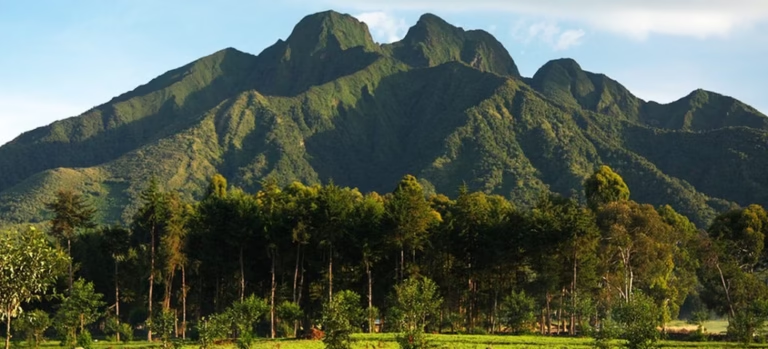
A 12-Day Honeymoon Cycling Tour in Ruhengeri for Couples provides an active and intimate way to experience Rwanda's northern landscapes. Ruhengeri, now widely known as Musanze, sits beneath the Virunga volcanoes in a region of cultivated hills, rural roads, lakes, towns, and dramatic mountain scenery. For couples who enjoy cycling, this environment can turn a honeymoon into a shared adventure rather than a conventional sightseeing holiday.
A successful cycling honeymoon should not require riding long distances every day. Twelve days allow cycling sessions to alternate with cultural experiences, Lake Ruhondo, relaxation, photography, and optional wildlife activities. This balance is important because the purpose is to enjoy Rwanda together, not complete a competitive endurance challenge.
Routes should always be selected according to the couple's experience, fitness, road conditions, weather, and current local guidance.
Cycling changes the pace at which travellers experience a destination.
From a bicycle, couples notice farms, small businesses, vegetation, sounds, and everyday activity that may pass too quickly from a vehicle.
Stopping for photographs is easy when the route is safe.
A Rwanda cycling honeymoon also creates a shared sense of achievement. Couples experience climbs, descents, weather, and landscapes together rather than simply sitting beside each other during transfers.

Detailed Itinerary
-
DAY
1
Arrival in Kigali
The couple arrives at Kigali International Airport and transfers to accommodation.
The first evening should remain relaxed.
Cyclists can discuss route expectations with the guide and confirm equipment arrangements.
Travellers bringing personal bicycles should check them carefully after air transport, while those using locally arranged bikes should confirm fit before the main cycling days.

-
DAY
2
Kigali and Bicycle Preparation
The second day can combine Kigali exploration with bicycle fitting.
Handlebar position, saddle height, brakes, gears, and tyres should all be checked.
An uncomfortable bike can turn an otherwise excellent holiday into a painful experience.
A short test ride in an appropriate environment allows problems to be identified before the couple reaches northern Rwanda.
The remainder of the day can focus on Kigali's culture, coffee, and food.
-
DAY
3
Travel to Ruhengeri
The couple travels north toward Ruhengeri.
The road journey provides a useful introduction to the hills they will later experience more closely by bicycle.
When the Virunga volcanoes become visible, the scale of the northern landscape becomes clearer.
After checking into accommodation, the couple can take a short orientation ride if conditions are suitable.
The purpose is to become comfortable, not cover a large distance.
-
DAY
4
First Northern Rwanda Cycling Route
The first substantial ride should be moderate.
A local guide can select a route through suitable agricultural and rural landscapes.
The couple can stop for photographs and explanations about farming or community life.
Riders should maintain a pace comfortable for both partners.
The stronger cyclist should not repeatedly ride far ahead, because a honeymoon cycling tour should remain a shared experience.
Understanding Rwanda's Hills
Rwanda's reputation as the Land of a Thousand Hills becomes particularly real from a bicycle.
Even routes that appear moderate on a map may involve repeated climbing.
Elevation, road surface, temperature, and humidity all influence difficulty.
Cyclists should therefore evaluate routes by more than distance.
A relatively short hilly ride can require more effort than a much longer flat route.
-
DAY
5
Lake Ruhondo Cycling and Scenery
Lake Ruhondo provides one of northern Rwanda's most attractive environments for an active day.
A route can combine cycling with scenic stops overlooking the lake and surrounding hills.
The volcanic background may be visible when weather conditions are favourable.
The ride should be selected according to road conditions and experience.
Couples who prefer less demanding cycling can use vehicle support to shorten difficult sections.
Why Vehicle Support Matters
A supported Ruhengeri cycling tour provides flexibility that independent cyclists may not have.
The vehicle can carry luggage, water, spare equipment, and travellers who decide not to complete a particular section.
This is especially useful during a honeymoon because neither partner should feel forced to continue riding when tired.
Vehicle support also allows the itinerary to respond to weather changes.
-
DAY
6
Cultural and Recovery Day
After two cycling days, a slower cultural day allows muscles to recover.
The couple may explore food, crafts, agriculture, or another organized community experience.
This creates a deeper understanding of the landscapes they have been cycling through.
A relaxed afternoon can be spent at the lodge or around Musanze.
Recovery days are not wasted time. They allow cyclists to enjoy later rides more fully.
-
DAY
7
Longer Cycling Experience
The seventh day can include a longer ride if both travellers feel comfortable.
The guide can select a route that combines scenic roads with manageable climbing.
Regular stops for water and food are important.
Couples should avoid pushing for a predetermined distance if weather or fatigue makes the ride less enjoyable.
Completing fewer kilometres while enjoying the landscape is better than finishing exhausted.
Cycling Safety in Rwanda
Cyclists should follow local traffic rules and guide instructions.
Helmets should be worn.
Riders should remain predictable around vehicles and avoid sudden movements.
Descending requires particular care because speed can increase quickly on steep roads.
Wet surfaces may reduce grip.
A guide familiar with local conditions can identify routes that are more appropriate for recreational cyclists.
-
DAY
8
Optional Volcanoes National Park Experience
Couples may use the eighth day for an activity around Volcanoes National Park.
Eligible travellers can consider gorilla trekking in Rwanda, which requires a separate permit and has a minimum age of 15.
Others may prefer golden monkey trekking, birdwatching, or a cultural experience.
Cyclists should consider how a demanding forest trek will affect their legs before scheduling another long ride.
-
DAY
9
Gentle Cycling and Photography
A shorter ride can focus on photography rather than distance.
Morning light over agricultural hills and volcanic landscapes can be particularly attractive.
Stopping frequently allows the couple to observe details missed during faster rides.
Photography should remain respectful around communities.
Cyclists should never enter private fields or compounds simply to obtain a better angle.
-
DAY
10
Flexible Adventure Day
The tenth day can respond to the couple's preferences.
If cycling has been the highlight, another route can be added.
If both travellers are tired, the day can focus on Lake Ruhondo, coffee, food, or relaxation.
This flexibility prevents the honeymoon from becoming an endurance program.
The best active holidays allow travellers to change intensity according to how their bodies feel.
-
DAY
11
Return to Kigali
The couple travels back to Kigali after breakfast.
Bicycles supplied locally can be returned according to arrangements, while personal bikes should be cleaned and prepared for air transport.
The final evening can include a special dinner.
Cycling photographs can be backed up, and the couple can reflect on the different landscapes covered during the journey.
-
DAY
12
Departure
The final day is organized around the flight schedule.
Personal cycling equipment should be packed according to airline requirements.
Travellers carrying bicycles should confirm baggage rules well before reaching the airport.
Late departures may leave time for coffee or shopping in Kigali.
Otherwise, the couple can enjoy a relaxed breakfast before transfer.
Choosing the Right Bicycle
The appropriate bicycle depends on the planned routes.
Mountain bikes or suitable hybrid bicycles may provide versatility on mixed surfaces.
E-bikes can make hilly routes accessible to couples with different fitness levels, where appropriate equipment and support are available.
An e-bike should still fit correctly and be operated safely.
Travellers should not assume electric assistance removes the need for cycling experience.
Equipment to Carry
A properly fitted helmet is essential.
Cycling gloves, padded shorts, sunglasses, sun protection, and a lightweight rain jacket improve comfort.
A small repair kit may be carried by the guide or support vehicle.
Travellers using personal pedals or saddles may choose to bring them.
The exact equipment list should reflect the difficulty and length of the planned rides.
Managing Different Fitness Levels
Couples rarely have identical cycling ability.
One partner may climb faster or have greater endurance.
The itinerary should be designed around the person who needs a more moderate pace.
E-bike support, shorter route options, and vehicle transfers can help both travellers enjoy the same day without creating frustration.
A honeymoon should strengthen the shared experience rather than become a competition.
Food and Hydration
Cycling increases energy requirements.
Travellers should eat a proper breakfast before longer rides and carry suitable snacks.
Water should remain readily available.
The support vehicle can carry additional supplies.
Couples should communicate dietary requirements before travel so lunches and snacks can be planned appropriately.
Weather and Route Conditions
Northern Rwanda can experience rapid weather changes.
Rain may make some surfaces slippery.
Cloud can obscure volcanic views, while clear conditions can appear later in the day.
Cyclists should remain flexible rather than insisting on a particular route in unsuitable weather.
A local guide can modify the day's plan according to current conditions.
Sustainable Cycling Tourism
Cycling can reduce the sense of separation between visitors and the places through which they travel.
However, riders should still respect communities and private property.
Waste should never be discarded along routes.
Local guides and businesses can help ensure tourism spending benefits the region.
Responsible cycling means moving through the landscape without treating it as a private recreational playground.
Best Time for a Cycling Honeymoon
Cycling can be planned during different periods of the year, but relatively drier conditions are often preferred for road and trail comfort.
Rain remains possible in Rwanda's highlands.
Couples should select dates according to overall travel priorities and prepare for changing conditions.
A support vehicle provides additional flexibility when weather becomes unsuitable for cycling.
Plan Your Ruhengeri Cycling Honeymoon
A 12-Day Honeymoon Cycling Tour in Ruhengeri for Couples combines physical activity with the scenic character of northern Rwanda.
Cycling reveals cultivated hills, rural communities, Lake Ruhondo, and volcanic landscapes at a pace that encourages observation. Recovery days provide time for culture and relaxation, while optional primate experiences can add another dimension to the journey.
The itinerary works best when routes are matched carefully to both travellers rather than designed around maximum distance.
With suitable bicycles, professional route support, good hydration, comfortable accommodation, and enough flexibility to rest when needed, couples can enjoy a Rwanda honeymoon that feels adventurous, personal, and genuinely shared.
Accommodation Options in Kigali

Ready to Experience This Honeymoon Safari?
Let our expert team customise this 12-day itinerary to match your interests and travel dates.