Tour Idea
Fly-in Coffee tour Holidays in Rwanda for Photographers
Plan a Rwanda fly-in coffee photography holiday featuring farms, Lake Kivu landscapes, cultural encounters and flexible private travel.
- Thoughtfully Paced Time to see the place, not only tick it
- Expert Planning Permits, lodges and transfers in one plan
- Wildlife & Culture Parks, communities and scenic rest days
Overview
A fly-in coffee tour holiday in Rwanda for photographers combines agricultural landscapes, cultural encounters and visual storytelling with an efficient style of travel. Rwanda is widely photographed for its mountain gorillas and dramatic volcanic scenery, yet its coffee-growing countryside provides an equally compelling subject. Terraced hills, coffee cherries, washing stations, farmers at work and the landscapes surrounding Lake Kivu allow photographers to document a side of Rwanda that is closely connected to everyday life.
Coffee photography is especially interesting because it gives structure to a visual story. Instead of photographing isolated scenery, visitors can follow the journey from plants growing on the hillside through harvesting, processing, drying, roasting and eventually tasting. Each stage introduces different people, environments, textures and photographic possibilities.
Selected flights can reduce travel time where practical, while private ground transportation provides the flexibility photographers need for scenic stops. The resulting Rwanda photography holiday can combine coffee experiences with Lake Kivu, Kigali, Nyungwe, Volcanoes National Park or Akagera according to available time and photographic interests.
Why Rwanda's Coffee Country Appeals to Photographers
Rwanda's mountainous terrain gives coffee-growing areas a distinctive visual character. Farms are frequently integrated into steep green hillsides rather than expansive flat plantations. Homes, fields, footpaths and agricultural activity become part of the wider landscape.
For photographers, this creates opportunities to work at several scales. Wide compositions can show the relationship between communities and cultivated hills, while close photographs can concentrate on coffee cherries, hands sorting beans or the textures created during drying.
The landscape changes with weather and time of day. Morning mist can soften distant hills, while later sunlight reveals patterns across cultivated slopes.
Photographers should therefore avoid treating a coffee tour simply as a short activity. Allowing enough time to observe the surroundings often produces more meaningful images than concentrating exclusively on the technical stages of coffee production.
Following Coffee from Farm to Cup
A well-organised Rwanda coffee tour can provide a natural photographic sequence.
The story may begin among coffee plants, where visitors learn how the crop grows and how farmers manage the trees. When cherries are present, their colour provides a strong contrast against green foliage.
Harvesting introduces human activity. Depending on the season and experience, photographers may observe how ripe cherries are selected and collected.
Processing creates completely different visual material. Washing, sorting and drying produce patterns, movement and detailed subjects.
The final stages of roasting and tasting bring the story into a more intimate environment. Photographs of cups, roasted beans and preparation can provide a conclusion to a broader visual narrative.
Photographing People Respectfully
People are central to coffee production, but photographers should approach portraits respectfully.
A camera should not turn a genuine community experience into an uncontrolled photo session. Visitors should ask permission where appropriate and follow guidance from hosts.
Spending time speaking with people before photographing them can produce more natural interactions. Even when language differences exist, a smile and clear gesture toward the camera can communicate a request.
Photographers should also avoid directing people to repeat labour solely for an image unless the host clearly indicates that this is appropriate.
The strongest cultural photographs often emerge from observing real activities rather than staging artificial scenes.
Choosing Camera Equipment
Coffee photography generally requires less specialised equipment than wildlife photography.
A standard zoom lens can cover landscapes, environmental portraits and many details. A wider lens is useful for showing farms within the surrounding hills, while a moderate telephoto can isolate people or details without standing too close.
A fast prime lens can work well for indoor roasting demonstrations or portraits in lower light.
Photographers should carry equipment in a comfortable bag because farm visits may involve walking on uneven ground.
Rain protection remains useful. Rwanda's highland weather can change quickly, and cameras should be protected before a shower becomes heavy.
Photographing Lake Kivu
Lake Kivu provides an excellent addition to a Rwanda coffee photography tour.
The western part of Rwanda combines coffee-growing landscapes with one of the country's most impressive bodies of water. Islands, hills and fishing activity create a broad range of photographic subjects.
Morning conditions can produce calm water and soft light. Evenings may offer atmospheric skies and silhouettes of boats.
Photographers interested in people can document fishing communities and lakeside life when appropriate and respectful.
Boat excursions provide alternative viewpoints, although camera equipment should be protected carefully from water.
A few nights beside Lake Kivu also provide time for editing, backing up photographs and resting between more active excursions.
Using Fly-in Travel Strategically
A fly-in Rwanda photography holiday does not necessarily mean flying between every destination.
Instead, selected flights can be used where they provide a meaningful reduction in travel time. This can protect valuable hours that photographers may prefer to spend working during favourable light.
Ground journeys remain important because some of Rwanda's best visual opportunities appear between formal attractions.
A private vehicle allows safe stops at suitable viewpoints. Photographers can capture cultivated hills, roadside landscapes and distant mountains that would be missed from the air.
The ideal itinerary therefore balances transportation efficiency with visual opportunity.
Kigali Street and Coffee Photography
Kigali introduces an urban dimension to the photographic story.
The city has cafés where locally produced coffee can be experienced in a completely different setting from the farm. This creates a useful narrative connection between rural production and urban consumption.
Markets, architecture, streets and contemporary art spaces provide additional subjects.
Street photography should remain respectful. Photographers should consider context before taking close images of individuals.
Kigali can also provide opportunities for food photography, café interiors and portraits associated with Rwanda's modern coffee culture.
Combining Coffee with Nyungwe
Nyungwe National Park can expand the journey into rainforest photography.
The forest provides an entirely different visual environment, with dense vegetation, mist, birds, primates and an elevated canopy walkway.
Photographers can combine a coffee-focused journey with chimpanzee trekking, although the technical demands of forest wildlife photography are greater than those of farm photography.
Longer lenses and faster shutter speeds become more important.
The contrast between cultivated coffee country and protected rainforest also creates a broader story about land use, conservation and rural landscapes in southwestern Rwanda.
Adding Volcanoes National Park
Volcanoes National Park provides another dramatic extension.
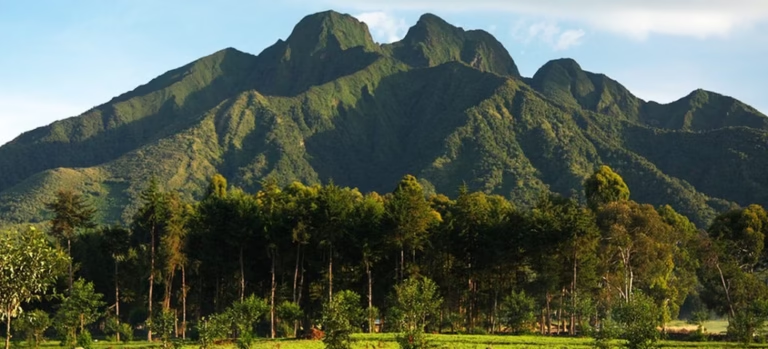
Mountain scenery, bamboo forest and gorilla trekking in Rwanda introduce some of the country's most famous photographic subjects.
Gorilla photography requires advance permit arrangements and careful preparation for forest conditions.
Photographers should follow ranger instructions at all times and avoid allowing photography goals to interfere with conservation rules.
The surrounding region also offers striking landscapes that can complement coffee and community photography.
Adding Akagera for Wildlife Photography
Photographers wanting a complete portfolio can include Akagera National Park.
Akagera replaces mountainous agricultural scenery with savannah, wetlands and lakes.
Game drives can provide opportunities to photograph elephants, giraffes, zebras, buffaloes, antelopes and predators, while Lake Ihema adds hippos, crocodiles and waterbirds.
This variety makes Rwanda unusually attractive for photographers who want several distinct environments within one country.
A longer itinerary can move from coffee farms to rainforest, volcanoes and savannah without requiring multiple international border crossings.
Timing a Coffee Photography Holiday
The agricultural cycle influences what photographers can document.
Travellers interested specifically in harvesting should confirm expected seasonal conditions before booking. Coffee experiences outside the harvest period can still be valuable because processing, farm management and community life remain interesting subjects.
Weather also affects photography. Rain can create saturated colours and reflective surfaces, while mist adds atmosphere to highland landscapes.
Photographers should therefore remain flexible rather than expecting every day to provide clear skies.
Different conditions produce different visual opportunities.
Backing Up Photographs
Photography holidays require a reliable image-management routine.
Memory cards should be backed up regularly rather than carrying the entire journey on a single card.
A laptop, portable storage device or another suitable backup method can be used according to the photographer's workflow.
Batteries should be charged whenever reliable power is available.
Photographers should also carry enough memory capacity to avoid deleting images in the field simply to create space.
These practical preparations become especially important when the journey extends across several regions.
Allowing Time for Observation
Coffee photography benefits from patience.
The most interesting image may not appear during the formal explanation. It could be a farmer walking through the plantation, changing light across a hillside or beans being turned during drying.
A private itinerary allows photographers to spend longer in productive locations rather than moving according to a large group's schedule.
However, photographers should remain conscious that farms are working environments. Activities should not be delayed excessively simply to obtain an image.
Respect for hosts and the natural rhythm of the experience should guide the photographic process.
Plan Your Rwanda Coffee Photography Holiday
A fly-in coffee tour holiday in Rwanda for photographers offers a visually rich journey through agriculture, culture and landscape.
Coffee farms provide the central narrative, while Lake Kivu adds water and mountain scenery. Kigali introduces contemporary urban life, and Rwanda's national parks can expand the journey into rainforest, gorilla and savannah photography.
Selected flights can preserve valuable time, while private road transportation allows photographers to respond to unexpected scenery.
Gecko Safaris Africa can tailor the route around photographic interests, preferred travel pace, equipment requirements and accommodation level, creating a Rwanda journey designed for visual storytelling rather than rushed sightseeing.