Tour Idea
Family Gorilla trekking Holidays in Rwanda for Photographers
Plan a Rwanda gorilla photography safari with camera advice, Volcanoes National Park preparation, permits, forest light and responsible photography.
- Thoughtfully Paced Time to see the place, not only tick it
- Expert Planning Permits, lodges and transfers in one plan
- Wildlife & Culture Parks, communities and scenic rest days
Overview
A family gorilla trekking holiday in Rwanda for photographers combines one of Africa's most celebrated wildlife encounters with unusually intimate photographic conditions. Mountain gorillas live within the dense forests of Volcanoes National Park, where visitors can observe habituated families under tightly controlled tourism procedures.
Photography in this environment is both rewarding and technically challenging. Forest light can be limited, gorillas may move between bright and shaded areas, vegetation can interrupt compositions and the one-hour standard viewing period passes quickly. Photographers therefore benefit from preparing their equipment and camera settings before entering the forest.
Family photographers face an additional consideration: the experience should not become entirely about the camera. Sharing the encounter with relatives can be just as important as returning home with technically perfect images.
Gorilla Trekking in Volcanoes National Park
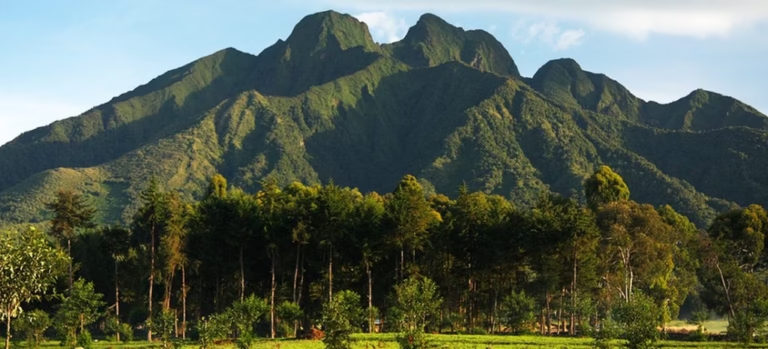
Volcanoes National Park lies in northern Rwanda within the Virunga mountain landscape.
The Rwanda gorilla permit costs USD 1,500 per person. The minimum trekking age is 15.
A maximum of eight trekkers visits an allocated habituated gorilla family, and once the gorillas are reached, visitors normally have one hour with them.
These limitations make preparation particularly important for photographers. There is no opportunity to extend the standard encounter simply because a particular photograph has not yet been achieved.
Understanding Forest Light
Rainforest photography differs significantly from photographing animals on open savannah.
Light levels can be low even during the day. A gorilla may also move rapidly between shade and a brighter opening.
Photographers should be comfortable changing exposure quickly.
Modern cameras with good high-ISO performance can be particularly useful because faster shutter speeds may be required without sufficient light for low ISO settings.
Technical preparation before the trek reduces time wasted on camera menus.
Choosing a Practical Lens
Carrying excessive equipment through the forest can make trekking unnecessarily difficult.
A versatile telephoto zoom is often more practical than several large specialist lenses.
Photographers should remember that gorillas may sometimes be relatively close while remaining within the distances required by park regulations.
An extremely long focal length is therefore not always necessary.
A second wider option can be useful for environmental portraits showing gorillas within the forest rather than filling the entire frame.
Protecting Camera Equipment
Volcanoes National Park is a wet mountain environment.
A waterproof camera cover or reliable rain protection should be accessible rather than buried at the bottom of a pack.
Lens cloths can help when moisture reaches the front element.
Batteries and memory cards should be checked before departure.
Changing equipment unnecessarily inside damp forest conditions can expose camera interiors to moisture and consume valuable observation time.
Managing the Weight of Photography Gear
The trek to the gorillas varies according to their location.
Photographers should therefore assume they may need to carry equipment for a substantial period.
A porter can be extremely valuable where available. The porter can help with the daypack, allowing the photographer to conserve energy and concentrate on walking safely.
Carrying less equipment can also improve creativity by encouraging photographers to work effectively with the tools already in hand.
Photographing Gorilla Behaviour
Strong wildlife photography is not limited to direct portraits.
Grooming, feeding, resting and interaction between family members can create more meaningful images.
Young gorillas may provide energetic moments, while silverbacks can create powerful compositions even when resting.
Photographers should observe behaviour rather than continuously pressing the shutter.
Understanding what the animals are doing helps anticipate a moment before it occurs.
Respecting Distance and Guide Instructions
No photograph justifies breaking gorilla trekking rules.
Visitors must remain at the required distance and follow instructions from guides.
A gorilla may sometimes move in ways that change the situation, but trekkers should allow professionals to direct their response.
Wildlife should never be encouraged, touched or fed for photographic purposes.
Ethical photography documents natural behaviour without manipulating the animal.
Avoiding Flash
Photographers should follow all current park rules regarding flash and camera use.
Camera settings should be prepared before the encounter so that inappropriate features are not activated accidentally.
Those using unfamiliar rented equipment should practise with it before arriving in Rwanda.
The gorilla trek is not the ideal place to learn the basic operation of a new camera.
Family Photography and Shared Experience
When several family members are trekking together, photographers should remember to look away from the viewfinder.
The emotional impact of seeing a mountain gorilla directly can be diminished if the entire hour is spent watching through a screen.
Families may decide in advance who will concentrate most heavily on photography.
Sharing selected images afterward can reduce the pressure for every person to document every moment.
Preparing Physically for the Trek
Photography equipment adds weight to an already demanding activity.
Regular walking before the trip is valuable, particularly on hills.
Good hiking footwear helps photographers maintain stability when carrying expensive equipment.
Long trousers, rain protection and suitable gloves can improve comfort in the forest.
Physical preparation ultimately supports better photography because a less exhausted traveller can concentrate more effectively.
Photographing the Wider Virunga Landscape
The gorillas should not be the only photographic subject.
Northern Rwanda provides dramatic volcanic landscapes, cultivated hills and atmospheric weather.
Wide-angle photography can capture the relationship between the mountains and surrounding countryside.
Morning and evening conditions may provide especially interesting light when clouds move around the volcanic peaks.
These images help create a fuller visual story of the journey.
Golden Monkey Photography
Photographers spending several days around Volcanoes National Park can also consider golden monkey trekking.
Golden monkeys present a completely different technical challenge because they are smaller and move rapidly.
Faster shutter speeds and responsive autofocus become particularly useful.
Combining both primates provides photographers with contrasting subjects while using the same regional accommodation base.
Cultural Photography
Cultural activities around Musanze can broaden the photographic story.
However, photographing people requires different ethical considerations from wildlife.
Visitors should ask permission before taking identifiable close portraits.
Photography should emerge from respectful interaction rather than treating local communities as decorative subjects.
Sometimes the most meaningful image is made only after the camera has remained lowered long enough for genuine communication to develop.
Lake Kivu for Landscape Photography
Lake Kivu provides another strong addition to a photography-focused itinerary.
Open water, hills and changing weather create a visual contrast with the enclosed rainforest.
The lake also provides a slower period after the physical demands of trekking.
Photographers can experiment with broader landscape compositions while family members enjoy more relaxed activities.
When to Plan a Gorilla Photography Trip
Gorilla trekking takes place throughout the year.
June through September and December through January are popular relatively dry periods.
Even during these months, photographers must prepare for rain and low forest light.
Wetter conditions can create atmospheric vegetation and saturated colours, although trails may become more difficult.
There is no season that guarantees perfect photographic conditions.
Responsible Gorilla Photography
Photography should contribute to appreciation of mountain gorillas rather than disturbance.
Visitors must comply with health regulations, including mask requirements where applicable, and maintain the required distance.
Anyone experiencing illness should communicate this before trekking.
Photographers should also avoid publishing or describing irresponsible behaviour as though close physical interaction were desirable.
Conservation remains the foundation that makes the photographic opportunity possible.
Photographing an Extraordinary Family Experience
A family gorilla trekking holiday in Rwanda for photographers offers far more than the opportunity to collect striking wildlife images. It places photographers inside one of Africa's most remarkable mountain environments while allowing families to share a rare encounter with wild great apes.
Technical preparation, lightweight equipment and familiarity with forest photography improve the chances of successful images. Ethical discipline is equally important.
The strongest Rwanda gorilla photographs do more than show what a mountain gorilla looks like. They communicate behaviour, habitat and the extraordinary experience of observing these animals respectfully in the forests where they belong.