Tour Idea
Family Canopy walk Holidays in Rwanda for Photographers
Plan a Rwanda family canopy walk photography holiday in Nyungwe with practical advice on equipment, light, trails, accommodation and responsible travel.
- Thoughtfully Paced Time to see the place, not only tick it
- Expert Planning Permits, lodges and transfers in one plan
- Wildlife & Culture Parks, communities and scenic rest days
Overview
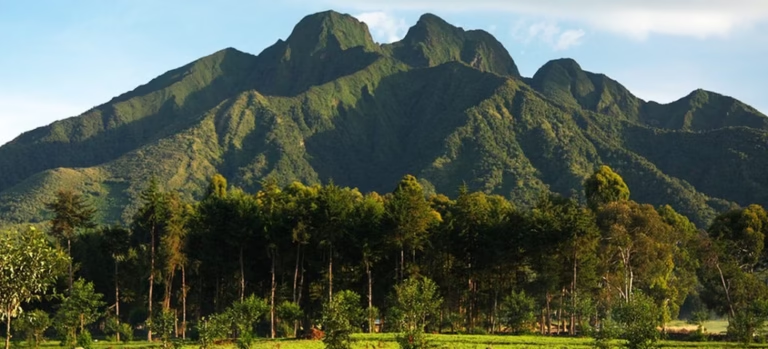
A family canopy walk holiday in Rwanda for photographers combines rainforest adventure with some of the country's most distinctive landscape and nature photography. Nyungwe National Park in southwestern Rwanda provides the setting, with an elevated canopy walkway that gives visitors an unusual perspective across one of Africa's important montane forests. For families carrying cameras, the experience is about much more than photographing the suspended walkway. Forest details, distant hills, changing weather, birds and the people sharing the adventure all become part of the visual story.
Photography in Nyungwe requires a different approach from a conventional savannah safari. Light levels beneath the forest canopy can be low, vegetation creates complex compositions and rainfall is possible throughout the year. Once visitors reach the elevated walkway, the visual environment changes. Broader views open across the treetops, while mist and clouds can create atmospheric layers over the surrounding landscape.
Families should balance photographic ambitions with the comfort of every participant. Spending too long perfecting one composition can become frustrating for children, while rushing across the walkway may disappoint the serious photographer. A thoughtfully paced excursion can satisfy both.
Why Nyungwe Appeals to Family Photographers
Nyungwe offers photographic diversity within a relatively concentrated area. The journey through the forest provides intimate subjects such as leaves, tree trunks, fungi and insects. Birds and primates may also appear, although wildlife sightings should never be treated as guaranteed.
The Nyungwe canopy walk then introduces scale. Instead of looking upward from the forest floor, photographers can see across the upper layers of the rainforest. The surrounding hills help communicate the size and continuity of the landscape.
For family photography, people can become an important element in the composition. A child or parent crossing the suspended walkway provides scale that a photograph of the bridge alone may lack. These images can communicate the experience more effectively than a conventional landscape photograph.
Photographers should nevertheless avoid delaying other visitors unnecessarily. The canopy walkway is a shared tourism facility rather than a private photographic platform.
Preparing Camera Equipment for Nyungwe
Carrying too much equipment is one of the easiest ways to make a forest walk uncomfortable. The route involves walking on natural terrain, so every additional lens contributes to the load.
A versatile standard zoom is useful for family photographs, forest scenes and wider views. Photographers particularly interested in birds may carry a telephoto lens, although its weight should be considered carefully.
A wide-angle lens can be valuable on the canopy walkway because it helps communicate the scale of the bridge and surrounding forest. Modern smartphones can also produce excellent wide views and may be sufficient for younger family members.
Spare batteries and memory cards should be packed in a protected compartment. Cold or damp conditions can affect equipment, and photographers should not assume charging opportunities will be available during an excursion.
Protecting Cameras from Rain and Humidity
Nyungwe is a rainforest, and moisture should be expected even when the weather forecast appears favourable. A Rwanda rainforest photography holiday therefore requires dependable equipment protection.
Camera bags should have a waterproof cover or liner. Individual equipment can be placed in additional protective bags when necessary. Lens cloths are useful for dealing with droplets and condensation.
Photographers should avoid repeatedly exposing the camera interior during lens changes in wet conditions. Selecting one versatile lens before entering the forest can reduce this risk.
After returning to the lodge, equipment should be allowed to dry safely. Batteries can be recharged and memory cards backed up before the following day's activities.
Working with Forest Light
Forest photography can be technically challenging because the canopy blocks much of the direct sunlight. Bright openings may appear beside very dark vegetation, creating a wide contrast range.
Photographers should monitor shutter speed carefully, particularly when photographing moving family members or wildlife. Raising ISO is often preferable to producing an unusably blurred image.
The canopy walkway may provide brighter conditions, although cloud and mist can still reduce light. Exposure compensation can help when large areas of bright sky influence the camera's meter.
Families do not need professional photographic knowledge to enjoy these conditions. Even simple cameras can produce memorable images when attention is given to composition and stability.
Photographing the Canopy Walk
The suspended bridge itself is one of the strongest visual subjects. Leading lines created by the walkway can draw the viewer through the frame toward the surrounding forest.
Including a family member on the bridge creates a sense of scale. Rather than asking everyone to pose formally, photographers can capture natural moments as relatives move across the walkway and react to the height.
Vertical compositions can emphasize the relationship between the bridge and forest below, while wider horizontal images can communicate the extent of the surrounding landscape.
Visitors should always prioritise safe movement. Looking continuously through a camera while walking on a suspended structure is not advisable. Stop only where appropriate and follow instructions from guides.
Making Photography Enjoyable for Children
Children can participate creatively without needing expensive equipment. A basic camera or smartphone allows them to create their own record of the experience.
Parents can suggest themes such as photographing different leaf shapes, forest textures or the view from the walkway. These activities help children engage with the environment rather than waiting for adults to finish taking photographs.
Young photographers should also be encouraged to observe before shooting. This can improve their images while developing greater awareness of the forest.
The objective should remain enjoyment. Turning the excursion into a technical photography lesson can remove much of the excitement that makes the canopy walk memorable.
Bird and Wildlife Photography
Nyungwe is known for exceptional biodiversity, including primates and numerous bird species. However, photographing wildlife in dense forest is considerably more difficult than photographing animals on open plains.
Birds may appear briefly between branches, and primates can move quickly through vegetation. A telephoto lens helps, but patience remains essential.
Photographers should never leave designated routes or pressure guides to approach wildlife improperly. A distant but ethical photograph is more valuable than an image obtained through disturbance.
For families interested primarily in wildlife photography, arranging a dedicated guided birding or primate activity on another day may be more productive than expecting the canopy walk alone to deliver every desired subject.
Best Time for Canopy Photography
Nyungwe can be visited throughout the year. Relatively drier periods can make walking conditions easier, while wetter months often produce especially lush vegetation and atmospheric skies.
Photography can benefit from both. Clearer conditions provide broader views across the forest, while mist creates depth and mood.
Families should avoid becoming overly dependent on a perfect forecast. Mountain and rainforest conditions can change quickly.
Waterproof clothing and camera protection should therefore be carried regardless of the travel month.
Accommodation for Photography Families
Accommodation should provide secure storage, reliable charging opportunities and enough space for the family to prepare equipment.
Location is also important. Excessive travel before an early activity can create unnecessary fatigue, particularly when children are involved.
Families may choose anything from comfortable mid-range accommodation to more exclusive forest properties according to budget. The quality of photographs will depend far more on timing, conditions and observation than the price of the room.
Parents should confirm room configurations well before arrival when travelling with several children.
Combining Nyungwe with Lake Kivu
After active forest days, Lake Kivu provides an appealing addition. The open water, green hills and changing evening light offer completely different photographic subjects.
Families can use this section of the holiday to relax while continuing to photograph landscapes and everyday travel moments.
The contrast between enclosed rainforest and expansive lake scenery strengthens the visual variety of the trip.
Depending on the complete itinerary, Kigali can add architecture, cultural scenes and documentary subjects, while Akagera National Park introduces savannah wildlife photography.
Responsible Photography in Nyungwe
Responsible photography requires respect for both wildlife and other visitors. Photographers should remain on approved trails and follow ranger instructions.
Flash should not be used irresponsibly around wildlife, and no animal should be disturbed simply to create a cleaner composition.
People should also be treated respectfully. Permission should be requested before making close photographs of individuals encountered during community or cultural experiences.
Drones should never be assumed to be permitted. Travellers interested in aerial photography must investigate Rwanda's current regulations and specific protected-area restrictions before travelling.
Designing a Family Photography Itinerary
A practical itinerary can begin in Kigali before continuing southwest toward Nyungwe. Spending several nights near the forest gives the family time for the canopy walk and at least one additional activity.
The canopy experience can be followed by birdwatching, another nature trail or a suitable primate excursion according to the ages and interests of the family.
Lake Kivu can then provide a slower stage before returning to Kigali or continuing elsewhere in Rwanda.
Avoiding an excessively rushed schedule creates more photographic opportunities because changing weather and light can be used rather than treated as obstacles.
Capturing the Forest as a Family
A family canopy walk holiday in Rwanda for photographers is most rewarding when the camera supports the experience instead of controlling it. Nyungwe offers dramatic landscapes, intimate forest details and the memorable perspective of walking above the rainforest canopy.
Families should travel with manageable equipment, protect cameras from moisture and allow children to participate creatively. Serious photographers can concentrate on composition and changing light while remaining sensitive to the pace of the wider group.
The resulting photographs can document far more than the famous bridge. They can record the scale of Nyungwe, the atmosphere of the forest and the family's shared reaction to experiencing Rwanda from above the trees.