Tour Idea
Fly-in Canopy walk Holidays in Rwanda for Photographers
Plan Fly-in Canopy walk Holidays in Rwanda for Photographers with practical advice on timing, costs, experiences, transport and responsible travel. Request
- Thoughtfully Paced Time to see the place, not only tick it
- Expert Planning Permits, lodges and transfers in one plan
- Wildlife & Culture Parks, communities and scenic rest days
Overview
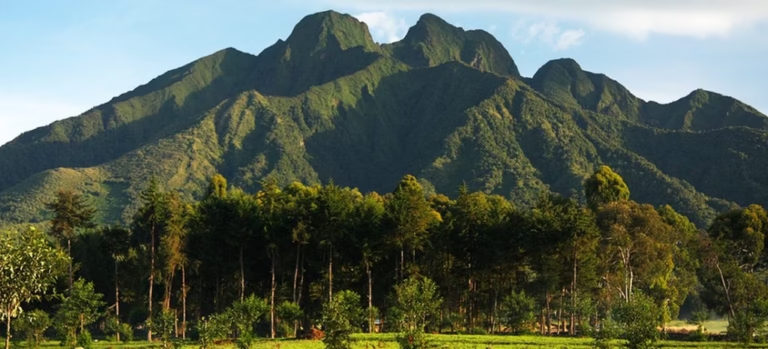
Fly-in Canopy walk Holidays in Rwanda for Photographers combine efficient travel planning with the visual possibilities of one of Rwanda's most important rainforest environments. Nyungwe National Park offers photographers layers of green vegetation, mist, mountain scenery, forest wildlife and an elevated canopy walkway that creates perspectives unavailable from ordinary ground-level trails.
The canopy walk in Rwanda is located in Nyungwe National Park in southwestern Rwanda. Photographers planning this holiday should therefore organize their route around Nyungwe rather than assuming the activity is available near Kigali or Volcanoes National Park.
A fly-in itinerary can use appropriate aviation arrangements where they provide genuine advantages, but road transfers remain important within Rwanda. The strongest photography journey combines transportation methods according to practicality, allowing photographers enough time at each destination rather than focusing only on speed.
Why Nyungwe Appeals to Photographers
Nyungwe provides a complex visual environment.
The rainforest contains towering trees, dense undergrowth, vines, ferns and changing layers of vegetation.
Mist can move through the hills, while sunlight may penetrate sections of the canopy and create dramatic contrast.
Photography is not limited to wildlife.
The forest itself can become the subject, with opportunities for wide landscapes, detailed plant studies and atmospheric compositions.
Photographers who arrive expecting only one classic canopy photograph may overlook much of what makes Nyungwe visually interesting.
The Canopy Walk Perspective
The Nyungwe canopy walkway allows photographers to experience sections of the forest from an elevated viewpoint.
From this position, the relationship between the forest canopy, surrounding ridges and distant landscape becomes clearer.
Weather can change the appearance of the scene quickly.
Clear conditions may reveal wider views, while mist can create a more mysterious atmosphere.
Photographers should remain flexible instead of assuming that only bright sunshine produces worthwhile images.
Different conditions can tell different visual stories.
Preparing Camera Equipment
A photographer should carry enough equipment to cover likely situations without creating an unnecessarily heavy load.
A versatile camera body and practical lens combination may be more useful than carrying multiple heavy lenses.
Spare batteries and memory cards should be prepared before departure.
Equipment should also be protected against rain and humidity.
A secure camera strap or carrying system is important on forest trails and elevated sections.
Photographers should be able to keep their hands free when necessary for safe movement.
Managing Forest Light
Rainforest photography often involves difficult light.
Dense vegetation can create low-light conditions, while openings in the canopy may be significantly brighter.
Photographers should understand their camera's exposure controls before beginning the walk.
Higher ISO settings may sometimes be required, depending on the subject and available light.
A stable shooting position can help with static forest scenes, although visitors should only stop where guides indicate that doing so is safe.
Technical photography should never interfere with movement or park regulations.
Photographing the Landscape
The canopy walkway can support wider compositions showing the scale of the forest.
Photographers can look for layers created by nearby trees, middle-distance vegetation and distant hills.
Mist can separate these layers and produce depth.
Changing cloud conditions may alter the scene within minutes.
Instead of taking one photograph and immediately moving on mentally, photographers should continue observing the environment while respecting the group's pace.
Strong landscape photography often depends on noticing subtle changes.
Fly-in Planning for Photographers
A fly-in Rwanda photography holiday can be useful for travellers carrying equipment or working with limited time.
However, aviation should be selected only when it makes logistical sense.
Not every destination has convenient scheduled flight connections, and road travel may remain more efficient for particular sectors.
Photographers should also consider airline luggage allowances before selecting a flight.
Camera equipment can add significant weight, and excess baggage charges may affect the budget.
The complete transportation plan should therefore be reviewed before tickets are confirmed.
Road Transfers as Photography Opportunities
Road journeys can also contribute to a photographic itinerary.
Rwanda's hills, cultivated landscapes and settlements provide visual changes between destinations.
A private vehicle can allow selected stops where safe and appropriate.
However, photographers should not expect the driver to stop suddenly in unsafe locations simply because an interesting scene appears.
Stops should be coordinated responsibly.
The journey itself can become part of the photographic story of Rwanda.
Accommodation for Photographers
Accommodation should provide more than an attractive room.
Photographers may need dependable electricity for charging batteries, secure storage for equipment and enough space to organize camera gear.
Location is also important.
Staying closer to the activity area can reduce early morning driving and simplify logistics.
Travellers should ask about meal arrangements and electricity when considering more remote properties.
A moderately priced lodge with practical facilities may be more useful than an expensive property selected only for appearance.
Protecting Equipment from Moisture
Nyungwe's forest environment can be humid and wet.
A waterproof camera cover or suitable protective bag should be easily accessible.
Photographers should avoid exposing equipment unnecessarily during heavy rain.
Moisture management after returning to the lodge is also important.
Travellers should allow equipment to dry appropriately and use suitable protective methods.
Planning for moisture before the trip can prevent expensive problems.
Wildlife Photography in Nyungwe
Nyungwe supports diverse wildlife, including primates and birds.
Wildlife sightings during a particular walk cannot be guaranteed.
Photographers should avoid viewing the forest only through the expectation of a specific species.
Unexpected encounters can provide excellent images.
Those booking dedicated primate or birding activities should confirm current arrangements separately.
Wildlife photography must always follow park regulations and guide instructions.
Responsible Photography
No photograph should require damaging vegetation, leaving an authorized trail or disturbing wildlife.
Photographers should avoid blocking other visitors for prolonged periods.
Drones and specialized equipment must only be used where explicitly permitted under applicable rules; travellers should never assume permission.
When photographing communities outside the park, close portraits should involve appropriate consent.
Responsible photography in Rwanda protects both people and natural environments.
Combining Nyungwe with Huye
Huye can provide cultural and architectural photography opportunities during a southern Rwanda journey.
Museums and cultural attractions can also help photographers understand the history behind the landscapes and communities they document.
Photography rules should be confirmed at individual institutions.
The road between Kigali, Huye and Nyungwe can make the journey more varied than travelling directly between isolated attractions.
Photographers should allocate enough time rather than attempting too many stops in one day.
Lake Kivu for Landscape Photography
Lake Kivu can be an excellent addition after Nyungwe.
The lake provides a completely different visual environment, with open water, hills, shoreline activity and changing light.
Morning and evening conditions can be particularly rewarding.
Photographers can use the slower lakeside stage to recover after forest walking while continuing to create images.
Boat experiences may provide alternative perspectives where suitable and safely arranged.
Volcanoes National Park Extension
The Volcanoes region provides dramatic mountain landscapes and primate photography opportunities.
Travellers can consider golden monkey or gorilla trekking according to permits, eligibility and budget.
Mountain gorilla photography follows strict regulations designed to protect the animals.
Photographers must follow ranger instructions and should prepare camera settings before reaching the gorillas.
The welfare of the animals always takes priority over obtaining an image.
Kigali Photography
Kigali can contribute urban and cultural images to the portfolio.
Architecture, city hills, markets and contemporary creative spaces can broaden the story beyond national parks.
Photographers should remain particularly sensitive when photographing people and historical sites.
The Kigali Genocide Memorial must be approached with respect, and all site photography rules should be followed.
A strong travel portfolio should reflect understanding rather than simply visual variety.
Packing for a Photography Holiday
Photography equipment should be balanced against clothing and personal luggage.
A lightweight rain jacket, walking shoes, long trousers and practical layers are essential for Nyungwe.
Spare batteries, chargers, memory cards and protective equipment should be checked before departure.
Travellers using flights should review hand-luggage restrictions carefully.
Important camera equipment is generally best kept under personal control where airline rules permit.
When to Photograph Nyungwe
Nyungwe changes throughout the year.
Rain can create saturated vegetation and atmospheric conditions, while relatively drier periods may make walking easier.
Cloud and mist are not necessarily disadvantages for photographers.
The ideal period depends on the type of images the traveller hopes to create and the wider Rwanda itinerary.
Visitors should remain prepared for changing conditions regardless of travel month.
Planning Fly-in Canopy walk Holidays in Rwanda for Photographers
Fly-in Canopy walk Holidays in Rwanda for Photographers provide opportunities to document Rwanda's rainforest from both ground level and an elevated canopy perspective.
The central experience belongs in Nyungwe National Park, supported by careful equipment preparation and realistic expectations about rainforest weather.
Flights can reduce travel time on appropriate sectors, while road transfers remain valuable for both logistics and landscape observation.
Huye, Lake Kivu, Kigali and Volcanoes National Park can extend the photographic journey according to available days and budget.
Photographers should prioritize secure equipment handling, weather protection and responsible behaviour throughout the trip.
The strongest images will come from observing Rwanda carefully rather than simply rushing between famous viewpoints.
Plan Your Safari with your photography interests, equipment requirements, travel dates and preferred destinations so that transportation and activity timing can support the photographic journey.