Tour Idea
Budget Gorilla Trekking Holidays in Rwanda for Families
Plan a Rwanda family gorilla trekking holiday with Volcanoes National Park, age requirements, family activities, practical lodges and travel advice.
- Thoughtfully Paced Time to see the place, not only tick it
- Expert Planning Permits, lodges and transfers in one plan
- Wildlife & Culture Parks, communities and scenic rest days
Overview
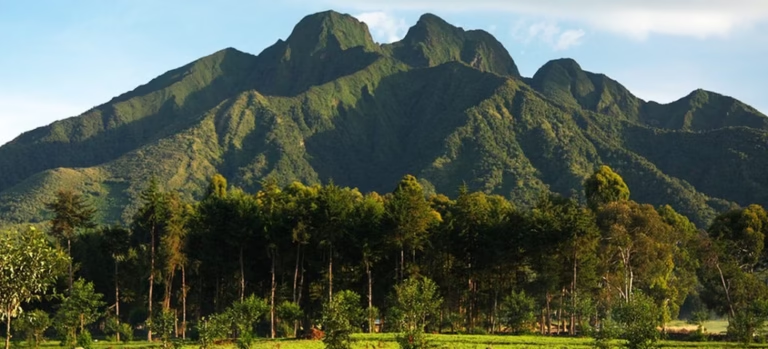
A budget gorilla trekking holiday in Rwanda for families can become an extraordinary multigenerational wildlife journey when the itinerary is designed carefully around age requirements, physical ability and overall cost. Rwanda's mountain gorillas are visited in Volcanoes National Park, where regulated treks allow eligible visitors to observe habituated gorilla families within their natural forest habitat.
Families require more planning than couples because not every child may be eligible to trek. The minimum age for gorilla trekking in Rwanda is 15 years, so parents travelling with younger children need appropriate alternative activities and supervision arrangements. Older teenagers who meet the requirement can participate alongside their parents, creating an exceptional shared wildlife experience.
The gorilla permit represents the largest fixed activity expense. Families can keep the broader holiday manageable through practical accommodation, shared private transportation and a focused route involving Kigali, Volcanoes National Park and perhaps Lake Kivu.
Why Gorilla Trekking Appeals to Families
For families with eligible teenagers, gorilla trekking can provide an unforgettable conservation experience.
The trek involves more than finding the animals.
Participants walk through a natural forest environment with professional guides and learn about gorilla behaviour, habitat and conservation.
Once the gorillas are found, the standard observation period is one hour.
Families can watch social interactions and feeding while following strict viewing rules.
A Rwanda family gorilla safari can therefore combine adventure and education in a way that conventional sightseeing rarely achieves.
Understanding the Minimum Age
The minimum age for gorilla trekking in Rwanda is 15 years.
Families should treat this requirement as an essential part of planning.
Parents should not build an itinerary around the assumption that younger children will be allowed to join.
Alternative arrangements should be organised in advance.
This may involve an age-appropriate activity with suitable supervision while eligible family members trek.
Clear planning ensures younger travellers still feel included in the holiday rather than simply being left without a meaningful programme.
Budgeting for a Family Gorilla Safari
The standard Rwanda gorilla permit is USD 1,500 per eligible participant.
For a family with several trekkers, permits can therefore represent a substantial total expense.
Accommodation and transportation should be selected with this in mind.
Family rooms can reduce lodging costs.
A single private vehicle can transport several relatives, allowing the expense to be shared.
Families may also decide that gorilla trekking will be the premium activity of the trip and keep other excursions more modest.
This focused approach prevents the budget from expanding unnecessarily.
Choosing Family Accommodation
Accommodation near Volcanoes National Park should be practical for an early trekking departure.
Families should consider room configurations carefully.
Family rooms, triples or interconnected rooms may provide better value than several independent rooms.
Meals should be available at times that fit the trekking schedule.
Parents should also think about where younger children will spend time if they are not participating in the trek.
A comfortable property can make alternative arrangements easier.
Luxury is not essential, but security, cleanliness and suitable family facilities matter.
Preparing Teenagers for Gorilla Trekking
Eligible teenagers should understand that gorilla trekking is not a zoo visit.
The animals are wild and the route can involve difficult natural terrain.
Families should prepare through regular walking and suitable physical activity before travel.
Good hiking footwear is important.
Long trousers and practical clothing provide protection from vegetation.
Rain gear should remain accessible.
Teenagers should also understand the importance of listening to guides.
Excitement during the encounter must never override conservation rules.
Gorilla Trekking Rules for Families
Visitor behaviour is strictly controlled.
Groups around each habituated gorilla family are limited.
The standard observation period is one hour once the gorillas are located.
Visitors must respect the required distance and follow current health procedures.
Masks may be required according to park rules.
Gorillas should never be touched or fed.
Anyone feeling unwell should communicate this honestly.
Parents can use the experience to demonstrate how responsible tourism protects vulnerable wildlife.
Photography with Teenagers
Older children and teenagers may be particularly enthusiastic about photography.
Parents should help them prepare cameras or phones before the trek.
Flash should not be used.
Teenagers should also understand that taking photographs is secondary to following the guide.
Encouraging them to spend part of the encounter simply observing can make the experience more meaningful.
Photography can later provide a way for the family to discuss gorilla behaviour and conservation.
Activities for Younger Children
Families with children under the trekking age need suitable alternatives.
The exact activity should depend on age, interests and the arrangements available during the trip.
Cultural experiences, appropriate nature activities or relaxed time at the accommodation may be considered.
The important point is to plan these arrangements before the trekking morning.
Parents should know who will supervise younger family members and what they will be doing.
A private itinerary makes it easier to coordinate separate programmes and reunite the family afterwards.
Lake Kivu After Trekking
Lake Kivu can provide an excellent family extension.
Eligible trekkers can recover from the forest while younger children enjoy a new destination.
Families can spend time beside the lake or arrange suitable activities.
The slower pace helps balance the intensity of the gorilla experience.
Budget-friendly lakeside accommodation can keep the extension manageable.
The lake also creates shared experiences for the whole family after a day when some members may have followed different programmes.
Kigali Before the Safari
A Kigali stay can help families recover after international flights.
Parents can also use the city to introduce children to Rwanda's history and contemporary culture.
Historical attractions should be selected according to age and maturity.
Suitable city experiences can be combined with restaurants, art or markets.
Starting the journey gradually is often more comfortable than driving directly toward the mountains immediately after arrival.
Kigali can also provide the final night before international departure.
Adding Akagera
Families with enough time and budget can add Akagera National Park.
Game drives provide an experience in which younger children can participate more easily than in age-restricted gorilla trekking.
The park introduces savannah wildlife and wetland environments.
However, travelling between multiple regions increases transportation costs.
Families should ensure enough time is available rather than creating an exhausting itinerary simply to include another park.
A focused gorilla and Lake Kivu holiday may be more suitable for shorter trips.
Booking Gorilla Permits Early
Families may need several permits on the same trekking date.
This makes advance planning particularly important.
Popular periods can have limited availability.
Booking four to six months ahead is a useful general guideline for peak travel, while families with fixed school-holiday dates may benefit from planning even earlier.
Permit availability should be established before confirming the entire itinerary.
Accurate participant information is required.
Families should also understand the applicable permit conditions before payment.
Responsible Family Gorilla Tourism
Gorilla trekking can teach teenagers important lessons about conservation.
Visitors must recognise that tourism operates under strict rules because gorillas require protection.
The forest should remain free from litter.
Noise should be controlled.
Health precautions should be respected.
Parents can explain why viewing time is limited and why visitor numbers are restricted.
The experience becomes more meaningful when young travellers understand that conservation takes priority over tourist convenience.
Keeping the Family Journey Affordable
Families can reduce expenses by choosing mid-range accommodation and sharing one private vehicle.
The route should remain geographically efficient.
Optional activities should be selected according to genuine family interest.
Parents should avoid assuming that every night requires a luxury lodge simply because the gorilla permit is expensive.
Practical accommodation can provide everything needed for a successful trek.
Money saved elsewhere can support additional travel days or activities that include younger family members.
Plan Your Family Gorilla Trekking Holiday
A budget gorilla trekking holiday in Rwanda for families can provide one of the most memorable wildlife experiences parents and eligible teenagers share together.
The key is careful preparation.
Confirm the minimum age requirement, secure permits early and arrange appropriate alternatives for younger children.
Choose practical accommodation near Volcanoes National Park and prepare everyone physically for forest conditions.
Lake Kivu or Akagera can broaden the journey when time and budget permit.
Plan your safari so that the gorilla trek becomes part of a balanced family holiday rather than an isolated expensive activity. With thoughtful arrangements, both trekkers and non-trekking family members can enjoy a rewarding Rwanda experience.