
Overview
Nyungwe Forest National Park ranks among Africa’s oldest and most biodiverse rainforests. The park stretches across southwestern Rwanda and delivers one of the continent’s richest primate and forest experiences. Visitors explore dense canopy, mist-covered trails, and a landscape that feels ancient and untouched.
The park protects a vast montane rainforest that supports chimpanzees, rare monkeys, and exceptional birdlife. It also plays a critical role in Rwanda’s water system, feeding major rivers across the region.
Location and Landscape
Nyungwe lies in southwestern Rwanda near the borders of Burundi and the Democratic Republic of Congo. The park covers over 1,000 square kilometers, making it the largest protected forest in Rwanda.
The terrain features rolling hills, deep valleys, and thick forest that stretches across high-altitude ridges. Elevation ranges between 1,600 and 2,950 meters, which creates a cool climate and frequent mist. Numerous rivers originate from this forest, forming part of the Nile and Congo basin systems.
History and Conservation Importance
Nyungwe has remained a protected forest for decades due to its ecological value. Rwanda upgraded it to national park status to strengthen conservation and tourism management. The park now stands as a key example of sustainable forest protection in Africa.
Its ecosystem supports water catchment, climate regulation, and biodiversity conservation. Local communities benefit through tourism and conservation programs linked to the park.
Primate Life in Nyungwe Forest
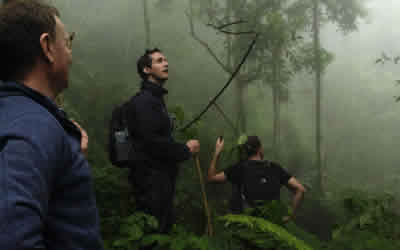
Chimpanzees

Chimpanzee trekking stands as the main activity in Nyungwe. Visitors track habituated groups through the forest and observe their behavior in the wild. The experience feels fast-paced, as chimpanzees move actively through the trees and forest floor.
Other Primates
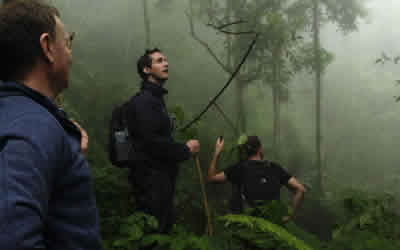
Nyungwe hosts over 13 primate species, making it one of Africa’s top primate destinations. These include colobus monkeys, L’Hoest’s monkeys, grey-cheeked mangabeys, vervet monkeys, and baboons. Large troops of Angolan colobus monkeys often move together in impressive numbers.
Forest and Vegetation
Nyungwe’s vegetation remains dense and diverse. The forest includes tropical rainforest, bamboo zones, and montane vegetation. Tall trees form a continuous canopy, while thick undergrowth covers the forest floor.
This structure supports a wide range of wildlife and creates shaded, humid conditions throughout the park. Water streams and waterfalls flow through the forest, adding to its scenic appeal.
Wildlife Beyond Primates
Nyungwe supports several mammals, although sightings require patience due to the dense forest. Species include forest elephants, bushbucks, duikers, and small carnivores. The park also hosts reptiles, amphibians, and countless insect species that contribute to its ecological balance.
Birdlife in Nyungwe Forest
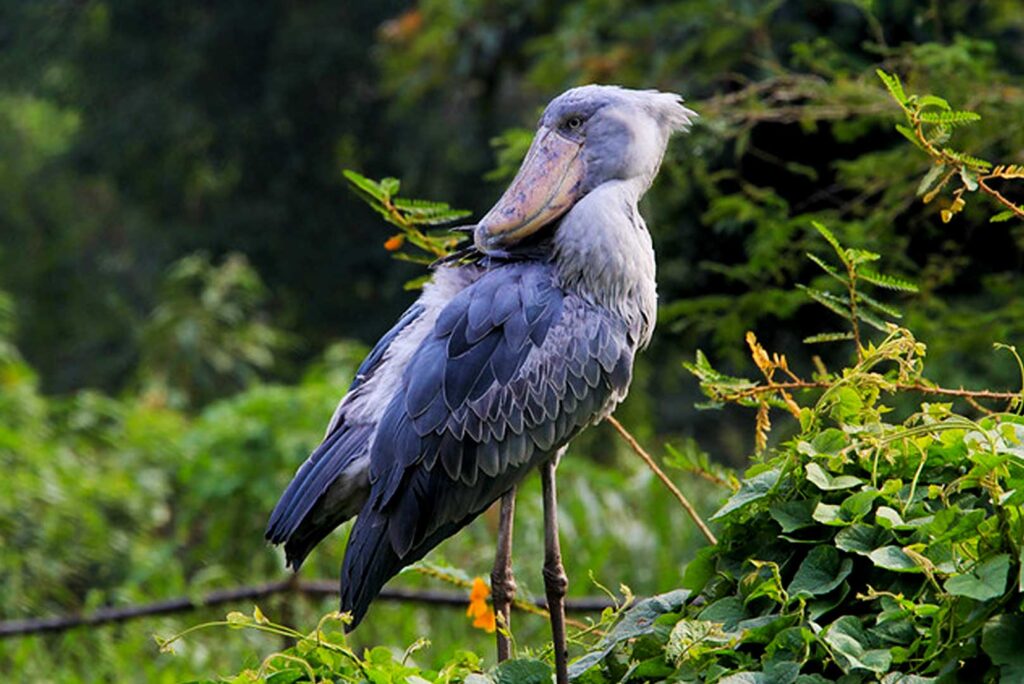
Nyungwe attracts bird lovers with over 300 bird species. Many belong to the Albertine Rift endemics, which makes the park a top birding destination in East Africa.
Key species include the great blue turaco, red-collared babbler, Rwenzori turaco, and numerous sunbirds and forest specialists. The variety of habitats supports both lowland and montane bird species.
Top Activities in Nyungwe Forest National Park
Chimpanzee Trekking
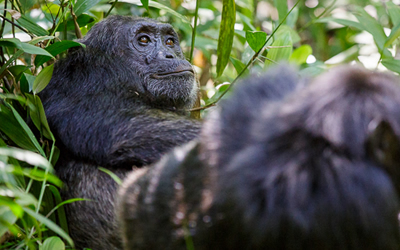
Chimpanzee trekking offers a dynamic forest experience. Visitors follow trackers into the forest and observe chimpanzees as they feed, call, and move through the canopy.
Canopy Walk
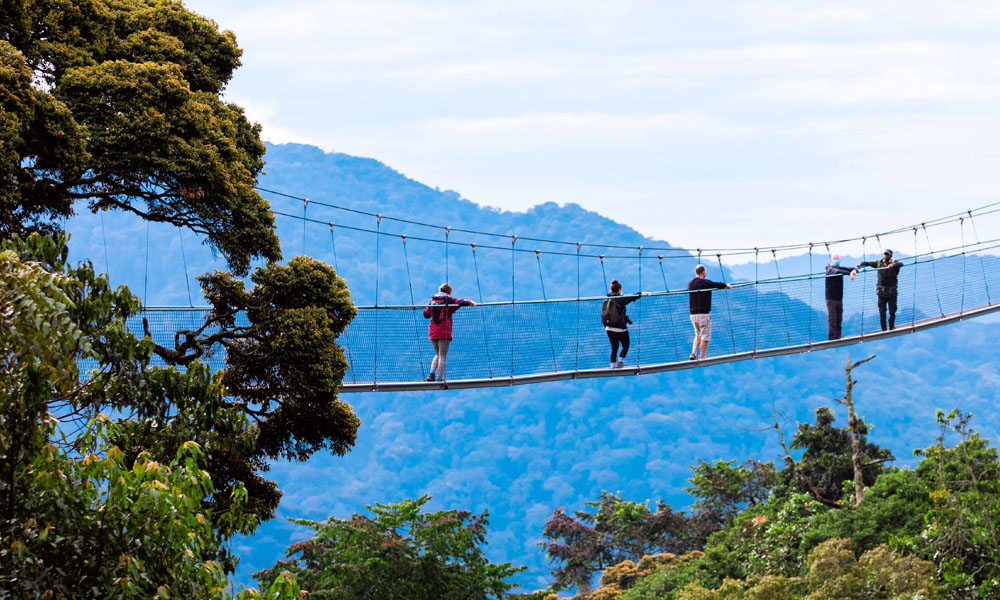
The canopy walk provides a unique perspective above the forest. Suspended high above the ground, the walkway offers views across treetops and valleys. It creates a mix of adventure and scenic beauty.
Colobus Monkey Tracking
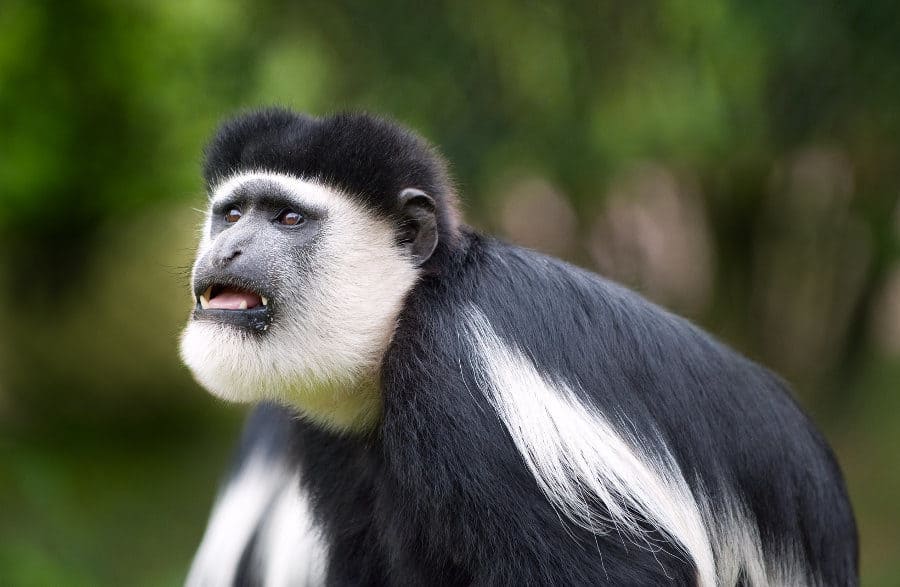
Tracking colobus monkeys allows visitors to observe large groups moving through the forest. Their striking black and white appearance makes them easy to identify.
Nature Walks and Hiking Trails

Nyungwe features well-developed trails that lead to waterfalls, viewpoints, and hidden forest sections. Guided walks reveal plant life, birds, and smaller primates.
Bird Watching
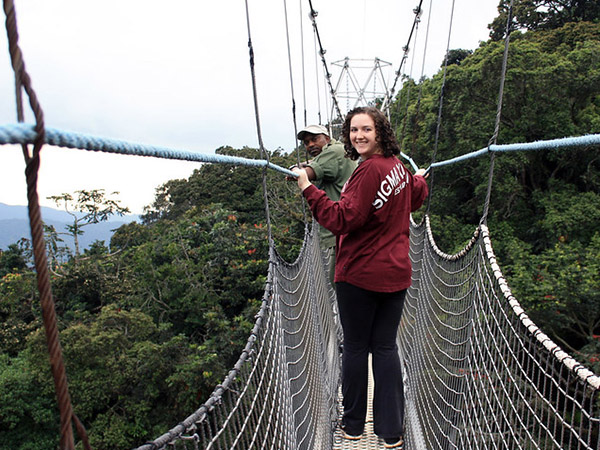
Birding in Nyungwe delivers excellent results due to the high number of species. Early morning walks provide the best opportunities for sightings.
Why Visit Nyungwe Forest National Park
Nyungwe offers a different safari experience compared to savannah parks. It focuses on forests, primates, and biodiversity rather than large open plains. The park delivers depth, diversity, and a strong sense of wilderness.
Visitors who seek chimpanzees, rare monkeys, and immersive forest experiences find Nyungwe one of the most rewarding destinations in Rwanda.
In This Guide
Nyungwe Forest National Park Rwanda: Complete Chimpanzee Trekking and Travel Guide
Nyungwe Forest National Park Rwanda is one of Africa’s most remarkable tropical rainforest destinations. Located in southwestern Rwanda, the park protects a vast mountain forest ecosystem known for its exceptional biodiversity, endangered primates, beautiful waterfalls and extensive hiking trails.
Nyungwe is especially famous for chimpanzee trekking in Rwanda, an exciting wildlife experience that allows visitors to search for habituated chimpanzees in their natural forest habitat. Guided treks take travelers through dense vegetation, steep hills and beautiful rainforest landscapes while experienced trackers help locate the chimpanzees.
Unlike Rwanda’s Volcanoes National Park, which is best known for mountain gorilla trekking, Nyungwe offers a different primate experience. Chimpanzees are highly active animals that frequently move through the forest canopy, communicate through distinctive calls and interact within complex social groups.
The park is also home to several other primate species, including black-and-white colobus monkeys, L’Hoest’s monkeys, blue monkeys and other forest-dwelling primates. This remarkable diversity makes Nyungwe one of the most important primate conservation landscapes in East Africa.
Beyond primate encounters, visitors can experience the famous Nyungwe canopy walkway, which offers elevated views over the rainforest. Hiking trails lead through mountain vegetation to waterfalls, scenic viewpoints and quiet forest habitats.
Birdwatchers are attracted by the park’s rich birdlife, including species associated with the Albertine Rift. Nature enthusiasts can also discover orchids, giant ferns and other plants adapted to Nyungwe’s humid mountain environment.
Nyungwe is particularly appealing to travelers who want to experience Rwanda beyond mountain gorilla trekking. The park can be combined with Lake Kivu, Volcanoes National Park and Akagera National Park for a comprehensive Rwanda wildlife safari.
This guide explains the best activities, chimpanzee trekking arrangements, hiking trails, accommodation, travel seasons and practical information needed to plan a memorable Nyungwe Forest safari.
Where Is Nyungwe Forest National Park Located?
Nyungwe Forest National Park is located in southwestern Rwanda, near the border with Burundi. It protects a mountainous rainforest landscape that forms part of the wider Albertine Rift region.
The park covers approximately 1,019 square kilometers, although published area figures can vary slightly according to mapping and administrative references.
Nyungwe’s location gives it a different climate and landscape from Rwanda’s eastern savannah parks. The forest experiences substantial rainfall and supports vegetation adapted to humid mountain conditions.
How Far Is Nyungwe From Kigali?
The drive from Kigali to the main Nyungwe tourism areas generally takes approximately five to seven hours, depending on the route, traffic, weather and accommodation location.
Travelers should allow sufficient time for the journey, particularly when planning activities that require early morning reporting.
Most visitors travel by private safari vehicle, allowing flexibility for sightseeing stops and transfers to accommodation.
Traveling Through Huye and Nyanza
The journey from Kigali toward Nyungwe can include stops in Nyanza and Huye.
Nyanza is associated with Rwanda’s royal history, while Huye is known for cultural and educational attractions.
These stops can add historical context to a rainforest safari and help break up the road journey.
Gisakura: A Gateway to Nyungwe
Gisakura is one of the best-known areas associated with tourism access to Nyungwe Forest National Park.
The surrounding landscape includes tea plantations, forest scenery and accommodation options.
Travelers planning chimpanzee trekking, canopy walks or forest hikes should confirm the exact activity starting point before selecting accommodation.
Can You Visit Nyungwe on a Day Trip From Kigali?
A day trip from Kigali is generally not practical for visitors hoping to enjoy Nyungwe’s main activities comfortably.
The long road journey and early activity reporting times make an overnight stay strongly advisable.
Two or three nights provide more opportunities to experience chimpanzee trekking, hiking and other forest attractions.
History of Nyungwe Forest National Park and UNESCO Recognition
Nyungwe is one of Rwanda’s most important natural conservation areas. Its forest ecosystem has attracted scientific interest because of its biodiversity, ecological history and role in protecting threatened wildlife.
Protection of Nyungwe Forest
Nyungwe has a long history of forest protection, with formal conservation measures dating back to the twentieth century.
The area was designated as a national park in 2004, strengthening its status as a protected landscape.
Why Nyungwe Is Ecologically Important
Nyungwe protects mountain rainforest habitats that support numerous plant and animal species.
Its location within the Albertine Rift contributes to its biodiversity, including species with restricted regional distributions.
The forest also plays an important role in protecting watersheds and supporting ecological processes beyond the park boundaries.
UNESCO World Heritage Recognition
Nyungwe National Park was inscribed on the UNESCO World Heritage List in 2023 in recognition of its outstanding natural importance.
This designation highlights the park’s biodiversity and the global significance of protecting its ecosystems.
World Heritage recognition does not eliminate conservation challenges, but it provides additional international attention to the importance of the protected area.
Modern Conservation Management
Nyungwe is managed through conservation partnerships involving Rwanda’s national authorities and African Parks.
Management priorities include wildlife protection, biodiversity monitoring, responsible tourism and cooperation with communities living around the forest.
Nyungwe and Rwanda’s Tourism Development
Nyungwe contributes to Rwanda’s position as a destination for primate tourism and nature-based travel.
Its chimpanzee trekking and rainforest activities complement gorilla trekking in Volcanoes National Park and traditional game drives in Akagera.
Rainforest Ecosystems and Landscapes of Nyungwe
Nyungwe contains a remarkable range of forest habitats influenced by altitude, rainfall and topography.
The park’s mountain landscape includes ridges, valleys, streams, waterfalls and areas of dense vegetation.
Montane Rainforest
Much of Nyungwe is covered by montane rainforest, with trees, shrubs, vines and other plants adapted to humid mountain conditions.
The forest canopy creates a shaded environment that supports numerous animals, insects and plant species.
Bamboo and Forest Vegetation
Different vegetation communities occur across the park according to altitude and environmental conditions.
These habitats provide feeding opportunities and shelter for primates, birds and other wildlife.
Streams and Waterfalls
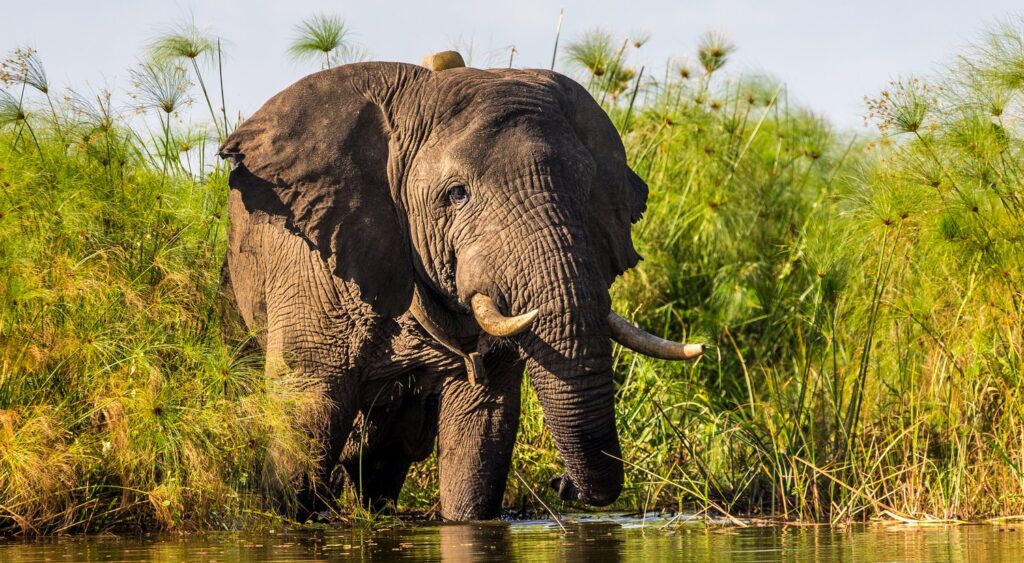
Nyungwe contains streams and waterfalls that contribute to its scenic beauty and ecological importance.
Some hiking trails lead to waterfalls through dense forest, offering opportunities for landscape photography and nature observation.
Mountain Ridges and Viewpoints
The park’s mountainous terrain creates elevated viewpoints overlooking the surrounding rainforest.
On clear days, visitors may enjoy extensive views across forested valleys and distant hills.
Tea Plantations Around Nyungwe

Tea plantations near Gisakura create a distinctive landscape where cultivated hillsides meet protected forest.
These areas provide opportunities for scenic photography and appropriately organized cultural or agricultural experiences.
Why Nyungwe’s Forest Matters
Nyungwe’s vegetation provides habitat for threatened species and helps maintain important ecological processes.
Protecting the forest supports biodiversity, water resources and the wider environmental health of southwestern Rwanda.
Primates and Other Wildlife in Nyungwe Forest National Park
Nyungwe Forest National Park is widely recognized for its primate diversity. The park is commonly described as supporting 13 primate species, although the exact number reported may depend on taxonomic classification and updated research.
These primates occupy different forest habitats and display a variety of feeding habits, social relationships and movement patterns.
Chimpanzees
Chimpanzees are among Nyungwe’s most famous residents. They live in complex social communities and communicate through calls, gestures and other behaviors.
They may travel through trees or along the forest floor while searching for food.
Chimpanzee trekking provides an opportunity to observe their natural behavior under controlled tourism arrangements.
Black-and-White Colobus Monkeys

Black-and-white colobus monkeys are another important primate attraction.
They are recognizable by their contrasting black and white fur and are often observed moving through forest trees.
Nyungwe is especially well known for large colobus monkey groups, making tracking an attractive activity for primate enthusiasts.
L’Hoest’s Monkeys

L’Hoest’s monkeys are forest primates associated with the Albertine Rift region.
They can be difficult to observe because they often move through dense vegetation.
Blue Monkeys

Blue monkeys inhabit suitable forest environments within Nyungwe.
Their movements through the canopy can provide interesting wildlife observation opportunities during guided walks.
Other Forest Primates
Additional primates associated with Nyungwe include various guenons and other monkey species adapted to the forest ecosystem.
Visitors should not expect to encounter every primate species during a short visit because some animals are elusive or occupy less accessible habitats.
Other Forest Mammals
Nyungwe also supports mammals beyond its primates, including species that are difficult to observe because of dense vegetation and secretive behavior.
The park is primarily a rainforest wildlife destination rather than a traditional Big Five safari location.
Birds, Butterflies and Smaller Wildlife
Nyungwe’s biodiversity extends to birds, butterflies, amphibians and numerous other animals.
Guided nature walks provide opportunities to appreciate these smaller species and their role in the forest ecosystem.
Chimpanzee Trekking in Nyungwe Forest National Park Rwanda

Chimpanzee trekking in Nyungwe Forest National Park is one of Rwanda’s most exciting primate experiences. It offers visitors the opportunity to explore an ancient mountain rainforest while searching for habituated chimpanzees in their natural habitat.
Chimpanzees are highly intelligent and social great apes. They live in communities with complex relationships and communicate through vocalizations, facial expressions and gestures. Unlike mountain gorillas, which are often observed feeding or resting on the forest floor, chimpanzees can move rapidly through the canopy and across steep forest slopes.
This difference makes chimpanzee trekking an energetic and unpredictable adventure. Visitors may hear loud calls echoing through the forest before the animals become visible. Sometimes chimpanzees remain high in the trees, while at other times they descend to the ground or move through more open vegetation.
Where Does Chimpanzee Trekking Take Place?
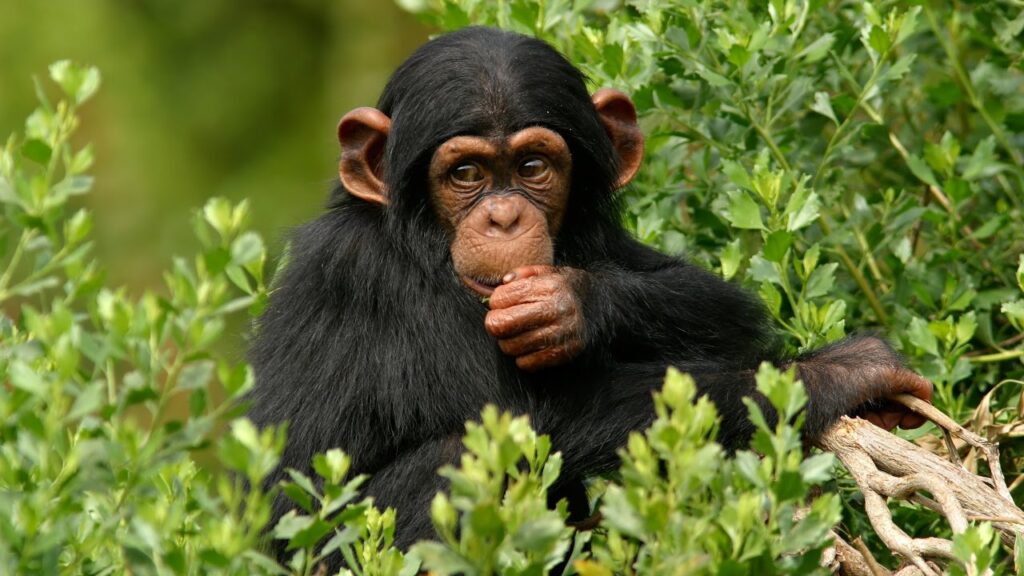
Chimpanzee trekking takes place in designated areas of the Nyungwe forest ecosystem, including the main Nyungwe forest and the Cyamudongo forest area, depending on current park arrangements and the habituated communities available for tourism.
Cyamudongo is a smaller forest area associated with Nyungwe’s chimpanzee conservation landscape. It is particularly important because of its chimpanzee habitat and ecological connection to the wider protected area.
The assigned trekking location affects your reporting point and travel arrangements. Visitors should confirm their activity location before selecting accommodation or arranging morning transfers.
What Happens During a Chimpanzee Trek?
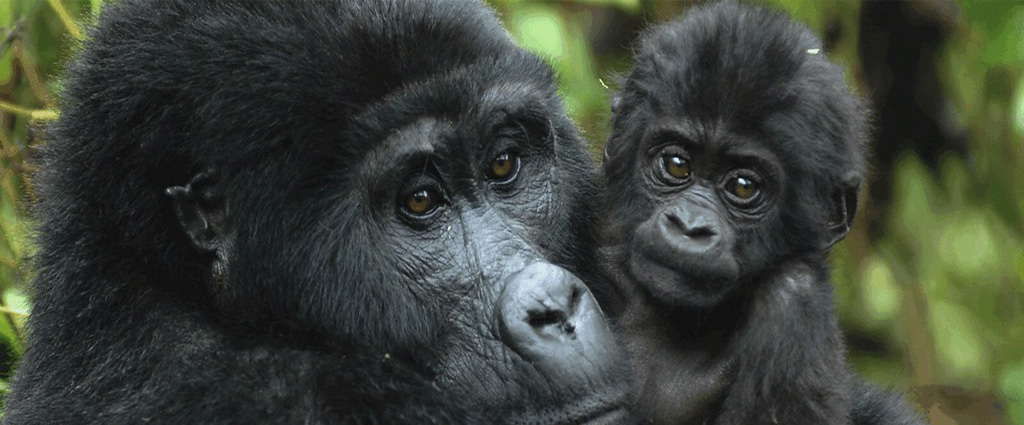
The experience normally begins with an early morning briefing. Visitors meet authorized guides, receive instructions about forest safety and learn about the behavior of chimpanzees.
The group then follows forest trails while trackers search for signs of chimpanzee activity. Their knowledge of the animals’ movements and feeding areas helps guide the search.
The walk may involve steep paths, muddy sections and dense vegetation. As the chimpanzees move through the forest, the guides may adjust the route to improve opportunities for observation.
Once the animals are located, visitors observe them according to the current park rules. The encounter may include feeding, grooming, vocalizing, resting or traveling between trees.
What Makes Chimpanzee Trekking Different From Gorilla Trekking?
Both experiences involve tracking great apes in protected forest habitats, but the animals behave differently.
Mountain gorillas often spend extended periods feeding or resting within a relatively concentrated area. Chimpanzees may move quickly and frequently occupy the forest canopy.
Chimpanzee trekking can therefore involve following sounds and movements through vegetation rather than observing a relatively stationary family.
Neither experience guarantees a particular sighting or behavior. Both require patience and respect for the animals.
How Difficult Is Chimpanzee Trekking in Nyungwe?
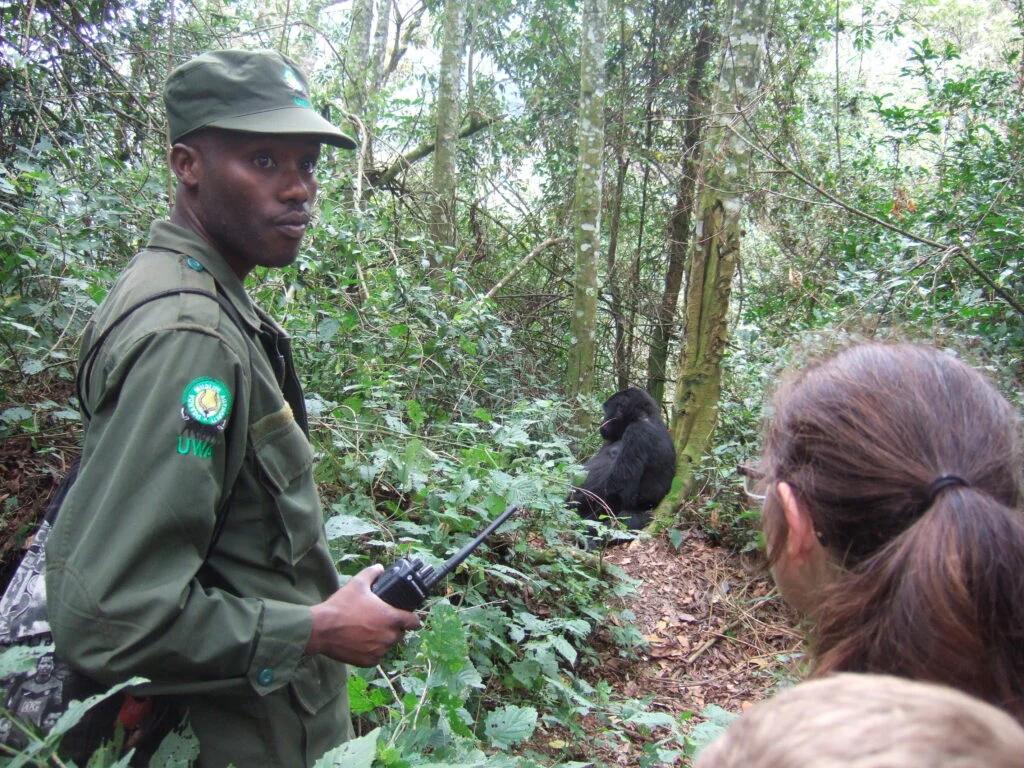
The difficulty varies according to terrain, weather, the chimpanzees’ location and the visitors’ fitness.
Nyungwe is mountainous and receives substantial rainfall. Trails can be steep, slippery and physically demanding.
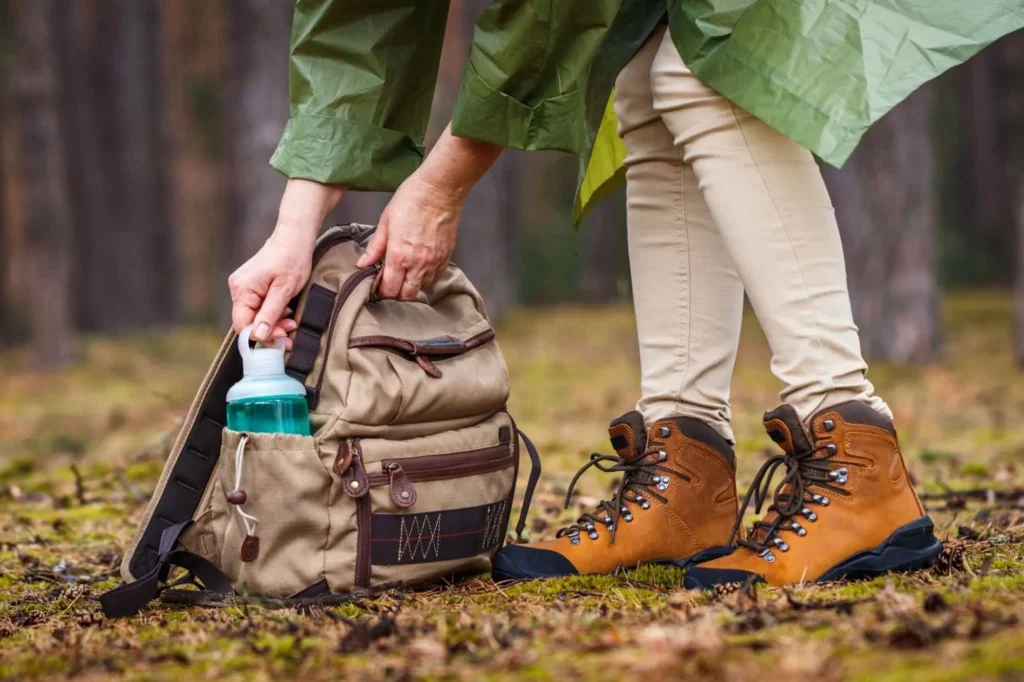
Visitors should wear sturdy waterproof hiking boots and comfortable clothing suitable for forest conditions.
How Long Does Chimpanzee Trekking Take?
The duration of the forest search varies. Some groups may locate chimpanzees relatively quickly, while others may spend several hours walking.
Travelers should allow enough time for the activity and avoid scheduling immediate long-distance transfers after trekking.
Can Chimpanzee Sightings Be Guaranteed?
No. Chimpanzees remain wild animals and move freely through the forest.
Experienced trackers improve the opportunities for finding habituated communities, but a sighting cannot be guaranteed.
Best Time for Chimpanzee Trekking in Nyungwe
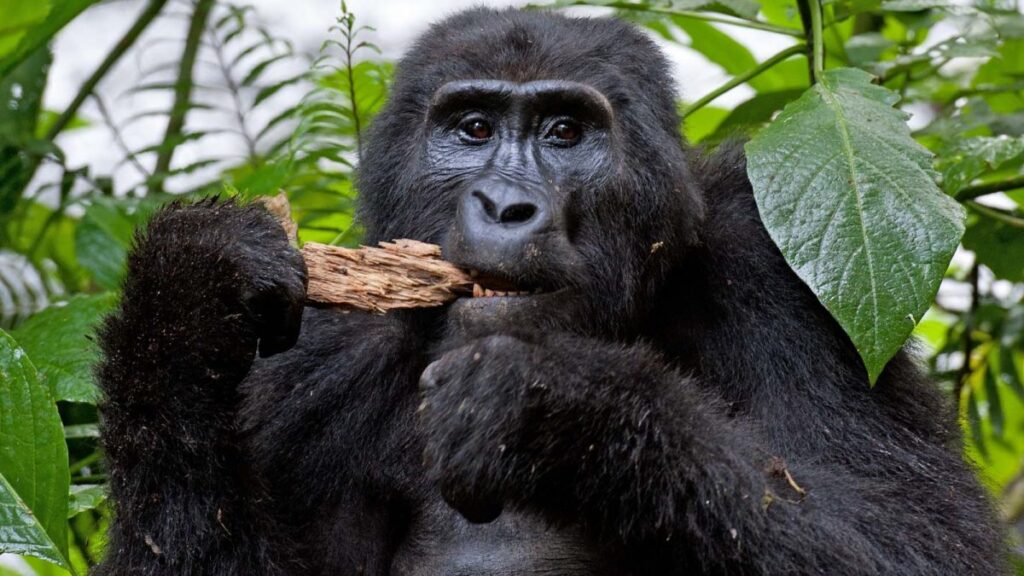
Chimpanzee trekking operates throughout the year under normal park conditions.
Relatively dry periods may provide more comfortable walking conditions, while wetter periods produce lush forest scenery. However, the chimpanzees’ movements and feeding patterns can change independently of the tourism season.
Travelers should choose their dates according to permit availability, fitness, weather preferences and the wider safari itinerary.
Nyungwe Chimpanzee Trekking Permits and Booking Requirements
An official reservation is required to participate in chimpanzee trekking in Nyungwe National Park. The activity is regulated to protect the animals and manage visitor access to the forest.
How Much Is a Nyungwe Chimpanzee Permit?
Chimpanzee trekking fees depend on the official tariff, visitor category and any applicable park access arrangements.
Because activity tariffs and fee structures can change, travelers should confirm the current total cost before booking. A quotation should explain whether the chimpanzee activity fee and park entry charges are included.
How to Book Chimpanzee Trekking
Visitors can arrange chimpanzee trekking through the relevant authorized booking channels or a safari operator coordinating the complete Rwanda itinerary.
When requesting a booking, provide your travel dates, number of participants and any relevant physical or medical considerations.
When Should You Reserve?
Booking in advance is advisable because the number of visitors permitted on a particular activity may be limited.
Travelers planning a peak-season safari or combining chimpanzee trekking with gorilla trekking should coordinate both activities before confirming accommodation.
What Is Included in the Activity?
The official trekking arrangement normally includes participation in the authorized guided forest activity. Transport from your lodge, meals and personal expenses may be separate.
Confirm all inclusions before payment to avoid misunderstandings.
Age and Health Requirements
Chimpanzee trekking is subject to park-specific minimum-age and health regulations. These requirements should be checked against the current official rules before booking, particularly for families traveling with children.
Visitors with potentially contagious illnesses should inform the operator and park authorities because chimpanzees are vulnerable to some human diseases.
Nyungwe Canopy Walkway: Rwanda’s Famous Rainforest Suspension Bridge
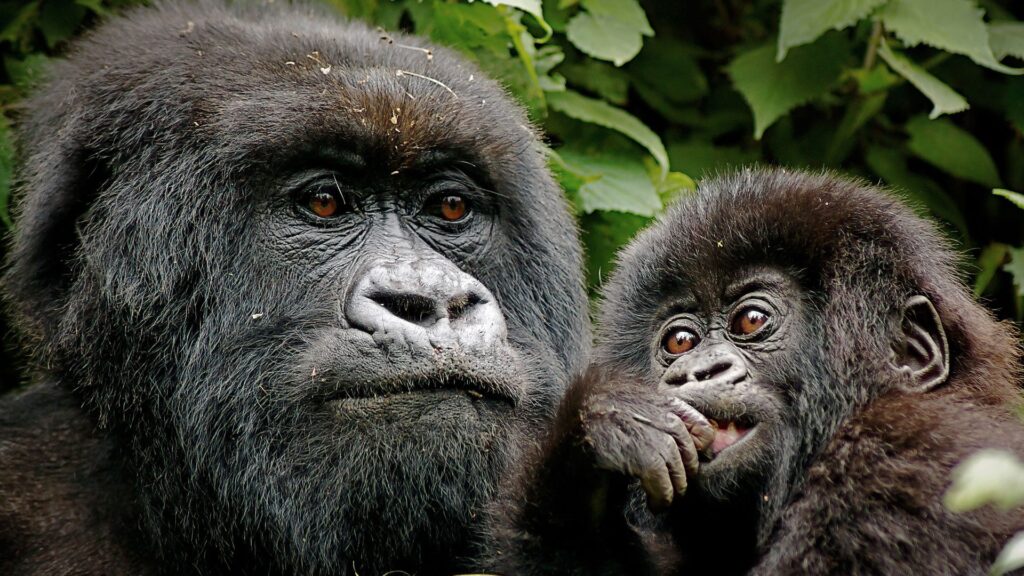
The Nyungwe canopy walkway is one of Rwanda’s most recognizable forest attractions. Suspended high above the vegetation, it offers visitors a different perspective on the rainforest and surrounding mountain landscape.
The walkway extends approximately 160 meters and reaches heights of around 70 meters above the forest floor at its highest sections, according to commonly published descriptions.
Its elevated position provides views of treetops, valleys and the dense vegetation that makes Nyungwe such an important biodiversity destination.
What Is the Canopy Walk Experience Like?
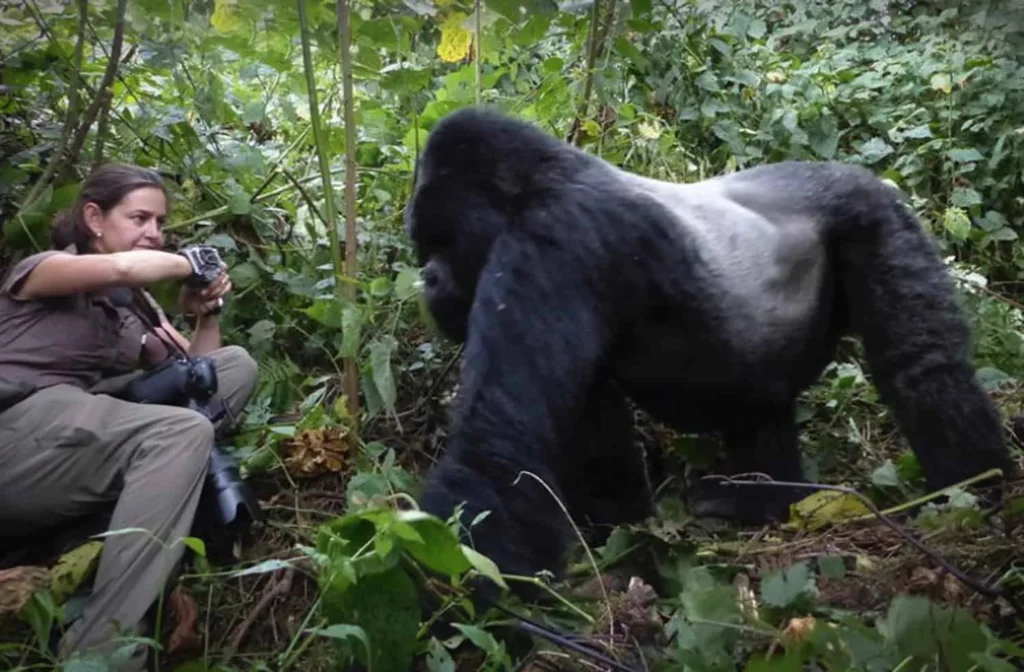
The activity begins with a guided walk through the forest toward the suspended bridge system.
Along the route, visitors can learn about the surrounding vegetation, forest ecology and wildlife.
Walking across the suspended sections provides sweeping views of the forest canopy. The bridge may move slightly as people walk, which can make the experience exciting for adventurous visitors.
Is the Nyungwe Canopy Walk Scary?
The height and movement of the suspension bridge can feel intimidating to travelers who are uncomfortable with heights.
However, the activity is conducted under park safety procedures, and visitors should follow the guide’s instructions throughout.
Those with a significant fear of heights should consider their comfort level before booking.
Can You See Wildlife From the Canopy Walk?
Visitors may observe birds and occasionally other forest wildlife from the walkway or surrounding trails.
However, wildlife sightings are not guaranteed, and the main attraction is the elevated rainforest experience.
Best Time for the Nyungwe Canopy Walk
Clear weather can provide excellent views of the forest and distant hills.
Rain and mist can create atmospheric scenery but may reduce visibility. Activity schedules can also be affected by weather or operational considerations.
Can You Combine the Canopy Walk With Chimpanzee Trekking?
Yes. The two activities can be included in a two- or three-day Nyungwe itinerary, subject to available activity times and transfer distances.
Visitors should avoid assuming both activities can always be completed comfortably on the same day.
Colobus Monkey Tracking in Nyungwe Forest National Park
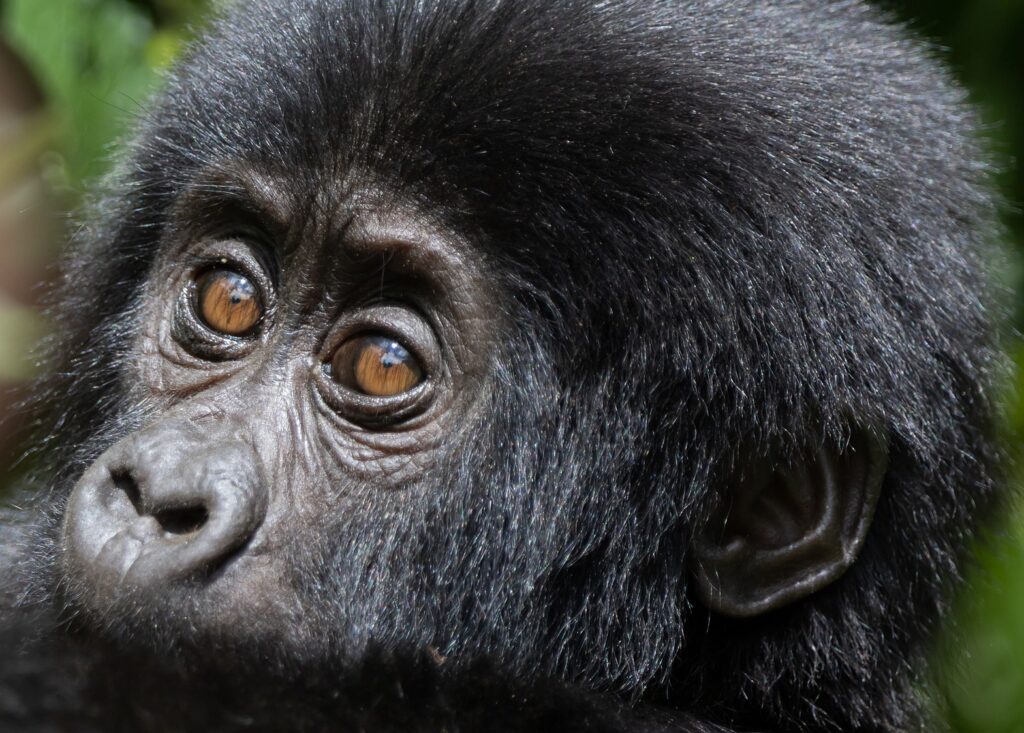
Colobus monkey tracking in Nyungwe offers another fascinating primate encounter. The forest is especially well known for black-and-white colobus monkeys, which can sometimes be observed in remarkably large social groups.
These monkeys are easily recognized by their contrasting black and white coats and graceful movements through the trees.
What Happens During Colobus Monkey Tracking?

Visitors follow an authorized forest guide in search of a habituated or regularly monitored colobus monkey group.
The experience may involve walking through forest trails while listening for movement and calls in the canopy.
Once the monkeys are found, visitors can observe their feeding, resting and social behavior from appropriate viewing positions.
Why Are Nyungwe’s Colobus Monkeys Special?
Nyungwe is known for unusually large aggregations of black-and-white colobus monkeys.
Watching many individuals moving through the canopy can create an impressive wildlife experience.
The exact size and location of any group varies, and large aggregations should not be expected on every visit.
Is Colobus Tracking Easier Than Chimpanzee Trekking?
Some colobus tracking routes may be less demanding than certain chimpanzee treks, but the difficulty depends on terrain and the monkeys’ location.
Visitors should still prepare for slippery trails and changing weather.
Can You Track Different Primates in One Safari?
Yes. A multi-day Nyungwe safari can include chimpanzee trekking and colobus monkey tracking on separate scheduled activities.
Travelers interested in primates may also combine Nyungwe with golden monkey tracking and mountain gorilla trekking in Volcanoes National Park.
Best Hiking Trails in Nyungwe Forest National Park Rwanda
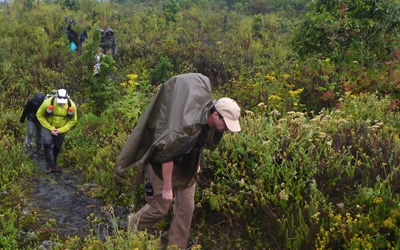
Nyungwe contains an extensive network of guided forest hiking trails. These routes provide opportunities to explore waterfalls, mountain ridges, wetlands and different vegetation communities.
Trail difficulty varies considerably. Some routes are suitable for shorter nature walks, while others require several hours of sustained hiking over steep or muddy terrain.
Igishigishigi Trail
The Igishigishigi Trail is closely associated with the canopy walkway experience.
It provides an introduction to Nyungwe’s rainforest environment, with opportunities to appreciate vegetation, forest sounds and scenic viewpoints.
The route is attractive to travelers seeking a shorter guided forest activity, although conditions may still be slippery after rainfall.
Isumo Waterfall Trail
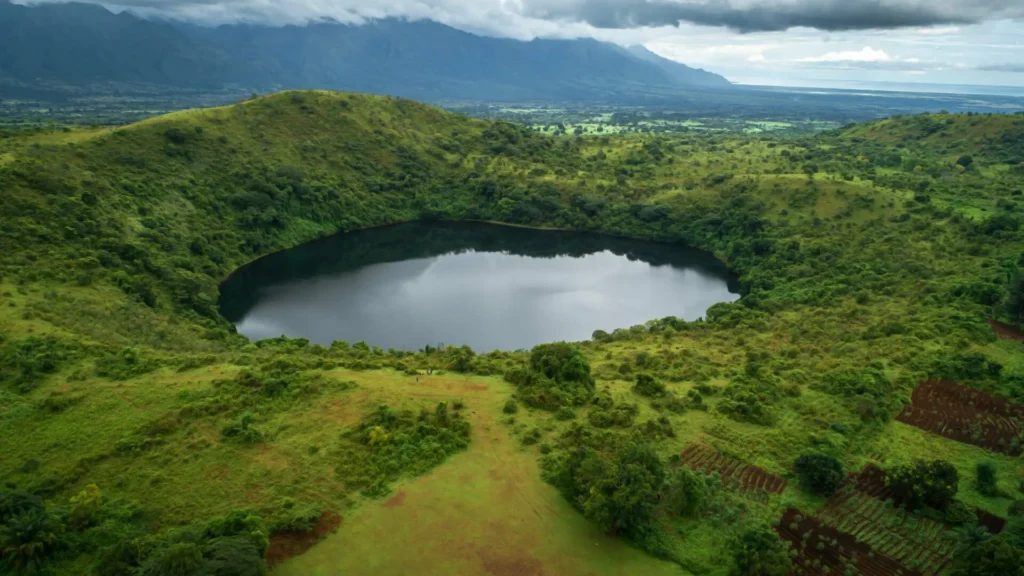
The Isumo Waterfall Trail is one of Nyungwe’s best-known hikes.
The route passes through lush forest scenery toward an impressive waterfall. Along the way, visitors may encounter streams, dense vegetation and opportunities to observe birds or other forest wildlife.
The hike can involve steep sections and muddy paths, making suitable footwear important.
Kamiranzovu Marsh Trail
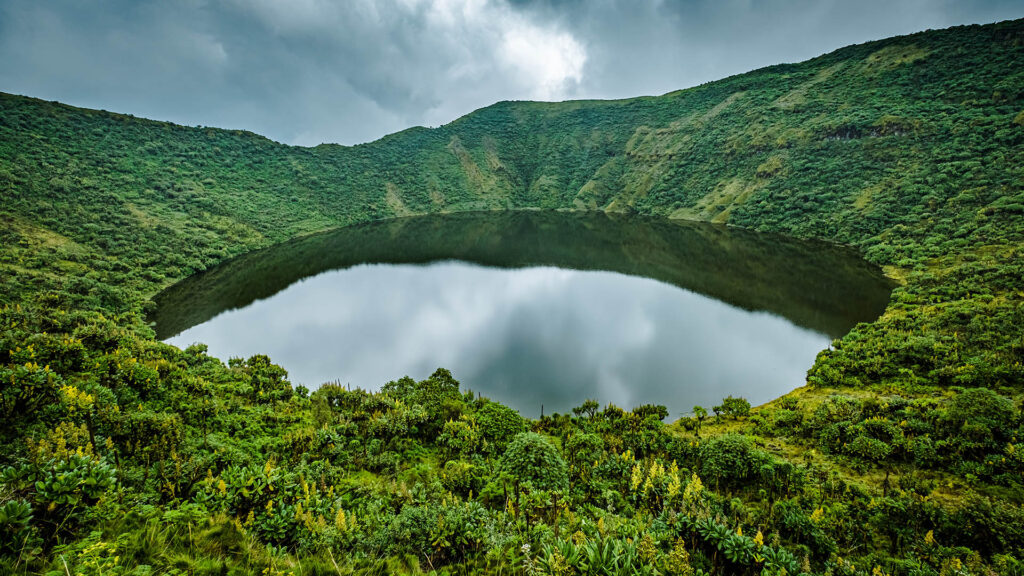
The Kamiranzovu Trail explores a distinctive wetland environment within the wider rainforest landscape.
Its marsh habitat differs from the surrounding forest and contributes to Nyungwe’s ecological diversity.
The trail is particularly interesting for visitors who enjoy botany, ecology and quiet nature experiences.
Bigugu Trail

The Bigugu Trail is associated with one of the higher elevations in Nyungwe.
It offers a demanding mountain hiking experience with opportunities to observe changing vegetation and enjoy scenic views when weather conditions permit.
Visitors should prepare for steep terrain, cool temperatures and potentially difficult trail conditions.
Congo Nile Divide Trail
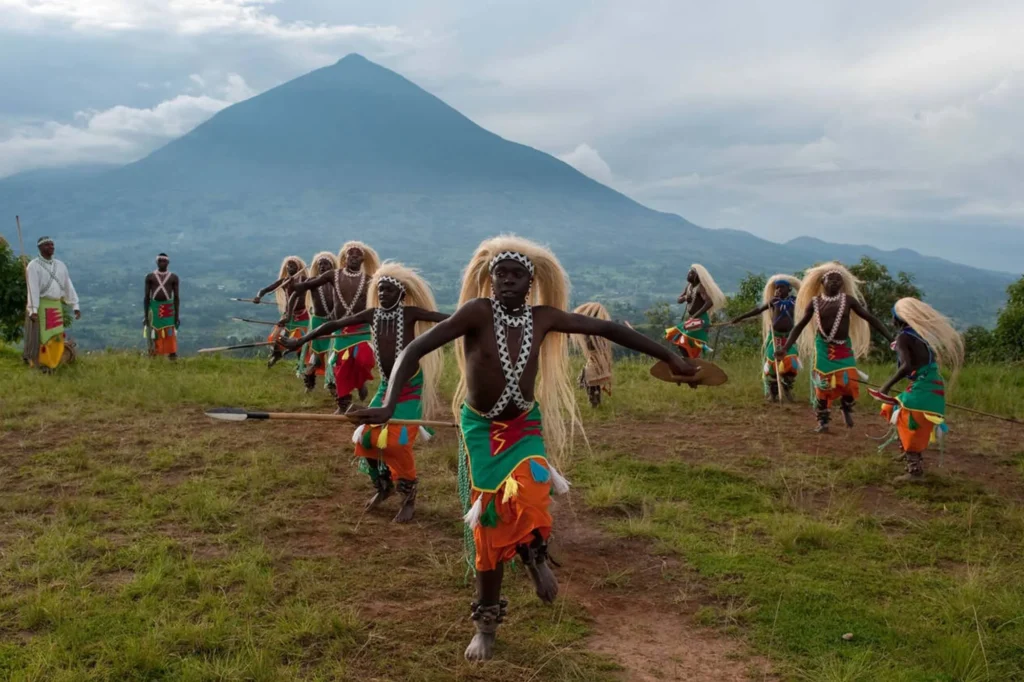
The Congo Nile Divide Trail explores the mountainous watershed landscape associated with the divide between the Congo and Nile drainage systems.
Its scenic terrain is attractive to experienced hikers interested in geography and long-distance mountain landscapes.
Travelers should confirm current trail access, guiding arrangements and the length of the specific route being offered.
Other Forest Trails
Additional routes may explore forest ridges, valleys and different vegetation zones.
Because trail access and operating arrangements can change, visitors should select activities from the current official park program.
Which Nyungwe Hiking Trail Is Best?
The best route depends on your fitness, available time and interests.
Travelers seeking a shorter forest experience may prefer a route associated with the canopy walkway. Those interested in waterfalls can consider the Isumo Trail, while experienced hikers may enjoy higher-elevation routes.
Discuss the expected distance, elevation changes and weather conditions with your guide before booking.
Birdwatching in Nyungwe Forest National Park
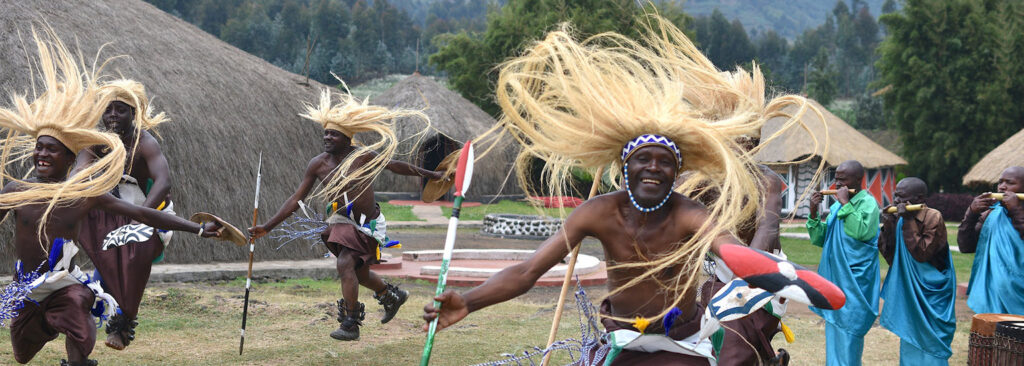
Birdwatching in Nyungwe Forest is one of the park’s most rewarding nature experiences. Its mountain rainforest habitats support a rich bird community, including species associated with the Albertine Rift.
Nyungwe is commonly described as having more than 300 recorded bird species, although published totals may change as surveys and checklists are updated.
Albertine Rift Endemic Birds
The Albertine Rift is internationally important for birds with restricted geographic distributions.
Nyungwe provides habitat for several of these species, making it an attractive destination for specialist birdwatchers.
Great Blue Turaco

The great blue turaco is among the most striking birds associated with Central African forests.
Its impressive size and colorful plumage make it a memorable sight for visitors fortunate enough to observe it.
Rwenzori Turaco and Other Forest Birds

Nyungwe’s mountain habitats support a variety of forest birds, including species that can be difficult to observe because they remain within dense vegetation.
Experienced bird guides can help visitors identify species through calls, movement and habitat preferences.
Best Time for Birdwatching

Birdwatching is possible throughout the year, although rainfall and seasonal activity can influence the experience.
Early morning is often a productive period because many birds are vocal and active.
How Many Days Do Birdwatchers Need?
Specialist birdwatchers may benefit from several days in Nyungwe to explore different habitats and improve opportunities to observe target species.
Visitors interested in general nature experiences can include shorter guided birdwatching walks within a wider itinerary.
Responsible Birdwatching
Visitors should avoid disturbing nests, damaging vegetation or using practices that create unnecessary stress for wildlife.
Quiet observation and experienced local guiding support a rewarding and responsible birdwatching experience.
Other Things to Do Around Nyungwe Forest National Park
Beyond chimpanzee trekking, the canopy walkway and forest hiking, southwestern Rwanda offers cultural attractions, scenic landscapes and opportunities to learn about the region’s history.
Visit Gisakura Tea Plantations

The tea-growing landscape near Gisakura is one of the most recognizable features of the Nyungwe region.
Green tea fields extend across rolling hills near the forest boundary, creating beautiful scenery for photography and sightseeing.
Where appropriately arranged, visitors may learn about tea cultivation and the role of agriculture in local livelihoods.
Explore the King’s Palace Museum in Nyanza
Travelers driving between Kigali and Nyungwe can include a visit to the King’s Palace Museum in Nyanza.
The museum introduces aspects of Rwanda’s royal heritage and provides historical context for visitors interested in the country’s traditions.
A guided visit can be incorporated into the journey without turning the day into an excessively demanding schedule.
Visit the Ethnographic Museum in Huye
The Ethnographic Museum in Huye is another important cultural attraction along the broader Kigali–Nyungwe travel route.
Its collections introduce visitors to aspects of Rwanda’s history, cultural heritage and traditional ways of life.
It is a valuable stop for travelers seeking to combine natural and cultural experiences.
Explore Lake Kivu
Lake Kivu can be included before or after a Nyungwe Forest safari.
Travelers can enjoy scenic lakeside accommodation, organized boat excursions and opportunities to relax after physically demanding rainforest activities.
Combining Nyungwe with Lake Kivu creates an attractive balance between wildlife adventure and relaxation.
Community Tourism Around Nyungwe
Appropriately organized community visits can provide insights into local agriculture, crafts and cultural traditions.
These experiences are most meaningful when local residents participate directly and benefit fairly from tourism.
Best Time to Visit Nyungwe Forest National Park Rwanda
Nyungwe Forest National Park can be visited throughout the year, but its mountain rainforest climate means rainfall is a normal part of the experience.
Travelers should select their dates according to the activities they want to enjoy, their comfort with wet weather and the availability of accommodation and permits.
June to September: Popular Months for Forest Hiking
June through September is generally a relatively drier period in Rwanda.
Forest trails may be more manageable, making these months attractive for travelers planning several hikes or the canopy walkway.
However, Nyungwe remains a humid rainforest, and rain can occur at any time.
Visitors should carry waterproof equipment even during the most popular travel months.
December to February: Another Attractive Travel Period
December through February can provide favorable opportunities for rainforest activities, although rainfall remains possible.
This period is popular with international visitors combining Nyungwe with gorilla trekking in Volcanoes National Park.
Advance accommodation reservations are advisable around the December holiday season.
March to May: Rainy-Season Forest Experiences
March through May is generally a wetter period. The forest becomes especially lush, but trails can be muddy and slippery.
Visitors interested in waterfalls and rainforest photography may appreciate the green scenery.
However, hiking can be more physically demanding, and heavy rainfall may affect some activity arrangements.
October to November: Short-Rain Season
October and November often bring additional rainfall.
Forest scenery can be beautiful, with mist-covered valleys and rich vegetation.
Travelers should allow flexibility for weather changes and prepare for wet walking conditions.
Best Time for Chimpanzee Trekking
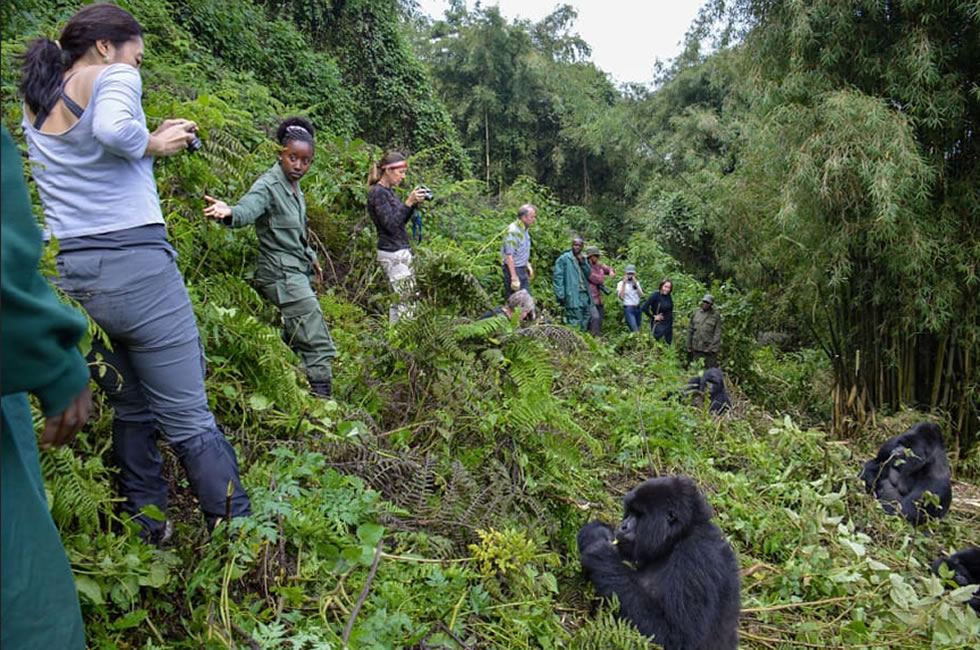
Chimpanzee trekking is possible throughout the year under normal park operations.
Relatively dry conditions may improve hiking comfort, but the chimpanzees’ location and behavior cannot be predicted according to a simple monthly schedule.
Best Time for the Canopy Walkway

Clear weather can provide impressive views across the forest canopy.
However, mist and cloud cover are common features of the mountain environment, and the activity may be affected by severe weather.
Best Time for Waterfall Hiking

Waterfalls can be impressive during wetter periods, but the trails leading to them may become more challenging.
Visitors should balance their interest in waterfall scenery with their fitness and comfort on slippery terrain.
Best Time for Birdwatching
Birdwatching can be rewarding throughout the year, although seasonal rainfall and bird activity influence observations.
Travelers seeking particular species should consult a knowledgeable guide when planning their dates.
Where to Stay Near Nyungwe Forest National Park
Accommodation around Nyungwe includes luxury rainforest lodges, comfortable hotels and simpler guesthouses.
The best location depends on the activities you have booked, particularly because chimpanzee trekking and other excursions may begin at different reporting points.
One&Only Nyungwe House
One&Only Nyungwe House is among the best-known luxury accommodation options near Nyungwe Forest National Park.
Its setting within a tea-growing landscape beside the rainforest appeals to travelers seeking an exclusive nature experience.
The property is particularly attractive to couples, honeymooners and visitors combining rainforest adventure with premium accommodation.
Guests should confirm current room availability, activity arrangements and package inclusions before booking.
Nyungwe Top View Hill Hotel
Nyungwe Top View Hill Hotel is an established accommodation option associated with the Nyungwe region.
Its elevated setting offers opportunities to enjoy scenic views of the surrounding landscape.
Travelers should confirm current room categories, facilities and travel times to their booked activity starting points.
Gisakura Guesthouses and Local Accommodation
The Gisakura area offers accommodation choices that may appeal to travelers seeking more economical stays.
Availability and service levels vary, so visitors should check current operating status and facilities before confirming a reservation.
Accommodation Near Other Activity Starting Points
Some forest activities may require travel to locations away from the main Gisakura accommodation area.
Visitors should select their lodge only after confirming the starting point and reporting time of their principal activities.
How Many Nights Should You Spend in Nyungwe?
Two nights are suitable for travelers hoping to enjoy chimpanzee trekking and one additional activity.
Three nights allow more time for the canopy walkway, colobus monkey tracking or a forest hike.
Four nights or longer may be rewarding for birdwatchers, experienced hikers and travelers who prefer a slower pace.
Choosing Between Luxury and Mid-Range Accommodation
Luxury properties offer a more exclusive lodge experience, while mid-range and simpler accommodation can help control the overall safari budget.
However, price alone should not determine your choice. Location, activity transfers and the available facilities are equally important.
Nyungwe Forest National Park Fees and Safari Costs
The total cost of a Nyungwe Forest safari depends on park access fees, chimpanzee trekking, accommodation, transportation, guiding and additional activities.
Official tariffs can vary by visitor category, activity and the duration of park access.
Chimpanzee Trekking Costs
Chimpanzee trekking is generally one of the main paid activities in Nyungwe.
Travelers should request the current official activity tariff and confirm whether park entry fees are charged separately.
Canopy Walkway Fees
The canopy walkway is a separately organized activity with fees determined by the current park tariff.
Confirm the applicable charge, reporting point and scheduled departure time before booking.
Colobus Monkey Tracking Fees
Colobus monkey tracking may require a separate activity reservation.
Travelers should confirm the total price and any associated park access charges.
Forest Hiking Fees
Guided forest hiking costs may depend on the route and applicable park arrangements.
Some trails are longer or more demanding than others, so visitors should confirm both the activity cost and the expected duration.
Transportation From Kigali
Most travelers reach Nyungwe by road from Kigali. Private safari transportation may include airport transfers, a driver-guide, fuel and transfers between accommodation and activity starting points.
The total cost depends on the itinerary duration, vehicle type and number of travelers.
Accommodation and Meal Costs
Accommodation prices vary by property, room category, season and meal plan.
Travelers should request a detailed quotation rather than assuming that all lodges include the same services.
Two-Day Nyungwe Safari Cost
A two-day itinerary may include the transfer from Kigali, one overnight stay and a selected forest activity.
However, the long road journey limits the amount of time available for exploring the park.
Three-Day Nyungwe Safari Cost
A three-day safari generally provides a more comfortable schedule for chimpanzee trekking and the canopy walkway or another forest activity.
The final price depends on accommodation and the activities selected.
Luxury Nyungwe Safari Cost
Luxury packages may combine premium accommodation, private transportation and multiple guided experiences.
Rates should be based on current lodge availability and the applicable park tariffs.
What Should a Safari Quotation Include?
A reliable quotation should clearly identify accommodation, meals, transport, park access, activity fees and guiding services.
It should also explain exclusions such as international flights, visas, travel insurance, tips and personal expenses.
Recommended Nyungwe Forest National Park Safari Itineraries
Nyungwe can be explored on a short rainforest holiday or included in a longer Rwanda safari featuring mountain gorillas, Big Five wildlife and scenic lakes.
2 Days Nyungwe Forest Safari
Depart Kigali and travel southwest toward Nyungwe, with optional cultural stops along the way if time permits.
Spend the night near the park before participating in an early morning forest activity.
Return to Kigali after the scheduled excursion, allowing sufficient time for the road journey.
This itinerary is best suited to travelers with limited time and realistic expectations about the long transfer.
3 Days Nyungwe Chimpanzee Trekking Safari
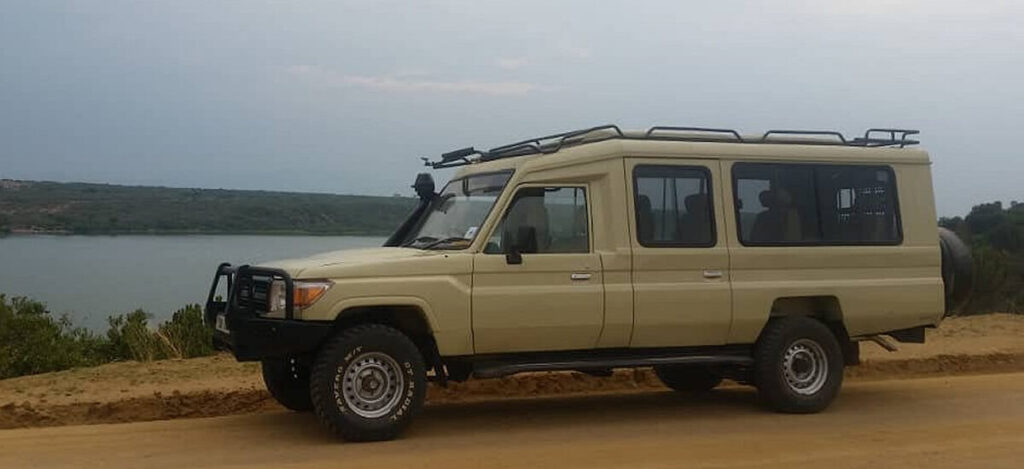
A three-day safari offers a more balanced experience.
Travel from Kigali on the first day, enjoy chimpanzee trekking on the second morning and include the canopy walkway or another activity according to availability.
Return to Kigali on the final day, with time for suitable cultural stops along the route.
4 Days Nyungwe Forest Adventure
A four-day itinerary provides time for chimpanzee trekking, colobus monkey tracking, the canopy walkway and selected hiking trails.
The additional night allows travelers to explore the forest without rushing between activities.
5 Days Nyungwe and Lake Kivu Safari
Combine the rainforest attractions of Nyungwe with a relaxing stay beside Lake Kivu.
Enjoy chimpanzee trekking and a canopy walk before continuing toward a suitable lakeside destination.
This itinerary is attractive to couples and travelers seeking a mixture of wildlife adventure and relaxation.
6 Days Rwanda Safari
A six-day itinerary can combine Nyungwe with other Rwanda attractions, depending on travel distances and activity priorities.
Visitors may include Volcanoes National Park for mountain gorilla trekking or Akagera for savannah wildlife.
Explore our 6 Days Rwanda Safari Holiday for itinerary inspiration.
9 Day Rwanda Safari
A longer Rwanda itinerary can bring together Akagera National Park, Nyungwe Forest, Lake Kivu and Volcanoes National Park.
Travelers can experience traditional game drives, chimpanzee trekking, rainforest hiking and mountain gorilla encounters.
See our 9 Day Rwanda Safari for a comprehensive travel experience.
Combining Nyungwe With Other Rwanda National Parks
Nyungwe and Volcanoes National Park
Combining Nyungwe with Volcanoes National Park allows visitors to experience chimpanzee trekking and mountain gorilla trekking in one holiday.
The two parks protect different forest ecosystems and offer complementary primate encounters.
Nyungwe and Akagera National Park
Akagera provides a contrasting savannah wildlife experience, including opportunities to see the Big Five.
Combining Nyungwe with Akagera National Park allows travelers to explore rainforest and grassland ecosystems.
Nyungwe and Lake Kivu
Lake Kivu is an attractive addition for relaxation, scenery and suitable boat excursions.
It provides a comfortable contrast to Nyungwe’s physically demanding forest activities.
Nyungwe and Uganda Gorilla Trekking
Travelers planning a longer East African safari may combine Nyungwe with mountain gorilla trekking in Uganda.
Such itineraries require careful planning around driving distances, border requirements and confirmed gorilla permits.
What to Pack for Nyungwe Forest National Park Rwanda
Preparing for Nyungwe Forest National Park requires clothing and equipment suitable for a humid mountain rainforest.
Visitors should expect changing weather, uneven forest trails and potentially muddy walking conditions throughout the year.
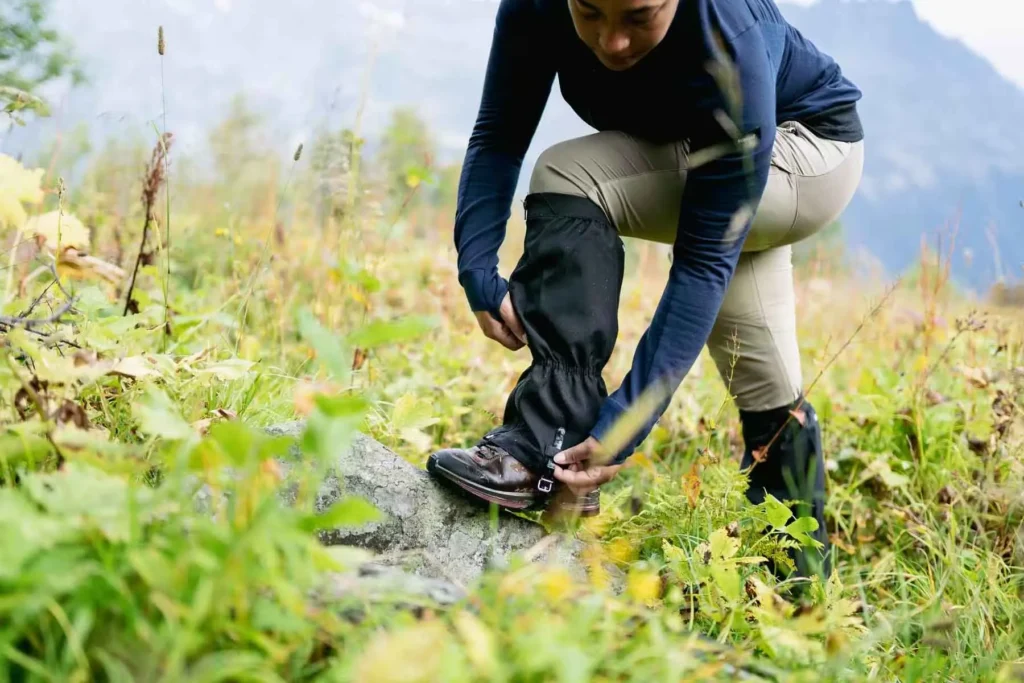
Waterproof Hiking Boots
Sturdy waterproof boots with good traction are essential for chimpanzee trekking and forest hiking.
Some trails are steep and slippery, particularly after rainfall. Comfortable footwear can make a significant difference during longer excursions.
Long-Sleeved Shirts and Trousers
Long clothing helps protect your skin from insects, scratches and dense vegetation.
Choose comfortable fabrics that allow movement during walking and climbing.
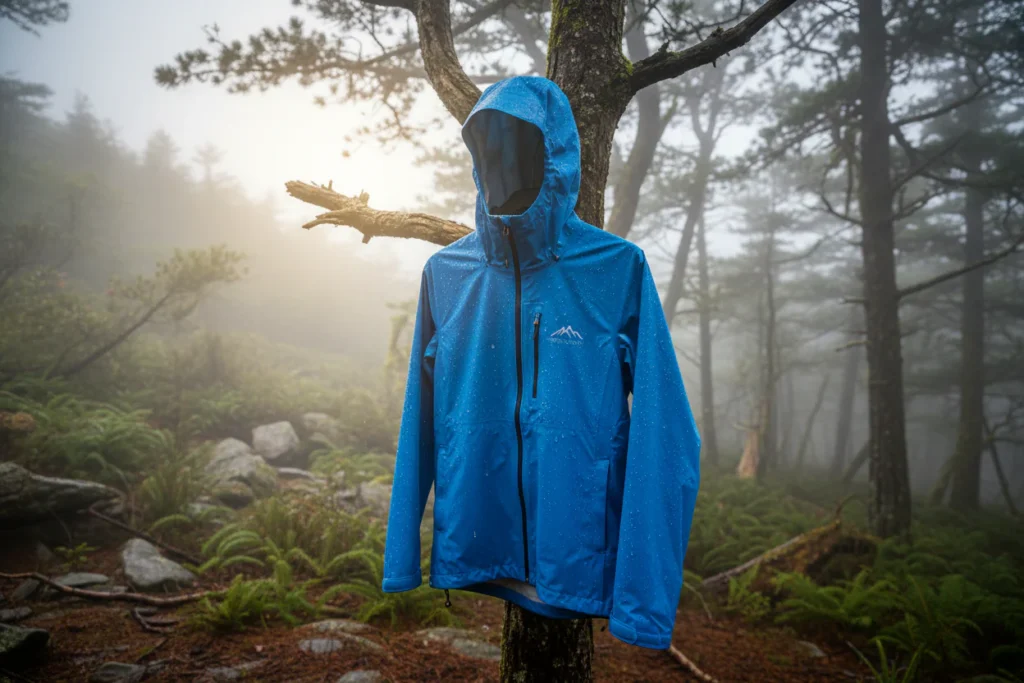
Waterproof Jacket
A reliable waterproof jacket is essential because rain can occur unexpectedly.
Waterproof covers for backpacks and cameras are also useful.
Warm Clothing
Early mornings can be cool at higher elevations. A fleece or lightweight warm layer provides additional comfort.
Gardening Gloves
Gloves can protect your hands when holding vegetation for balance on difficult trails.
Walking Stick
A walking stick may improve stability on muddy slopes and uneven paths.
Ask your guide about suitable walking support before beginning the activity.
Drinking Water and Snacks
Carry sufficient drinking water, particularly during longer hikes and chimpanzee trekking.
A packed lunch may be appropriate when advised by your safari operator.
Camera and Binoculars
A camera suitable for low-light conditions can be helpful because the forest canopy limits sunlight.
Binoculars are especially useful for observing birds and primates high in the trees.
Personal Essentials
Carry required identification, personal medication, insect repellent and appropriate travel insurance information.
Protect important documents and electronics from moisture.
Nyungwe Forest Trekking Safety and Travel Advice
Nyungwe’s rainforest terrain can be physically demanding, and visitors should follow all instructions provided by authorized guides.
Stay With Your Guide
Visitors should remain with their assigned guide during organized forest activities.
Leaving designated routes can create navigation and safety risks.
Prepare for Slippery Trails
Rainforest paths may be muddy even during relatively dry periods.
Walk carefully, use appropriate footwear and avoid rushing on steep sections.
Respect Wildlife Viewing Distances
Chimpanzees and other primates should be observed from the separation distance required by current park regulations.
Visitors must never attempt to touch, feed or attract the animals.
Avoid Trekking When Contagiously Ill
Chimpanzees are vulnerable to some diseases transmitted by humans.
Visitors experiencing symptoms of a potentially contagious illness should inform the operator and park authorities before participating in primate activities.
Follow Photography Rules
Visitors should follow the guide’s instructions regarding photography and equipment use.
Flash photography and other potentially disturbing practices may be restricted during primate encounters.
Be Realistic About Physical Fitness
Some Nyungwe trails involve steep climbs, long walking distances and uneven terrain.
Travelers with significant mobility or medical concerns should discuss the suitability of specific activities before booking.
Allow Time for Weather Changes
Rain, mist and changing visibility are normal features of Nyungwe’s mountain environment.
Travelers should avoid planning tightly scheduled transfers immediately after demanding forest activities.
Respect the Forest Environment
Do not leave rubbish, remove plants or disturb wildlife habitats.
Responsible behavior helps protect the ecosystems that make Nyungwe internationally important.
Nyungwe Forest Conservation and Community Tourism
Nyungwe National Park is one of Rwanda’s most important biodiversity conservation areas.
Its UNESCO World Heritage status recognizes the exceptional natural value of the forest and the importance of its long-term protection.
Protecting Endangered Primates
Chimpanzees and other forest primates depend on healthy habitats and effective wildlife protection.
Conservation programs help reduce threats associated with habitat disturbance, illegal activities and disease transmission.
Scientific Research and Biodiversity Monitoring
Research and monitoring provide information about primate populations, birdlife, vegetation and wider ecosystem health.
These activities support evidence-based conservation management.
Protecting Water Resources
Nyungwe’s forests and wetlands contribute to important watershed systems.
Protecting the forest helps maintain ecological processes that extend beyond the park itself.
Community Participation in Conservation
Communities surrounding Nyungwe are important partners in the long-term protection of the forest.
Tourism can create opportunities for guides, drivers, accommodation providers and other local businesses.
Responsible Tourism in Nyungwe
Visitors can contribute to conservation by using authorized guides, respecting park regulations and supporting responsible local tourism services.
Protecting the forest ensures that future generations can continue to experience its wildlife and natural beauty.
Frequently Asked Questions About Nyungwe Forest National Park Rwanda
Where Is Nyungwe Forest National Park Located?
Nyungwe is located in southwestern Rwanda near the border with Burundi.
What Is Nyungwe Forest National Park Famous For?
Nyungwe is famous for chimpanzee trekking, the canopy walkway, colobus monkeys, rainforest hiking, waterfalls and birdwatching.
Is Nyungwe a UNESCO World Heritage Site?
Yes. Nyungwe National Park was inscribed on the UNESCO World Heritage List in 2023.
Can You See Chimpanzees in Nyungwe?
Yes. Guided chimpanzee trekking offers opportunities to observe habituated chimpanzees in their natural forest habitat.
Are Chimpanzee Sightings Guaranteed?
No. Chimpanzees move freely through the forest, and sightings cannot be guaranteed.
How Far Is Nyungwe From Kigali?
The road journey generally takes approximately five to seven hours, depending on the destination within the park, road conditions and travel arrangements.
Can You Visit Nyungwe in One Day From Kigali?
A same-day return trip is generally impractical for most visitors because of the long road journey and early activity reporting times.
How Many Days Should You Spend in Nyungwe?
Three days is a good starting point for chimpanzee trekking and the canopy walkway. Longer stays allow additional forest activities.
What Is the Best Time to Visit Nyungwe?
June through September and December through February are popular for relatively drier conditions, although rain can occur throughout the year.
Can You Visit Nyungwe During the Rainy Season?
Yes. Activities continue under normal park operations, but trails may become muddy and physically demanding.
What Is the Nyungwe Canopy Walkway?
It is a suspended walkway offering elevated views over the rainforest canopy and surrounding landscape.
Is the Nyungwe Canopy Walk Safe?
The activity operates under park safety procedures. Visitors should follow the guide’s instructions and consider their comfort with heights.
Can You Track Colobus Monkeys in Nyungwe?
Yes. Colobus monkey tracking is one of the park’s popular guided primate activities.
Are There Mountain Gorillas in Nyungwe?
No. Rwanda’s mountain gorilla trekking takes place in Volcanoes National Park, not Nyungwe.
How Many Primate Species Are Found in Nyungwe?
Nyungwe is commonly described as supporting 13 primate species, although classifications may change with updated research.
Can You Hike to Waterfalls in Nyungwe?
Yes. The Isumo Waterfall Trail is one of the park’s best-known guided hiking experiences.
Is Nyungwe Good for Birdwatching?
Yes. Nyungwe supports a rich bird community, including species associated with the Albertine Rift.
Where Can You Stay Near Nyungwe?
Accommodation options include One&Only Nyungwe House, Nyungwe Top View Hill Hotel and other properties around the forest, subject to current availability.
How Much Does Chimpanzee Trekking Cost?
The price depends on the applicable official tariff and visitor category. Confirm current activity and park entry fees before booking.
Can You Combine Nyungwe With Volcanoes National Park?
Yes. This combination offers chimpanzee trekking and mountain gorilla trekking within one Rwanda safari.
Can You Combine Nyungwe With Akagera National Park?
Yes. Combining the parks provides opportunities to experience rainforest primates and traditional savannah wildlife.
Is Nyungwe Suitable for Families?
Nyungwe offers nature experiences that may suit families, but minimum-age rules and physical requirements vary by activity.
Do You Need a Guide in Nyungwe?
Official forest activities operate under designated park arrangements. Visitors should use authorized guides and follow current access regulations.
How Do You Book a Nyungwe Forest Safari?
Contact Visit Rwanda Gorilla with your travel dates, number of travelers and preferred activities to request a personalized itinerary and quotation.
Book Your Nyungwe Forest National Park Safari With Visit Rwanda Gorilla
Discover Rwanda’s extraordinary rainforest wildlife on a professionally organized Nyungwe Forest National Park safari.
Imagine walking beneath towering rainforest trees as the calls of wild chimpanzees echo through the forest. Follow experienced guides in search of these remarkable primates, then explore the treetops on Nyungwe’s famous canopy walkway.
Nyungwe offers an unforgettable combination of wildlife encounters, beautiful landscapes and outdoor adventure. From colobus monkey tracking to waterfall hikes and birdwatching, the park provides rewarding experiences for travelers who appreciate nature.
At Visit Rwanda Gorilla, we organize private Nyungwe safaris tailored to your travel dates, interests and accommodation preferences.
Our team can assist with checking official chimpanzee trekking availability, selecting suitable accommodation, arranging private transportation and coordinating additional forest activities.
We also organize longer Rwanda safaris combining Nyungwe with mountain gorilla trekking in Volcanoes National Park, Big Five wildlife viewing in Akagera National Park and relaxing stays beside Lake Kivu.
Whether you are planning a short chimpanzee trekking holiday, a luxury rainforest retreat or a comprehensive Rwanda wildlife adventure, we can help prepare an itinerary with realistic travel times and carefully selected activities.
Start Planning Your Nyungwe Forest Safari Today
Contact us with your preferred travel dates, number of travelers and accommodation category to receive a personalized Nyungwe Forest National Park safari quotation.
Visit Rwanda Gorilla
Website: www.visitrwandagorilla.com
Email: info@visitrwandagorilla.com
WhatsApp: +256 772 446879
Book your Nyungwe Forest safari today and experience Rwanda’s remarkable chimpanzees, rainforest landscapes and unforgettable nature adventures.