
Place: Akagera National Park
Overview
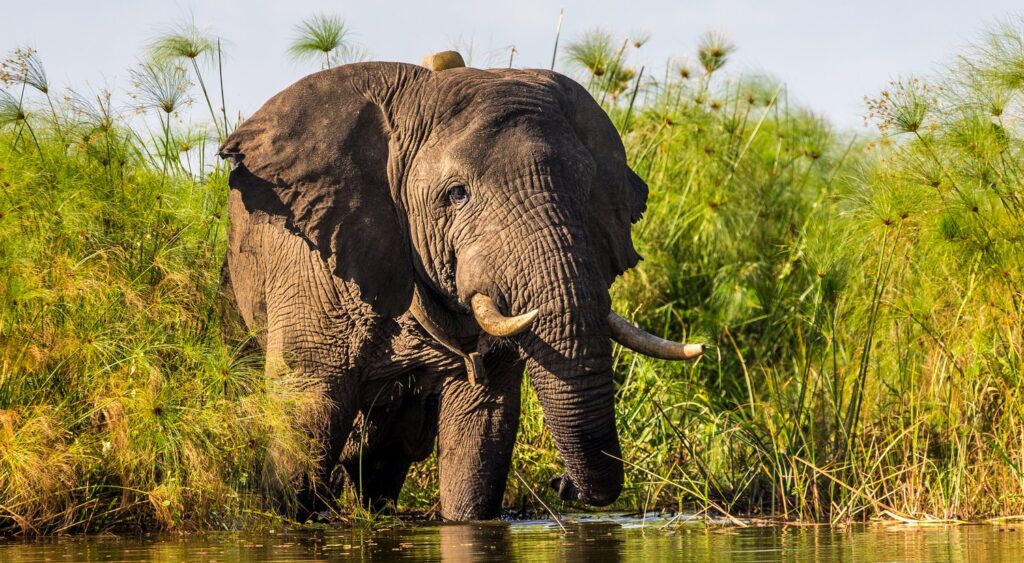
Akagera National Park delivers Rwanda’s only true savannah safari and brings a completely different feel from the country’s forest parks. You move from misty mountains and dense rainforest into open plains, scattered acacia, and wide lakes. The park creates space, light, and long wildlife views that define a classic African safari.
Location and Landscape
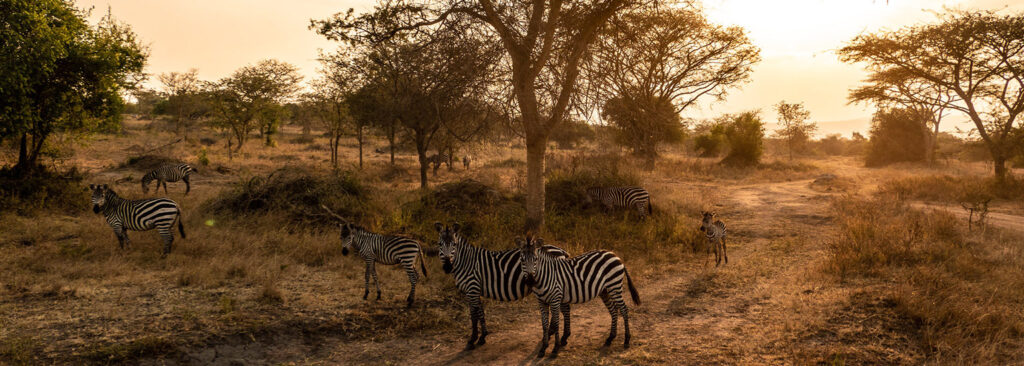
Akagera sits in eastern Rwanda along the border with Tanzania. The park stretches across rolling hills that drop into valleys, lakes, and wetlands. Lake Ihema shapes much of the landscape and draws wildlife throughout the day. The mix of savannah, woodland, and swamp creates constant variation as you explore the park.
Conservation Story
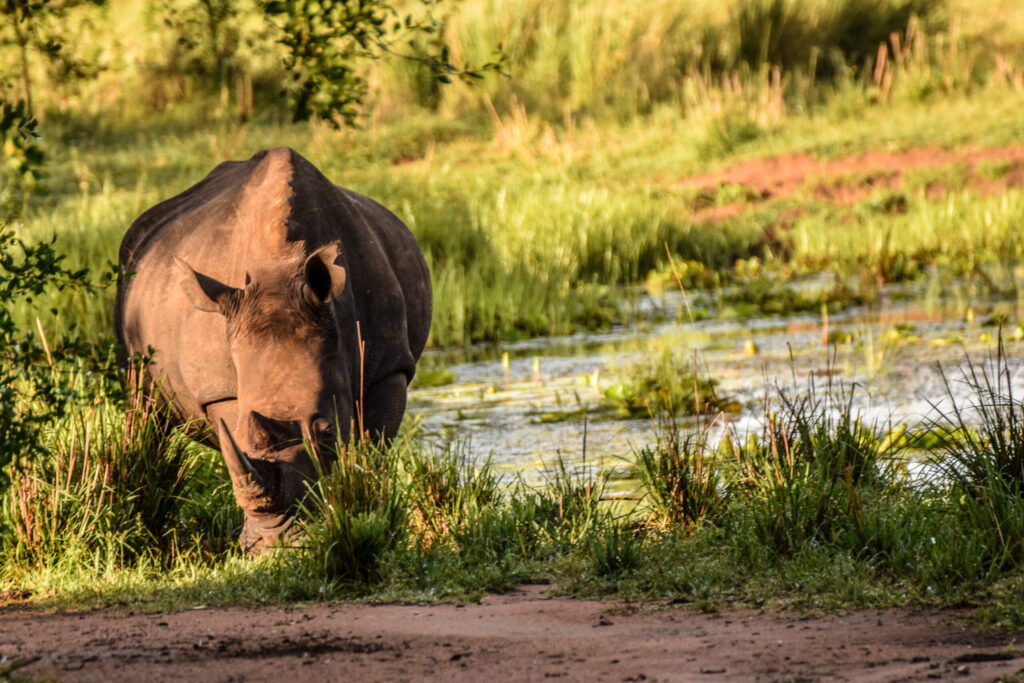
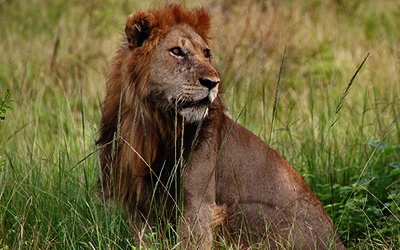
Akagera has transformed into one of Africa’s strongest conservation recoveries. Wildlife numbers dropped heavily in the past, but focused protection and management rebuilt the ecosystem. Lions returned first, followed by rhinos, which restored the Big Five. The park now feels alive again, with growing wildlife populations and strong ranger presence.
Wildlife Experience

Big Five Encounters

Akagera offers all members of the Big Five in one park. Lions move across the plains, often near open grassland where prey gathers. Rhinos graze in secure areas, while elephants and buffaloes stay close to water sources. Leopards remain more elusive, yet guides know how to read signs and increase your chances.
Plains Game and Predators
The park holds large numbers of giraffes, zebras, impalas, and topis. These animals spread across the savannah and create constant movement during game drives. Hyenas patrol quietly, and predators follow the rhythm of prey, especially in the early morning and late evening.
Birdlife and Wetland Ecosystem
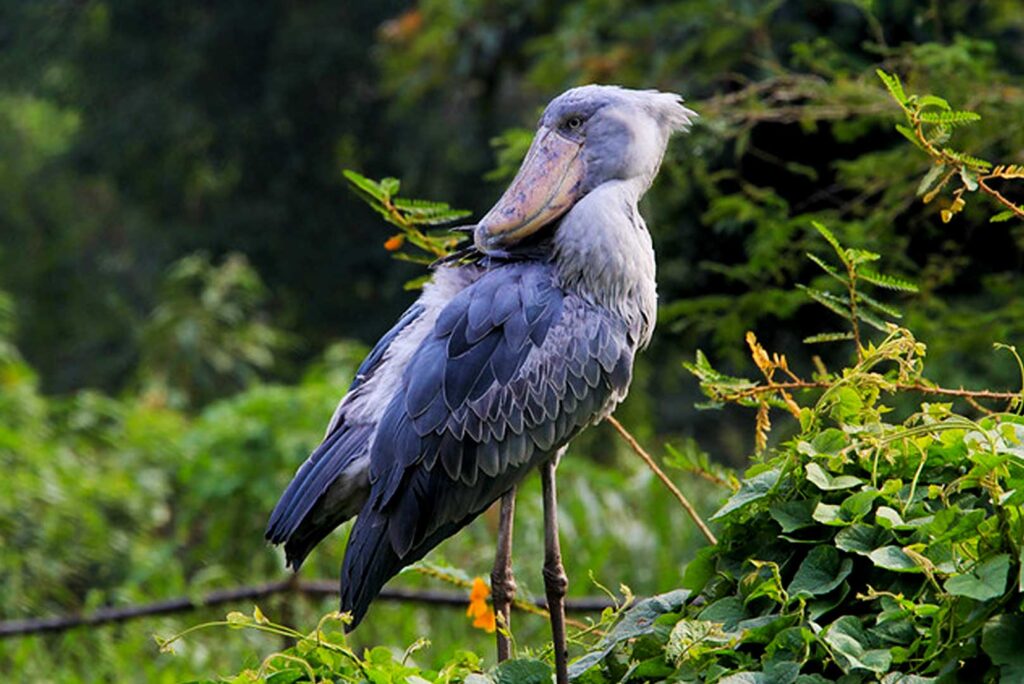
Akagera attracts bird lovers with its rich mix of habitats. The wetlands and lakes support species that you rarely find in other parts of Rwanda. You move along the shores of Lake Ihema and watch fish eagles, herons, and kingfishers hunt in calm waters. The famous shoebill appears in papyrus swamps for those with patience and a good guide.
Safari Activities
Game Drives
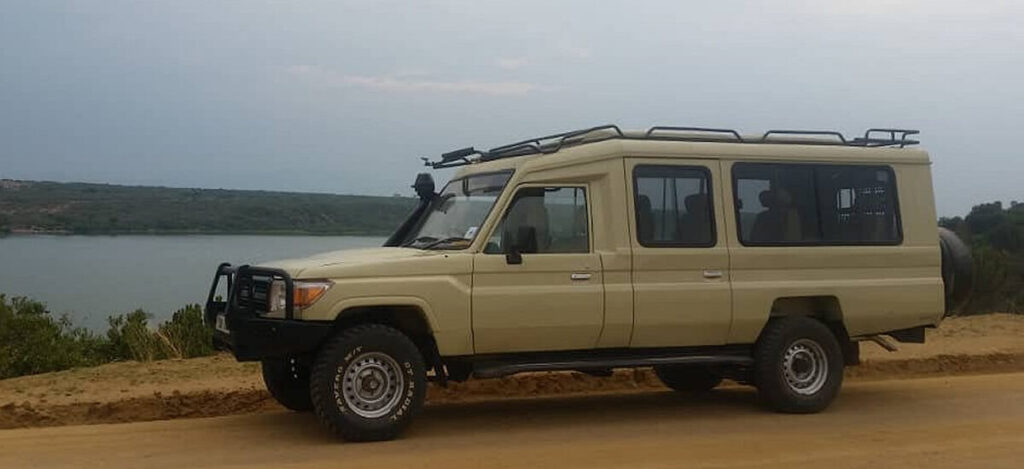
Game drives shape the Akagera experience. You head out at sunrise when the park feels fresh and active. Wildlife moves across the plains, and the light creates perfect viewing conditions. Evening drives bring a different mood as predators begin to hunt and the landscape softens.
Boat Safari on Lake Ihema
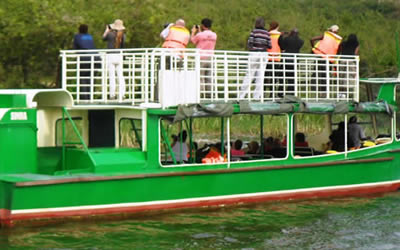
The boat safari changes your perspective. You leave the vehicle and move onto the water, where hippos surface and crocodiles rest along the banks. Birds fill the shoreline, and the calm setting contrasts with the movement of the savannah.
Night Game Drive

Night drives introduce a hidden side of Akagera. Darkness reveals animals that stay out of sight during the day. You follow spotlight beams as they catch reflections from eyes in the bush, creating a more intense and unpredictable experience.
Guided Walks
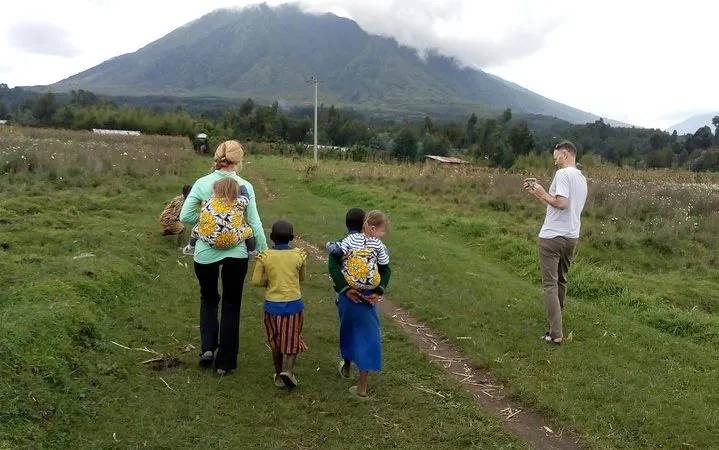
Guided walks slow the pace and bring you closer to the environment. You notice tracks, plants, and smaller details that vehicles often miss. Rangers lead the walks and share knowledge that deepens your understanding of the ecosystem.
Why Akagera Stands Out

Akagera completes Rwanda’s safari circuit. You can track gorillas in Volcanoes, walk through rainforest in Nyungwe, and then arrive here for open savannah wildlife. The contrast strengthens the overall journey and gives you a full picture of Rwanda’s natural diversity.
Volcanoes National Park Rwanda: Complete Gorilla Trekking and Safari Travel Guide
Volcanoes National Park Rwanda is one of Africa’s most extraordinary wildlife destinations and the country’s most famous location for mountain gorilla trekking. Situated in northwestern Rwanda, the park protects a spectacular landscape of volcanic mountains, bamboo forests, tropical vegetation and high-altitude ecosystems that support endangered mountain gorillas and several other remarkable species.
Known locally as Parc National des Volcans, the park forms part of the Virunga Massif, a volcanic mountain range extending across Rwanda, Uganda and the Democratic Republic of Congo. This shared landscape is one of the world’s most important strongholds for mountain gorilla conservation.
For many visitors, the opportunity to spend an hour observing a wild mountain gorilla family is the highlight of a Rwanda safari. Walking through mist-covered forest before encountering a silverback, playful juveniles and mothers caring for their young creates a wildlife experience that is difficult to compare with any other.
However, Volcanoes National Park offers much more than gorilla trekking. Visitors can track endangered golden monkeys, hike volcanic mountains, explore the legacy of primatologist Dian Fossey and discover the cultural heritage of communities living around the park.
The park is also known for its striking scenery. Towering volcanic peaks rise above the surrounding countryside, while fertile hillsides and forest-covered slopes create some of Rwanda’s most recognizable landscapes.
Volcanoes National Park is particularly attractive because of its accessibility from Kigali. Travelers can reach the Musanze and Kinigi region by road in approximately two to three hours, depending on traffic and accommodation location. This makes it possible to include gorilla trekking in both short Rwanda holidays and longer East African safaris.
Whether you are planning a luxury gorilla trekking safari, a family wildlife holiday or a multi-day adventure combining Rwanda and Uganda, this guide explains everything you need to know about visiting Volcanoes National Park.
Where Is Volcanoes National Park Located in Rwanda?
Volcanoes National Park is located in Rwanda’s Northern Province, near the town of Musanze and the village of Kinigi. The park lies along Rwanda’s borders with Uganda and the Democratic Republic of Congo.
It covers approximately 160 square kilometers of protected mountain habitat and forms the Rwandan section of the wider Virunga volcanic ecosystem.
The landscape is dominated by steep volcanic slopes, dense forest and mountain vegetation. Elevation varies considerably, creating different ecological zones and influencing the park’s weather throughout the year.
How Far Is Volcanoes National Park From Kigali?
The road journey from Kigali to the Musanze or Kinigi region generally takes approximately two to three hours. Travel time depends on the starting point, road traffic and the location of your accommodation.
The drive passes through Rwanda’s beautiful countryside, with terraced hills, agricultural communities and increasingly dramatic views of the Virunga Mountains.
Most visitors spend at least one night near the park before gorilla trekking because the activity begins with an early morning briefing.
Kinigi: The Main Gorilla Trekking Area
Kinigi is the principal gateway for gorilla trekking in Volcanoes National Park. Visitors attend the official briefing at the designated park headquarters area before being assigned to their trekking groups.
After the briefing, visitors travel to the relevant starting point, where the guided forest trek begins.
Because gorilla families occupy different areas of the park, the distance between the briefing location and the trailhead varies.
Musanze: The Main Tourism Town
Musanze is the principal urban center serving the Volcanoes National Park region. It offers accommodation, restaurants, transport services and access to several nearby attractions.
The town is a convenient base for visitors exploring the Virunga Mountains, Twin Lakes and surrounding communities.
Why the Park’s Location Matters
Volcanoes National Park’s proximity to Kigali makes Rwanda particularly attractive for travelers with limited time.
A two- or three-day itinerary can provide a complete gorilla trekking experience, while longer holidays can combine the park with Lake Kivu, Nyungwe National Park and Akagera National Park.
History of Volcanoes National Park Rwanda
Volcanoes National Park has a long conservation history and is closely associated with the protection of endangered mountain gorillas.
The protected area traces its origins to 1925, when part of the Virunga Mountains was set aside to protect mountain gorillas. The conservation landscape subsequently evolved through changes in administration and national boundaries.
Early Protection of Mountain Gorillas
Mountain gorillas attracted scientific and conservation interest during the early twentieth century. Their limited geographic distribution and vulnerability to hunting and habitat loss made protection increasingly important.
Establishing protected areas within the Virunga Mountains helped create a foundation for later conservation efforts.
Dian Fossey and Gorilla Research
Volcanoes National Park became internationally recognized through the work of primatologist Dian Fossey, who established the Karisoke Research Center in 1967.
Her research contributed significantly to scientific understanding of mountain gorilla behavior, social relationships and conservation needs.
Fossey’s work also brought global attention to threats facing the gorillas, including poaching and habitat disturbance.
Conservation Through Difficult Periods
Political instability and conflict in the wider Great Lakes region created serious challenges for conservation.
Despite these difficulties, continued research, wildlife protection and international cooperation helped maintain efforts to conserve mountain gorillas.
Modern Gorilla Conservation
Today, Rwanda’s mountain gorilla conservation program involves regulated tourism, ranger patrols, veterinary monitoring, scientific research and cooperation with neighboring countries.
Gorilla trekking permits contribute to the wider system supporting conservation and park management.
The recovery of mountain gorilla populations across the transboundary landscape demonstrates the value of sustained protection, although the species remains endangered and requires continued conservation attention.
The Five Volcanoes of Volcanoes National Park Rwanda
Volcanoes National Park protects the Rwandan slopes of five volcanoes within the Virunga Massif. These mountains shape the park’s landscape and create the varied habitats that support its wildlife.
Mount Karisimbi
Mount Karisimbi is the highest volcano in the Virunga range, rising to approximately 4,507 meters above sea level.
Its upper slopes experience cold temperatures, and the summit may occasionally be affected by frost or other high-altitude weather conditions.
Hiking Mount Karisimbi is a demanding adventure that generally requires an overnight expedition under authorized guiding arrangements.
The hike is suitable for physically prepared travelers who enjoy mountain trekking and want to experience Rwanda’s volcanic landscapes beyond the main gorilla trekking routes.
Mount Bisoke
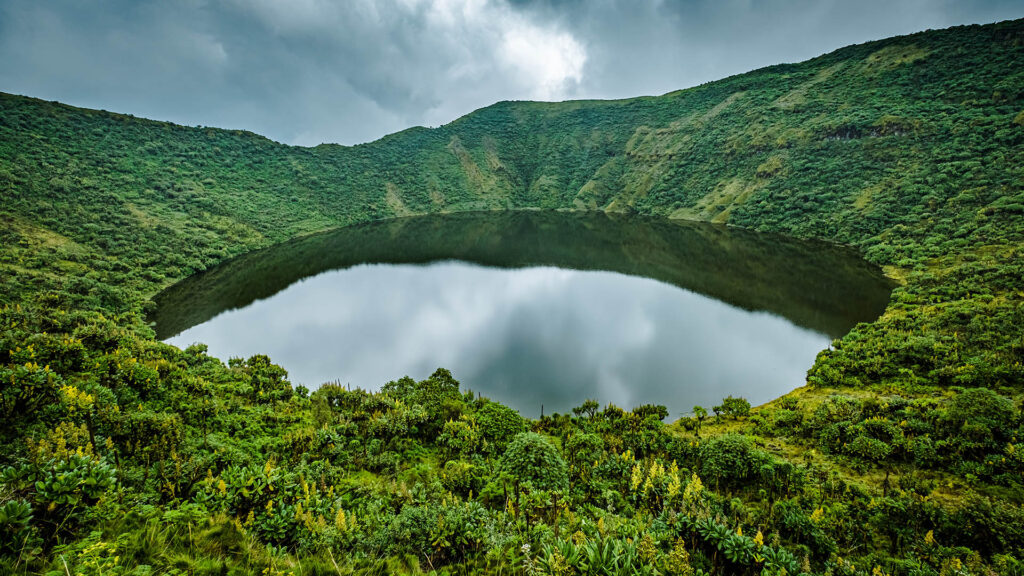
Mount Bisoke, also known as Visoke, rises to approximately 3,711 meters above sea level and is famous for its summit crater lake.
The mountain is a popular destination for adventurous hikers because the route offers forest scenery and the opportunity to reach the crater rim.
The climb can be steep and muddy, particularly after rainfall. Visitors should have suitable hiking equipment and a reasonable level of fitness.
Mount Muhabura
Mount Muhabura is a prominent volcanic peak along the Rwanda-Uganda border, reaching approximately 4,127 meters.
Its distinctive shape makes it one of the most recognizable mountains in the Virunga landscape.
The mountain contributes to the dramatic scenery visible from parts of northern Rwanda.
Mount Gahinga
Mount Gahinga is a smaller volcanic peak associated with the Rwanda-Uganda border region.
Its slopes support mountain vegetation and form part of the broader ecosystem connecting the Virunga protected areas.
Mount Sabyinyo
Mount Sabyinyo is known for its jagged summit profile, which resembles worn teeth.
The mountain is situated where Rwanda, Uganda and the Democratic Republic of Congo meet.
Its unusual shape creates a dramatic landmark within the Virunga range and contributes to the region’s scenic appeal.
Why the Volcanoes Are Important
The Virunga volcanoes influence local climate, vegetation and wildlife habitats. Changes in elevation create ecological zones ranging from bamboo forest to high-altitude vegetation.
These habitats support mountain gorillas, golden monkeys, birds and numerous other species.
The volcanoes are therefore more than scenic attractions. They are essential features of the ecosystem that makes Volcanoes National Park internationally important.
Wildlife and Biodiversity in Volcanoes National Park
Although mountain gorillas are the park’s most famous residents, Volcanoes National Park supports a variety of wildlife adapted to its mountain forest environment.
Mountain Gorillas
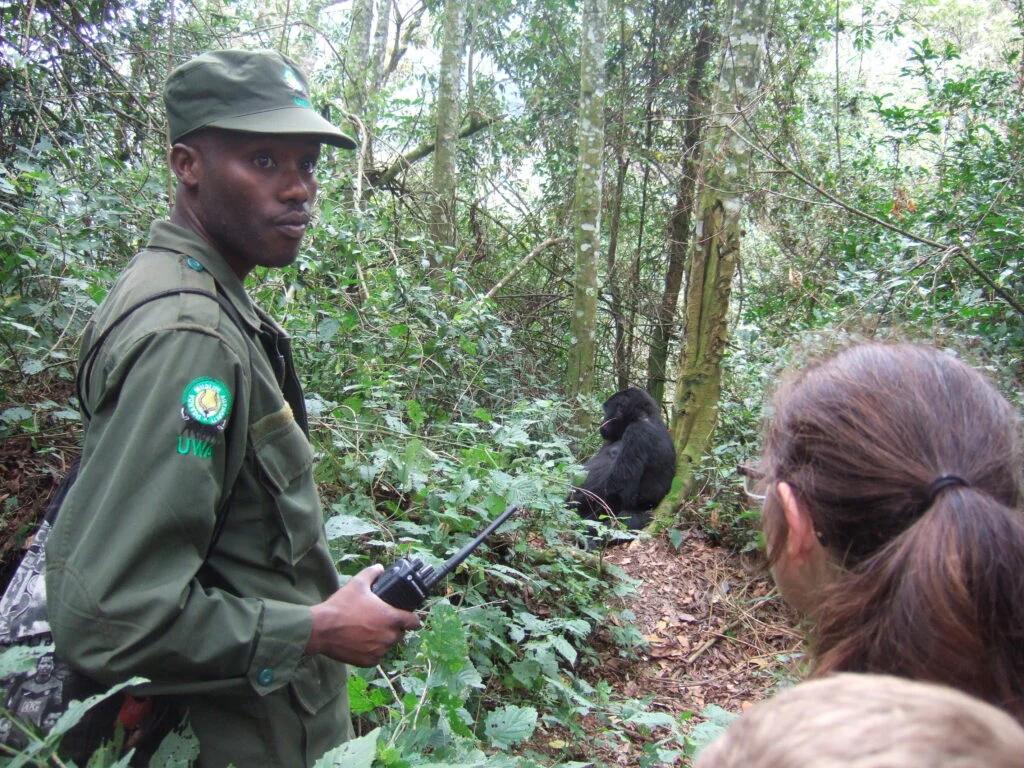
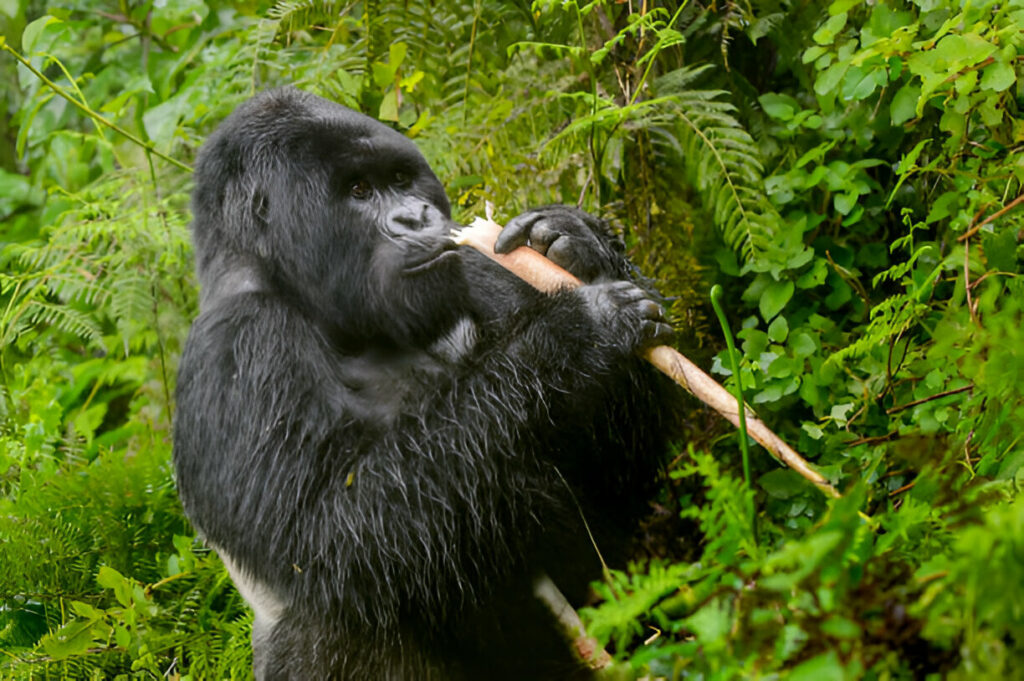
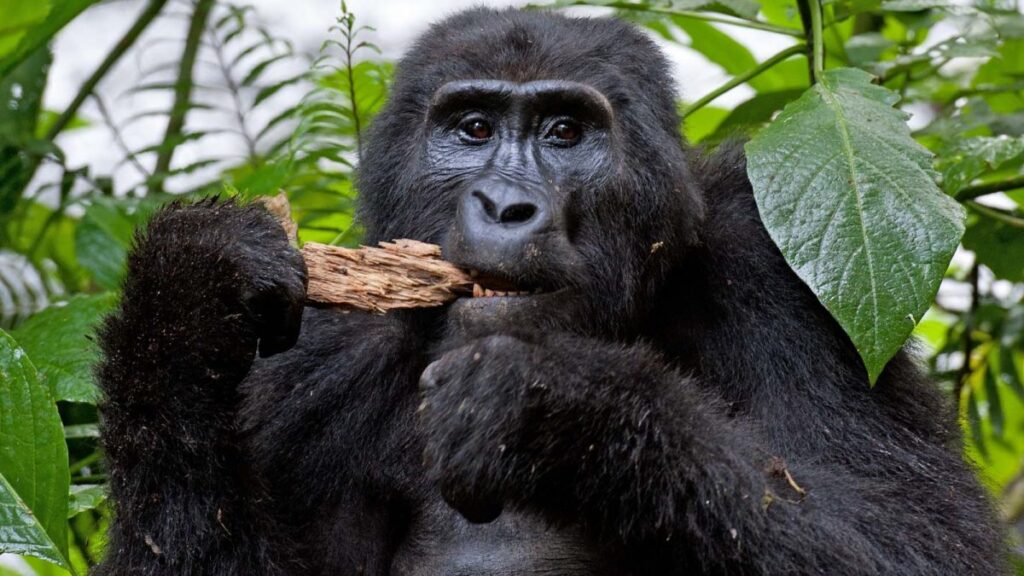
Mountain gorillas are the principal attraction. These endangered great apes live in social family groups led or protected by mature males known as silverbacks.
They feed primarily on vegetation and spend much of their time moving through the forest, feeding, resting and interacting.
Golden Monkeys
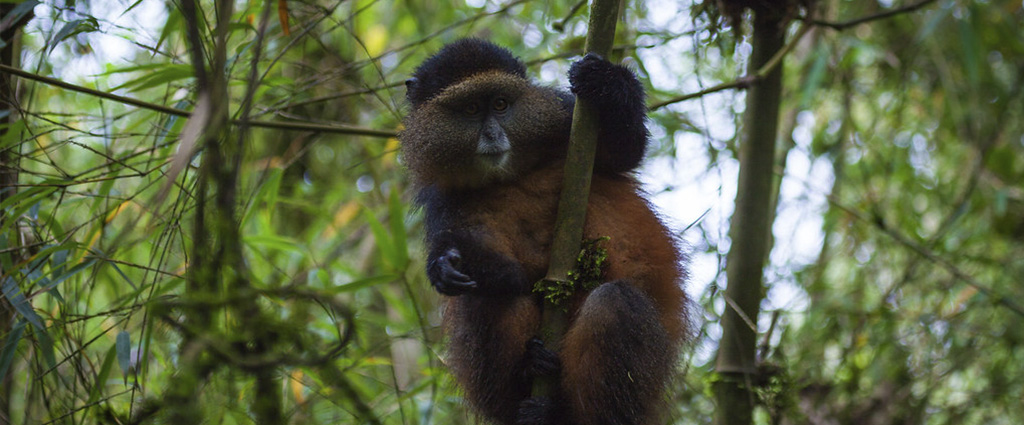
Golden monkeys are another important primate attraction. Their striking golden-orange coloration and energetic movements make them particularly interesting to observe.
They are commonly associated with bamboo and other forest habitats within the Virunga Mountains.
Forest Mammals
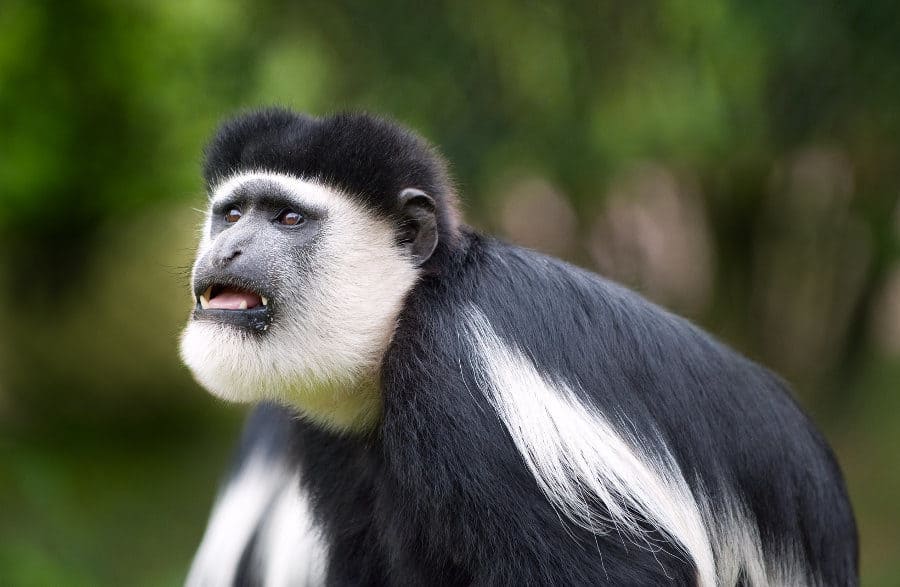
The park supports additional mammals adapted to mountain forest habitats. Some species are secretive and rarely encountered during standard tourism activities.
Visitors should not expect traditional savannah game drives because Volcanoes National Park is a mountainous forest ecosystem rather than an open grassland reserve.
Birdlife
Volcanoes National Park supports forest and mountain bird species, including birds associated with the Albertine Rift region.
Birdwatching can be rewarding for travelers who enjoy identifying species by their appearance, calls and behavior.
Plants and Mountain Vegetation
The park’s vegetation changes with elevation and includes bamboo forest, montane forest and high-altitude plant communities.
These habitats provide food and shelter for wildlife and contribute to the ecological importance of the Virunga Mountains.
Mountain Gorilla Trekking in Volcanoes National Park Rwanda
Gorilla trekking in Volcanoes National Park is Rwanda’s most celebrated wildlife experience. It allows visitors to enter the natural habitat of endangered mountain gorillas and spend a regulated period observing a habituated family under the supervision of experienced park rangers.
Unlike a conventional wildlife safari, gorilla trekking takes place on foot. Visitors walk through mountain vegetation, bamboo forests and sometimes steep terrain in search of the assigned gorilla family. The experience combines physical adventure, wildlife observation and an introduction to one of Africa’s most important conservation landscapes.
The journey begins long before the first gorilla appears. The cool mountain air, sounds of forest birds and distant volcanic peaks create an extraordinary atmosphere. As the group approaches the gorillas, guides explain how visitors should behave to avoid disturbing the animals.
What Happens During a Gorilla Trek?
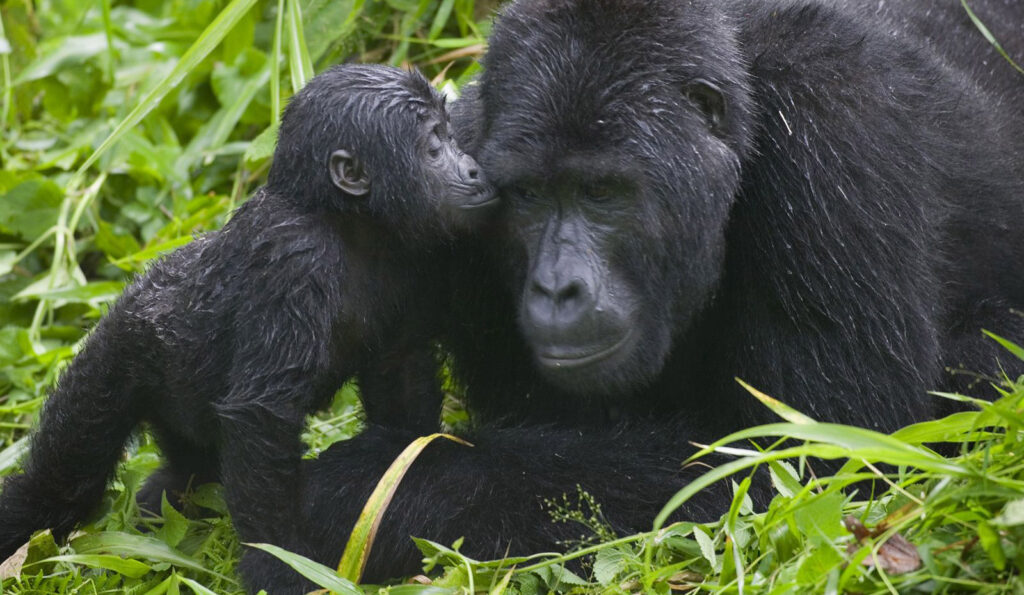
Visitors report to the designated briefing location in the Kinigi area early in the morning. Park officials check reservations and provide information about gorilla trekking regulations, group arrangements and safety.
After the briefing, visitors travel to the appropriate trailhead. Rangers and trackers help locate the assigned habituated family, using their knowledge of the animals’ recent movements and forest habitat.
The walk may involve cultivated land near the park boundary before entering the protected forest. Once inside, the terrain can become steep, muddy or densely vegetated.
When the gorilla family is located, the guide provides instructions for the encounter. Visitors observe the gorillas quietly while maintaining the distance required by current park regulations.
What Can You Expect to See?
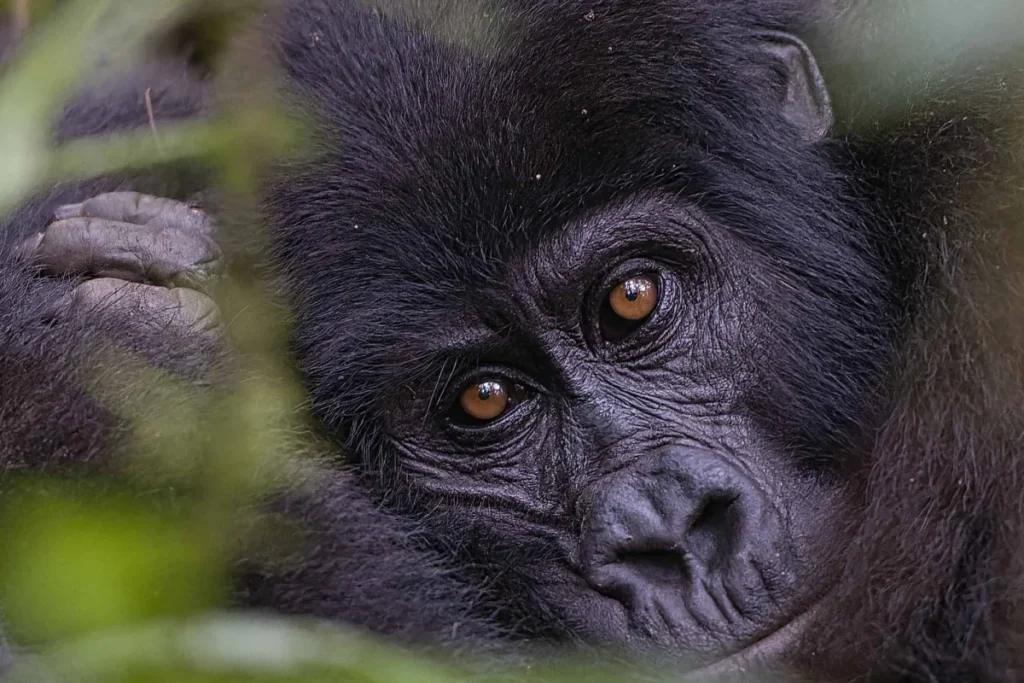
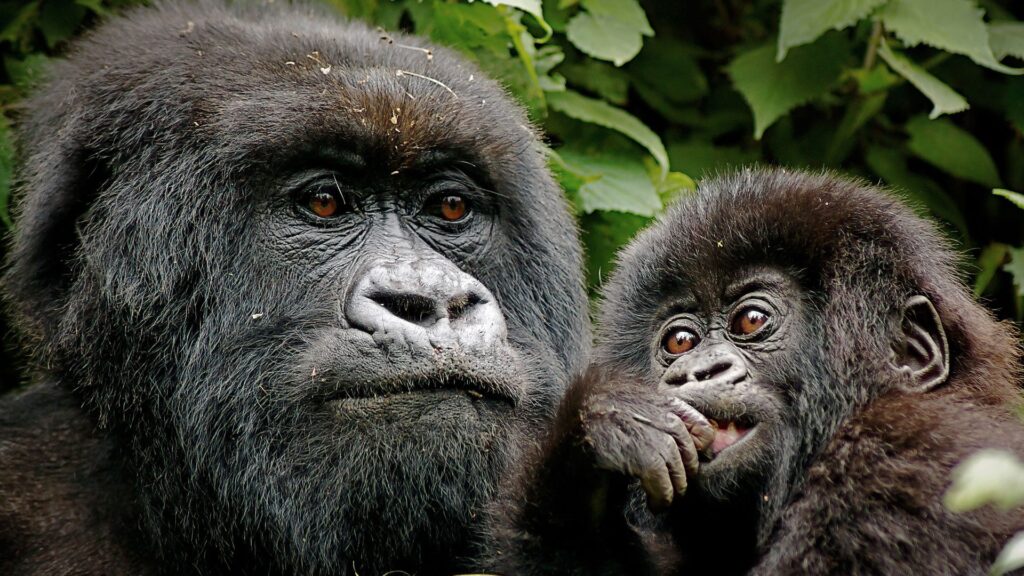
Every gorilla encounter is different. A silverback may be resting beneath vegetation while younger gorillas play nearby. Females may feed or care for infants, and other family members may move slowly through the forest.
Gorillas are powerful animals, but much of their daily activity involves feeding, resting and maintaining social relationships. Observing these ordinary behaviors is one of the most rewarding aspects of the experience.
Visitors should avoid expecting a particular photograph or interaction. The gorillas remain wild animals and must be allowed to behave naturally.
How Long Does Gorilla Trekking Take?
The time needed to reach a gorilla family varies considerably. Some groups may locate their assigned family after a relatively short walk, while others may trek for several hours.
The total duration depends on the gorillas’ location, terrain, weather and the pace of the trekking group. Travelers should avoid arranging tightly scheduled flights or long transfers immediately after the activity.
How Long Can Visitors Stay With the Gorillas?
Standard gorilla trekking permits generally allow approximately one hour with the assigned habituated family once it has been located.
The limited viewing period helps manage disturbance and allows the animals to continue their natural activities.
How Difficult Is Gorilla Trekking in Rwanda?
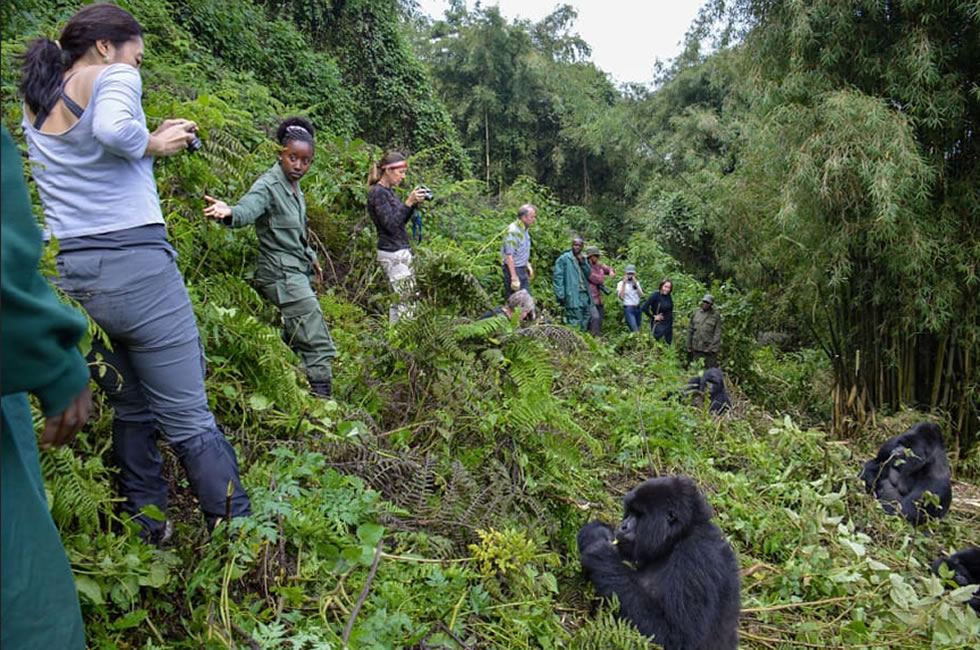
Gorilla trekking can range from moderately demanding to physically challenging. The park’s volcanic slopes, altitude and frequently wet vegetation can make walking difficult.
Visitors should have reasonable mobility and prepare for uneven ground. Sturdy hiking boots, appropriate clothing and a walking stick can improve comfort.
Travelers with health or mobility concerns should discuss their circumstances before booking. The park authorities determine trekking arrangements, and an easy route cannot be guaranteed.
Can You See Gorillas Throughout the Year?
Yes. Mountain gorillas remain in their natural habitats throughout the year, and gorilla trekking normally operates in every season.
The relatively dry months are popular because walking conditions may be more comfortable, but sightings are not restricted to a particular month.
Habituated Gorilla Families in Volcanoes National Park
Volcanoes National Park contains several habituated mountain gorilla families that can be visited through the official trekking program. Habituation is a gradual process through which wild gorillas become accustomed to the controlled presence of researchers and authorized visitors.
Gorilla families differ in size, social structure and location. They may include one or more silverbacks, adult females, juveniles and infants. Family composition changes naturally over time through births, deaths and movements between groups.
Susa Gorilla Family
The Susa group is among the historically well-known gorilla families associated with Volcanoes National Park. Its name is closely connected to the long history of mountain gorilla research in the region.
Because gorilla families move through the forest, the trekking distance and difficulty can vary. Visitors should not assume that a family will always occupy the same location.
Sabinyo Gorilla Family
The Sabinyo family is another familiar name in Rwanda’s gorilla trekking history. Its association with the Virunga landscape makes it an important part of the park’s tourism story.
Like other gorilla groups, its composition and movements may change over time.
Amahoro Gorilla Family
The Amahoro family is recognized in accounts of Rwanda’s habituated gorilla groups. Visitors may be interested in its social history and the behavior of its members.
However, the availability of any particular family for tourism depends on current park management arrangements.
Other Gorilla Families
Other historically recognized groups include Kwitonda, Hirwa, Umubano and several additional families. Their names, membership and tourism status can change.
Visitors should rely on the current official briefing rather than older online lists when determining which groups are available.
Can You Choose a Particular Gorilla Family?
Gorilla family assignments are managed by the park authorities. Visitor fitness, group arrangements and the current location of the gorillas may influence the allocation.
Although travelers can communicate relevant mobility concerns, they should not assume that a specific family or trekking duration can be guaranteed.
Rwanda Gorilla Trekking Permits: Prices, Booking and Requirements
A Rwanda gorilla trekking permit is required for every visitor participating in a standard mountain gorilla trek in Volcanoes National Park.
Permits are regulated by the Rwanda Development Board and are issued for specific trekking dates. They help control visitor numbers and contribute to the management of gorilla tourism.
How Much Is a Gorilla Permit in Rwanda?
The standard permit price for international visitors is USD 1,500 per person. Different official rates or promotional arrangements may apply to eligible categories of travelers.
Permit tariffs, promotions and eligibility rules should be confirmed for the intended travel date before payment.
What Is Included in a Gorilla Permit?
A standard gorilla permit covers participation in the regulated trekking activity, including the authorized ranger-guided encounter with a habituated gorilla family.
The standard viewing period is approximately one hour after the family is located.
Private transportation, accommodation, meals, personal equipment, porter services and tips are generally separate expenses unless included in a safari package.
How Many People Trek Each Gorilla Family?
Standard tourism visits are generally limited to a maximum of eight visitors per habituated gorilla family per day.
This controlled group size helps reduce disturbance and supports the conservation of the animals.
What Is the Minimum Age for Gorilla Trekking?
The minimum age for standard mountain gorilla trekking in Rwanda is 15 years.
Families traveling with younger children should plan alternative activities and appropriate supervision.
When Should You Book Your Permit?
For travel during June to September and the December holiday period, booking four to six months ahead is recommended. Travelers with fixed dates or large groups may need to reserve even earlier.
Permit availability is not guaranteed until an official reservation has been confirmed.
Can Gorilla Permits Be Refunded or Rescheduled?
Refund and rescheduling conditions are governed by the applicable official policies. These can be restrictive, particularly for changes requested close to the trekking date.
Travelers should review the current terms before payment and arrange suitable travel insurance.
Why Are Gorilla Permits Expensive?
Mountain gorilla tourism operates in a sensitive conservation environment. Regulated permits help limit visitor pressure while generating revenue associated with wildlife protection and tourism management.
The permit cost also reflects the limited number of daily trekking opportunities and the international demand for this experience.
Golden Monkey Tracking in Volcanoes National Park
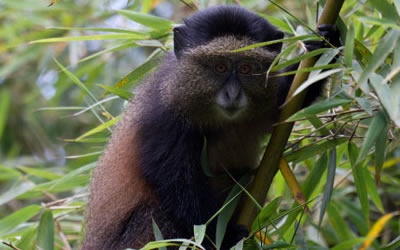
Golden monkey tracking in Rwanda is one of the best activities to combine with mountain gorilla trekking. Golden monkeys are striking primates recognized for their golden-orange coloration and energetic movements.
They inhabit suitable forest habitats within the Virunga Mountains and are particularly associated with bamboo vegetation.
What Happens During Golden Monkey Tracking?
The activity begins with an official briefing before visitors follow a guide into the forest to locate a habituated golden monkey group.
Once the monkeys are found, visitors can observe them feeding, climbing and interacting within their natural habitat under current park rules.
Golden monkeys are active animals, and photographing them can be challenging because they move quickly through vegetation.
How Difficult Is Golden Monkey Tracking?
Golden monkey tracking is often considered less demanding than some mountain gorilla treks, but the actual difficulty depends on the group’s location and forest conditions.
Visitors should still prepare for muddy paths, changing weather and uneven ground.
Can You Track Gorillas and Golden Monkeys on the Same Trip?
Yes. A three-day or four-day Rwanda safari can include both activities on separate mornings.
Travelers should arrange the permits and accommodation in advance to ensure a comfortable schedule.
Golden Monkey Permit Prices
Golden monkey tracking requires an official activity reservation. Prices depend on the current tariff and visitor category.
Confirm the applicable rate before booking rather than relying on outdated online estimates.
Volcano Hiking Adventures in Volcanoes National Park
Volcanoes National Park offers challenging hiking experiences for travelers who want to explore the dramatic mountain landscape beyond gorilla trekking.
Volcano hikes provide opportunities to experience different vegetation zones, beautiful viewpoints and the physical adventure of climbing volcanic slopes.
Mount Bisoke Crater Lake Hike
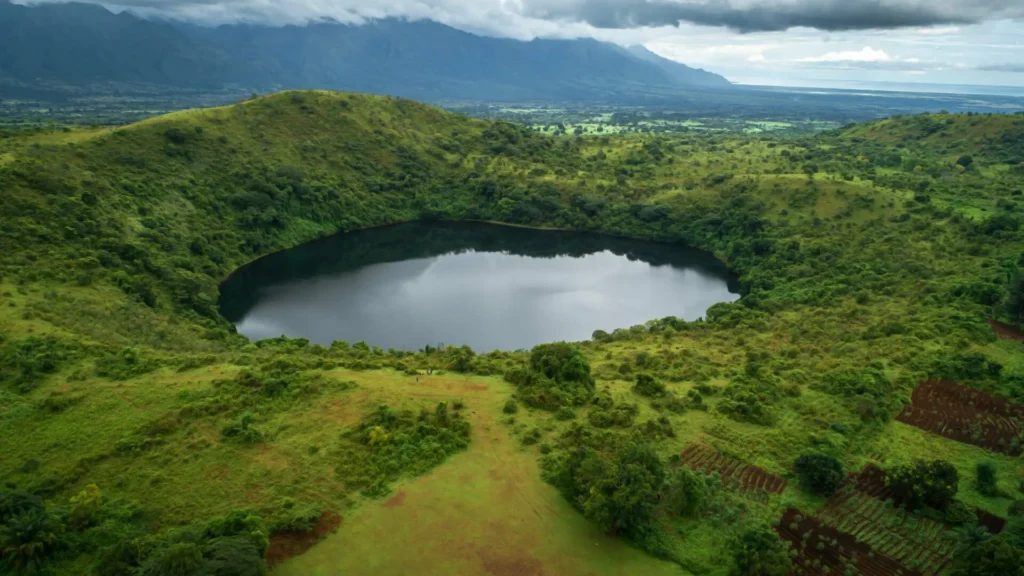
The Mount Bisoke hike is one of the park’s best-known mountain adventures. The route climbs toward a crater lake near the summit, passing through mountain vegetation and often muddy terrain.
The climb can be strenuous, particularly after rainfall. Hikers should have suitable boots, warm clothing and adequate drinking water.
Clouds may obscure the crater lake or surrounding views, so clear summit visibility cannot be guaranteed.
Mount Karisimbi Hiking Expedition

Mount Karisimbi is the highest volcano in the Virunga range and presents a more demanding challenge.
The hike is generally organized as an overnight expedition with authorized guides and appropriate camping arrangements.
Travelers should prepare for cold conditions, steep terrain and the physical effects of altitude.
Which Volcano Hike Should You Choose?
Mount Bisoke may suit fit travelers seeking a demanding day hike, while Mount Karisimbi is better suited to experienced hikers prepared for a longer expedition.
Both activities require advance planning and should be booked according to current park regulations.
Can You Combine Volcano Hiking With Gorilla Trekking?
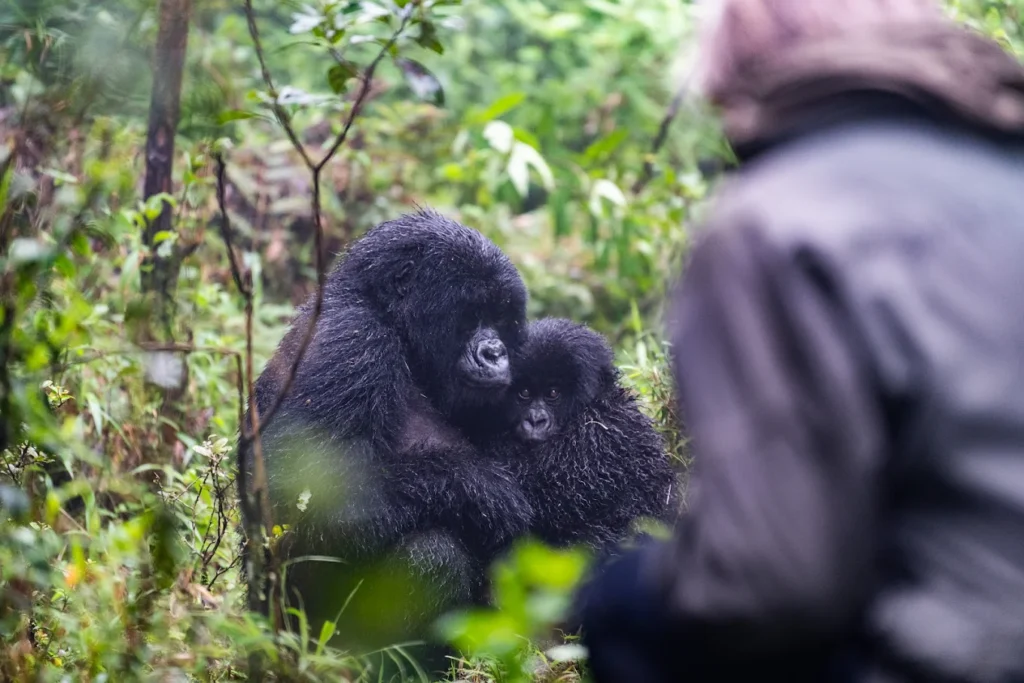
Yes. A longer safari can include gorilla trekking, golden monkey tracking and a volcano hike on different days.
However, the physical demands of these activities should be considered carefully. Travelers may benefit from a rest day between strenuous excursions.
Dian Fossey, Karisoke Research Center and Gorilla Conservation
The history of Volcanoes National Park is closely associated with Dian Fossey, whose pioneering research helped transform scientific understanding of mountain gorillas.
Fossey established the Karisoke Research Center in 1967 between Mount Karisimbi and Mount Bisoke. Her work involved long-term observations of gorilla behavior, family relationships and the threats facing the animals.
The Dian Fossey Tomb Hike
The Dian Fossey tomb hike is a guided forest excursion associated with the former Karisoke research area.
The route offers an opportunity to learn about Fossey’s work while exploring the mountain forest where much of her research took place.
The hike can involve steep and muddy terrain, making suitable footwear and physical preparation important.
The Ellen DeGeneres Campus of the Dian Fossey Gorilla Fund
The Ellen DeGeneres Campus, located near Volcanoes National Park, provides an educational experience focused on gorilla science and conservation.
Visitors can learn about research, conservation challenges and the long-term work undertaken to protect mountain gorillas.
Current opening hours, visitor programs and reservation requirements should be confirmed before travel.
Why Dian Fossey’s Legacy Matters
Fossey’s work helped establish the importance of studying mountain gorillas as individuals within complex social groups.
Modern conservation continues to build on scientific research, veterinary care, habitat protection and community involvement.
Visitors who include conservation-focused experiences in their itinerary can gain a deeper appreciation of the work required to protect endangered gorillas.
Other Things to Do Around Volcanoes National Park Rwanda
Although gorilla trekking is the principal attraction, the wider Volcanoes National Park region offers beautiful scenery, cultural experiences and several opportunities to explore northern Rwanda.
Visit the Gorilla Guardians Cultural Village
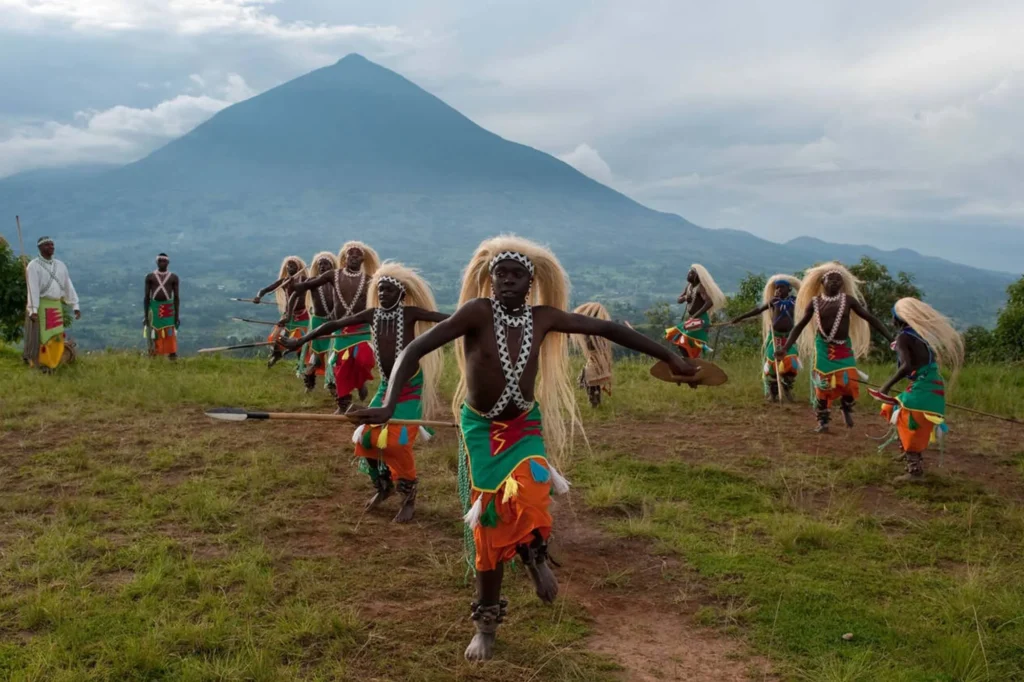
The Gorilla Guardians Cultural Village, formerly widely known as Iby’Iwacu Cultural Village, provides opportunities to learn about local traditions and community life.
Visitors can discover aspects of traditional music, dance, food preparation and cultural heritage through organized activities.
Community tourism is particularly meaningful when local residents participate directly and benefit from visitor spending.
Explore Lake Burera and Lake Ruhondo
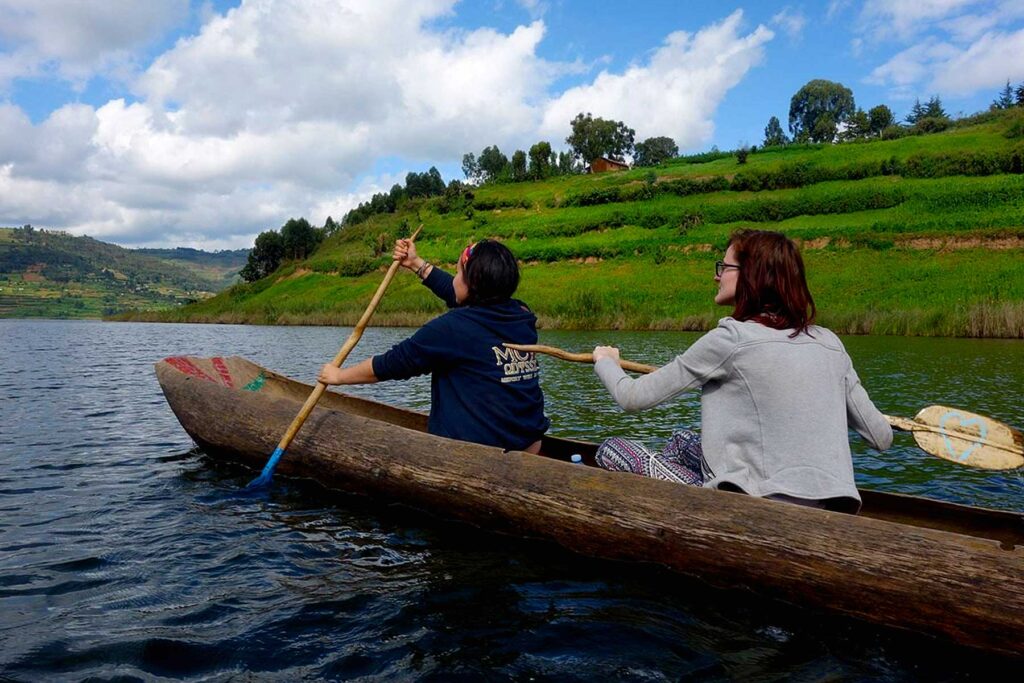
The Twin Lakes of Burera and Ruhondo are among northern Rwanda’s most scenic attractions. Their waters lie beneath the surrounding volcanic landscape, creating beautiful views of mountains, islands and rural communities.
Travelers can arrange scenic visits, photography stops and suitable boat excursions through authorized local operators.
The lakes provide a relaxing contrast to physically demanding forest activities.
Visit Musanze Caves
The Musanze region contains volcanic caves formed through geological processes associated with the area’s volcanic history.
Guided cave visits may provide an opportunity to learn about local geology and the region’s natural heritage.
Access arrangements, safety requirements and current operating status should be confirmed before visiting.
Explore Musanze Town
Musanze offers restaurants, markets and opportunities to experience daily life in northern Rwanda.
Travelers can explore suitable cultural attractions and enjoy views of the surrounding Virunga Mountains.
A short town visit may be particularly appealing on an arrival afternoon or after a less demanding activity.
Visit Lake Kivu After Gorilla Trekking

Lake Kivu is one of Rwanda’s most attractive relaxation destinations and can be combined with Volcanoes National Park.
Travelers can continue toward Rubavu or other lakeside locations for scenic accommodation, guided boat trips and opportunities to unwind after mountain trekking.
The lake is especially suitable for couples and travelers planning a longer Rwanda holiday.
Best Time to Visit Volcanoes National Park Rwanda
Volcanoes National Park can be visited throughout the year, although rainfall influences trekking conditions, mountain visibility and the overall travel experience.
The park has a cool, humid mountain climate. Rain is possible even during the relatively dry months, so visitors should always prepare for changing weather.
June to September: Popular Dry-Season Gorilla Trekking
June through September is one of the most popular periods for visiting Volcanoes National Park.
Rainfall is often relatively lower, and some forest trails may be easier to navigate. This makes the season attractive to travelers concerned about muddy slopes and difficult walking conditions.
However, the park’s mountain environment remains humid, and steep trails can still be challenging.
Accommodation and gorilla permits are in high demand during this period. Early reservations are strongly recommended.
December to February: Another Attractive Trekking Period
December through February can provide favorable conditions for gorilla trekking, golden monkey tracking and other outdoor activities.
January and February are popular with travelers seeking a wildlife holiday during the northern hemisphere winter.
Christmas and New Year can be busy, making advance planning important.
March to May: Green-Season Gorilla Trekking
March through May generally brings heavier rainfall. The forest becomes especially green, but trails can be slippery and physically demanding.
Travelers who enjoy misty landscapes and lush vegetation may find the scenery particularly attractive.
Gorilla trekking continues under normal park operations, although visitors should prepare for wet conditions and allow flexibility in their travel plans.
October to November: Short-Rain Season
October and November often experience additional rainfall. Forest trails may be muddy, and clouds can obscure mountain views.
However, the park remains an impressive wildlife destination, and gorilla encounters are not limited to the dry season.
Does the Season Affect Gorilla Sightings?
Mountain gorillas remain within their natural habitats throughout the year. They do not undertake a seasonal migration that makes them available only during particular months.
The location of a gorilla family depends on feeding patterns and daily movements. No season guarantees a shorter trek or a particular sighting.
Best Time for Volcano Hiking
Relatively dry months are often preferable for volcano hiking because trails may be less slippery.
Nevertheless, high-altitude weather can change rapidly. Clouds, rain and cold conditions remain possible throughout the year.
For a detailed seasonal comparison, see our best time to go gorilla trekking in Rwanda and Uganda guide.
Where to Stay Near Volcanoes National Park Rwanda
Accommodation around Volcanoes National Park ranges from exclusive luxury lodges to comfortable mid-range hotels and simpler guesthouses.
The best property depends on your budget, preferred comfort level and planned activities. Staying near Kinigi is particularly convenient for the early morning gorilla trekking briefing.
Bisate Lodge
Bisate Lodge is among the best-known luxury safari properties in the Volcanoes National Park region.
Its distinctive architecture and surrounding scenery make it attractive to travelers seeking an exclusive mountain lodge experience.
Guests should confirm current room availability, inclusions and activity arrangements before booking.
Singita Kwitonda Lodge
Singita Kwitonda Lodge is a premium accommodation option near Volcanoes National Park, appealing to travelers seeking privacy, comfort and a high-end safari experience.
Its location provides access to the park’s gorilla trekking region, subject to the relevant morning transfer arrangements.
One&Only Gorilla’s Nest
One&Only Gorilla’s Nest is another established luxury accommodation option in the Volcanoes National Park area.
The property offers a refined setting for travelers combining mountain gorilla encounters with a relaxing lodge stay.
Sabyinyo Silverback Lodge
Sabyinyo Silverback Lodge is a well-known safari lodge near the park and offers an attractive base for gorilla trekking.
Its mountain setting appeals to visitors who want to experience the scenery of northern Rwanda.
Five Volcanoes Boutique Hotel
Five Volcanoes Boutique Hotel is a familiar accommodation option in the Musanze and Kinigi region.
It can be suitable for travelers seeking comfortable accommodation with access to the park’s principal activities.
Le Bambou Gorilla Lodge
Le Bambou Gorilla Lodge is another accommodation option associated with the Volcanoes National Park region.
Travelers should confirm current room categories, amenities and meal arrangements before making reservations.
Accommodation in Musanze
Musanze also offers hotels and guesthouses that may suit travelers seeking more economical accommodation.
When selecting a property, consider the time required to reach the official briefing location early in the morning.
How Many Nights Should You Stay?
One night near Volcanoes National Park can be sufficient for a short gorilla trekking itinerary, provided travel arrangements are carefully coordinated.
Two nights offer a more relaxed experience and allow time for an additional activity such as golden monkey tracking or a cultural visit.
Three or four nights are suitable for travelers planning volcano hiking, conservation experiences and scenic excursions around the region.
How Much Does a Volcanoes National Park Safari Cost?
The total cost of a Volcanoes National Park safari depends on the gorilla permit, accommodation, transportation, number of travelers and additional activities.
Because Rwanda offers several accommodation categories, the final price can vary significantly between a short mid-range holiday and a luxury gorilla trekking experience.
Gorilla Trekking Permit Cost
The standard international visitor gorilla permit is USD 1,500 per person, subject to the current official tariff and applicable eligibility rules.
This is a significant component of most Rwanda gorilla safari packages.
Transportation From Kigali
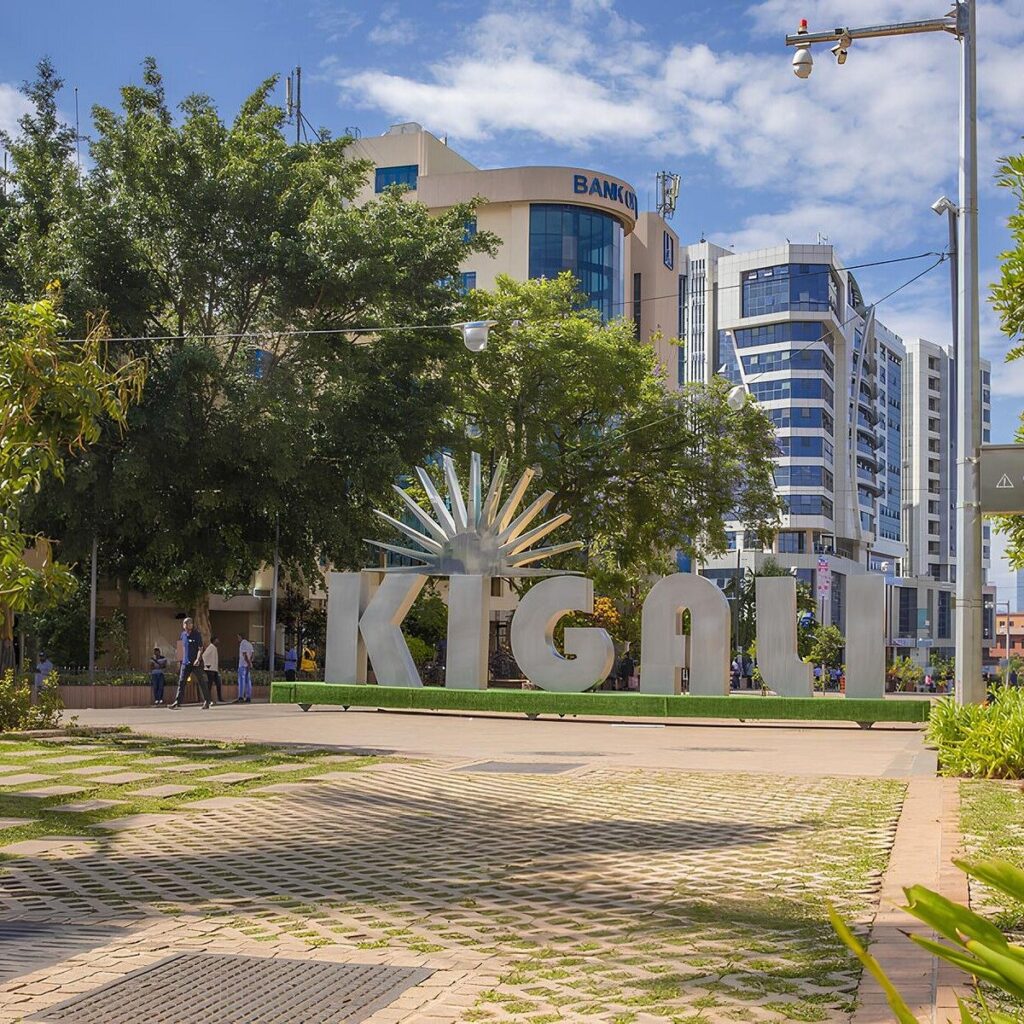
Most travelers reach Volcanoes National Park by road from Kigali. A private safari package may include airport pickup, a professional driver-guide, vehicle expenses and transfers between accommodation and activities.
The total transport cost depends on the itinerary duration and number of travelers sharing the vehicle.
Accommodation Costs
Accommodation rates vary by property, season and room category.
Luxury lodges may account for a substantial portion of the safari budget, while mid-range hotels and guesthouses offer more economical alternatives.
Golden Monkey Tracking and Additional Activities
Golden monkey tracking, volcano hiking and other organized park activities may require separate permits or fees.
These should be included clearly in the safari quotation if they form part of the itinerary.
Two-Day Rwanda Gorilla Trekking Safari
A two-day safari generally includes a transfer from Kigali, one overnight stay near Volcanoes National Park, gorilla trekking and a return journey.
This is a convenient option for travelers with limited time, although the schedule can be demanding.
Three-Day Rwanda Gorilla Safari
A three-day safari provides more time for sightseeing, gorilla trekking and an additional activity.
It is particularly suitable for travelers seeking a more comfortable pace.
Luxury Gorilla Trekking Safari
Luxury packages combine the gorilla trekking experience with premium accommodation, private transportation and carefully coordinated services.
Travelers should request a quotation based on their specific dates because lodge rates and availability can change.
Request a Personalized Safari Price
Visit Rwanda Gorilla can prepare a detailed quotation showing the applicable permit, accommodation, transportation, meals and selected activities.
Provide your travel dates, number of travelers and preferred accommodation category to receive a tailored proposal.
Recommended Volcanoes National Park Safari Itineraries
Volcanoes National Park can be included in short gorilla trekking holidays or longer Rwanda and Uganda wildlife adventures.
2 Days Rwanda Gorilla Trekking

This itinerary is suitable for travelers with limited time. Travel from Kigali to the Volcanoes National Park region, enjoy an overnight stay and participate in gorilla trekking the following morning.
After the trek, return to Kigali according to the confirmed travel schedule.
Explore our 2 Days Rwanda Gorilla Trekking itinerary.
3 Days Rwanda Gorilla Safari

A three-day safari allows travelers to combine gorilla trekking with Kigali sightseeing, a cultural visit or another activity in the Volcanoes National Park region.
The additional night provides more time to appreciate the landscape and enjoy the experience without rushing.
4 Days Rwanda Gorilla and Golden Monkey Safari
A four-day itinerary can include gorilla trekking, golden monkey tracking and a visit to a conservation or cultural attraction.
This combination is attractive to travelers interested in primates and the natural heritage of the Virunga Mountains.
5 Days Rwanda Gorilla Trekking and Lake Kivu
Combine the mountain gorillas of Volcanoes National Park with a relaxing stay beside Lake Kivu.
After trekking, continue toward a suitable lakeside destination for scenic accommodation and optional boat excursions.
7 Days Uganda–Rwanda Gorilla Trekking
Travelers interested in exploring both countries can consider our 7 Days Uganda–Rwanda Gorilla Trekking safari.
The itinerary can introduce visitors to different wildlife habitats and scenic destinations across the region.
9 Day Rwanda Safari
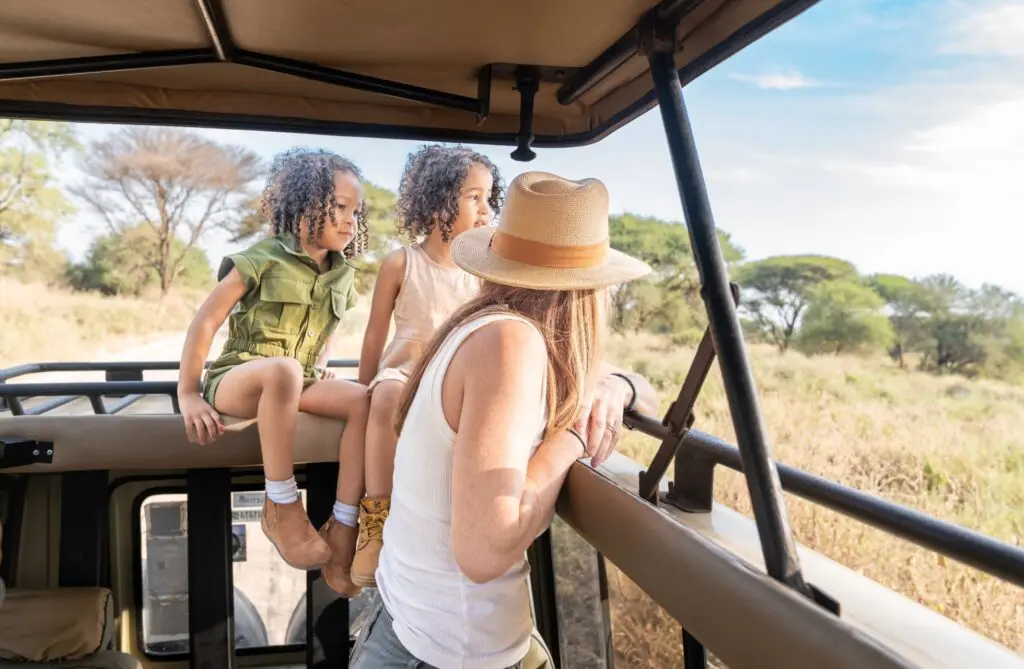
For a comprehensive Rwanda holiday, combine Volcanoes National Park with Akagera National Park, Nyungwe Forest and Lake Kivu.
Our 9 Day Rwanda Safari provides an opportunity to experience mountain gorillas, rainforest primates, savannah wildlife and beautiful landscapes.
What to Pack for Volcanoes National Park Rwanda
Preparing for a visit to Volcanoes National Park Rwanda requires clothing and equipment suitable for a cool, humid mountain environment.
Even during relatively dry months, visitors may encounter rain, mud and dense vegetation. Packing correctly can make gorilla trekking and other outdoor activities considerably more comfortable.
Waterproof Hiking Boots
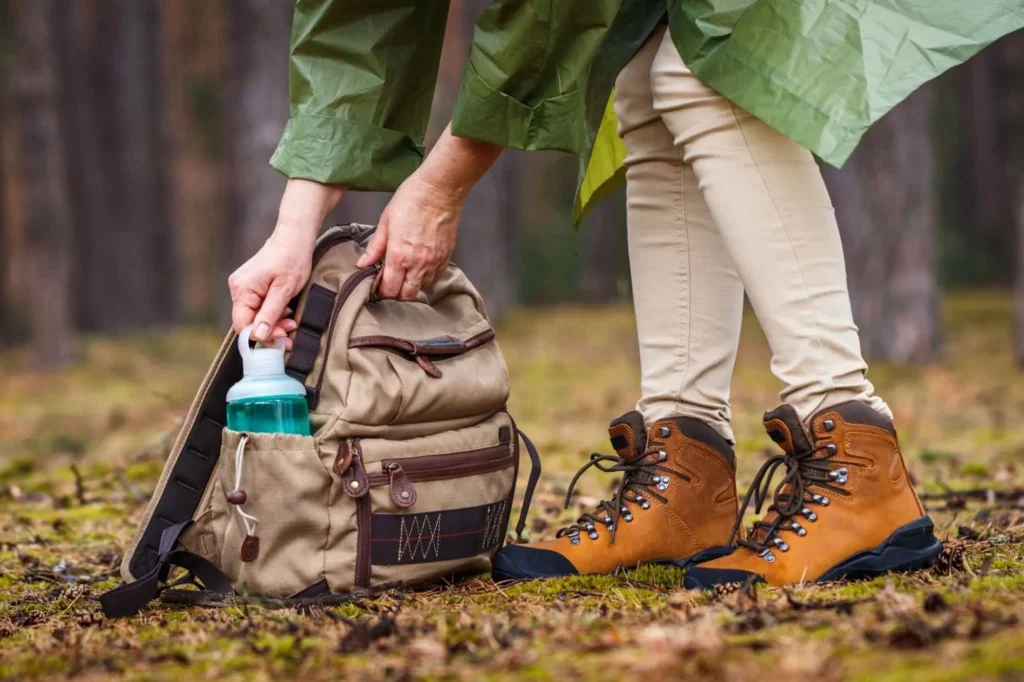
Sturdy hiking boots with good traction are essential for walking on muddy and uneven forest trails.
Choose footwear that provides ankle support and has been worn before the safari to reduce the risk of blisters.
Long-Sleeved Shirts and Trousers
Long clothing helps protect the skin from insects, scratches and vegetation.
Lightweight, comfortable fabrics are suitable for active hiking, although visitors should also prepare for cool temperatures.
Waterproof Jacket
A reliable waterproof jacket is one of the most important items to carry. Rain can occur unexpectedly in the Virunga Mountains.
A waterproof daypack cover is also useful for protecting cameras, documents and personal belongings.
Warm Clothing
Early mornings can be cold, particularly at higher elevations. A fleece or lightweight warm layer provides comfort during briefings and forest walks.
Gardening Gloves
Gardening gloves can protect your hands when holding vegetation for balance on difficult sections of the trail.
Walking Stick
A walking stick may provide additional stability on steep or slippery ground. Ask your guide about suitable options before the trek begins.
Drinking Water and Packed Lunch
Carry enough drinking water for several hours of walking. A packed lunch or snacks may be useful because the time required to locate a gorilla family is unpredictable.
Camera Equipment
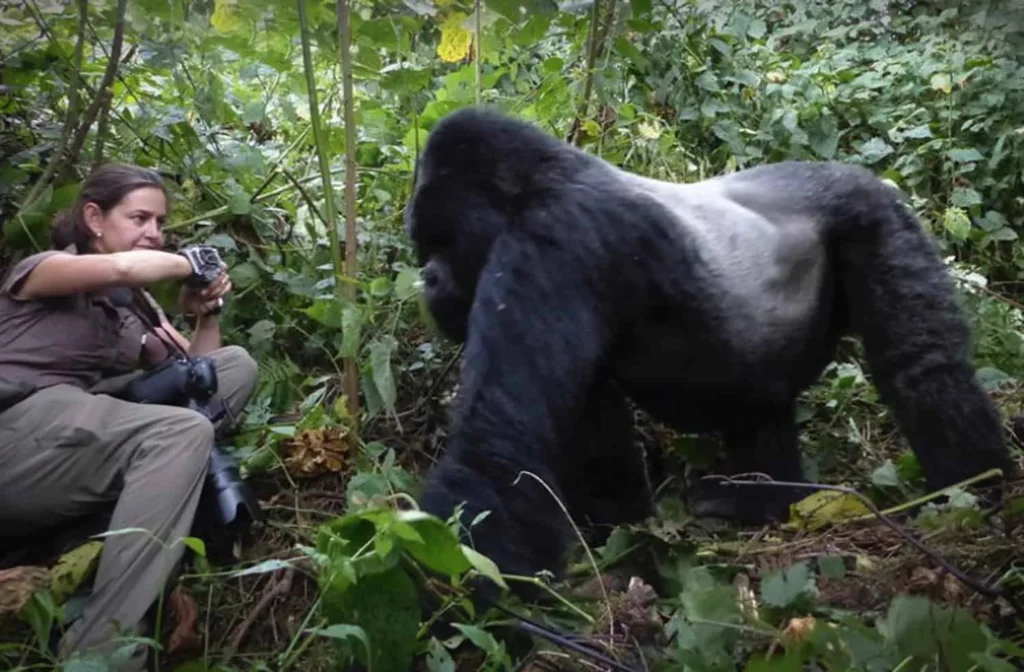
A camera with good low-light performance can be helpful because the forest canopy often limits natural light.
Bring spare batteries and protect equipment from moisture. Flash photography is prohibited during gorilla encounters.
Personal Essentials
Carry the identification required for permit verification, personal medication and appropriate travel insurance information.
Keep essential items in a comfortable daypack that can be carried easily during the trek.
Gorilla Trekking Rules and Safety in Volcanoes National Park
Mountain gorilla trekking is a carefully regulated wildlife activity. Visitors must follow the instructions of park rangers to protect both the animals and the trekking group.
Maintain the Required Distance
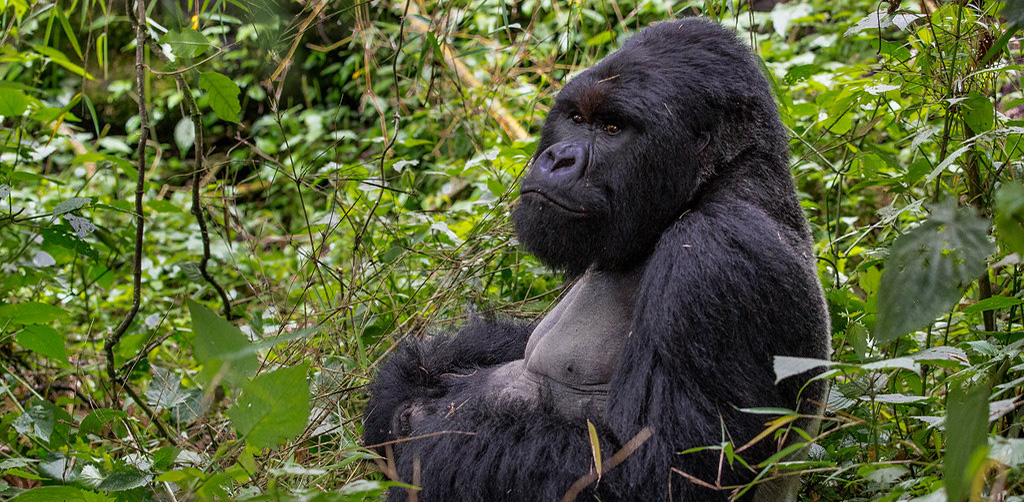
Visitors must maintain the minimum separation distance required by the park authorities. Seven meters is commonly cited as a minimum, but current health regulations may require greater separation.
If a gorilla approaches unexpectedly, remain calm and follow the guide’s instructions.
Never Touch or Feed Gorillas
Touching or feeding mountain gorillas is prohibited. These actions can disturb natural behavior and increase the risk of disease transmission.
Do Not Use Flash Photography
Flash photography is prohibited during gorilla trekking. Visitors should use available natural light and avoid sudden movements when taking photographs.
Keep Voices Low
Visitors should speak quietly and avoid unnecessary noise during the encounter.
Gorillas communicate naturally through vocalizations and body language, and loud human activity can disturb them.
Do Not Trek When Contagiously Ill
Mountain gorillas are vulnerable to diseases that can be transmitted by humans.
Visitors experiencing symptoms of a potentially contagious illness should inform the safari operator and park authorities before trekking.
Additional precautions, including mask requirements, may apply under current park rules.
Follow the One-Hour Viewing Limit

Standard gorilla trekking visitors are generally permitted approximately one hour with the assigned habituated family.
This helps manage tourism pressure and allows the gorillas to continue their normal activities.
Respect the Forest Environment
Visitors should not leave rubbish, remove plants or disturb wildlife habitats.
Responsible behavior contributes to the long-term protection of the park.
Mountain Gorilla Conservation and Community Tourism
Volcanoes National Park plays a central role in the conservation of endangered mountain gorillas. Its protection depends on sustained wildlife monitoring, habitat management, scientific research and cooperation with communities surrounding the park.
Protecting Endangered Mountain Gorillas
Mountain gorillas inhabit a limited geographic area within the Virunga Massif and Bwindi ecosystem.
Their restricted range makes continued habitat protection and responsible tourism particularly important.
Research and Veterinary Monitoring
Scientific research helps conservation teams understand gorilla health, family relationships and population trends.
Veterinary monitoring and disease prevention are also important because gorillas can be vulnerable to infections transmitted by humans.
Preventing Poaching and Habitat Disturbance
Ranger patrols and conservation programs help protect the park from illegal activities that could threaten wildlife and forest habitats.
Long-term protection requires cooperation among park authorities, conservation organizations and local communities.
Community Benefits From Gorilla Tourism
Gorilla tourism creates opportunities for guides, porters, drivers, accommodation providers and other businesses.
Community-focused initiatives can help strengthen the relationship between conservation and local livelihoods.
Why Responsible Tourism Matters
Visitors can support conservation by respecting park rules, choosing authorized operators and avoiding activities that disturb wildlife.
Tourism should provide meaningful experiences without compromising the welfare of the animals that make those experiences possible.
Practical Travel Advice for Visiting Volcanoes National Park
Stay Near the Park Before Gorilla Trekking
Gorilla trekking begins with an early morning briefing. Staying near Kinigi or Musanze the previous night helps reduce the risk of arriving late.
Book Gorilla Permits Early
Permit availability can be limited during popular travel periods. Confirm official availability before finalizing non-refundable travel arrangements.
Prepare for Mountain Weather
Rain, mist and cool temperatures are possible throughout the year. Waterproof clothing and sturdy boots are essential.
Choose Activities According to Fitness
Gorilla trekking, golden monkey tracking and volcano hiking involve different physical demands.
Discuss any relevant mobility concerns before booking.
Allow Enough Time After Trekking
The duration of a gorilla trek cannot be predicted precisely. Avoid scheduling international flights immediately after the activity.
Consider Hiring a Porter
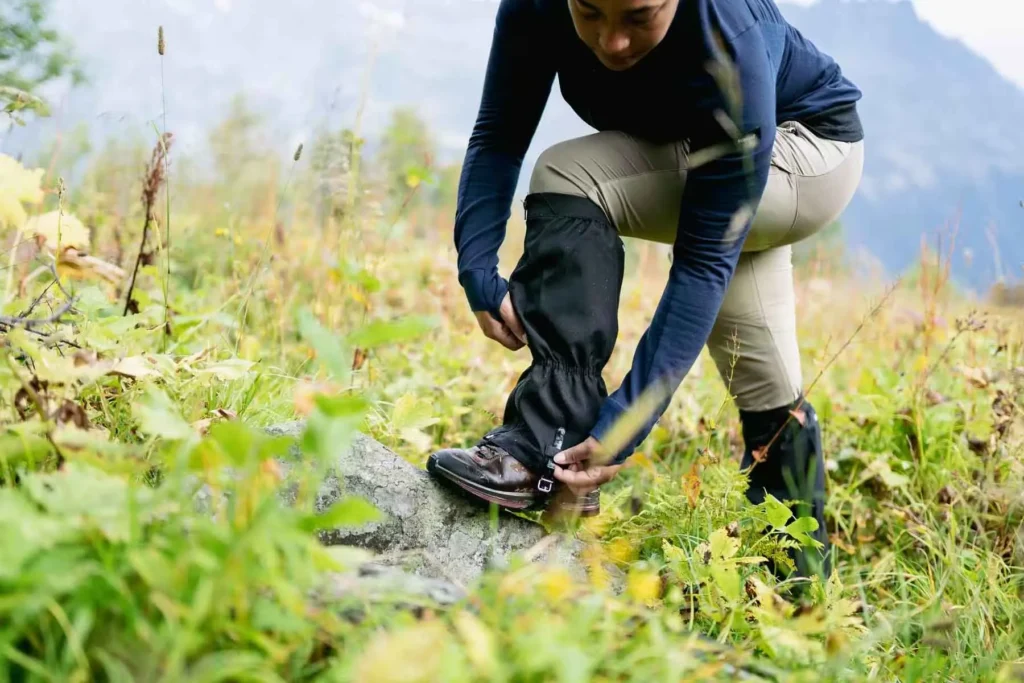
Porter services can provide practical support by carrying equipment and assisting where permitted on difficult terrain.
Using local services can also contribute to employment in surrounding communities.
Combine Volcanoes National Park With Other Destinations
Travelers planning a longer Rwanda safari can combine Volcanoes National Park with Nyungwe Forest National Park for chimpanzee trekking and Akagera National Park for Big Five wildlife viewing.
Lake Kivu is another attractive addition for relaxation and scenic experiences.
Frequently Asked Questions About Volcanoes National Park Rwanda
Where Is Volcanoes National Park Located?
Volcanoes National Park is located in northwestern Rwanda near Musanze and Kinigi, along the country’s borders with Uganda and the Democratic Republic of Congo.
What Is Volcanoes National Park Famous For?
The park is famous for mountain gorilla trekking, golden monkey tracking, volcanic mountain scenery and its association with Dian Fossey’s conservation research.
Can You See Mountain Gorillas in Volcanoes National Park?
Yes. Guided gorilla trekking is the park’s principal wildlife activity, although encounters involve wild animals and cannot be guaranteed.
How Much Is a Rwanda Gorilla Trekking Permit?
The standard international visitor permit costs USD 1,500 per person, subject to the current official tariff and applicable eligibility rules.
How Far Is Volcanoes National Park From Kigali?
The road journey to the Musanze or Kinigi region generally takes approximately two to three hours, depending on traffic and accommodation location.
What Is the Best Time to Visit Volcanoes National Park?
June through September and December through February are popular because rainfall is often relatively lower. However, the park can be visited throughout the year.
How Difficult Is Gorilla Trekking?
The difficulty varies according to terrain, weather, fitness and the location of the assigned gorilla family.
How Long Does Gorilla Trekking Take?
The forest walk may take several hours. The time needed to locate a gorilla family cannot be guaranteed in advance.
How Long Can You Stay With Mountain Gorillas?
Standard gorilla trekking visitors normally spend approximately one hour observing the assigned habituated family.
What Is the Minimum Age for Gorilla Trekking?
The minimum age for standard mountain gorilla trekking in Rwanda is 15 years.
Can Older Travelers Go Gorilla Trekking?
Many older travelers participate successfully. Suitability depends on health, mobility and the demands of the assigned trekking route.
Can You Track Golden Monkeys in Volcanoes National Park?
Yes. Golden monkey tracking is a popular guided activity and can be combined with gorilla trekking on a multi-day safari.
Can You Hike Mount Bisoke?
Yes. Mount Bisoke offers a guided hiking experience leading toward its summit crater lake, subject to current park regulations and weather conditions.
Can You Hike Mount Karisimbi?
Yes. Mount Karisimbi is a demanding high-altitude hiking destination, generally requiring an overnight expedition.
Who Was Dian Fossey?
Dian Fossey was a primatologist whose research in the Virunga Mountains significantly advanced scientific understanding of mountain gorillas and their conservation needs.
Can You Visit the Dian Fossey Tomb?
Guided hikes associated with the Dian Fossey tomb and former Karisoke research area may be arranged through authorized park tourism services.
Where Can I Stay Near Volcanoes National Park?
Accommodation options include Bisate Lodge, Singita Kwitonda Lodge, One&Only Gorilla’s Nest, Sabyinyo Silverback Lodge and other properties around Kinigi and Musanze.
How Many Days Should I Spend in Volcanoes National Park?
Two or three days are suitable for many gorilla trekking holidays. Longer stays allow time for golden monkey tracking, volcano hiking and cultural experiences.
Can I Visit Volcanoes National Park in One Day?
A very early day trip from Kigali may be possible with appropriate arrangements, but staying near the park is generally more comfortable.
Are Gorilla Sightings Guaranteed?
No. Mountain gorillas move freely through their natural habitat, so no responsible operator can guarantee a particular sighting.
Can I Combine Volcanoes National Park With Akagera?
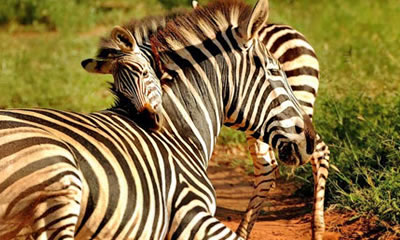
Yes. This combination allows travelers to enjoy mountain gorilla trekking and savannah wildlife viewing during the same Rwanda holiday.
Can I Combine Volcanoes National Park With Nyungwe?

Yes. Visitors can combine mountain gorilla trekking with chimpanzee tracking and rainforest activities in Nyungwe National Park.
How Do I Book a Volcanoes National Park Safari?
Contact Visit Rwanda Gorilla with your travel dates, number of travelers and preferred accommodation category to request a personalized safari quotation.
Book Your Volcanoes National Park Gorilla Trekking Safari
Experience the extraordinary mountain gorillas of Volcanoes National Park Rwanda on a professionally organized safari with Visit Rwanda Gorilla.
Imagine walking through mist-covered mountain forest before encountering a family of endangered mountain gorillas. Watch a powerful silverback resting among the vegetation, observe playful juveniles and discover the remarkable social relationships within a wild gorilla family.
Volcanoes National Park offers one of Africa’s most memorable wildlife encounters. Its beautiful volcanic landscape, golden monkeys and conservation heritage make it an exceptional destination for travelers seeking meaningful nature experiences.
At Visit Rwanda Gorilla, we organize private gorilla trekking safaris tailored to your travel dates, interests and accommodation preferences.
Our team can assist with checking official gorilla permit availability, arranging professional driver-guides, selecting suitable accommodation and coordinating additional activities.
We also organize longer Rwanda safaris combining Volcanoes National Park with Akagera National Park, Nyungwe Forest and Lake Kivu.
Whether you are planning a short gorilla trekking holiday, a luxury honeymoon or a comprehensive Rwanda wildlife adventure, we can help prepare an itinerary that balances comfort, wildlife encounters and realistic travel times.
Start Planning Your Rwanda Gorilla Safari Today
Contact us with your preferred travel dates, number of travelers and accommodation category to receive a personalized Volcanoes National Park safari quotation.
Visit Rwanda Gorilla
Website: www.visitrwandagorilla.com
Email: info@visitrwandagorilla.com
WhatsApp: +256 772 446879
Reserve your gorilla trekking safari today and discover the remarkable wildlife, landscapes and conservation heritage of Volcanoes National Park Rwanda.