

Where to Stay in Lake Kivu for Family Gorilla Trekking
Plan Lake Kivu family gorilla trekking with advice on family stays, Rwanda gorilla permits, age rules, Volcanoes accommodation…
Read article →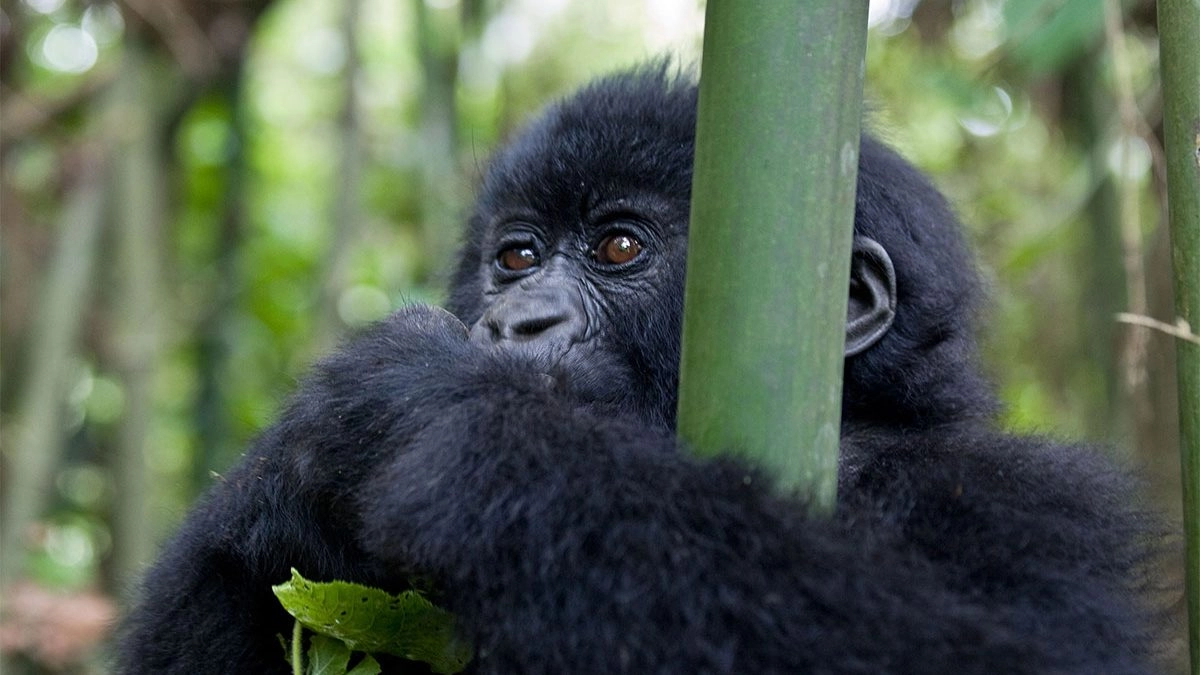
Travel Guide
Volcanoes National Park, located in the northwest of Rwanda, offers one of the most unique and thrilling wildlife experiences in the world—gorilla trekking. As the home of the endangered mountain gorillas, this lush, mist-covered park provides…
Volcanoes National Park, located in the northwest of Rwanda, offers one of the most unique and thrilling wildlife experiences in the world—gorilla trekking. As the home of the endangered mountain gorillas, this lush, mist-covered park provides an extraordinary opportunity to witness these majestic creatures in their natural habitat. Trekking through the dense forests and rugged terrain of the park, visitors can observe gorilla groups up close, contributing to the park’s conservation efforts and enjoying a transformative wildlife encounter.
Volcanoes National Park is part of the larger Virunga Massif, which spans Rwanda, Uganda, and the Democratic Republic of Congo. The park is home to one of the world’s most significant populations of mountain gorillas. With its stunning volcanic landscapes, dense rainforests, and vibrant biodiversity, the park offers not only gorilla trekking but also breathtaking views and a chance to connect with nature in its purest form.
Gorilla trekking in Volcanoes National Park begins early in the morning. Trekkers meet at the park headquarters, where they are assigned to a specific gorilla group for the day. A team of experienced guides and trackers leads the trek, ensuring the safety of both the visitors and the gorillas. The trek can vary in difficulty, depending on the location of the gorilla group and the terrain.
The terrain can be steep, muddy, and sometimes challenging, as trekkers navigate through thick vegetation and climb through the slopes of the volcanic mountains. However, the reward of encountering a mountain gorilla family in the wild is worth every step. The trek can last anywhere from 1 to 8 hours, but the moment trekkers come across a gorilla group, they are given an unforgettable experience.
Once trekkers reach the gorilla group, they are allowed to spend an hour observing these incredible animals. Visitors witness the gorillas’ social interactions, ranging from peaceful grooming sessions to playful young gorillas interacting with each other. The silverback, the dominant male of the group, often leads the family and ensures their safety. The gorillas are calm and accustomed to human presence, but trekkers are always required to maintain a respectful distance and follow strict guidelines to avoid disturbing the animals.
This intimate encounter allows trekkers to observe the gorillas’ intelligence, family bonds, and emotional depth. The experience is both humbling and awe-inspiring, offering a deeper understanding of these critically endangered creatures and their role in the ecosystem.
There are several habituated gorilla groups in Volcanoes National Park, each with its unique characteristics:
Susa Group: Known for its large size and playful young gorillas, this group is led by the dominant silverback, Karisimbi. Susa Group resides in the higher altitudes of the park, making the trek more physically demanding.
Amahoro Group: This group is famous for its calm and peaceful nature, led by the gentle silverback, Uburundi. It is one of the most popular groups for trekkers due to its friendly demeanor.
Sabyinyo Group: The Sabyinyo group is known for its stunning location near the Sabyinyo volcano. Led by the silverback Guhonda, this group offers trekkers a chance to experience the majestic gorillas while enjoying views of the volcanic landscape.
Kwitonda Group: This group is located in the southern part of the park. Known for its peaceful nature, Kwitonda Group is one of the most sought-after groups to visit.
Hirwa Group: A dynamic and energetic group, Hirwa was formed when several smaller groups merged. It is led by the young silverback, Ruhengeri.
Gorilla trekking in Volcanoes National Park plays a crucial role in the conservation of mountain gorillas. The revenue generated from gorilla permits contributes to the protection of the park and the ongoing efforts to preserve this endangered species. Rwanda’s commitment to sustainable tourism has helped ensure the survival of mountain gorillas, with a steady increase in their population in recent years.
Tourism also supports local communities by creating jobs and promoting eco-friendly businesses. The park’s rangers, guides, porters, and local communities all benefit from the tourism revenue, making gorilla trekking a vital component of Rwanda’s conservation strategy.
Gorilla trekking in Volcanoes National Park offers a truly unforgettable experience. The opportunity to encounter mountain gorillas in their natural habitat, surrounded by Rwanda’s stunning landscapes, is a once-in-a-lifetime adventure for wildlife enthusiasts. Not only does this experience offer a deep connection with nature, but it also supports the ongoing conservation of these endangered animals. For those seeking adventure, wildlife, and the chance to contribute to a vital conservation effort, Volcanoes National Park is the ultimate destination.
Gorilla trekking in Volcanoes National Park is one of Africa’s most extraordinary wildlife experiences. Hidden within the mist-covered mountains of northwestern Rwanda, endangered mountain gorillas live in family groups among bamboo forests, montane vegetation and volcanic slopes. Visiting their natural habitat offers a rare opportunity to observe these remarkable primates while contributing to their long-term protection.
Imagine walking quietly through a mountain forest, following experienced ranger guides along narrow trails surrounded by lush vegetation. The morning air is cool, and mist occasionally drifts between the trees. Your guide suddenly signals for silence. Just ahead, a powerful silverback rests among the plants while younger gorillas play nearby.
For one unforgettable hour, you can observe a habituated mountain gorilla family as its members feed, groom, rest and interact. A mother may cradle her infant while a juvenile climbs through the vegetation. The dominant silverback watches over the family, occasionally moving to a new feeding area.
These encounters are what make Rwanda gorilla trekking so special. Unlike wildlife viewing from a safari vehicle, gorilla trekking takes you directly into the forest with trained guides. The experience is immersive, personal and often deeply moving.
Volcanoes National Park is one of the world’s most important mountain gorilla habitats. It forms part of the larger Virunga Massif, a mountainous landscape shared by Rwanda, Uganda and the Democratic Republic of Congo. This transboundary ecosystem supports mountain gorillas and many other species adapted to high-altitude forests.
Rwanda has developed a conservation-focused tourism model that regulates visitor numbers and supports the protection of these endangered primates. Gorilla trekking permits help finance park management and conservation activities, while tourism creates employment opportunities for guides, trackers, porters and surrounding communities.
Whether you’re planning a short gorilla trekking tour from Kigali, a luxury Rwanda safari or a longer East African wildlife holiday, Volcanoes National Park deserves a place on your itinerary.
This comprehensive guide explains everything you need to know about gorilla trekking in Volcanoes National Park, including permits, prices, gorilla families, trekking difficulty, the best travel seasons, accommodation and practical safari planning.
Volcanoes National Park lies in northwestern Rwanda, close to the borders with Uganda and the Democratic Republic of Congo. The park protects approximately 160 square kilometers of mountain habitat within the Virunga volcanic range.
The park is famous for its endangered mountain gorillas, but its significance extends far beyond a single species. Its varied habitats include bamboo forests, montane forests, high-altitude vegetation and volcanic landscapes that support remarkable biodiversity.
The Virunga Massif is a chain of volcanic mountains extending across Rwanda, Uganda and the Democratic Republic of Congo. Five of these volcanoes are associated with Rwanda’s Volcanoes National Park: Karisimbi, Bisoke, Muhabura, Gahinga and Sabyinyo.
Mount Karisimbi is the highest of the Virunga volcanoes, reaching approximately 4,507 meters above sea level. Its imposing slopes and distinctive summit create a dramatic backdrop to the surrounding landscape.
Mount Bisoke is particularly well known for its crater lake, which attracts experienced hikers seeking an additional mountain adventure. The volcanic scenery gives the national park its distinctive identity and contributes to the beauty of the gorilla trekking experience.
Volcanoes National Park contains several vegetation zones influenced by altitude, rainfall and volcanic soils. Bamboo forests are particularly important because mountain gorillas frequently feed in areas where suitable vegetation is available.
In addition to mountain gorillas, the park protects golden monkeys, numerous bird species and other wildlife associated with the Albertine Rift region.
Golden monkeys are another major attraction. Their distinctive golden-orange coloring and energetic movements make them fascinating to observe during a guided forest trek.
The park is reached through the Musanze region, with gorilla trekking briefings held at Kinigi Park Headquarters. Musanze is approximately two to three hours by road from Kigali under typical conditions, although journey times vary.
This relatively convenient access is one reason Rwanda is popular with travelers planning short gorilla trekking safaris.
Visitors can arrive in Kigali, transfer to accommodation near the park and participate in a gorilla trek the following morning without requiring domestic flights or several days of road travel.
There are several reasons why travelers choose Rwanda for a mountain gorilla encounter. The country’s beautiful scenery, established tourism infrastructure and conservation-focused visitor experience make Volcanoes National Park an appealing destination.
The principal attraction is the opportunity to observe mountain gorillas in their natural habitat. Visitors are accompanied by authorized guides and trackers who help locate habituated gorilla families within the forest.
Once a family has been found, standard trekking visitors normally spend approximately one hour observing the animals from the required distance.
Volcanoes National Park is relatively accessible from Rwanda’s capital. This makes it possible to organize two-day and three-day gorilla trekking tours, although staying near the park before trekking is strongly recommended.
The forested slopes, mist-covered volcanic peaks and surrounding agricultural landscapes create an unforgettable setting. Even before reaching the gorillas, visitors experience some of Rwanda’s most beautiful natural scenery.
Gorilla trekking is regulated to help protect the animals and their habitat. Visitor numbers are limited, ranger guides supervise encounters and health precautions reduce risks associated with close contact between humans and gorillas.
A gorilla trekking safari can be combined with golden monkey tracking, cultural experiences, mountain hiking or a visit to Lake Kivu.
Travelers with more time can extend their journey to Nyungwe National Park for chimpanzee trekking or Akagera National Park for savannah wildlife viewing.
Gorilla trekking in Rwanda begins long before you encounter the animals. The experience includes an early morning briefing, a guided walk through mountain vegetation and a carefully managed visit to a habituated gorilla family.
Most visitors wake early at their accommodation near Musanze or Kinigi. After breakfast, they travel to the park headquarters for the morning briefing, generally scheduled around 7:00 AM.
Park officials explain the trekking regulations, visitor health requirements and procedures for approaching mountain gorillas. Visitors are then allocated to trekking groups and assigned to habituated gorilla families.
Group assignments take several factors into account, including operational arrangements and the locations of the gorillas. Visitors with concerns about their physical abilities should communicate these before trekking, although an easy route cannot be guaranteed.
Each standard gorilla trekking group normally contains no more than eight tourists. Authorized ranger guides accompany the visitors, while trackers help locate the gorillas.
After the briefing, groups travel to their designated starting points. The journey into the forest may begin beside farmland before reaching the protected park boundary.
As you walk uphill, the scenery changes. Cultivated fields give way to bamboo, thick vegetation and mountain forest. Depending on the weather, mist may hang over the slopes and water may drip from leaves along the trail.
Some trekking routes are relatively manageable. Others involve steep climbs, slippery ground or sections where vegetation makes walking difficult. Because gorillas move freely, the length and difficulty of each trek vary.
Your ranger guide will manage the pace, explain the surrounding environment and provide instructions when crossing challenging terrain.
Mountain gorilla families move through their home ranges while feeding and resting. Trackers use their knowledge of the forest, recent observations and communication with park teams to help locate the assigned group.
The trackers’ work is essential because gorillas do not remain in a fixed location for visitors. Their movements depend on food availability, family behavior and environmental conditions.
The search can take less than an hour on some occasions or several hours on others. Travelers should avoid planning important activities immediately after trekking because the return time cannot be predicted accurately.
When the gorillas are located, your guide will stop the group and explain how to proceed. You may be asked to leave walking sticks or larger equipment at a designated point before approaching.
Remain quiet and follow the guide’s instructions. Avoid sudden movements, maintain the required distance and never attempt to touch the animals.
The first encounter is often a powerful moment. You may see a large silverback sitting among the vegetation or a mother carefully watching her infant. Sometimes the gorillas are feeding, while at other times the family may be resting.
Because each family behaves differently, no two gorilla trekking experiences are exactly alike.
The most memorable part of gorilla trekking in Volcanoes National Park is the opportunity to observe the animals’ natural behavior.
Mountain gorillas are highly social primates. They live in family groups that usually include a dominant silverback, adult females, younger males and infants. The relationships within these groups are complex and fascinating to watch.
A silverback is an adult male gorilla distinguished by the silver-colored hair that develops across his back as he matures. Dominant silverbacks often play an important role in group movement, protection and social stability.
The sight of a mature silverback is impressive. His broad shoulders, powerful arms and calm presence reveal the extraordinary strength of these animals.
Although gorillas are powerful, much of their daily life involves peaceful activities such as feeding, resting and social interaction.
Learn more about their behavior in our guide to silverback gorillas.
Young gorillas can be particularly entertaining. They may climb on one another, chase siblings or explore their surroundings while remaining close to their mothers.
Mothers care for their infants through nursing, carrying and grooming. Watching these interactions reveals the strong family bonds that characterize gorilla society.
Visitors sometimes notice similarities between gorilla expressions and human behavior. These observations can make the experience especially meaningful.
Once your assigned gorilla family has been located, the standard viewing period is approximately one hour. This limit helps manage the impact of tourism on the animals.
During this time, photography is permitted without flash. Visitors must remain attentive to ranger instructions and maintain the required separation distance.
Do not assume the gorillas will remain stationary. A family may move through the vegetation, requiring the guide to adjust the viewing position while maintaining appropriate safety precautions.
The hour often passes surprisingly quickly. Taking a few moments to observe without a camera can make the encounter even more memorable.
Volcanoes National Park protects several habituated mountain gorilla families that may be visited under official trekking arrangements. Each family has its own history, social structure and home range.
Gorilla group composition changes over time. Silverbacks may die or move, families may split and individuals may transfer between groups. Historical descriptions should therefore not be treated as a reliable guide to current group leaders or membership.
The Susa gorilla family is among the best-known groups associated with Volcanoes National Park. It has a long history in Rwanda’s gorilla research and tourism.
Susa has historically been associated with higher mountain terrain, although the difficulty of any particular visit depends on the group’s current location.
Visitors should not rely on older accounts of its size or dominant silverback because family membership changes naturally.
Amahoro is another established gorilla family associated with the park. Its name means peace in Kinyarwanda, and the group is frequently mentioned in accounts of Rwanda’s gorilla trekking history.
Although some travel guides describe Amahoro as particularly peaceful, all gorilla encounters must follow the same strict park regulations.
The family may move across different areas of the forest, so trekking difficulty and viewing conditions vary.
The Sabyinyo gorilla family is named after Mount Sabyinyo, one of the distinctive volcanoes of the Virunga range.
This group has long been associated with Rwanda’s gorilla tourism experience. Its historical silverback leadership has featured in many wildlife accounts.
As with other families, visitors should confirm current information through park authorities rather than assuming historical leaders remain present.
The Kwitonda gorilla family is another well-known group within the Virunga gorilla population.
Its history illustrates the movement of mountain gorillas within the wider transboundary ecosystem. Gorilla families do not recognize international borders in the same way people do.
The group’s current location and composition determine whether it can be allocated to visitors on a particular day.
Hirwa is a historically recognized gorilla family associated with the Virunga Massif. Its movements have attracted attention because gorilla groups can cross between protected areas and national boundaries.
The family’s current availability for tourism should be confirmed through official park arrangements. Its history demonstrates why older descriptions of gorilla groups can become outdated.
Visitors can communicate preferences or physical limitations to their operator and the park team, but assignment to a particular family is not guaranteed.
Gorilla locations, group allocations and conservation requirements are managed by the park authorities.
The best approach is to remain flexible. Every habituated family offers an opportunity to observe remarkable mountain gorilla behavior in the wild.
A valid gorilla trekking permit is mandatory for anyone participating in standard mountain gorilla trekking in Volcanoes National Park.
The standard international visitor permit price is USD 1,500 per person. Rwanda also has special rates and promotional arrangements for certain eligible visitor categories. These must be verified against the Rwanda Development Board’s applicable tariff before booking.
The permit covers participation in a standard guided gorilla trek on the allocated date. Once the gorilla family is located, the permitted viewing time is normally one hour.
Mountain gorilla tourism operates under strict conservation controls. Visitor numbers are limited, ranger teams supervise encounters and substantial resources are required for habitat protection, monitoring and park management.
Permit revenue contributes to the wider conservation and tourism system. It also supports the economic value of protecting mountain gorilla habitat.
For many travelers, the permit represents a significant investment. However, the experience is unusually intimate and involves one of the world’s most carefully managed wildlife tourism activities.
Standard gorilla trekking groups normally include a maximum of eight tourists visiting a habituated family on a given day.
This limitation helps reduce pressure on the animals and allows guides to supervise visitors more effectively.
The minimum age for standard gorilla trekking in Rwanda is 15 years.
Families traveling with younger children should plan alternative activities for those who are not eligible to participate.
Gorilla permits are issued through Rwanda’s official tourism system. Travelers can arrange them through authorized booking channels or work with a safari operator who coordinates the permit alongside accommodation and transportation.
Before booking, decide on your preferred trekking date and check availability. Gorilla permits are limited, and popular periods can sell out well in advance.
For travel during June to September and the December holiday period, booking four to six months in advance is a sensible approach. Earlier arrangements may be appropriate for travelers with fixed dates or larger groups.
Permit availability can change quickly. Avoid committing to non-refundable travel arrangements until the trekking date has been confirmed.
Permit arrangements generally require traveler identification details and a confirmed trekking date. Your safari operator will explain the current documentation and payment requirements.
Ensure that the details supplied match your travel documents. Bring the identification required by the park authorities on your trekking day.
Gorilla permit cancellation, amendment and refund conditions can be restrictive. They are governed by the applicable official terms, which should be checked before payment.
Do not assume that a permit can be transferred freely to another date or traveler.
Gorilla trekking in Volcanoes National Park takes place throughout the year. Mountain gorillas remain in the forest during both wet and relatively dry periods, so visitors can plan a trek in any season, subject to park operations.
The main difference between seasons is the condition of the trails. Rainfall can make the forest floor muddy and slippery, while drier periods often provide more comfortable hiking conditions.
June through September is among the most popular times for gorilla trekking in Rwanda. Rainfall is often lower than during the wettest months, and some forest paths may be easier to navigate.
The relatively favorable hiking conditions attract visitors from around the world. As a result, gorilla permits and popular lodges can become difficult to secure at short notice.
Travelers planning a June, July, August or September trek should reserve their preferred dates early.
December through February is another popular time for Rwanda gorilla safaris. Conditions are often relatively favorable for hiking, although rain remains possible in the mountains.
The Christmas and New Year holiday period can be particularly busy. Early planning is recommended for travelers who want premium accommodation or have limited flexibility.
March through May generally experiences heavier rainfall. The forest becomes exceptionally green, but trekking routes may be slippery and physically demanding.
Rain does not automatically prevent gorilla trekking. However, visitors should be prepared for wet clothing, muddy boots and slower walking conditions.
Travelers who are comfortable hiking in rain may still find this season rewarding, particularly when they value lush landscapes and quieter travel periods.
October and November often bring additional rainfall. Weather conditions vary, and some days may still provide enjoyable trekking conditions.
Because the park operates in a mountain environment, visitors should carry waterproof clothing regardless of the month.
For many first-time visitors, June to September or December to February offers a practical balance between weather and trekking conditions.
However, there is no month that guarantees easier gorilla locations, better photography or particular animal behavior. Mountain gorillas move naturally, and every trekking experience is different.
The physical difficulty of gorilla trekking in Rwanda varies considerably. Some groups locate their assigned gorilla family after a manageable walk, while others spend several hours hiking through steep and uneven mountain terrain.
The forest environment includes slopes, exposed roots, thick vegetation and muddy sections. Rain can make these conditions more challenging.
The total activity can take several hours, including the briefing, travel to the starting point, forest walk, gorilla viewing and return journey.
The walking portion is unpredictable because the gorillas move freely. It is best to keep the entire day available rather than schedule another time-sensitive activity immediately afterward.
Excellent athletic fitness is not a formal requirement, but a reasonable level of walking fitness is helpful.
Visitors should be comfortable walking on uneven ground and climbing slopes. Preparing with regular walks or short hikes before travel can improve endurance and confidence.
If you have mobility limitations or a medical condition that may affect trekking, discuss your needs with the safari operator before purchasing permits.
Visitors may communicate physical limitations during the booking process and at the morning briefing. Park staff may consider these circumstances when making group allocations.
However, no particular trekking distance or difficulty can be guaranteed because the gorillas’ locations change.
Hiring a local porter is often worthwhile, particularly if you are carrying camera equipment or would appreciate help on steep trails.
Porters can carry your daypack and offer practical assistance on difficult sections, within the services they are authorized to provide.
Porter employment also creates an economic benefit for people living near the protected area.
Suitable clothing makes a substantial difference to your comfort during a mountain gorilla trek. The forest can be cool, wet and muddy, even when the weather in Kigali is warm.
Our detailed gorilla trekking clothing guide explains the essentials in greater detail.
Choose sturdy hiking boots with good traction and ankle support. Waterproof or water-resistant footwear is particularly useful because trails can become muddy after rain.
Wear your boots before the trip so they are comfortable. New, untested footwear can cause blisters during a long forest walk.
Long clothing helps protect your skin from insects, scratches and contact with thick vegetation. Lightweight but durable materials are usually preferable to heavy fabrics.
Tucking trousers into socks or gaiters can help reduce the chance of insects or debris entering your clothing.
A breathable waterproof jacket is one of the most important items to pack. Rain can develop unexpectedly in the mountain forest.
Choose a jacket that allows comfortable movement while hiking and can be stored easily in your daypack.
Gardening gloves are useful when holding vegetation for balance or moving through areas with rough plants.
They are especially helpful on steep or slippery sections where you may need to steady yourself.
Carry a comfortable daypack containing drinking water, a packed lunch, personal medication and essential equipment.
Because the trek duration is uncertain, you should have enough water and food for an extended forest walk.
A camera or smartphone can capture memorable moments during your gorilla encounter. Bring suitable protection against rain and moisture.
Flash photography is prohibited, so prepare to photograph the gorillas using available natural light.
Binoculars may be useful for birds and distant scenery, although they are generally less important during the close-range gorilla viewing period.
Mountain gorillas are endangered animals that require careful protection. Rwanda’s gorilla trekking regulations are designed to reduce disturbance, protect visitor safety and limit the risk of disease transmission.
Follow the current separation-distance requirement communicated by your ranger guide. Gorilla trekking guidance has traditionally required at least seven meters, and any updated park rules take precedence.
Never deliberately approach a gorilla more closely than permitted. If an animal moves toward you, remain calm and follow your guide’s instructions.
Gorillas can be vulnerable to respiratory and other infectious diseases transmitted by humans.
Visitors experiencing symptoms of a contagious illness should inform park staff before trekking. Follow all current health screening and mask requirements.
Flash photography is prohibited during gorilla encounters. Prepare your camera settings in advance to avoid disturbing the animals.
Speak softly and avoid sudden movements. Do not imitate gorilla vocalizations or attempt to attract their attention.
If a gorilla displays signs of agitation, follow the ranger guide’s instructions immediately.
Visitors must not offer food, touch the animals or leave litter in the forest. Food should be consumed only where permitted by the guides.
Standard gorilla trekking permits normally allow one hour with the assigned gorilla family after it has been located.
This time restriction helps manage the impact of tourism on the animals.
Remain with your assigned group, follow designated routes where instructed and avoid damaging vegetation unnecessarily.
Responsible behavior protects the park and contributes to a better experience for future visitors.
Most international visitors arrive at Kigali International Airport before traveling by road to Volcanoes National Park.
The journey to the Musanze and Kinigi region generally takes approximately two to three hours, depending on traffic, weather and the location of your lodge.
A private transfer with a professional driver-guide is one of the most convenient options. It allows flexible departure times, assistance with luggage and direct travel to your accommodation.
The road passes through Rwanda’s characteristic rolling hills and rural landscapes, making the journey an enjoyable part of the safari.
Although Kigali is relatively close to the park, staying near Volcanoes National Park the night before your trek is generally more comfortable.
The early morning briefing means that a same-day departure from Kigali requires a very early start and leaves less room for unexpected delays.
A one-day gorilla trekking trip from Kigali may be arranged under suitable conditions, but it is demanding and requires careful timing.
For most visitors, a two-day or three-day itinerary provides a more relaxed experience and additional time to appreciate the surrounding landscapes.
Accommodation around Volcanoes National Park ranges from practical guesthouses to some of Africa’s most luxurious forest lodges.
Choosing accommodation near Kinigi or Musanze reduces travel time before the early morning trekking briefing.
Luxury lodges are suitable for travelers seeking exceptional comfort, personalized service and beautiful natural surroundings.
Well-known examples include Bisate Lodge, One&Only Gorilla’s Nest and Singita Kwitonda Lodge. These properties offer different experiences and price levels, so availability and current services should be checked before booking.
Luxury accommodation is especially popular with honeymooners and travelers celebrating special occasions.
Mid-range properties provide comfortable accommodation without the higher cost of premium luxury lodges.
Le Bambou Gorilla Lodge and other established properties in the Musanze region may be considered, depending on availability and the desired standard.
This category is suitable for couples, small groups and travelers who want a balance between comfort and safari cost.
Budget travelers can find practical hotels and guesthouses around Musanze. Muhabura Hotel is one example of an established property in the area.
When comparing lower-cost accommodation, consider travel time to the park headquarters, meal arrangements and the overall comfort of the property.
One night before trekking is the minimum practical arrangement for many short tours. Two nights provide a more comfortable experience, particularly if you want time to relax after the trek.
Three nights or longer allows additional activities such as golden monkey trekking, cultural experiences or hiking.
Although mountain gorilla trekking is the main attraction, Volcanoes National Park and the surrounding Musanze region offer several additional experiences. Combining gorilla trekking with another activity creates a more varied Rwanda safari.
Golden monkey trekking is one of the most popular activities to combine with gorilla trekking. These distinctive primates inhabit bamboo forests within the Virunga Mountains.
Golden monkeys are active and social animals. Visitors may observe them feeding, moving through vegetation and interacting with other members of their groups.
The experience differs from gorilla trekking because golden monkeys often move more quickly and can be challenging to photograph.
Mount Bisoke is a popular hiking destination known for its impressive volcanic landscape and crater lake.
The hike can be physically demanding because of steep terrain, altitude and potentially muddy trails. It is best suited to travelers who are comfortable with a challenging mountain walk.
A separate day should normally be allocated for this activity.
Volcanoes National Park is closely associated with the work of primatologist Dian Fossey, whose research and conservation efforts helped draw international attention to mountain gorillas.
Visitors interested in this history can explore relevant conservation exhibits in the Musanze region or arrange a guided hike associated with Fossey’s former research area, subject to current access arrangements.
These experiences provide additional context about the challenges of protecting mountain gorillas and their habitat.
Community tourism activities around Volcanoes National Park introduce visitors to aspects of Rwandan culture, traditional crafts, music and local livelihoods.
Experiences such as visits to the Gorilla Guardians community initiative, formerly widely known as Iby’Iwacu Cultural Village, may be arranged according to your interests.
Responsible cultural tourism can create additional income opportunities for communities living near the national park.
Lake Kivu is a beautiful destination for travelers who want to relax after gorilla trekking. Its lakeside towns, mountain scenery and peaceful atmosphere provide a contrast to the forest experience.
A Lake Kivu extension works particularly well for travelers planning a four-day or five-day Rwanda safari.
Gorilla conservation in Rwanda is one of the most important reasons for the continued protection of Volcanoes National Park.
Mountain gorillas were once under severe pressure from habitat loss, poaching, human conflict and disease. Long-term conservation efforts have helped the species recover from historically low population levels.
However, mountain gorillas remain endangered and require continued protection. Their restricted habitat, small global population and vulnerability to infectious diseases make conservation work essential.
Revenue from gorilla trekking permits contributes to Rwanda’s wider conservation and tourism framework.
Conservation activities include ranger patrols, habitat management, monitoring and the protection of wildlife within the national park.
Tourism also creates an economic incentive to preserve mountain gorilla habitat rather than convert it to other land uses.
People living around Volcanoes National Park play an important role in the long-term success of conservation.
Tourism creates employment for guides, trackers, porters, lodge staff, drivers and people supplying goods and services to tourism businesses.
Community development and revenue-sharing initiatives can also help surrounding communities benefit from the continued protection of the park.
Visitors contribute to conservation by following park rules, avoiding trekking when ill and respecting the animals’ natural behavior.
Hiring local porters, choosing responsible accommodation and supporting community-based tourism can extend the economic benefits of a visit.
Mountain gorillas are not attractions to be approached without limits. Their welfare must remain the priority throughout every encounter.
The total cost of a Rwanda gorilla trekking safari depends on the permit price, accommodation category, transportation, travel dates and number of visitors.
The standard international gorilla trekking permit costs USD 1,500 per person. This is usually the largest fixed expense in a short gorilla trekking package.
A two-day safari typically includes a transfer from Kigali to Volcanoes National Park, one night of accommodation, gorilla trekking and a return transfer.
This option is suitable for travelers with limited time, although the schedule can feel relatively compressed.
A three-day package usually includes two nights near Volcanoes National Park. The additional time allows travelers to enjoy the region at a more comfortable pace.
Depending on the itinerary, the third day may include golden monkey trekking, cultural experiences or additional sightseeing.
Budget safaris use practical accommodation and carefully planned transport. Mid-range packages offer comfortable lodges and private guiding, while luxury safaris include premium accommodation and more personalized services.
Accommodation costs vary substantially between these categories. A luxury lodge can cost considerably more than a comfortable mid-range property, even when both guests participate in the same standard gorilla trekking activity.
The official trekking regulations and one-hour viewing limit apply regardless of the accommodation category.
Before confirming a booking, check whether the quoted price includes the gorilla permit, accommodation, meals, private transfers, driver-guide services and any additional activities.
Also confirm which expenses are excluded, including international flights, visas, tips, porter fees, drinks and personal purchases.
For an accurate price, provide your preferred travel dates, number of travelers and accommodation category.
Planning a successful gorilla trekking safari begins with securing the permit. Because the number of visitors is limited, permit availability should guide the selection of travel dates.
Decide when you want to visit Rwanda, taking into account the seasons, your available holiday time and any other destinations you plan to explore.
If your dates are flexible, consider several alternatives to improve your chances of finding available permits and accommodation.
Check permit availability before booking non-refundable flights or lodge arrangements.
Travelers visiting during popular months should begin planning several months in advance.
Choose accommodation near Musanze or Kinigi according to your budget and preferred comfort level.
Staying near the park the night before trekking makes the early morning departure more manageable.
Private transportation from Kigali is a convenient option for most travelers. A professional driver-guide can coordinate the transfer, trekking arrangements and additional sightseeing.
Bring appropriate clothing, comfortable hiking boots and essential personal items. Regular walking before your trip can help improve your fitness for the trek.
Travelers with additional time can combine gorilla trekking with chimpanzee trekking in Nyungwe National Park or wildlife game drives in Akagera National Park.
These extensions showcase Rwanda’s diversity, from volcanic forests to montane rainforest and savannah ecosystems.
Experience the extraordinary opportunity to encounter endangered mountain gorillas in Rwanda’s magnificent Virunga Mountains.
Whether you’re planning a short gorilla trekking tour from Kigali, a three-day Rwanda gorilla safari or a longer luxury holiday, Visit Rwanda Gorilla can help you organize an itinerary around your preferred dates and interests.
Our team can assist with checking gorilla permit availability, arranging private transportation, selecting accommodation and coordinating additional experiences around Volcanoes National Park.
We offer safari arrangements for couples, solo travelers, families with eligible trekking participants, photographers and small private groups.
Contact us with your travel dates, number of visitors and preferred accommodation category to receive a personalized quotation.
Book your Rwanda gorilla trekking safari today and discover one of Africa’s most unforgettable wildlife experiences.
Visit Rwanda Gorilla
Website: www.visitrwandagorilla.com
Email: info@visitrwandagorilla.com
WhatsApp: +256 772 446879
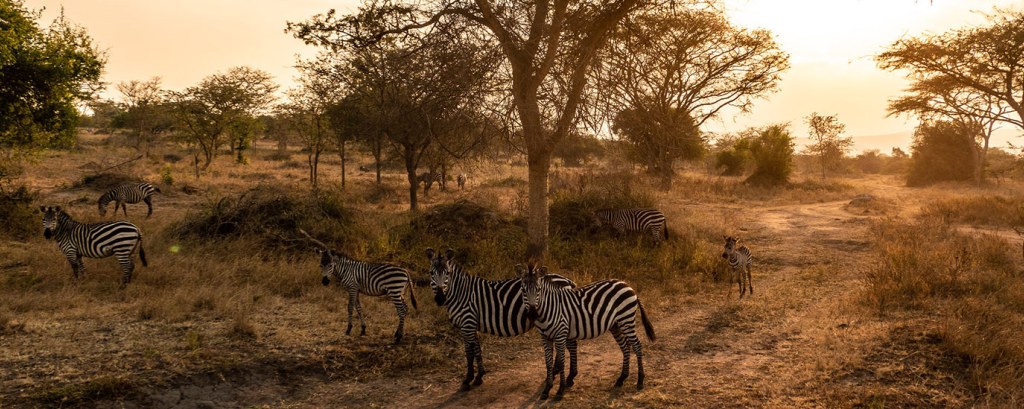
Mountain gorillas in Rwanda are visited in Volcanoes National Park, located in the northwestern part of the country.
The standard international permit costs USD 1,500 per person. Special official rates may apply to eligible visitor categories.
The total activity varies according to the gorillas’ location and the terrain. Visitors should keep most of the day available.
Standard trekking permits normally allow approximately one hour with a habituated gorilla family after it has been located.
The minimum age for standard gorilla trekking in Rwanda is 15 years.
A standard group normally includes no more than eight tourists visiting one habituated gorilla family.
Ranger guides and trackers work to locate habituated families, but sightings cannot be absolutely guaranteed because gorillas move freely in the forest.
No. Visitors must never deliberately touch mountain gorillas. Follow the park’s current separation-distance rules.
Yes. Photography is permitted without flash, subject to ranger instructions.
Gorilla trekking is supervised by trained park personnel. However, visitors must follow instructions because the animals are wild and forest hiking involves natural risks.
Gorilla trekking can continue during rain, subject to park decisions and safety conditions. Waterproof clothing and suitable footwear are recommended.
Older travelers may participate if they meet the applicable requirements and are sufficiently prepared for the physical demands. Individual mobility concerns should be discussed before booking.
A one-day tour may be possible with careful planning, but it requires a very early departure. Staying near the park is generally more comfortable.
Booking four to six months in advance is recommended during popular travel periods, although availability should always be checked for your specific dates.
Popular additions include golden monkey trekking, Mount Bisoke hiking, cultural experiences, Lake Kivu, Nyungwe National Park and Akagera National Park.
Still Have Questions?
Talk to a safari specialist
Plan Lake Kivu family gorilla trekking with advice on family stays, Rwanda gorilla permits, age rules, Volcanoes accommodation…
Read article →Plan a private Lake Ihema and tea plantation tour with Akagera lodges, private game drives, Nyungwe stays, tea…
Read article →Find where to stay near Lake Burera for gorilla photography, Virunga landscapes and convenient access to Rwanda's Volcanoes…
Read article →Plan a mid-range Lake Burera stay with Volcanoes National Park before continuing to Akagera for Rwanda Big Five…
Read article →