
In This Guide
Best Time to Go Gorilla Trekking in Rwanda and Uganda
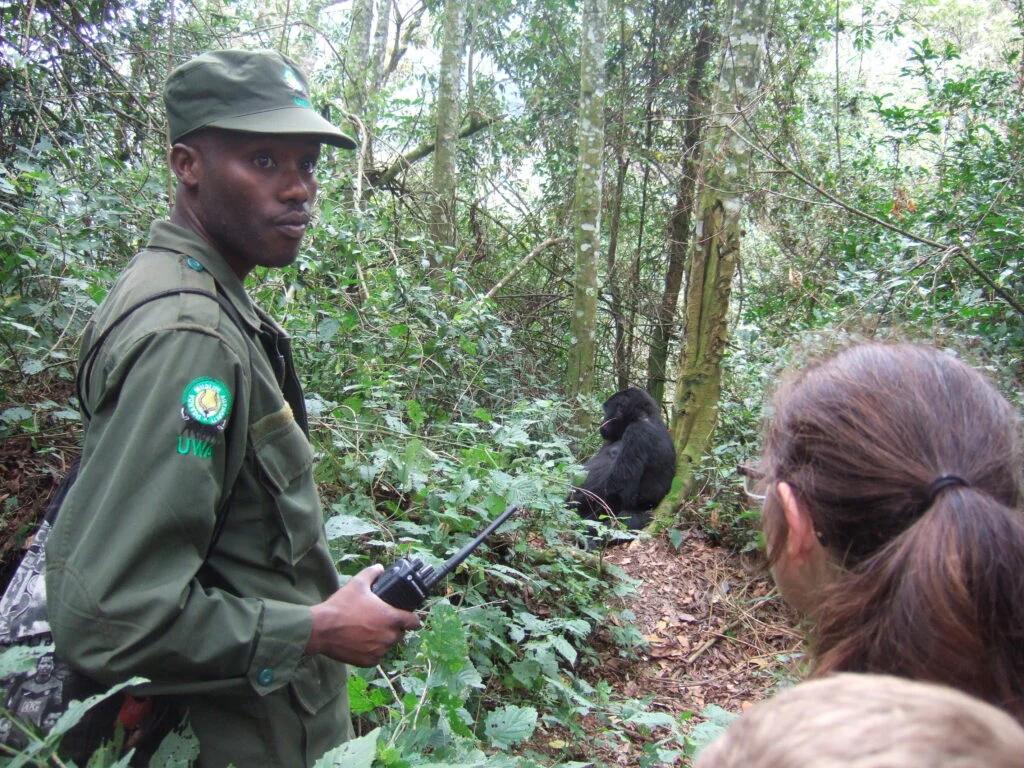
Choosing the best time to go gorilla trekking in Rwanda and Uganda is one of the most important decisions when planning an African gorilla safari. Both countries offer extraordinary opportunities to observe endangered mountain gorillas in their natural forest habitats. However, rainfall, trail conditions, permit availability and accommodation demand can influence the overall experience.
The most popular periods for gorilla trekking are generally June to September and December to February. These months often bring relatively drier conditions to the mountain forests, making some trekking trails easier to navigate. Nevertheless, rain can fall at any time of year, and gorilla trekking remains possible throughout the year.
Rwanda and Uganda provide different trekking environments. In Rwanda, visitors track mountain gorillas in Volcanoes National Park, part of the Virunga Massif. In Uganda, gorilla trekking takes place in Bwindi Impenetrable National Park and Mgahinga Gorilla National Park.
Each destination has its advantages. Rwanda is particularly attractive to travelers seeking convenient access from Kigali, luxury accommodation and shorter itineraries. Uganda offers several trekking sectors, a wider range of accommodation options and opportunities to combine gorilla encounters with chimpanzee trekking and traditional wildlife safaris.
The ideal month depends on your priorities. Travelers concerned about muddy trails may prefer relatively dry periods. Photographers may appreciate the rich greenery and atmospheric mist of the wetter seasons. Visitors seeking potentially better accommodation value may consider traveling outside the busiest months.
Importantly, mountain gorillas can be encountered in every month of the year. They do not undertake a seasonal migration comparable to the wildebeest migration in East Africa. Their daily movements depend on feeding patterns, family behavior and habitat conditions rather than a fixed tourism season.
This comprehensive guide compares the weather and trekking conditions in Rwanda and Uganda throughout the year. It also explains permit prices, the best destinations, seasonal travel costs, photography conditions and practical ways to plan a rewarding gorilla trekking safari.
What Is the Best Time to Go Gorilla Trekking in Rwanda and Uganda?
The best time for gorilla trekking in Rwanda and Uganda is generally during the relatively dry months of June, July, August, September, December, January and February.
These periods are popular because forest trails may be less muddy, rainfall is often lower and conditions can be more comfortable for hiking.
However, the best season is not necessarily the same for every traveler. Those seeking quieter travel periods may prefer the wetter months, while photographers may value the dramatic rainforest scenery created by mist and rainfall.
Best Months for Relatively Dry Trekking Conditions
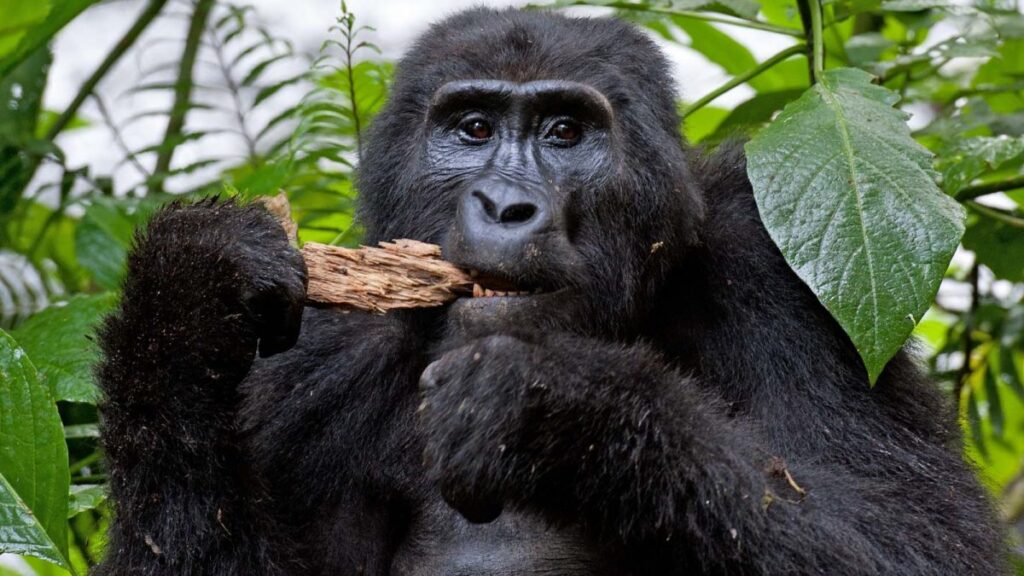
June through September is commonly regarded as the main dry-season travel period. It is especially popular among international visitors combining gorilla trekking with wider East African safaris.
December through February is another attractive period, although rainfall patterns vary between regions and years.
Best Months for Green Rainforest Scenery

March through May and October through November generally experience more rainfall. These periods can create lush vegetation and beautiful forest scenery.
However, trails may become slippery, and visitors should prepare for more demanding walking conditions.
Best Time for Travelers With Limited Days
Travelers with only two or three days may find Rwanda particularly convenient because Volcanoes National Park is relatively close to Kigali.
Uganda is also suitable for short gorilla safaris when the itinerary begins from a convenient regional arrival point or includes appropriate domestic flight arrangements.
Best Time to Book Gorilla Permits

Permit availability is often more important than small differences in monthly weather. Popular trekking dates can sell out well in advance, especially during peak travel periods.
Booking four to six months ahead is advisable for many peak-season departures, while travelers with fixed dates, larger groups or specific accommodation preferences may benefit from arranging permits even earlier.
Dry Season vs Rainy Season for Gorilla Trekking
Rwanda and Uganda have broadly similar seasonal patterns, but rainfall differs according to elevation, forest location and local weather conditions.
Both destinations are tropical and mountainous. Even during the relatively dry season, forest paths may remain damp, and afternoon showers are possible.
Dry-Season Gorilla Trekking: June to September

The June-to-September period is generally associated with lower rainfall and popular travel conditions.
Forest trails may be easier to navigate, although steep terrain, thick vegetation and muddy sections remain possible.
The season is particularly attractive for travelers combining gorilla trekking with wildlife safaris in Uganda, Kenya or Tanzania.
Because demand is high, accommodation and permit availability can be limited. Prices for some lodges may also be higher during popular travel periods.
Shorter Dry Period: December to February
December through February can also provide favorable trekking conditions, although the weather is not consistently dry throughout the entire region.
January and February are popular among travelers seeking a gorilla safari during the northern hemisphere winter.
December holiday travel can be busy, so early booking is recommended.
Long Rainy Season: March to May
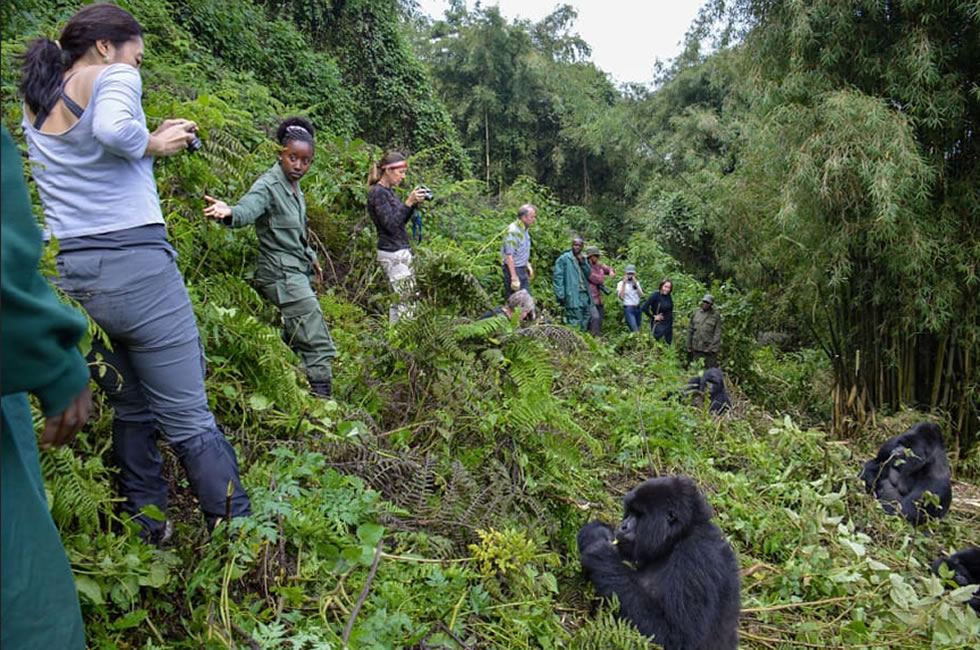
March through May generally brings heavier rainfall to many gorilla trekking areas. Trails can become slippery, and walking through dense vegetation may require additional effort.
Rainforest scenery is often especially green, creating attractive photographic conditions for travelers who enjoy dramatic landscapes.
Although trekking can be more challenging, the gorillas remain in their habitat and official trekking activities continue subject to park conditions.
Short Rainy Season: October to November
October and November often bring additional rainfall to the region. Forest trails may be wet, and mist can affect visibility.
Travelers who are comfortable with unpredictable weather may still enjoy memorable gorilla encounters.
Accommodation availability may be more flexible than during some peak-season periods, but this depends on the property and travel dates.
Does Rain Make Gorilla Trekking Impossible?
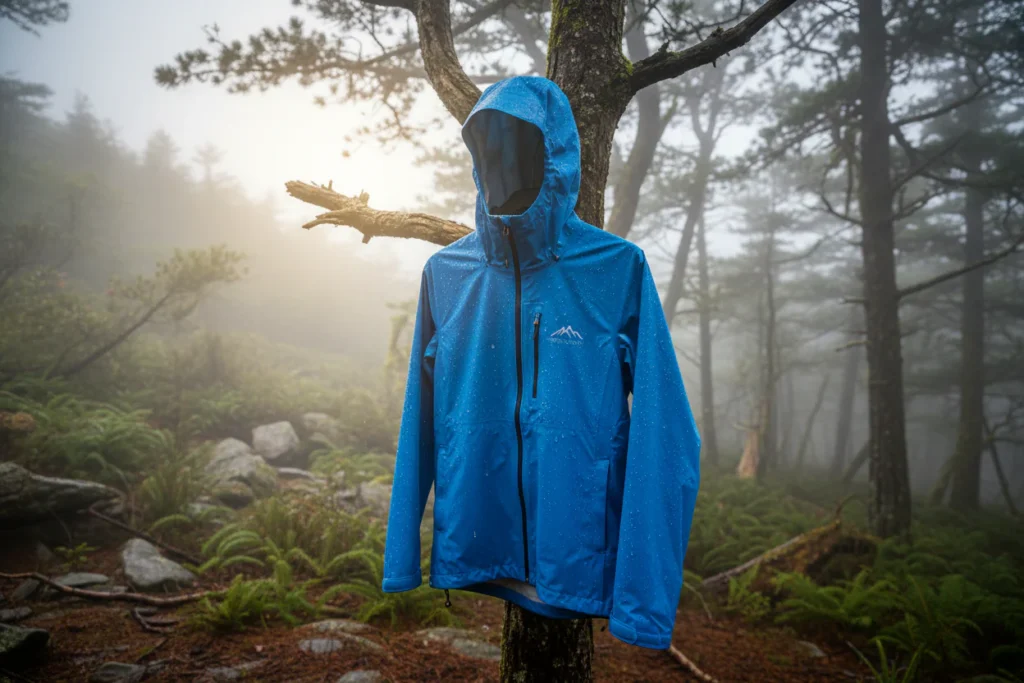
No. Rain is a normal feature of mountain gorilla habitat, and trekking can take place during wet weather.
However, unusually severe conditions may affect particular routes or activity arrangements. Park authorities and ranger guides determine how to manage trekking safely.
Visitors should carry waterproof clothing, suitable boots and a positive attitude toward changing weather conditions.
Best Time for Gorilla Trekking: Month-by-Month Guide
Understanding the typical conditions in each month can help travelers select dates that suit their interests and budget. The following descriptions reflect general seasonal patterns rather than guaranteed weather forecasts.
Gorilla Trekking in January
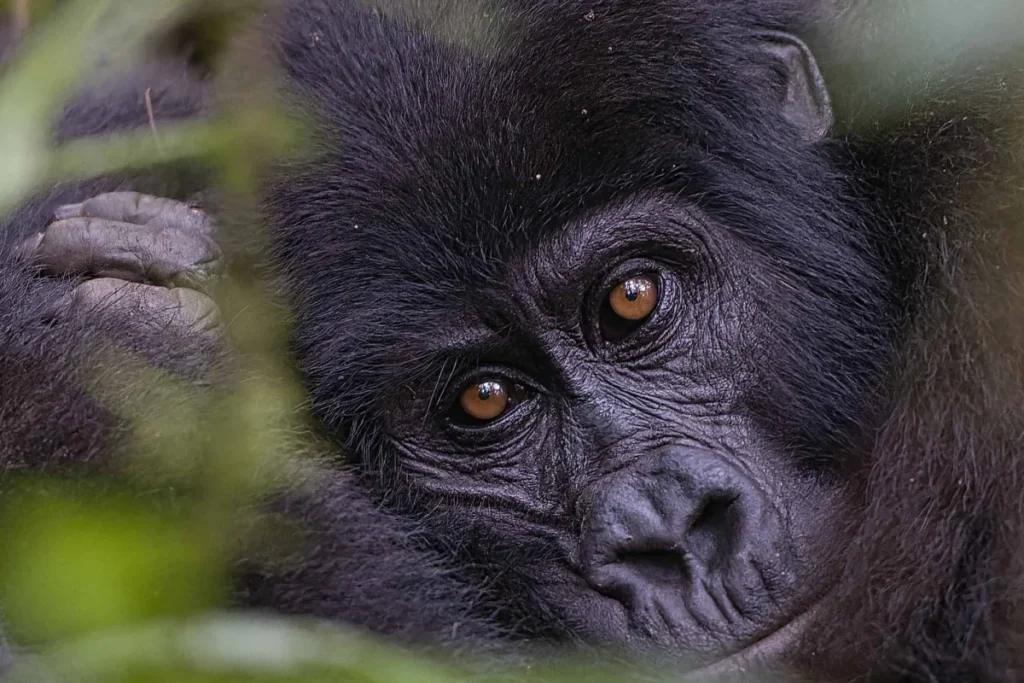
January is often a favorable month for gorilla trekking in Rwanda and Uganda. Rainfall may be relatively lower, and some forest trails can be easier to navigate than during the wetter seasons.
Travelers can combine gorilla trekking with wildlife safaris, cultural experiences and scenic excursions.
Because January is popular for international travel, advance permit and accommodation reservations remain advisable.
Gorilla Trekking in February
February is another attractive month for gorilla trekking. Conditions are often relatively dry, although rain can occur without warning.
It is a suitable period for travelers planning multi-day gorilla safaris and other East African wildlife experiences.
Visitors should still prepare for muddy trails and cool mountain temperatures.
Gorilla Trekking in March
March often marks the beginning of a wetter period. Rainfall may increase, creating slippery forest trails and more challenging hiking conditions.
The forest becomes particularly green, making March attractive to photographers interested in lush landscapes.
Travelers should allow flexibility and bring reliable waterproof equipment.
Gorilla Trekking in April
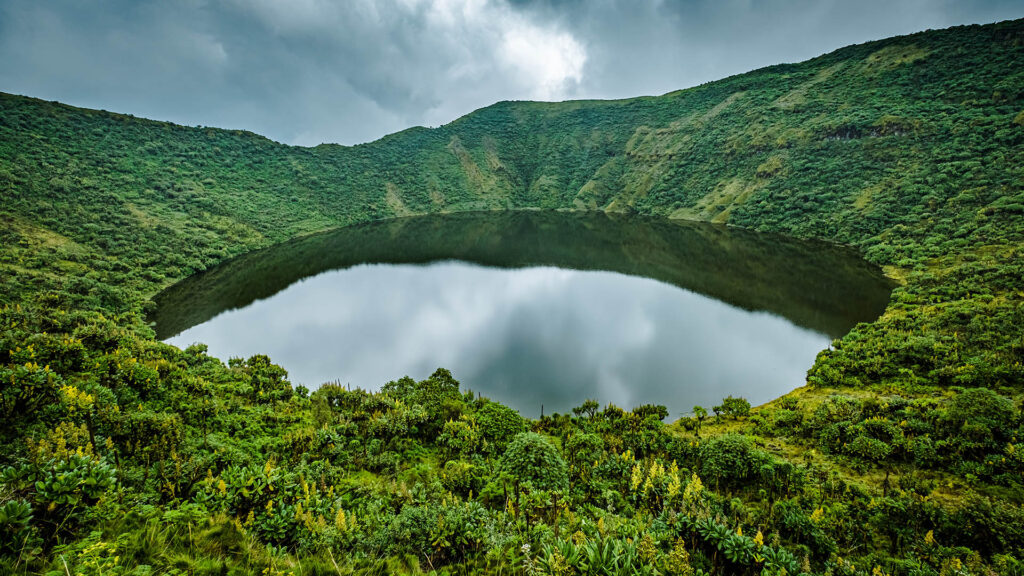
April is generally one of the wetter months in many gorilla trekking regions. Rainfall can make trails muddy and steep slopes more demanding.
However, gorilla trekking remains possible under normal park operations.
April may appeal to travelers who prefer quieter periods and are comfortable with challenging weather conditions.
Gorilla Trekking in May
May often remains wet, particularly during the earlier part of the month. Forest trails may be muddy, but the vegetation is frequently lush and attractive.
As seasonal conditions begin to change, some travelers find late May suitable for planning a safari.
Actual weather varies, so visitors should not assume that rainfall ends on a specific date.
Gorilla Trekking in June
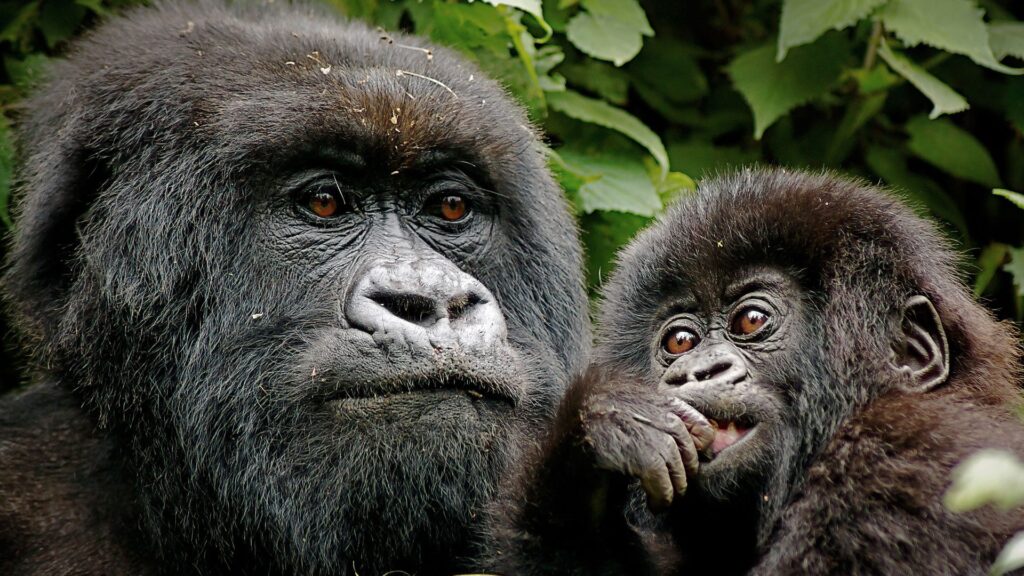
June marks the beginning of one of the most popular gorilla trekking periods. Rainfall often decreases, and trekking conditions may become more comfortable.
Travelers combining gorilla trekking with traditional wildlife safaris frequently choose June.
Permits and popular lodges should be reserved early.
Gorilla Trekking in July

July is among the most popular months for gorilla trekking in both Rwanda and Uganda. Relatively dry conditions often make hiking more manageable.
Demand for permits and accommodation can be high, particularly during school holiday periods.
Travelers with fixed dates should book well in advance.
Gorilla Trekking in August
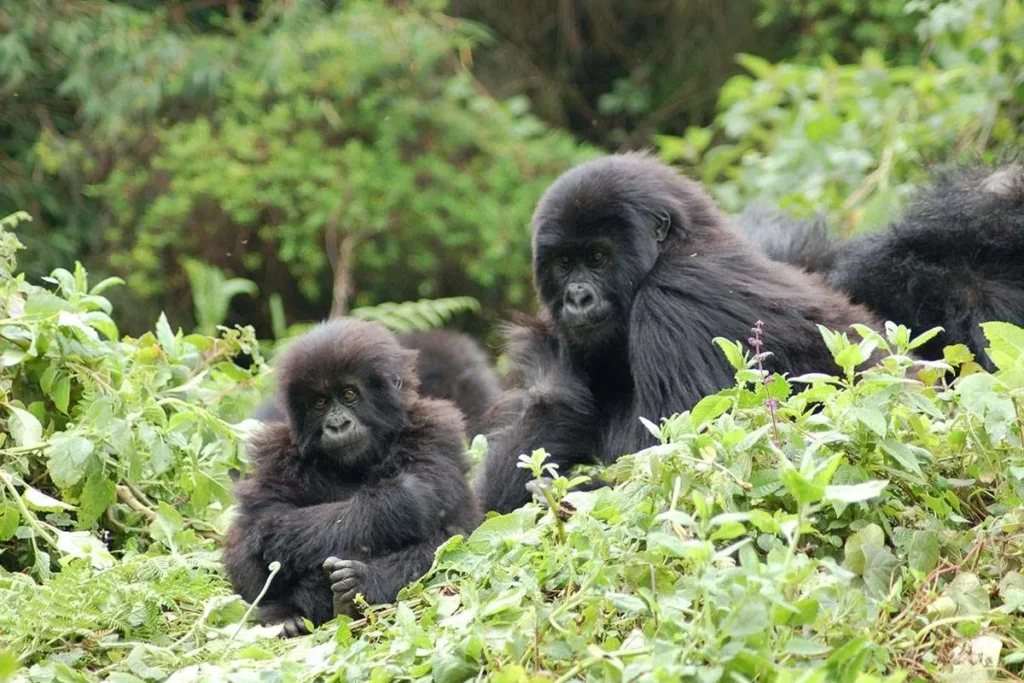
August is another popular month for mountain gorilla encounters. It often provides favorable conditions for combining gorilla trekking with other safari activities.
Forest trails may be relatively easier to navigate, although rain remains possible.
Advance reservations are especially important for travelers planning luxury accommodation or group departures.
Gorilla Trekking in September
September can offer attractive trekking conditions, particularly earlier in the month.
Rainfall may increase toward the transition into the wetter season, depending on the location and year.
Travelers should prepare for variable weather while enjoying the opportunity to explore the forest.
Gorilla Trekking in October
October is generally associated with increasing rainfall. Forest trails can become muddy, and mist may be common.
The scenery is often beautiful, with lush vegetation and dramatic mountain landscapes.
Travelers who are comfortable with wet conditions can still enjoy rewarding gorilla trekking experiences.
Gorilla Trekking in November
November is often a wet month, with frequent rainfall in some trekking areas.
Walking conditions may be more demanding, but the forest remains an impressive destination for wildlife enthusiasts.
Travelers should plan carefully and carry suitable equipment.
Gorilla Trekking in December

December is a popular month for gorilla trekking, particularly during the holiday season.
Rainfall may decrease in some areas, although conditions remain variable.
Because demand can rise sharply around Christmas and New Year, early booking is strongly recommended.
Best Time to Go Gorilla Trekking in Rwanda
The best time for gorilla trekking in Rwanda is generally June to September and December to February. These periods are popular because rainfall is often relatively lower, making the forest trails of Volcanoes National Park more comfortable to navigate.
However, Rwanda’s mountain gorillas live at high elevations in a humid volcanic landscape. Rain, mist and slippery trails are possible throughout the year. Visitors should therefore prepare for mountain weather regardless of their travel month.
Gorilla Trekking in Volcanoes National Park

Volcanoes National Park is Rwanda’s mountain gorilla trekking destination. Located in the country’s northwest, the park forms part of the Virunga Massif, a volcanic mountain system shared with Uganda and the Democratic Republic of Congo.
Visitors normally travel from Kigali to the Musanze or Kinigi region before attending an early morning trekking briefing. The road transfer from Kigali generally takes approximately two to three hours, depending on traffic and the lodge location.
Rwanda’s relatively convenient road access is one of its main advantages. Travelers with limited time can organize a two-day gorilla trekking holiday without undertaking the longer road transfers commonly associated with some Ugandan itineraries.
June to September in Volcanoes National Park
June through September is a popular time to visit Volcanoes National Park. Relatively dry weather can improve walking conditions, although the terrain remains mountainous and physically demanding.
These months are particularly attractive to travelers combining gorilla trekking with golden monkey tracking, the Dian Fossey hike or other mountain activities.
Accommodation around Kinigi and Musanze can experience high demand. Visitors interested in particular luxury lodges should arrange their stay well in advance.
December to February in Rwanda
December through February provides another attractive opportunity for gorilla trekking. Travelers may encounter relatively favorable hiking conditions, although seasonal rainfall remains possible.
January and February can be particularly convenient for international visitors seeking a wildlife holiday during winter in Europe or North America.
The Christmas and New Year period is popular, making early permit reservations important.
Rainy-Season Gorilla Trekking in Rwanda

March through May and October through November are generally wetter periods. Rain can make the volcanic slopes slippery and increase the effort required during trekking.
Nevertheless, gorilla trekking continues throughout the year under normal park operations. The forest becomes exceptionally green, and mist-covered mountain scenery can be beautiful.
Travelers choosing the rainy season should be comfortable walking in wet conditions and should avoid planning their safari around expectations of clear weather.
Additional Activities in Rwanda

A Rwanda gorilla safari can include golden monkey tracking, a visit to the Gorilla Guardians Cultural Village, the Ellen DeGeneres Campus of the Dian Fossey Gorilla Fund or scenic excursions to the Twin Lakes of Burera and Ruhondo.
Travelers with more time can combine Volcanoes National Park with Nyungwe Forest National Park for chimpanzee trekking and Akagera National Park for savannah wildlife viewing.
Best Time to Go Gorilla Trekking in Uganda
The best time for gorilla trekking in Uganda is generally June through September and December through February. These months often provide relatively favorable trekking conditions in Bwindi Impenetrable National Park and Mgahinga Gorilla National Park.
Uganda offers several distinct gorilla trekking locations, making it important to consider both the season and the sector in which your permit is booked.
Gorilla Trekking in Bwindi Impenetrable National Park

Bwindi Impenetrable National Park is Uganda’s best-known gorilla trekking destination. Located in southwestern Uganda, it protects a mountainous forest ecosystem that supports a significant population of endangered mountain gorillas.
Bwindi has four principal tourism sectors: Buhoma, Ruhija, Rushaga and Nkuringo. Each sector has its own accommodation choices, access routes and trekking arrangements.
The terrain varies across the park. Some trekking routes involve steep hills and dense vegetation, while others may be more manageable. The difficulty of any particular trek depends on the location of the assigned gorilla family.
Buhoma Gorilla Trekking Sector
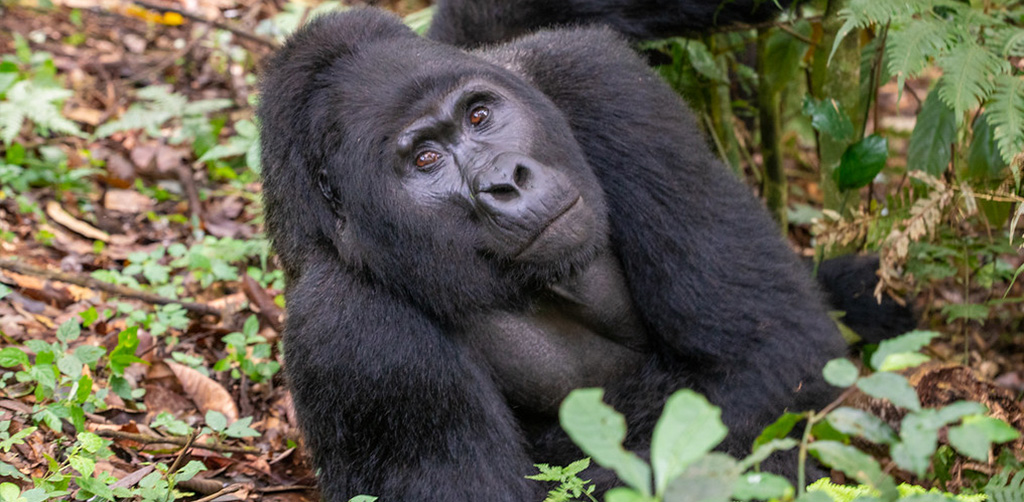
Buhoma is located in the northern part of Bwindi and is one of the park’s established gorilla trekking sectors.
It is commonly included in itineraries connecting Bwindi with Queen Elizabeth National Park through the Ishasha region.
Travelers staying in Buhoma should confirm that their permit is allocated to the same sector. A permit for another part of Bwindi may require a substantial road transfer.
Ruhija Gorilla Trekking Sector
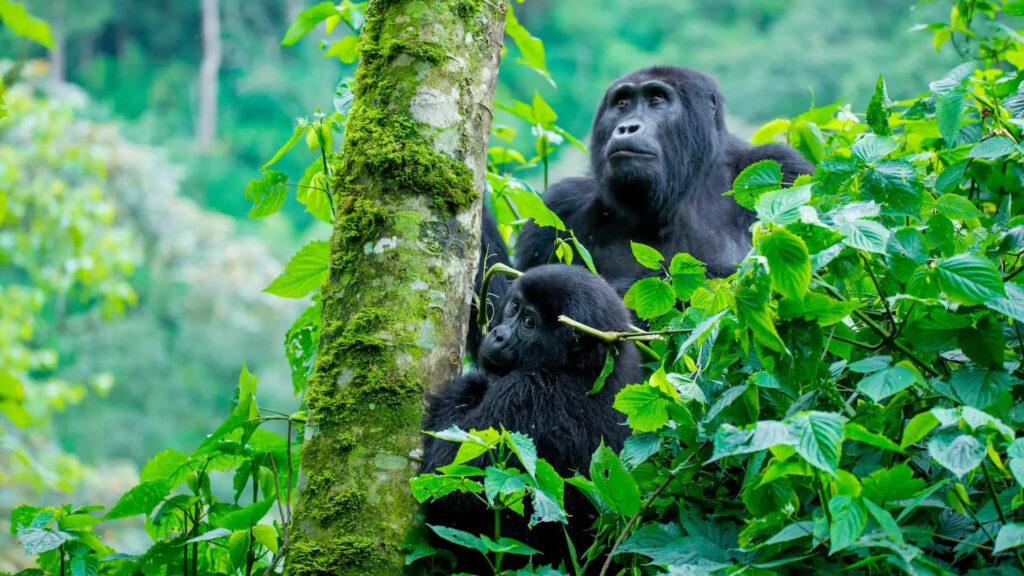
Ruhija is associated with Bwindi’s eastern highlands. Its elevated location can produce cool temperatures, mist and beautiful forest scenery.
The area is attractive to travelers interested in both gorilla trekking and birdwatching.
Even during relatively dry months, hiking routes can be muddy and physically demanding.
Rushaga Gorilla Trekking Sector

Rushaga is located in southern Bwindi and is an important gorilla trekking destination.
The sector is also associated with Uganda’s gorilla habituation experience, which differs from the standard one-hour trekking encounter.
Travelers considering habituation should confirm current permit availability, activity rules and accommodation arrangements well in advance.
Nkuringo Gorilla Trekking Sector

Nkuringo is another southern Bwindi sector, known for its dramatic mountain scenery and demanding terrain.
Some trekking routes can involve steep descents and climbs, making physical preparation especially important.
Visitors should select accommodation that provides practical access to the assigned trekking starting point.
Gorilla Trekking in Mgahinga Gorilla National Park
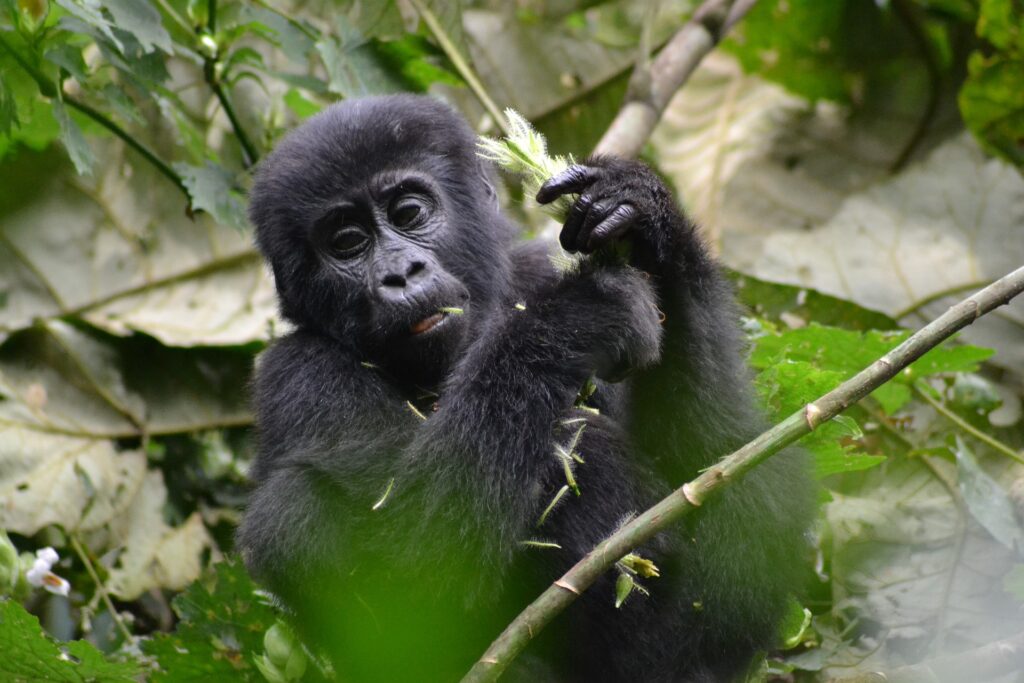
Mgahinga Gorilla National Park lies in southwestern Uganda within the Virunga Mountains. Its volcanic landscape provides a different trekking environment from the dense forest of Bwindi.
Mgahinga is also known for golden monkey tracking and volcano hiking.
Because gorilla trekking capacity is limited, travelers should confirm current permit availability and park arrangements before finalizing their itinerary.
Uganda’s Dry-Season Trekking Experience
June through September is particularly popular for gorilla trekking in Uganda. These months can provide relatively comfortable hiking conditions and are suitable for combining Bwindi with other wildlife destinations.
Many visitors include Queen Elizabeth National Park, Kibale National Park or Lake Bunyonyi in their itineraries.
Because accommodation demand can increase during peak periods, travelers should coordinate their gorilla permits and lodge reservations carefully.
Uganda’s Rainy-Season Trekking Experience
March through May and October through November generally bring additional rainfall. The forest becomes lush, but trekking may involve slippery paths and more difficult climbs.
Travelers who enjoy rainforest scenery may still find the experience rewarding. However, waterproof equipment and realistic expectations are essential.
Some accommodation providers may offer seasonal rates, but these should be verified for the intended dates.
Rwanda vs Uganda Gorilla Trekking: Which Country Is Better?
Choosing between Rwanda and Uganda depends on your travel priorities rather than a simple ranking. Both countries offer regulated encounters with endangered mountain gorillas in their natural habitats.
Which Country Is Easier to Reach?
Rwanda is generally more convenient for short gorilla trekking itineraries because Volcanoes National Park is within a few hours’ drive of Kigali.
Uganda’s Bwindi Impenetrable National Park is farther from Entebbe by road. However, domestic flights to regional airstrips can reduce travel time, and some travelers enter southwestern Uganda from Kigali through an authorized border crossing.
Which Country Has Cheaper Gorilla Permits?
For standard international visitor permits, Uganda is generally less expensive than Rwanda.
Rwanda’s standard gorilla trekking permit costs USD 1,500 per person, while Uganda’s standard foreign non-resident gorilla permit costs USD 800 per person under the applicable published tariff.
Special rates and promotions may apply to eligible visitor categories, but they should be confirmed through official authorities before payment.
Which Country Has Easier Gorilla Trekking?
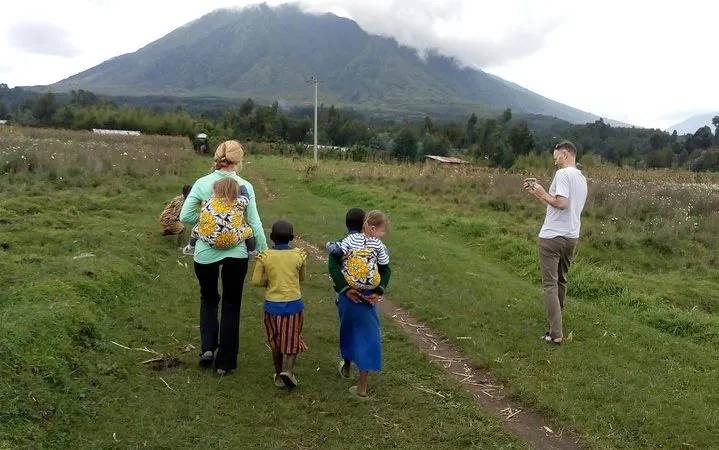
Neither country can guarantee an easy trek. Mountain gorillas move freely, and trekking conditions vary according to terrain, rainfall and the location of the assigned family.
Rwanda’s shorter transfer from Kigali does not necessarily mean the actual forest hike will be easier.
Similarly, Uganda’s different trekking sectors offer varying terrain, but no particular sector guarantees a short walk.
Which Country Is Better for Luxury Travelers?
Rwanda is particularly well known for its concentration of high-end gorilla trekking lodges near Volcanoes National Park.
Uganda also offers luxury accommodation in Bwindi, including forest lodges and premium safari properties.
The best choice depends on lodge preferences, the wider itinerary and the total travel budget.
Which Country Is Better for a Longer Wildlife Safari?

Uganda offers convenient opportunities to combine gorilla trekking with chimpanzee tracking in Kibale, game drives in Queen Elizabeth National Park and other wildlife experiences.
Rwanda also provides a comprehensive itinerary through Volcanoes, Nyungwe and Akagera national parks.
Travelers with sufficient time can combine both countries to experience different gorilla habitats and a wider variety of landscapes.
Gorilla Trekking Permit Prices in Rwanda and Uganda
A valid gorilla trekking permit is required for every visitor participating in a standard gorilla trek. Permits regulate the number of people visiting habituated gorilla families and support the management of these sensitive wildlife encounters.
Rwanda Gorilla Permit Price
The standard international visitor rate for a Rwanda gorilla trekking permit is USD 1,500 per person.
Eligible visitors may qualify for different rates or official promotional arrangements. The exact conditions must be confirmed with the Rwanda Development Board or the authorized booking channel.
Uganda Gorilla Permit Price
The standard foreign non-resident rate for a Uganda gorilla trekking permit is USD 800 per person under the published tariff applicable to the current travel period.
Other rates may apply to foreign residents, East African citizens and other eligible categories. Travelers should confirm the current tariff with the Uganda Wildlife Authority.
Uganda Gorilla Habituation Experience

Uganda also offers a specialized gorilla habituation experience in the Rushaga area of Bwindi, subject to current availability and official regulations.
The experience differs from standard trekking because visitors participate in a longer encounter associated with the habituation process.
The published foreign non-resident permit rate is USD 1,500 per person, but travelers should verify current pricing, participant limits and activity rules before booking.
What Does a Gorilla Permit Include?
A standard permit generally covers participation in the regulated gorilla trekking activity, including the authorized guided encounter and a viewing period of approximately one hour once the family is located.
Accommodation, private transport, meals, visas, tips and porter services should not be assumed to be included.
How Many People Can Visit a Gorilla Family?

Standard gorilla trekking groups are generally limited to a maximum of eight tourists visiting a habituated family during the scheduled encounter.
The limited group size helps reduce disturbance and supports responsible visitor management.
What Is the Minimum Age for Gorilla Trekking?
The minimum age for standard gorilla trekking in both Rwanda and Uganda is 15 years.
Families traveling with younger children should arrange alternative activities and suitable supervision.
When Should You Reserve Gorilla Permits?
For popular travel months, booking at least four to six months ahead is recommended. Larger groups and travelers requiring specific dates may need to plan earlier.
Permit availability is not guaranteed until the reservation has been officially confirmed.
Travelers should review cancellation, rescheduling and refund rules before making payment because gorilla permits can be subject to restrictive conditions.
Are Discounted Gorilla Permits Available?
Official promotions or special allocations may occasionally be available to eligible travelers or operators. These offers can have strict booking windows, travel dates and eligibility requirements.
Do not assume that a promotional permit is available for every traveler or can be transferred to another date.
Visit Rwanda Gorilla can assist with checking applicable permit options for the intended travel dates.
How Weather Affects Gorilla Trekking Difficulty
Weather is one of the main factors influencing the physical difficulty of gorilla trekking in Rwanda and Uganda. However, it is not the only consideration. Forest terrain, elevation, the location of the gorillas and individual fitness also affect the experience.
Muddy Trails During the Rainy Season
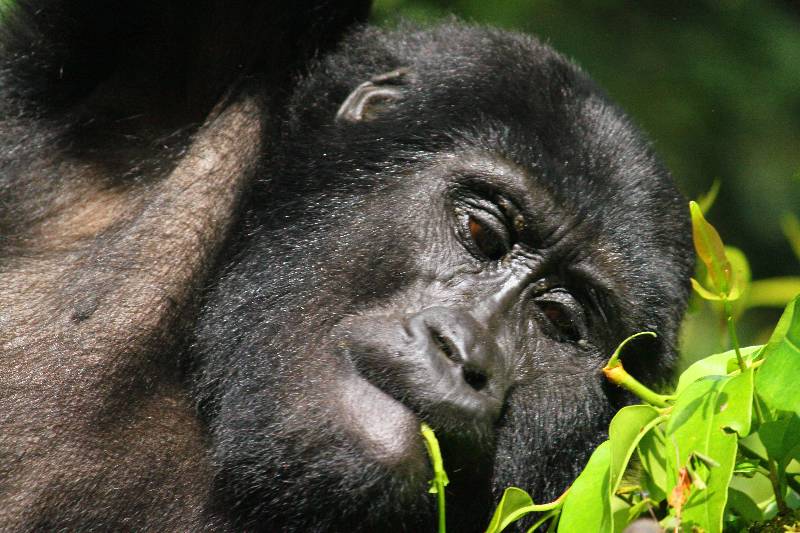
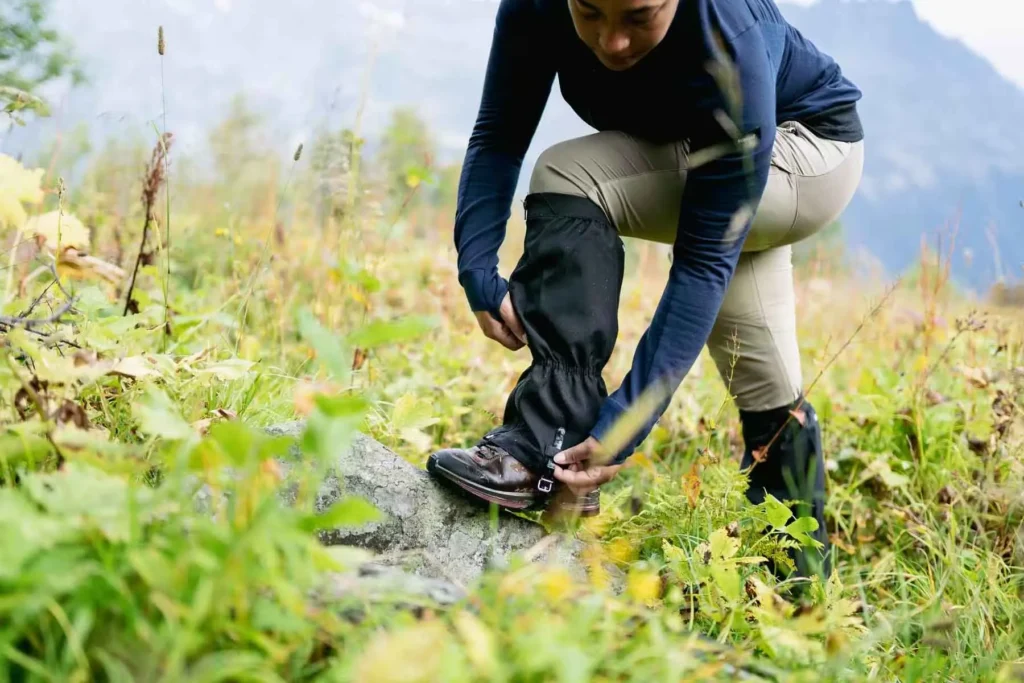
During wetter months, forest trails can become slippery and difficult to navigate. Steep slopes may require extra care, and dense vegetation can make walking more demanding.
Visitors should wear sturdy waterproof hiking boots with good traction and follow their guide’s instructions when crossing difficult sections.
Walking sticks and locally available porter services can provide practical assistance, although they do not remove all physical challenges.
Dry-Season Trekking Conditions
Relatively dry months may provide firmer trails and more comfortable walking conditions.
Nevertheless, the mountain forests remain humid environments, and shaded paths can retain moisture long after rainfall.
Visitors should never assume that a dry-season trek will be short or easy.
Altitude and Physical Fitness
Gorilla trekking takes place in mountainous terrain. Some routes involve substantial elevation changes, which can make walking tiring even for travelers accustomed to regular exercise.
Preparing through walking, hiking and general fitness activities before travel can improve comfort.
Travelers with significant medical or mobility concerns should seek appropriate medical advice and discuss their circumstances with the safari operator before booking.
How Long Does Gorilla Trekking Take?
The time required to locate a gorilla family varies considerably. Some treks involve relatively short walks, while others take several hours.
Trackers monitor the movements of habituated families, but gorillas remain wild animals and can change location overnight.
Visitors should therefore avoid scheduling tightly timed transfers or flights immediately after their trekking activity.
Can Older Travelers Go Gorilla Trekking?
Many older travelers participate successfully in gorilla trekking. Age alone does not determine whether the activity is suitable.
Fitness, mobility, health and the demands of the assigned route are more important considerations.
Travelers requiring additional assistance should discuss available arrangements with their safari operator and the relevant park authorities before travel.
Should You Hire a Porter?
Hiring a porter can be useful during gorilla trekking, especially when carrying a daypack, drinking water, camera equipment and other essentials.
Porters may also provide practical support on muddy or steep sections where permitted.
Using porter services can contribute to local employment around gorilla trekking destinations.
Does the Season Affect Gorilla Sightings and Behavior?
Mountain gorillas live in their forest habitats throughout the year. Unlike migratory savannah animals, they do not leave Rwanda or Uganda according to a fixed seasonal migration pattern.
This means that gorilla trekking is possible in every month, subject to official park operations and safety conditions.
Do Gorillas Move During the Rainy Season?
Gorillas move through their home ranges according to food availability, social behavior and environmental conditions.
Rainfall can influence vegetation growth and feeding opportunities, but it does not create a predictable monthly schedule that guarantees easier sightings.
Experienced trackers help locate habituated families using their knowledge of the animals’ movements.
Are Gorillas Easier to Find During the Dry Season?
There is no reliable guarantee that gorillas will be easier to locate during the dry season.
Dry weather may make hiking more comfortable, but the actual distance to the assigned family depends on its current location.
Visitors should distinguish between favorable walking conditions and the probability of a wildlife encounter.
What Happens During the One-Hour Encounter?
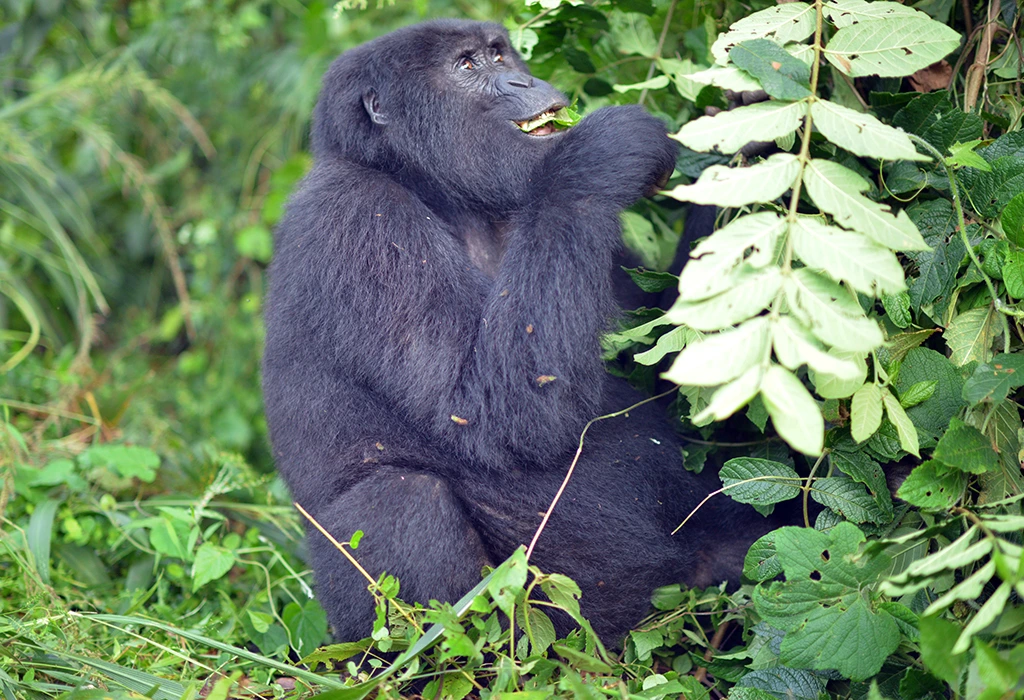
Once the gorilla family is located, standard trekking visitors normally have approximately one hour to observe the animals under ranger supervision.
You may see a silverback resting, females feeding, juveniles playing or infants remaining close to their mothers.
Every encounter is different because the animals behave naturally rather than following a visitor schedule.
Can Gorilla Sightings Be Guaranteed?
Gorilla trekking is carefully organized, and trackers have extensive knowledge of habituated families. However, no responsible operator should guarantee a particular sighting or specific animal behavior.
Travelers should approach the experience as an opportunity to observe endangered wildlife in its natural habitat.
Best Time for Gorilla Photography in Rwanda and Uganda
Gorilla photography is one of the main reasons many travelers visit Rwanda and Uganda. The opportunity to photograph mountain gorillas in their natural forest habitat can produce memorable images, but conditions are challenging.
The forest canopy limits light, weather changes quickly and gorillas may remain partly hidden by vegetation.
Dry-Season Gorilla Photography
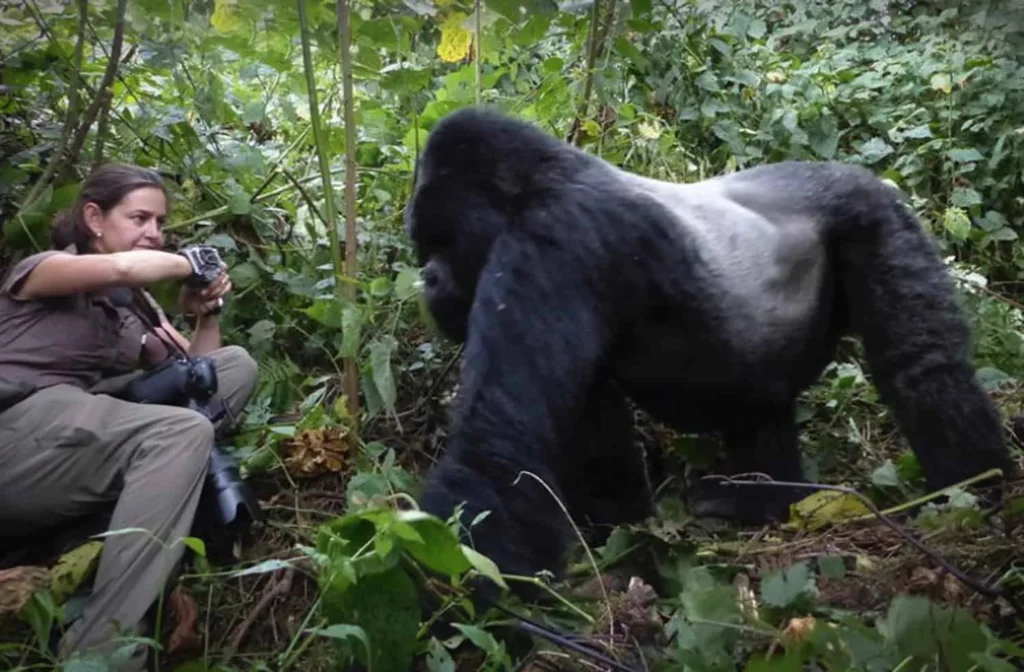
Relatively dry months can provide more comfortable conditions for handling camera equipment and moving through the forest.
However, bright sunlight filtering through the canopy may create strong contrasts between illuminated leaves and shaded animals.
Photographers should be prepared to adjust exposure and work with uneven lighting.
Rainy-Season Gorilla Photography
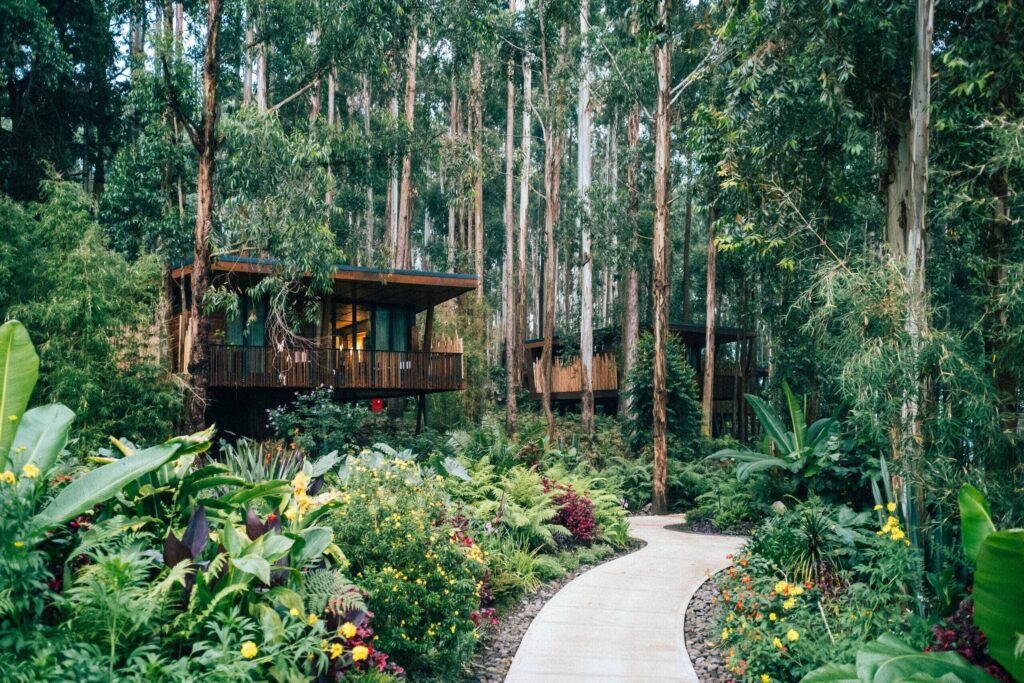
The rainy season can create dramatic images of mist, wet vegetation and lush forest scenery.
Soft cloud-filtered light may be attractive for portraits, although low light can require higher camera sensitivity or careful stabilization.
Protecting equipment from rain and moisture is especially important.
Best Camera Equipment for Gorilla Trekking

A camera capable of working in low light is useful for forest photography. A versatile zoom lens can provide flexibility when the animals move or change position.
Because visitors must maintain the required separation distance, photographers should never move closer to obtain a particular image.
Bring spare batteries, sufficient memory storage and a waterproof camera cover.
Can You Use Flash Photography?
No. Flash photography is prohibited during standard mountain gorilla encounters.
Photographers should use available natural light and follow the instructions of their ranger guide.
Photography Etiquette Around Gorillas
Photography should never take priority over wildlife welfare or visitor safety.
Avoid sudden movements, unnecessary noise and attempts to attract the animals’ attention.
The most meaningful photographs often capture natural behavior without disturbing the gorilla family.
Best Time for Budget, Mid-Range and Luxury Gorilla Safaris
The total cost of a gorilla safari depends on more than the permit. Accommodation, transportation, travel season, group size and additional activities all influence the final price.
Best Time for Budget Gorilla Trekking
Budget-conscious travelers may find more accommodation flexibility outside the busiest months.
However, lower lodge rates are not guaranteed, and the standard gorilla permit cost does not automatically decrease during the rainy season.
Uganda is often attractive to budget travelers because its standard foreign non-resident permit is less expensive than Rwanda’s.
Best Time for Mid-Range Gorilla Safaris
Mid-range travelers can choose comfortable lodges near Volcanoes National Park, Bwindi or Mgahinga.
Traveling outside peak holiday periods may provide a wider choice of rooms, depending on the property.
When comparing quotations, consider the location of the lodge and whether transfers to the assigned trekking sector are included.
Best Time for Luxury Gorilla Trekking
Luxury gorilla safaris are popular throughout the year, particularly in Rwanda’s Volcanoes National Park region and selected areas of Bwindi.
Premium lodges can have limited room capacity, making advance reservations important for peak travel dates.
Travelers planning honeymoons or special occasions should confirm their preferred accommodation before making non-refundable arrangements.
Does the Rainy Season Always Cost Less?
No. Some properties offer seasonal pricing, while others maintain relatively consistent rates.
Gorilla permits are regulated separately from lodge accommodation, and any official permit discounts have specific eligibility and validity conditions.
Travelers should request quotations for their exact dates rather than relying on general claims about low-season savings.
How to Compare Gorilla Safari Quotations
A reliable quotation should specify the gorilla permit, accommodation category, meals, private or shared transport, guiding, park fees and included activities.
It should also explain exclusions such as international flights, visas, travel insurance, personal expenses and tips.
For cross-border Rwanda and Uganda itineraries, verify the applicable immigration arrangements and border crossing requirements.
What to Pack for Gorilla Trekking in the Dry and Rainy Seasons
Suitable clothing and equipment are essential for a comfortable gorilla trekking experience in Rwanda and Uganda.
Because the mountain forests can receive rain throughout the year, visitors should prepare for wet conditions regardless of their travel dates.
Waterproof Hiking Boots
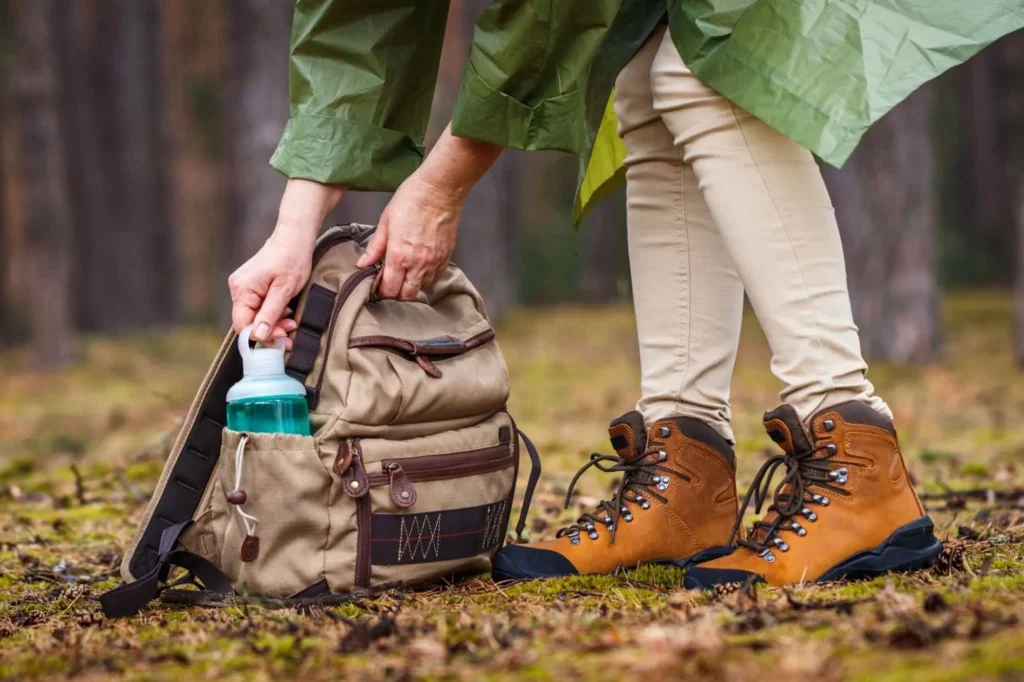
Sturdy waterproof boots with good traction are among the most important items to pack.
They provide support on muddy slopes, uneven trails and forest paths covered with vegetation.
Wear your boots before traveling to ensure they fit comfortably.
Long Trousers and Long-Sleeved Shirts
Long clothing helps protect your skin from insects, scratches and vegetation.
Choose comfortable fabrics that allow movement during steep climbs and long walks.
Waterproof Jacket and Rain Protection
A reliable waterproof jacket is essential even during the relatively dry months.
Carry a waterproof cover for your daypack and protective bags for electronics and documents.
Warm Clothing
Early mornings can be cool in the mountain forests, especially at higher elevations.
A fleece or lightweight warm layer can improve comfort during briefings and rest stops.
Gardening Gloves
Gardening gloves can protect your hands when holding vegetation for balance.
They are particularly useful on steep or muddy trekking routes.
Walking Stick
A walking stick can provide additional stability on uneven ground.
Ask your guide about suitable locally available walking support before beginning the trek.
Drinking Water and Packed Lunch
Carry sufficient water and a packed lunch when advised by your safari operator.
Because the trekking duration is unpredictable, visitors should prepare for several hours outdoors.
Camera and Binoculars
Bring a camera or smartphone with adequate battery capacity and suitable protection from moisture.
Binoculars may be useful for observing birds and other forest wildlife before or after the gorilla encounter.
Dry-Season Packing Considerations
During the relatively dry months, lightweight layers, sun protection and comfortable hiking clothing are useful.
However, waterproof equipment remains essential because forest rain can occur unexpectedly.
Rainy-Season Packing Considerations
During wetter months, prioritize waterproof boots, reliable rain protection and additional dry clothing.
Pack spare socks and protect electronic equipment against moisture.
A small waterproof bag can help keep essential items dry during the trek.
Recommended Gorilla Trekking Safari Itineraries in Rwanda and Uganda
Choosing the right safari itinerary depends on your available time, budget and the wildlife experiences you want to include.
Both Rwanda and Uganda offer short gorilla trekking holidays and longer itineraries combining several national parks.
2 Days Rwanda Gorilla Trekking

A two-day Rwanda gorilla safari is suitable for travelers with limited time. The itinerary generally begins in Kigali, followed by a transfer to Volcanoes National Park and an overnight stay near Musanze or Kinigi.
On the second day, visitors attend the morning briefing and trek to a habituated gorilla family before returning to Kigali.
Explore our 2 Days Rwanda Gorilla Trekking itinerary.
3 Days Rwanda Gorilla Safari
A three-day itinerary allows more time to enjoy Volcanoes National Park and the surrounding region.
Travelers can combine gorilla trekking with a cultural visit, golden monkey tracking or a scenic excursion around the Twin Lakes.
The additional night provides a more relaxed schedule and reduces the pressure of traveling immediately after trekking.
4 Days Uganda and Rwanda Gorilla Trekking
A cross-border itinerary can introduce travelers to the different landscapes of Rwanda and Uganda.
Depending on the confirmed permit arrangements, visitors may trek in one country and enjoy additional attractions in the other.
See our 4 Days Uganda–Rwanda Gorilla Trekking safari.
5 Days Uganda Gorilla and Wildlife Safari
A five-day Uganda itinerary can combine gorilla trekking in Bwindi with wildlife experiences in another destination, depending on the route.
Popular combinations include Queen Elizabeth National Park, Lake Bunyonyi or other attractions in southwestern Uganda.
Travelers should allow sufficient time for road transfers and avoid overcrowding the itinerary.
7 Days Uganda and Rwanda Gorilla Trekking
A seven-day safari provides opportunities to experience different landscapes, cultures and wildlife habitats across the two countries.
The itinerary can include mountain gorilla trekking, scenic lakes and additional primate or wildlife experiences according to the selected route.
Discover our 7 Days Uganda–Rwanda Gorilla Trekking adventure.
12 Days Uganda and Rwanda Safari Adventure
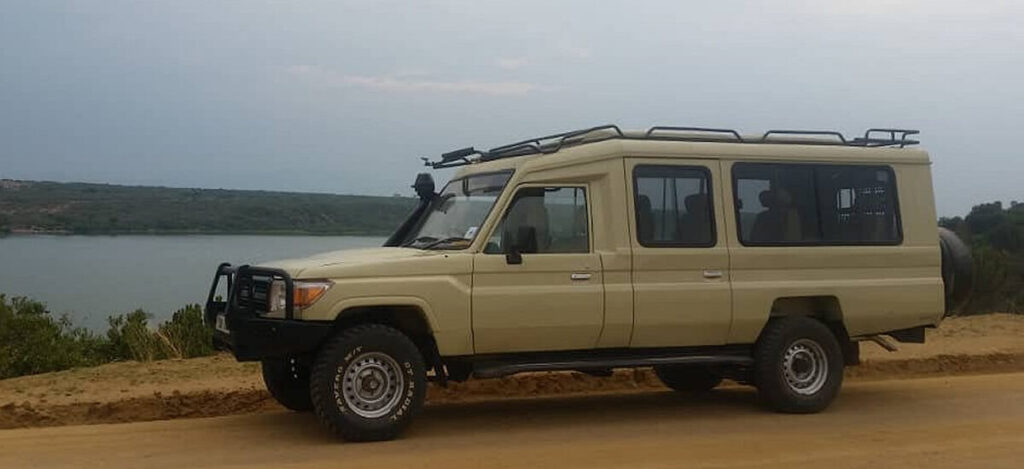
Travelers seeking a comprehensive East African wildlife experience can combine gorilla trekking in Rwanda and Uganda with Queen Elizabeth National Park, Kibale National Park and scenic attractions.
Our 12 Days Uganda–Rwanda Safari Adventure provides inspiration for a longer journey.
Which Itinerary Is Best During the Rainy Season?
During wetter months, itineraries should allow flexibility for muddy roads, longer trekking times and weather-related delays.
Travelers may prefer additional overnight stays near trekking locations rather than tightly scheduled transfers immediately after the activity.
Which Itinerary Is Best During the Dry Season?
Relatively dry months are popular for combining gorilla trekking with game drives, chimpanzee tracking and other outdoor activities.
However, these months can also bring higher demand for permits and accommodation, making early reservations essential.
Important Tips for Booking Gorilla Trekking in Rwanda and Uganda
Confirm Gorilla Permits Before Finalizing the Safari
Gorilla permits are limited and issued for specific trekking dates. Travelers should confirm official availability before committing to non-refundable travel arrangements.
A reputable safari operator can coordinate permits with accommodation and transportation.
Choose Accommodation Near Your Trekking Sector
This is particularly important in Uganda, where Bwindi has several trekking sectors separated by substantial driving distances.
Accommodation should be selected according to the sector specified on the confirmed permit.
Plan for an Early Morning Briefing
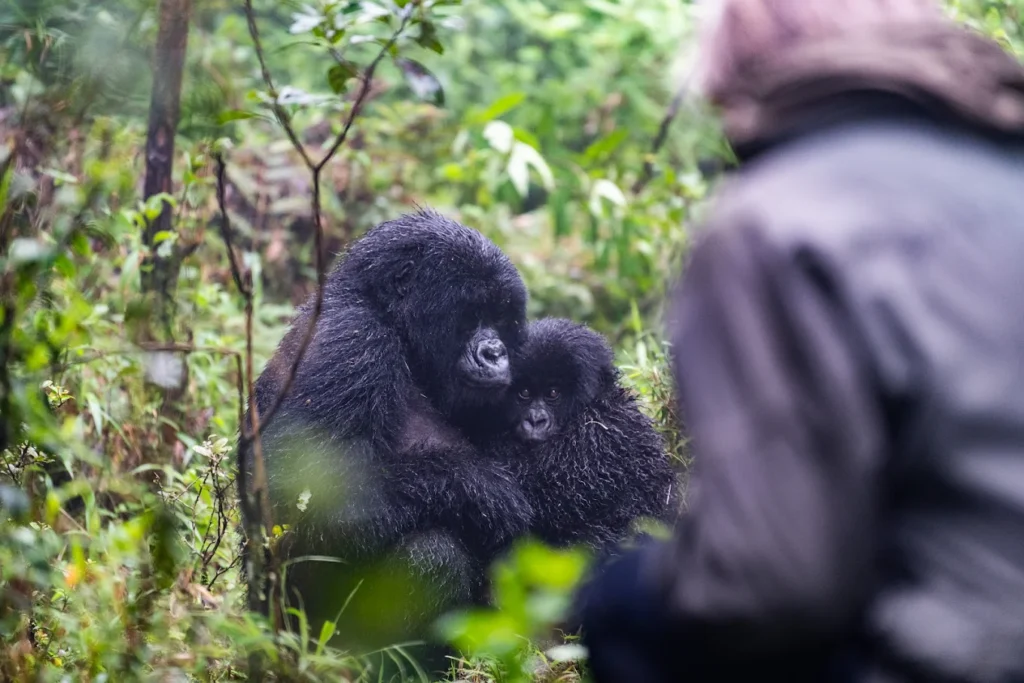
Gorilla trekking normally begins with an early morning briefing. Staying near the designated meeting point the night before is strongly recommended.
Visitors should confirm reporting times and required documents before departure.
Allow Time After Gorilla Trekking
The duration of the forest trek cannot be predicted precisely. Avoid arranging flights or long transfers that depend on an early finish.
An additional overnight stay can provide greater flexibility, particularly on international departure days.
Check Visa and Border Requirements
Travelers visiting both Rwanda and Uganda must confirm immigration requirements for their nationality.
Some travelers may be eligible for an East Africa Tourist Visa, but eligibility, entry rules and current availability should be checked through official immigration channels.
Purchase Appropriate Travel Insurance
Travel insurance should cover the planned destinations and activities, including suitable medical and emergency assistance.
Travelers should review policy exclusions before departure, particularly for hiking or other physically demanding activities.
Communicate Health and Mobility Concerns
Visitors with relevant medical conditions or mobility limitations should discuss their needs before booking.
Gorilla trekking can involve steep terrain, slippery trails and prolonged walking at altitude.
Follow Current Gorilla Health Rules
Mountain gorillas are vulnerable to some human diseases. Visitors should follow all current park health requirements, including applicable distancing and mask rules.
Anyone experiencing symptoms of a potentially contagious illness should inform the safari operator and park authorities before trekking.
Do Not Choose Dates Based on Guaranteed Sightings
No month guarantees an encounter with a particular gorilla family.
Choose your travel dates according to weather preferences, permit availability, accommodation and the wider safari itinerary.
Responsible Gorilla Trekking and Conservation
Mountain gorilla trekking is one of Africa’s most carefully managed wildlife tourism experiences. Its success depends on protecting endangered gorillas while allowing visitors to observe them responsibly.
Why Gorilla Trekking Is Regulated
Mountain gorillas are endangered great apes that require careful protection from habitat disturbance, disease and other threats.
Tourism regulations limit visitor numbers and control the duration of encounters with habituated families.
These measures help reduce unnecessary pressure on the animals.
Maintain the Required Viewing Distance

Visitors must maintain the separation distance required by the relevant park authorities. The commonly cited minimum is seven meters, although current health rules may require greater separation.
If a gorilla approaches unexpectedly, follow the ranger guide’s instructions and do not attempt to touch the animal.
Respect the One-Hour Limit
Standard gorilla trekking visitors normally spend approximately one hour with the assigned family after it has been located.
This restriction helps manage visitor pressure and allows the gorillas to continue their natural activities.
Never Feed or Touch Gorillas
Feeding or touching gorillas is prohibited. These actions can disturb natural behavior and create health risks.
Visitors should avoid sudden movements, loud voices and any attempt to attract the animals’ attention.
Support Local Communities
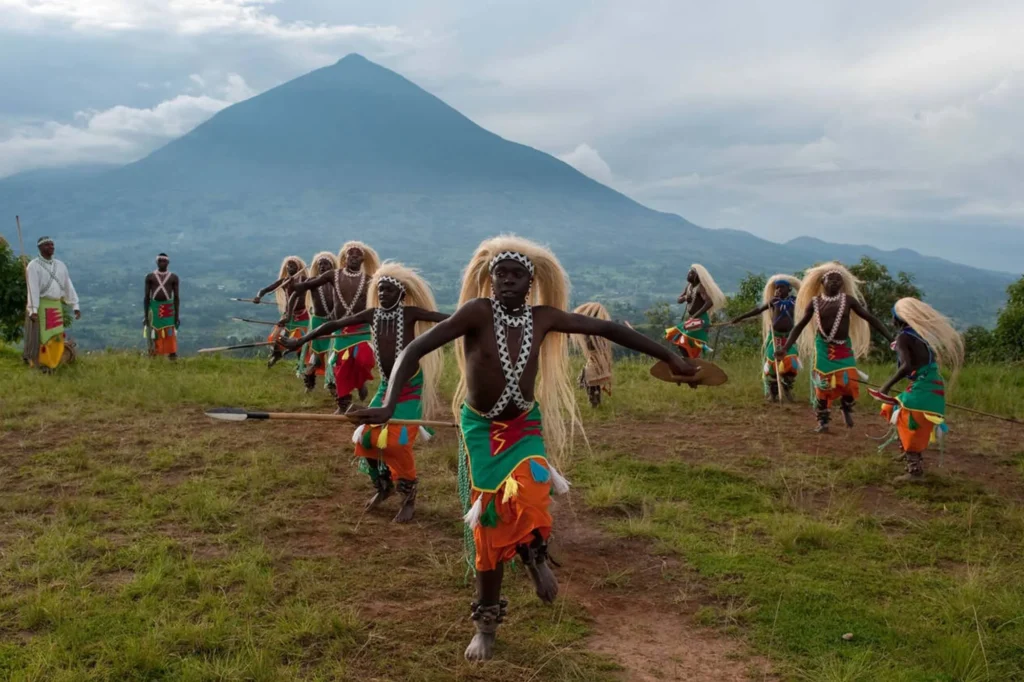
Tourism creates employment opportunities for guides, porters, drivers, accommodation providers and other local businesses.
Choosing responsible services and treating local communities respectfully can contribute to the wider benefits of conservation tourism.
Protect the Forest Environment
Visitors should carry all rubbish out of the forest and avoid damaging vegetation.
Responsible tourism helps preserve the natural habitats that make gorilla trekking possible.
Frequently Asked Questions About the Best Time for Gorilla Trekking
What Is the Best Month for Gorilla Trekking in Rwanda?
June, July, August and September are popular because rainfall is often relatively lower. January and February can also provide favorable trekking conditions.
What Is the Best Month for Gorilla Trekking in Uganda?
June through September and December through February are generally popular periods for gorilla trekking in Uganda.
Can You Go Gorilla Trekking Throughout the Year?
Yes. Gorilla trekking is possible throughout the year in Rwanda and Uganda, subject to official park operations and safety conditions.
Is Gorilla Trekking Better in the Dry Season?
Relatively dry weather can make walking more comfortable, but it does not guarantee easier gorilla sightings or shorter treks.
Is Gorilla Trekking Possible During the Rainy Season?
Yes. Rainy-season trekking is possible, although trails can become muddy and physically demanding.
Which Months Are the Rainiest for Gorilla Trekking?
March through May and October through November are generally wetter periods, although rainfall varies by location and year.
Are Gorilla Sightings Guaranteed in Rwanda?
No. Experienced trackers help locate habituated families, but mountain gorillas remain wild animals and sightings cannot be guaranteed.
Are Gorilla Sightings Guaranteed in Uganda?
No. Uganda’s gorilla trekking experiences involve free-ranging wild animals, so sightings cannot be guaranteed.
How Much Is a Rwanda Gorilla Permit?
The standard international visitor permit costs USD 1,500 per person, subject to official tariff conditions and any applicable eligibility-based rates.
How Much Is a Uganda Gorilla Permit?
The published standard foreign non-resident permit rate is USD 800 per person, subject to the official tariff applicable to the travel date.
Which Country Is Cheaper for Gorilla Trekking?
Uganda generally has the lower standard international gorilla permit price. However, total safari costs also depend on transport, accommodation and the itinerary.
Which Country Is Better for a Short Gorilla Safari?
Rwanda is often convenient for short trips because Volcanoes National Park is relatively close to Kigali.
Which Country Is Better for a Longer Safari?
Both countries offer rewarding longer itineraries. Uganda can combine gorilla trekking with Kibale and Queen Elizabeth National Park, while Rwanda offers Volcanoes, Nyungwe and Akagera national parks.
How Difficult Is Gorilla Trekking?
The difficulty varies according to terrain, weather, fitness and the location of the assigned gorilla family.
How Long Does Gorilla Trekking Take?
The forest trek can take several hours. The time required to locate gorillas cannot be guaranteed in advance.
How Long Can You Stay With Mountain Gorillas?
Standard trekking visitors normally spend approximately one hour observing the assigned habituated family.
What Is the Minimum Age for Gorilla Trekking?
The minimum age for standard gorilla trekking in Rwanda and Uganda is 15 years.
Can Older Travelers Go Gorilla Trekking?
Yes, provided the activity is appropriate for their health and mobility. Travelers should discuss any significant concerns before booking.
What Should I Wear for Gorilla Trekking?
Wear sturdy waterproof hiking boots, long trousers, long sleeves and a waterproof jacket. Gloves and a walking stick can also be useful.
Do I Need a Porter?
A porter is not always mandatory, but porter services can be helpful for carrying equipment and providing practical support on difficult trails.
Can I Take Photographs of Gorillas?
Yes. Photography is permitted under park rules, but flash photography is prohibited and visitors must maintain the required distance.
When Should I Book Gorilla Permits?
Booking four to six months ahead is advisable for popular travel periods. Travelers with fixed dates or larger groups may benefit from booking earlier.
Can I Visit Rwanda and Uganda on the Same Gorilla Safari?
Yes. Cross-border itineraries can combine gorilla trekking with other wildlife and cultural experiences in both countries, subject to permit and immigration arrangements.
Is December a Good Time for Gorilla Trekking?
December can be attractive, particularly during relatively drier conditions. However, holiday demand may be high and rainfall remains possible.
Is July a Good Time for Gorilla Trekking?
Yes. July is one of the most popular months because of relatively favorable weather, but permits and accommodation should be booked early.
Is April a Bad Time for Gorilla Trekking?
April is generally wetter and can be physically challenging, but gorilla trekking remains possible under normal park operations.
How Do I Book a Rwanda or Uganda Gorilla Safari?
Contact Visit Rwanda Gorilla with your intended travel dates, number of travelers, preferred country and accommodation category to request a customized itinerary and quotation.
Book Your Gorilla Trekking Safari in Rwanda and Uganda
Experience one of Africa’s most extraordinary wildlife encounters with a professionally organized gorilla trekking safari in Rwanda or Uganda.
Imagine walking through a mist-covered mountain forest before encountering a family of endangered mountain gorillas. Watch a silverback resting among the vegetation, observe young gorillas playing and discover the remarkable relationships within a wild gorilla family.
Whether you choose the relatively dry months of June through September or prefer the green rainforest scenery of the wetter season, gorilla trekking offers a memorable opportunity to experience Africa’s natural heritage.
At Visit Rwanda Gorilla, we organize private gorilla trekking safaris in Rwanda and Uganda. Our team can assist with checking official permit availability, selecting accommodation and arranging transportation.
We can also combine gorilla trekking with chimpanzee tracking, Big Five game drives, golden monkey encounters, cultural experiences and scenic lake destinations.
Choose a short Rwanda gorilla trekking holiday, a Bwindi safari in Uganda or a longer cross-border adventure featuring the highlights of both countries.
Because gorilla permits are limited, we recommend contacting us early to check your preferred dates before making final travel arrangements.
Plan Your Gorilla Trekking Adventure Today
Send us your intended travel dates, number of travelers, preferred trekking destination and accommodation category. We will help you prepare a personalized safari itinerary and quotation.
Visit Rwanda Gorilla
Website: www.visitrwandagorilla.com
Email: info@visitrwandagorilla.com
WhatsApp: +256 772 446879
Book your Rwanda or Uganda gorilla safari today and discover the unforgettable experience of meeting mountain gorillas in their natural habitat.