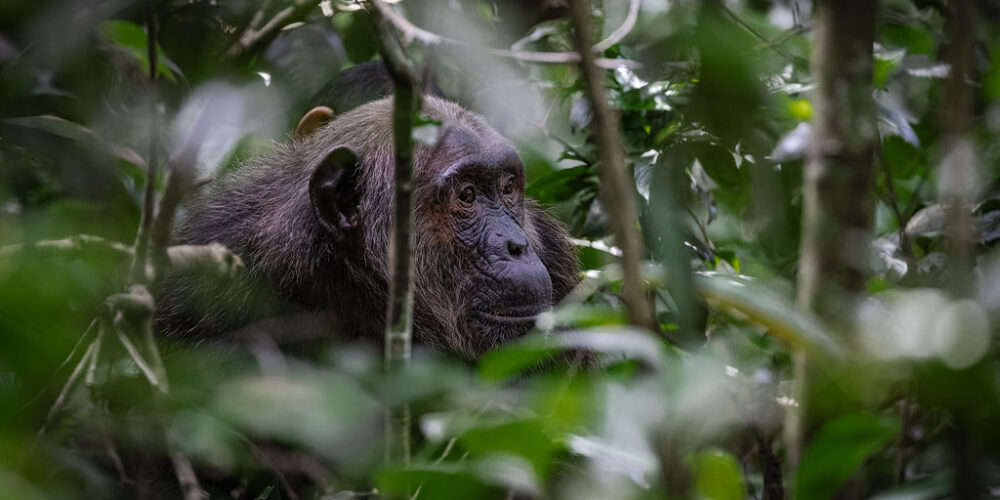

Mountain Gorilla vs Lowland Gorilla: What’s the Difference?
Mountain Gorilla vs Lowland Gorilla: What’s the Difference?
Mountain gorillas and lowland gorillas share many similarities, yet they live in different environments and have developed unique characteristics that help them survive in the wild. Both belong to the gorilla family, the largest living primates on Earth, but they differ in appearance, habitat, behavior, and conservation status.
Understanding these differences not only enriches your appreciation of these remarkable animals but also helps you choose the right destination if you plan to see gorillas in Africa.
Many travelers assume all gorillas are the same until they begin planning a safari. In reality, mountain gorillas and lowland gorillas offer two distinct wildlife experiences.
One inhabits mist-covered mountain forests, while the other thrives in the dense lowland rainforests of Central Africa. Their contrasting environments have shaped how they look, move, and interact with the world around them.
Understanding Gorilla Species
Gorillas belong to the genus Gorilla, which consists of two species: the eastern gorilla and the western gorilla. Each species has two recognized subspecies.
Mountain gorillas and eastern lowland gorillas belong to the eastern gorilla species. Western lowland gorillas and Cross River gorillas belong to the western gorilla species.
Although they share a common ancestor, thousands of years of isolation have allowed each subspecies to adapt to different habitats across Africa.
Today, mountain gorillas receive significant global attention because of their remarkable conservation story and the opportunity to observe them through guided gorilla trekking.
Lowland gorillas, however, occupy much larger forests and often remain hidden from visitors due to the dense vegetation that surrounds them.
What Is a Mountain Gorilla?
Mountain gorillas (Gorilla beringei beringei) live in the high-altitude forests of East and Central Africa. They survive in only two isolated populations. One lives within the Virunga Massif, which stretches across Uganda, Rwanda, and the Democratic Republic of Congo. The other inhabits Uganda’s Bwindi Impenetrable National Park.
Life in cool mountain forests has shaped the mountain gorilla’s appearance. These gorillas have thick, dark fur that helps them stay warm in temperatures that often drop during the night.
Their powerful bodies allow them to climb steep hillsides and move comfortably through rugged terrain.
Unlike many other wildlife species, mountain gorillas spend most of their time on the ground. They build fresh nests every evening using leaves and branches before beginning another day of feeding and social interaction.
Today, conservation programs have helped increase mountain gorilla numbers to more than 1,000 individuals, making them one of the world’s greatest wildlife conservation success stories.
What Is a Lowland Gorilla?
Lowland gorillas occupy the tropical rainforests of Central and West Africa. They include the eastern lowland gorilla, also known as Grauer’s gorilla, and the western lowland gorilla, the most widespread gorilla subspecies.
Eastern lowland gorillas mainly inhabit the eastern Democratic Republic of Congo, particularly in protected areas such as Kahuzi-Biega National Park. Western lowland gorillas range across countries including Cameroon, Gabon, Equatorial Guinea, the Republic of Congo, and the Central African Republic.
The warmer climate of the lowland rainforest has influenced their physical characteristics. Their coats appear shorter and slightly lighter than those of mountain gorillas, while their bodies often look leaner because they move across flatter terrain.
Lowland gorillas also spend much of their lives on the forest floor. However, they climb trees more frequently than mountain gorillas because fruit forms a larger part of their diet.
Physical Differences Between Mountain and Lowland Gorillas
Although both gorillas appear similar at first glance, several physical features distinguish them.
Mountain gorillas have longer and thicker fur, an adaptation that protects them from the cooler temperatures found in montane forests. Their bodies appear broader and more muscular, with large chests and powerful shoulders that help them navigate steep slopes.
Lowland gorillas have shorter coats because they live in warmer tropical forests. Their faces often appear slightly narrower, and they usually have a slimmer build. They also possess longer arms relative to their body size, making climbing easier when searching for fruit in the forest canopy.
Adult silverbacks develop a patch of silver hair across their backs as they mature. Whether they live in mountain or lowland forests, these dominant males lead family groups, protect younger members, and make important decisions about feeding and movement.
Habitat and Distribution
Habitat represents one of the biggest differences between these gorillas.
Mountain gorillas occupy elevations between 2,200 and 4,300 meters above sea level. Their forests remain cool, misty, and rich in bamboo, shrubs, vines, and leafy vegetation. These mountainous environments experience frequent rainfall, creating lush habitats that support a variety of wildlife.
Lowland gorillas inhabit tropical rainforests at much lower elevations. These forests remain warm and humid throughout the year and contain an abundance of fruiting trees, swamps, and dense vegetation.
The differences in climate and vegetation explain many of the physical and behavioral differences between the two gorilla types.
Behavior and Family Life
Despite their impressive size, gorillas are peaceful and highly social animals. They live in stable family groups led by a dominant silverback that protects the group and guides its daily activities.
A typical gorilla family includes females, infants, juveniles, and one or more younger males. Family members spend much of the day feeding, resting, grooming, and interacting with one another.
Mountain gorillas rely heavily on leaves, stems, bamboo shoots, and other vegetation found in high-altitude forests. Because food remains available throughout the year, they usually travel relatively short distances each day.
Lowland gorillas consume a more varied diet that includes leaves, shoots, bark, seeds, and large amounts of seasonal fruit. As fruit availability changes, they often travel farther through the forest in search of food.
Although their diets differ slightly, both gorilla types play an essential role in maintaining healthy forest ecosystems by dispersing seeds and encouraging plant regeneration.
Conservation Status
Both mountain and lowland gorillas face serious conservation challenges, although the threats differ across their ranges.
Mountain gorillas have experienced a remarkable recovery thanks to decades of conservation investment, anti-poaching patrols, veterinary care, scientific research, and responsible tourism.
Carefully managed gorilla trekking has become one of the strongest examples of how tourism can support wildlife conservation.
Lowland gorillas continue to face greater pressure from habitat destruction, illegal mining, disease outbreaks, and poaching. Large sections of their habitat remain difficult to monitor because of their remote location and political instability in some regions.
Conservation organizations continue to work closely with governments and local communities to protect gorilla populations while promoting sustainable livelihoods for people living near protected forests.
Where Can You See Mountain and Lowland Gorillas?
Mountain gorillas can be observed through guided trekking experiences in Bwindi Impenetrable National Park and Mgahinga Gorilla National Park in Uganda, Volcanoes National Park in Rwanda, and Virunga National Park in the Democratic Republic of Congo when tourism operations are available.
Lowland gorillas are much more difficult to observe in the wild because they inhabit larger and denser forests. Eastern lowland gorillas can be tracked in Kahuzi-Biega.
National Park in the Democratic Republic of Congo, while western lowland gorillas are occasionally seen through specialized wildlife tours in countries such as the Republic of Congo and Gabon.
For most travellers, mountain gorilla trekking remains the most accessible and rewarding gorilla experience because tourism infrastructure is well developed and conservation programmes are carefully managed.
Which Gorilla Experience Is Better?
The answer depends on the type of adventure you hope to enjoy.
Mountain gorilla trekking offers close encounters in spectacular mountain forests under the guidance of experienced trackers. The experience is highly organized and provides excellent opportunities for wildlife photography while directly supporting conservation efforts.
Lowland gorilla tracking appeals to experienced travellers seeking a more remote and less conventional adventure. These expeditions often require greater flexibility because sightings can be more challenging, and tourism infrastructure remains less developed.
For first-time visitors to Africa, mountain gorilla trekking provides the most reliable opportunity to observe gorillas in their natural habitat. The combination of conservation success, breathtaking scenery, and professional guiding makes it one of the world’s finest wildlife experiences.
Plan Your Safari
Whether you choose to encounter mountain gorillas in Uganda or Rwanda or explore the rainforests that shelter lowland gorillas in the Democratic Republic of Congo, every gorilla safari contributes to the protection of one of our closest living relatives.
Planning our journey with an experienced safari operator ensures that permits, accommodation, transportation, and park logistics come together smoothly.
More importantly, your visit supports conservation programs that protect gorillas, preserve fragile ecosystems, and improve the livelihoods of communities living alongside these remarkable animals.
A gorilla encounter lasts only an hour, but the memories and the impact of your visit can last a lifetime.