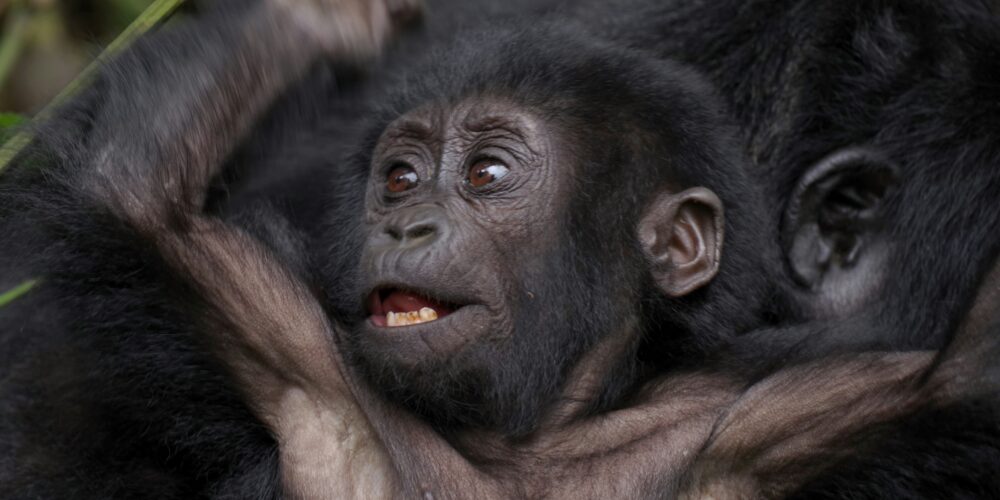

Bwindi vs Virunga Gorilla Trekking
Bwindi vs Virunga Gorilla Trekking: Which Destination Offers the Better Gorilla Experience?
Gorilla trekking offers one of the world’s most remarkable wildlife encounters. Deep in the forests of East and Central Africa, visitors have the rare opportunity to spend time near mountain gorillas in their natural environment.
Bwindi Impenetrable National Park in Uganda and Virunga National Park in the Democratic Republic of Congo are two important destinations for mountain gorilla trekking. Both parks protect endangered mountain gorillas and support vital conservation efforts.
However, the experience in each destination feels very different. Bwindi offers a rainforest adventure with excellent trekking opportunities, more established tourism services, and a wide range of accommodation choices. Virunga provides a more remote and adventurous experience inside Africa’s oldest national park, surrounded by dramatic volcanic landscapes.
Choosing between Bwindi and Virunga depends on your travel style, comfort level, budget, and the type of gorilla adventure you want.
Bwindi Impenetrable National Park: Uganda’s Gorilla Paradise
Located in southwestern Uganda, Bwindi Impenetrable National Park protects one of the largest remaining populations of mountain gorillas. The ancient rainforest covers steep hills and valleys, creating a unique environment where gorillas thrive.
The forest earned its name from the dense vegetation that creates a dark and mysterious atmosphere beneath the canopy. During a trek, visitors move through thick forest trails while searching for signs of gorilla activity.
Bwindi offers a true wilderness experience. The journey through the forest becomes part of the adventure, with visitors encountering beautiful landscapes, bird species, butterflies, and other forest wildlife along the way.
The park has four main trekking sectors: Buhoma, Ruhija, Rushaga, and Nkuringo. Each sector provides access to different gorilla families and offers unique accommodation options.
This flexibility makes Bwindi suitable for different types of travelers, from those seeking shorter treks to visitors looking for deeper rainforest exploration.
Virunga National Park: Congo’s Wild Gorilla Destination
Virunga National Park in the Democratic Republic of Congo is Africa’s oldest national park and one of the most diverse protected areas on the continent.
Located near the borders of Uganda and Rwanda, Virunga protects mountain gorillas within the spectacular Virunga Mountains. The park is famous for its volcanic landscapes, including the active Nyiragongo Volcano.
Gorilla trekking in Virunga offers a more remote and adventurous experience. The forests feel less developed compared to Uganda’s Bwindi, giving visitors a stronger sense of exploration.
The park’s conservation history is remarkable. Despite facing challenges, Virunga continues to protect mountain gorillas through dedicated ranger teams and conservation programs.
For travellers seeking an off-the-beaten-path experience, Virunga provides a unique opportunity to explore one of Africa’s most fascinating wilderness areas.
Gorilla Permit Prices: Bwindi vs Virunga
The cost of gorilla trekking differs between Uganda and the Democratic Republic of Congo.
A gorilla trekking permit in Bwindi Impenetrable National Park costs US$800 per person for foreign non-residents. The permit allows visitors to spend one hour with a habituated gorilla family alongside professional guides and trackers.
Virunga National Park offers one of the most affordable mountain gorilla trekking experiences in Africa. The permit price has traditionally remained lower than in Uganda and Rwanda, making it attractive to budget-conscious travelers.
However, Virunga permit availability and operations can change depending on conservation conditions, security situations, and park management decisions.
For travellers comparing value, Bwindi provides a more predictable experience with established tourism infrastructure, while Virunga offers affordability combined with a more adventurous setting.
Accessibility and Travel Experience
Getting to Bwindi
Bwindi is accessible through Uganda’s main international gateway, Entebbe International Airport.
The journey from Entebbe to Bwindi usually takes between eight and ten hours by road. Although the drive is long, it introduces visitors to Uganda’s beautiful countryside, including hills, villages, farms, and scenic landscapes.
Travellers can also choose domestic flights from Entebbe to nearby airstrips, reducing travel time and increasing comfort.
Uganda’s established safari network makes it easy to combine gorilla trekking with other destinations such as Queen Elizabeth National Park, Kibale Forest, and Murchison Falls.
Getting to Virunga
Virunga is usually accessed through the city of Goma in the eastern Democratic Republic of Congo. Travellers often enter through Rwanda and cross the border from Kigali into Goma.
The journey requires careful planning because border procedures, security updates, and park operations can affect travel arrangements.
Unlike Bwindi, Virunga requires visitors to consider additional logistics, including transport arrangements and local security conditions.
For travellers seeking convenience and smoother planning, Bwindi generally provides an easier option.
Trekking Experience and Difficulty
Both Bwindi and Virunga require physical preparation because gorilla trekking involves hiking through natural forest environments.
Bwindi’s terrain can be challenging due to steep slopes, thick vegetation, and changing weather conditions. Some treks last several hours depending on the location of the gorilla family.
However, Uganda’s trekking system provides flexibility. Guides consider visitor fitness levels when assigning gorilla groups, helping create a more suitable experience.
Virunga also involves forest hiking, but the experience often feels more remote. The terrain varies depending on where gorilla families move, and visitors should prepare for a true wilderness adventure.
Both destinations reward travelers with unforgettable encounters, but Bwindi generally offers a more organized trekking experience.
Gorilla Families and Availability
Bwindi protects a large number of habituated gorilla families spread across different trekking sectors. This gives visitors more choices when planning their safari.
The availability of different sectors also allows travellers to select locations based on their itinerary, accommodation preference, and travel route.
Virunga protects several habituated gorilla families within the park. The experience feels more exclusive because visitor numbers remain lower compared with some other gorilla destinations.
However, Bwindi provides more consistent tourism operations due to its larger network of trekking areas and accommodation facilities.
Accommodation Options
Bwindi offers a wide range of accommodation choices around its different sectors. Visitors can find comfortable forest lodges, boutique camps, and high-quality properties close to trekking locations.
The variety allows travellers to choose accommodation that matches their budget and preferred level of comfort.
Virunga offers unique lodge experiences, including accommodation within or near the park. Staying in Virunga provides a strong connection to the wilderness and the surrounding volcanic landscape.
However, accommodation choices remain more limited compared with Bwindi due to the park’s remote location and developing tourism infrastructure.
Wildlife and Safari Extensions
Bwindi combines well with Uganda’s wider safari destinations. Visitors can add chimpanzee trekking in Kibale Forest, wildlife viewing in Queen Elizabeth National Park, or boat cruises along the Kazinga Channel.
This makes Uganda ideal for travellers who want a complete East African safari experience.
Virunga offers exceptional biodiversity beyond gorillas. The park protects chimpanzees, forest elephants, hippos, and many bird species. Visitors can also explore the famous Nyiragongo Volcano when conditions allow.
Virunga provides more specialized adventure experiences, while Bwindi connects more easily with classic safari routes.
Conservation and Community Impact
Both Bwindi and Virunga play important roles in protecting mountain gorillas.
In Uganda, gorilla tourism supports conservation through permit revenue, community programs, and employment opportunities. Local communities benefit from tourism-related businesses and conservation partnerships.
Virunga’s conservation story represents one of Africa’s most challenging protection efforts. Rangers work under difficult conditions to protect wildlife and maintain the park’s natural resources.
By choosing either destination, travelers contribute to the survival of mountain gorillas and support the communities surrounding these protected areas.
Bwindi vs Virunga: Which Gorilla Trekking Destination Is Better?
Bwindi and Virunga offer two different styles of gorilla trekking.
Bwindi is ideal for travellers who want a reliable, well-established gorilla safari with more accommodation options and easier connections to other wildlife destinations. The ancient rainforest creates an unforgettable trekking environment, while Uganda’s wider safari experiences add more value to the journey.
Virunga appeals to adventurous travellers who want something more remote and less traditional. The combination of mountain gorillas, volcanic landscapes, and Africa’s oldest national park creates a unique experience.
For first-time gorilla trekkers or travellers seeking smoother logistics, Bwindi remains the stronger choice. For experienced adventurers looking for a rare and unconventional journey, Virunga offers an extraordinary opportunity.
Both destinations provide the same reward: an unforgettable encounter with mountain gorillas and a chance to support their protection.
Plan Your Safari
A successful gorilla trekking experience begins with proper planning. Gorilla permits remain limited, and choosing the right destination helps create a smoother journey.
Bwindi and Virunga both offer incredible opportunities to connect with mountain gorillas. Your final decision should consider your travel expectations, available time, comfort preferences, and interest in adventure.
Whether you choose Uganda’s ancient rainforest or Congo’s wild volcanic landscape, gorilla trekking remains one of Africa’s most powerful wildlife experiences.