
Loango National Park
Loango National Park
Loango National Park in Gabon stands out as one of Africa’s most visually striking and ecologically diverse protected areas. It stretches along the Atlantic coastline where dense rainforest meets sandy beaches, open savannah, lagoons, and mangrove swamps. This rare combination creates a landscape that feels almost surreal, often described as “Africa’s last Eden.”
Unlike many traditional safari destinations, Loango does not follow predictable patterns of wildlife viewing. Elephants walk along beaches, buffalo graze near crashing waves, and hippos sometimes move between lagoon systems and ocean-facing channels. The park offers a raw and unpredictable wilderness experience that remains far from mass tourism circuits.
Location and Landscape
Loango National Park sits in western Gabon along the Atlantic Ocean, covering a vast area of coastal forest and wetland ecosystems. The park forms part of the larger network of protected areas in Gabon, a country known for its high forest cover and low human population density.
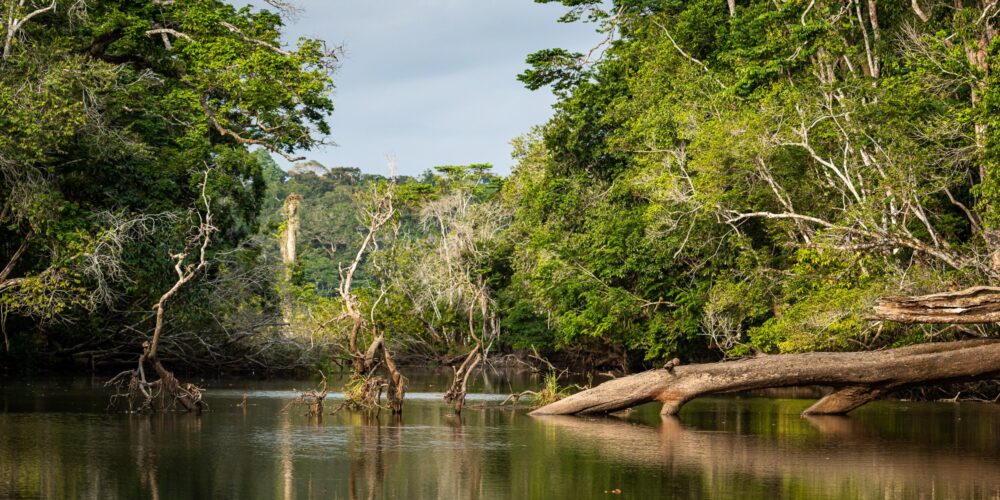
The landscape changes constantly across short distances. Thick rainforest dominates inland areas, while open grasslands and savannah patches appear closer to the coast. Lagoons cut through the terrain, creating a complex water system that supports both freshwater and marine-influenced species.
One of the most unique aspects of Loango is its coastline. Long, empty beaches stretch for kilometers, often without any human presence. Behind these beaches, forest edges rise quickly, creating a dramatic meeting point between ocean and jungle.
Wildlife Diversity
Loango National Park supports an extraordinary range of wildlife due to its mixed ecosystems. Forest elephants move through dense vegetation and frequently emerge onto beaches, especially during early mornings and late afternoons. Their presence along the Atlantic shoreline remains one of the park’s most iconic sights.
Buffalo also inhabit the savannah and forest edges, often forming large herds that move between grazing areas. Their behavior differs slightly from savannah buffalo due to the mixed terrain they navigate.
Hippos in Loango show unusual behavior compared to other regions. They sometimes travel through coastal lagoons and can even appear in ocean waters near river mouths. This rare adaptation highlights the park’s unique ecological structure.
Primates also thrive in the park’s forests. Chimpanzees, mandrills, and various monkey species move through the canopy and understory. Mandrills, in particular, stand out due to their vibrant facial coloration and strong social structure.
Birdlife adds further richness to the ecosystem. Coastal birds, forest species, and wetland specialists all coexist within the park’s overlapping habitats.
The Famous “Surfing Elephants”
Loango gained global attention for its “surfing elephants” phenomenon. Forest elephants regularly walk onto empty beaches and interact with shallow waves. They move calmly along the shoreline, sometimes bathing in saltwater or crossing sandy stretches that border the Atlantic Ocean.
This behavior reflects Loango’s unique geography. Few places in the world allow large terrestrial mammals to interact so directly with ocean environments. The elephants do not surf waves in a literal sense, but their presence along surf zones creates one of Africa’s most iconic wildlife images.
Ecosystems Within One Park
Loango functions as a mosaic of ecosystems rather than a single habitat type. Rainforest, savannah, mangrove, lagoon, and coastal systems overlap within short distances. This diversity supports high biodiversity and creates dynamic wildlife movement patterns.
Mangrove forests play an important ecological role by stabilizing coastlines and supporting fish breeding grounds. Lagoons provide safe water habitats for hippos and aquatic birds. Savannah patches offer grazing grounds for herbivores, while rainforest areas support primates and forest-dwelling species.
This ecological variety makes Loango one of the most complex and productive national parks in Central Africa.
Wildlife Behavior and Safari Experience
Safaris in Loango feel very different from traditional East African game drives. Wildlife encounters happen in open, quiet environments with few vehicles and minimal human presence. Animals often appear relaxed because they experience limited disturbance.
Game drives, boat safaris, and guided walks all form part of the experience. Boat safaris through lagoon systems allow close observation of hippos, birds, and forest edges. Walking safaris provide a slower, more intimate connection with the environment.
Beach safaris remain the most distinctive activity. Seeing elephants or buffalo against the backdrop of crashing waves creates a surreal contrast that defines Loango’s identity.
Conservation and Protection Efforts
Loango National Park forms part of Gabon’s broader conservation strategy, which emphasizes large-scale ecosystem protection. The government has invested heavily in maintaining forest cover and reducing deforestation compared to many other African countries.
Anti-poaching patrols operate within the park to protect elephants, primates, and other wildlife species. Conservation organizations also support research programs that monitor animal movement and ecological changes across the region.
Despite its protection status, Loango still faces challenges. Illegal hunting, logging pressures in surrounding areas, and climate-related changes affect long-term ecosystem stability. However, Gabon’s national conservation policies continue to support strong protection frameworks.
Best Time to Visit Loango National Park
Loango remains accessible year-round, but seasonal changes influence wildlife visibility and movement.
The dry season offers easier access to roads and better visibility for wildlife viewing. During this time, animals often gather near open areas and water sources, increasing chances of sightings along beaches and savannah zones.
The wet season transforms the park into a greener, more dynamic environment. Forests become denser, and wildlife disperses more widely. Some areas may become more difficult to access due to rainfall, but the landscape becomes extremely lush and vibrant.
Each season offers a different perspective of the park, depending on travel preferences.
Accommodation and Wilderness Lodges
Loango offers a small selection of eco-luxury lodges that focus on blending comfort with wilderness immersion. These lodges often sit between forest and lagoon environments, offering direct access to wildlife-rich areas.
Accommodation emphasizes privacy, sustainability, and close connection to nature. Open-air designs, wooden structures, and minimal environmental impact define the architectural approach.
Guests often enjoy guided activities directly from their lodges, reducing travel time and maximizing wildlife exposure. The limited number of lodges also helps maintain Loango’s low-impact tourism model.
Why Loango Feels Different from Other African Parks
Loango stands apart because it breaks the typical safari expectation. It does not rely on large predator densities or predictable game viewing circuits. Instead, it offers raw ecological diversity and unexpected wildlife behavior.
The combination of ocean, forest, and savannah within a single protected area creates constant variation. No two game drives feel the same, and wildlife encounters often happen in surprising contexts.
This unpredictability defines Loango’s identity. It appeals to travelers seeking wilderness rather than structured safari experiences.
Conclusion
Loango National Park represents one of Africa’s most extraordinary natural landscapes. Its blend of rainforest, savannah, lagoons, and coastline creates a unique ecosystem where wildlife moves freely between environments.
From elephants walking along the Atlantic shoreline to hippos navigating coastal waters, Loango delivers safari moments found nowhere else on the continent. Its conservation success, ecological diversity, and remote location make it one of Africa’s most important wilderness areas.
For travelers seeking a truly off-the-beaten-path safari experience, Loango offers a rare combination of beauty, unpredictability, and untouched nature.