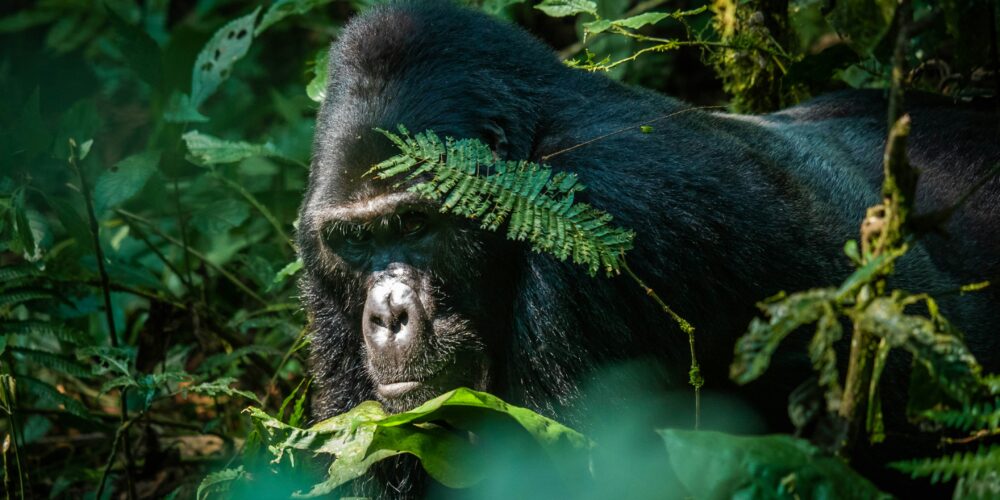

Gorilla Families for Beginners
Gorilla Families for Beginners: How Gorilla Groups Work in the Wild
Gorilla families form the core of gorilla life in the wild. Every movement, feeding decision, and social interaction revolves around the group structure. Unlike many animals that live in loose herds, gorillas build stable family units with clear leadership, strong emotional bonds, and long-term relationships.
In the forests of Uganda, Rwanda, and the Democratic Republic of Congo, gorilla families follow predictable social patterns. Each group operates like a close-knit community led by a dominant silverback, supported by adult females, juveniles, and infants. Understanding these families helps beginners appreciate gorilla behavior during trekking experiences and wildlife observation.
What a Gorilla Family Really Is
A gorilla family is not defined by blood relations alone. Instead, it refers to a social group made up of one dominant silverback, several adult females, and their offspring. Some groups may also include younger males who have not yet left to form their own families.
These groups function as long-term social units. Members eat together, travel together, rest together, and protect one another. The stability of the group depends heavily on the silverback’s leadership and the cooperation of adult females.
Unlike human families, gorilla groups remain flexible. Individuals may leave or join different groups over time, especially females seeking better reproductive opportunities or safer environments.
The Role of the Silverback
The silverback male serves as the leader, protector, and decision-maker of the group. His role is central to the survival and stability of the family.
He determines movement patterns, choosing when the group feeds, rests, or travels to new areas. He also protects the group from external threats such as rival males or potential predators.
Silverbacks maintain order within the group by calming conflicts and controlling social tension. Their presence alone often prevents aggression between group members.
As they age, silverbacks gain experience and authority. Strong leadership often results in larger, more stable groups with better survival success.
Adult Females and Their Importance
Adult females play a critical role in gorilla family structure. They are responsible for reproduction, nurturing infants, and maintaining social bonds within the group.
Females often form strong relationships with one another through grooming and shared care of young gorillas. These relationships help stabilize the group and reduce conflict.
Females also influence group choice. In many cases, a female may leave one group and join another, often selecting a silverback that offers better protection or social stability.
Their decisions directly shape group composition and long-term structure.
Infants and Juveniles in the Family
Infants represent the most vulnerable and emotionally dependent members of the gorilla family. They rely entirely on their mothers for nutrition, warmth, and protection during the early stages of life.
As they grow, infants begin to explore their surroundings and interact with other group members. This transition marks the beginning of learning through observation and play.
Juveniles bring energy and activity into the group. They spend most of their time playing, climbing, and interacting socially. These behaviors help them develop strength, coordination, and communication skills needed for adulthood.
Juveniles also learn group rules through experience, including boundaries and social hierarchies.
Young Males and Group Departure
Young male gorillas eventually leave their birth group as they approach adolescence. This natural process prevents inbreeding and supports genetic diversity across populations.
After leaving, young males may live alone or join bachelor groups consisting of other non-dominant males. This stage can last several years before they attempt to form or take over a family group.
This period of independence is challenging, as lone males must avoid conflict with dominant silverbacks while searching for opportunities to establish their own families.
How Gorilla Families Move Together
Gorilla families move as a unit through the forest. The silverback usually leads or stays near the front or center of the group, ensuring safety and direction.
Movement depends on food availability, environmental conditions, and group needs. Gorillas do not follow fixed routes but instead adjust daily based on resources and comfort.
During movement, mothers carry infants, while juveniles walk independently but remain close to adults. The group maintains cohesion through vocal communication and constant awareness of each other’s positions.
Communication Within the Family
Gorilla families rely heavily on communication to maintain harmony. They use vocal sounds such as grunts, hoots, and roars to signal different emotions or warnings.
Body language also plays an important role. Posture, facial expressions, and gestures help communicate intent without aggression.
Grooming strengthens bonds and reduces tension between members. It acts as both a social and emotional tool within the group.
This communication system allows gorilla families to function smoothly even in dense forest environments where visibility is limited.
Conflict and Resolution in Gorilla Families
Although gorilla families are generally peaceful, conflicts occasionally occur. These often involve competition for attention, minor disputes over space, or social hierarchy interactions.
The silverback usually resolves conflict by stepping in or displaying dominance without physical violence. His presence alone often restores order.
Grooming and calming behavior also help resolve tension between individuals. This reduces long-term stress and maintains group stability.
Why Gorilla Families Matter for Conservation
Understanding gorilla families is essential for conservation efforts. Each group represents a carefully balanced social system that supports survival and reproduction.
Disrupting a group can have serious consequences, especially if the silverback is lost or the group becomes fragmented. Conservation programs focus on protecting entire families rather than individual animals.
Tourism in national parks also depends on stable gorilla families. Habituated groups allow controlled visitation while ensuring minimal stress to the animals.
Gorilla Families During Trekking Experiences
For visitors, encountering a gorilla family during trekking offers a rare and powerful wildlife experience. Each group behaves differently depending on personality, structure, and level of habituation.
Some families remain calm and relaxed, continuing feeding or grooming while tourists observe quietly. Others may appear more cautious, especially if they have less exposure to human presence.
The experience highlights the complexity of gorilla social life and the importance of respecting their space during observation.
Conclusion
Gorilla families form one of the most structured and emotionally connected social systems in the animal kingdom. Each member plays a specific role, from the protective silverback to nurturing mothers and playful juveniles.
Their survival depends on cooperation, communication, and strong social bonds. Understanding how these families work helps beginners appreciate gorilla behavior more deeply and highlights the importance of protecting their natural habitats.
Gorilla families are not just groups of animals. They are living communities shaped by trust, leadership, and long-term social connection.