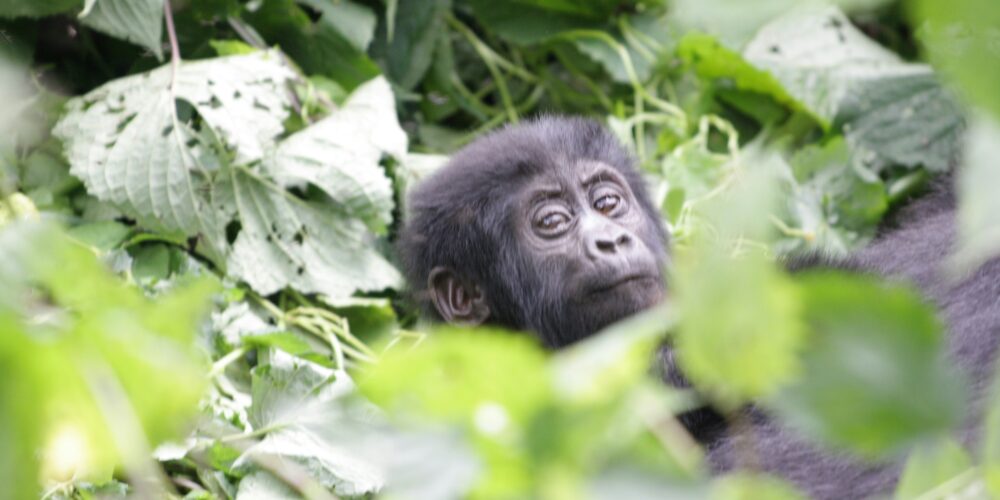

Gorilla Grooming
Gorilla Grooming.
Gorilla grooming is one of the most important social behaviors in gorilla life. It goes far beyond cleanliness. Grooming strengthens relationships, reduces tension, and reinforces trust within a group. In the forests of Uganda, Rwanda, and the Democratic Republic of Congo, grooming plays a quiet but powerful role in maintaining harmony among gorillas.
Unlike many assumptions, gorillas do not rely heavily on grooming for hygiene alone. Their thick fur and forest environment make it impractical as a primary cleaning method. Instead, grooming functions mainly as a social tool that shapes group stability and emotional balance.
What Gorilla Grooming Really Means
Grooming in gorillas involves carefully picking through another gorilla’s fur using fingers and sometimes lips. Individuals remove dirt, dead skin, insects, and plant debris, but the act itself carries deeper meaning.
Each grooming session communicates trust. When one gorilla allows another to groom it, it shows acceptance and social comfort. This behavior strengthens bonds between mothers and infants, mates, siblings, and even unrelated group members.
Grooming also helps establish and maintain hierarchy. High-ranking individuals often receive more grooming attention, while lower-ranking members may initiate grooming as a sign of respect or social connection.
Social Bonding Through Grooming
Grooming plays a central role in building and maintaining social relationships. Within gorilla groups, individuals rely on grooming to reinforce emotional connections and reduce social tension.
Mothers groom their infants frequently, strengthening attachment and providing comfort. Juveniles engage in grooming during play sessions, which helps build friendships and cooperation skills.
Adult females often groom each other to maintain alliances, especially in groups with multiple females. These relationships influence stability within the troop and reduce conflict over resources or attention.
Even silverbacks participate indirectly in grooming networks. While they are less likely to groom others extensively, they often receive grooming from females and juveniles, reinforcing their leadership role within the group.
Grooming and Conflict Reduction
Gorilla groups live in close social proximity, which naturally creates occasional tension. Grooming helps reduce this tension before it escalates into conflict.
After minor disagreements, grooming often serves as a reconciliation behavior. One gorilla may approach another and begin grooming to restore calm and rebuild trust.
This behavior helps maintain group stability without physical confrontation. Instead of aggression, gorillas rely on grooming as a peaceful method of communication and emotional regulation.
Hygiene Benefits of Grooming
Although social bonding is the primary purpose, grooming also provides hygiene benefits. Gorillas remove parasites, dirt, and debris from their fur during grooming sessions.
The dense forest environment exposes gorillas to insects, plant matter, and moisture. Grooming helps manage these external elements and supports skin health.
However, gorillas do not depend on grooming for survival-level hygiene. Their adaptation to forest life allows them to remain healthy even without frequent cleaning behaviors.
Grooming Between Mothers and Infants
The strongest grooming relationships often appear between mothers and their infants. Mothers groom their young frequently, not only for hygiene but also for emotional comfort and bonding.
Infants also begin to groom their mothers as they grow older. Although their technique is clumsy at first, this behavior marks an important stage in social development.
This early grooming interaction teaches infants how to build trust and interact socially within the group. It also strengthens their bond during critical developmental stages.
Grooming Among Juveniles
Juveniles engage in grooming as part of their play and learning process. Grooming sessions between young gorillas often shift between playful interaction and serious social bonding.
These interactions help juveniles develop social awareness. They learn how to read reactions, respect boundaries, and build cooperative relationships.
Grooming among juveniles also reduces minor conflicts that arise during play or competition, helping maintain group harmony during active developmental stages.
Grooming in Adult Relationships
Adult gorillas use grooming to maintain long-term social stability. Female gorillas in particular rely on grooming networks to strengthen alliances within the group.
These relationships can influence group cohesion and even reproductive success. Strong grooming bonds between females often lead to more stable group structures.
Males receive grooming more frequently than they give it. This reflects social hierarchy, where silverbacks hold authority but still rely on social bonding to maintain group unity.
The Silverback’s Role in Grooming Dynamics
The silverback plays a unique role in grooming systems. He is the protector and leader of the group, and grooming interactions around him reflect his status.
Females and juveniles often groom the silverback as a sign of respect and social bonding. This reinforces his leadership position while also maintaining calm within the group.
Although silverbacks groom others less frequently, they tolerate grooming from group members and use their presence to stabilize social dynamics.
Grooming and Emotional Regulation
Gorillas show clear emotional responses during grooming. The behavior often leads to visible relaxation, reduced tension, and calm social interactions.
Facial expressions, body posture, and vocalizations during grooming sessions reflect comfort and trust. This emotional regulation helps maintain peaceful group life in close forest environments.
Grooming also helps gorillas transition between activities, such as feeding and resting, by reducing stress levels within the group.
Differences Between Captive and Wild Grooming Behavior
In wild gorilla populations, grooming occurs naturally as part of daily social life. It follows flexible patterns based on group needs and environmental conditions.
In captive settings, grooming behavior may appear more frequent due to limited space and increased social proximity. However, the core purpose remains the same: bonding and social regulation.
Wild grooming behavior reflects more complex environmental influences, including movement, feeding schedules, and group dynamics shaped by forest life.
Conclusion
Gorilla grooming is far more than a hygiene routine. It functions as a powerful social system that builds trust, reduces conflict, and strengthens relationships within gorilla groups.
From mother-infant bonding to adult alliances and silverback leadership dynamics, grooming shapes the emotional and social structure of gorilla society. It helps maintain harmony in complex groups that live closely together in dense forest environments.
Understanding grooming behavior offers deeper insight into gorilla intelligence, emotional awareness, and the importance of social bonds in their survival.