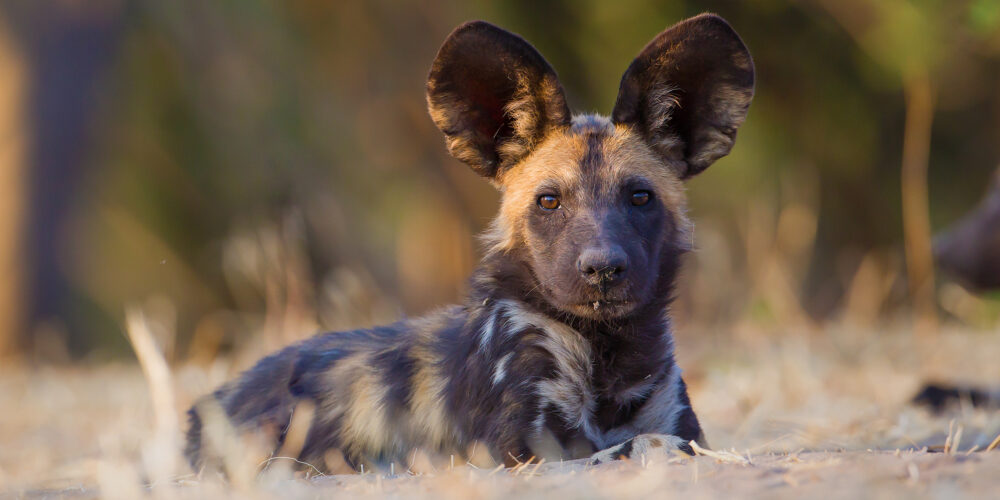

African Wild Dog Conservation
African Wild Dog Conservation: Protecting Africa’s Painted Wolves
African wild dog conservation plays an important role in protecting one of Africa’s most endangered carnivores. The African wild dog has a distinctive coat, complex social system, and strong hunting ability.
Despite their ecological importance, wild dogs face serious threats across their range. Habitat loss, disease, human conflict, and fragmented populations continue to affect their survival.
Conservation programs now combine habitat protection, community partnerships, disease management, and wildlife monitoring.
What Are African Wild Dogs?
African wild dogs are highly social carnivores found in parts of sub-Saharan Africa. Their scientific name is Lycaon pictus.
Their coats feature unique patterns of brown, black, white, and yellow. Each individual has a different pattern.
Wild dogs live in packs that can contain several individuals. Pack members cooperate when hunting, raising pups, and protecting their territory.
Why Are African Wild Dogs Endangered?
African wild dogs have disappeared from many areas where they once lived. Their populations now remain scattered across suitable habitats.
Habitat fragmentation creates one of the biggest challenges. Roads, agriculture, settlements, and other human activities divide wildlife landscapes.
Disease also poses a serious threat. Diseases such as rabies and canine distemper can spread through wild dog populations.
Human-Wildlife Conflict
Wild dogs sometimes travel through areas used by livestock owners. This can create conflict when communities fear losses to predators.
Conservation organizations work with communities to reduce these conflicts. Better livestock protection can reduce pressure on wild dog populations.
Community participation therefore remains essential for successful conservation.
The Importance of Wild Dog Packs
Wild dogs depend heavily on cooperation. Pack members work together when hunting and caring for young.
They communicate through vocalizations, body language, and physical contact. Their social bonds help the pack survive.
Pups receive care from several members of the group. Adults may regurgitate food for young pups after returning from hunts.
Where Can You See African Wild Dogs?
Several protected areas support African wild dog populations. Botswana, Zimbabwe, Zambia, Namibia, and parts of Tanzania offer important habitats.
Rwanda’s Akagera National Park also provides an interesting example of reintroduction and conservation work, although wild dog populations are not currently established there as a resident species.
Travelers should check current wildlife information before planning a specialist wild dog safari.
How Tourism Supports Wild Dog Conservation
Responsible tourism can contribute to conservation through park fees, community tourism, and wildlife-focused programs.
Visitors can also support conservation organizations working to protect habitats and monitor populations.
Choosing responsible safari operators helps ensure tourism contributes to long-term wildlife protection.
How Can Travelers Help?
Travelers can support conservation by choosing protected areas and ethical safari operators. They can also avoid activities that exploit wild animals.
Learning about conservation challenges creates greater awareness. Sharing accurate information can also encourage others to support wildlife protection.