
Columbus Monkey Facts
Columbus Monkey Facts: Discover Africa’s Black-and-White Colobus Monkeys
Columbus monkey facts often lead travelers to one of Africa’s most fascinating primates, the colobus monkey. The name “Columbus monkey” commonly appears online, but Colobus monkey is the correct name.
These monkeys stand out because of their black-and-white coats, long tails, and expressive faces. They live mainly in African forests and spend much of their time in trees.
Uganda, Kenya, Tanzania, Rwanda, and several Central African countries offer opportunities to see different colobus species.
What Is a Colobus Monkey?
Colobus monkeys belong to the genus Colobus and closely related genera. Several species occur across Africa.
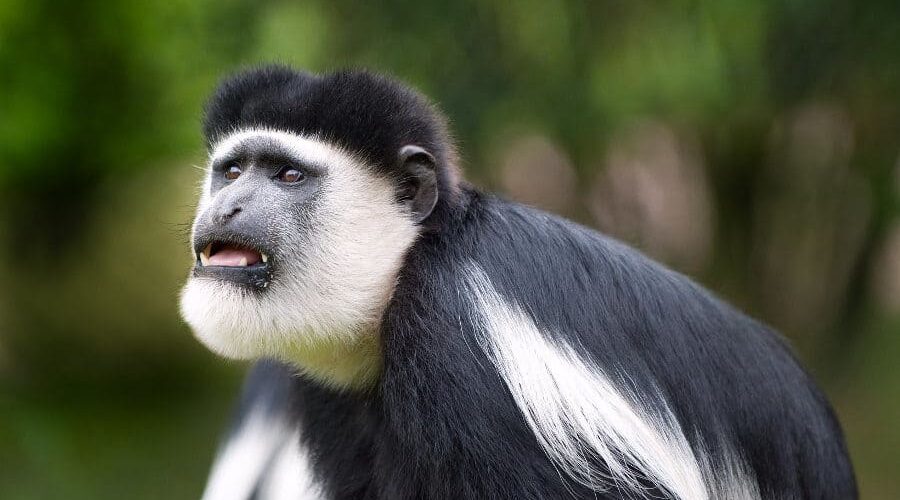
The black-and-white colobus remains one of the best-known species. Its long white mantle and tail contrast sharply with its dark body.
Unlike many monkeys, colobus monkeys have very small thumbs. This adaptation helps them move efficiently through the forest canopy.
Why Do Colobus Monkeys Have Small Thumbs?
One of the most interesting Columbus monkey facts involves their hands. Colobus monkeys have reduced thumbs compared with many other primates.
Their hands help them grip branches while moving through trees. Their long fingers and limbs support their arboreal lifestyle.
This adaptation allows them to leap between branches with impressive agility.
What Do Colobus Monkeys Eat?
Colobus monkeys mainly eat leaves. They also consume flowers, fruits, buds, and other plant material.
Their digestive system allows them to process large amounts of fibrous vegetation. Specialized stomach compartments help break down tough plant matter.
This diet allows them to use food sources that many other primates cannot digest efficiently.
Where Do Colobus Monkeys Live?
Colobus monkeys generally live in forests and woodland habitats. They can occur in lowland forests, montane forests, and riverine environments.
Uganda provides several opportunities to see black-and-white colobus monkeys. Kibale National Park and other forested areas support diverse primate populations.
Travelers can also encounter colobus monkeys in Kenya and Tanzania.
Are Colobus Monkeys Social?
Colobus monkeys live in social groups. Group sizes can vary depending on the species and habitat.
They communicate through calls, body movements, and other social behaviors.
Young monkeys remain dependent on their mothers during early development. Groups provide protection while individuals search for food.
Colobus Monkeys and Conservation
Habitat loss remains a major threat to many colobus populations. Forest clearing can reduce food sources and divide populations.
Protecting forests therefore remains essential for their survival.
Responsible primate tourism can contribute to conservation when visitors use ethical operators and follow wildlife guidelines.