
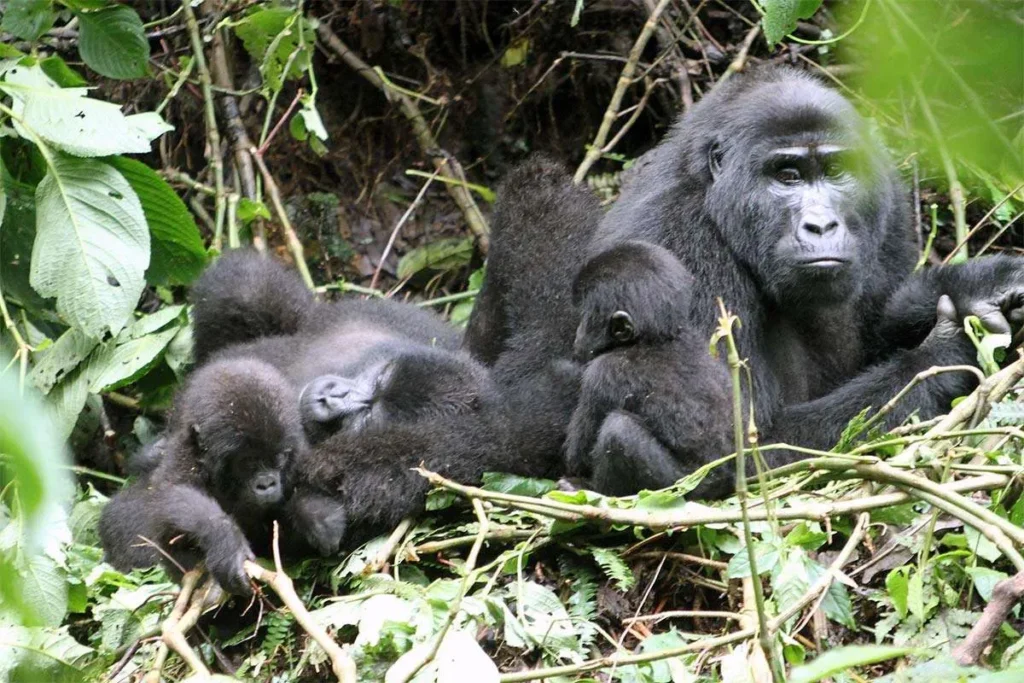
Nshongi Gorilla Family in Bwindi
Nshongi Gorilla Family in Bwindi: History, Location and Trekking Guide The Nshongi Gorilla Family holds an important place…
Read article →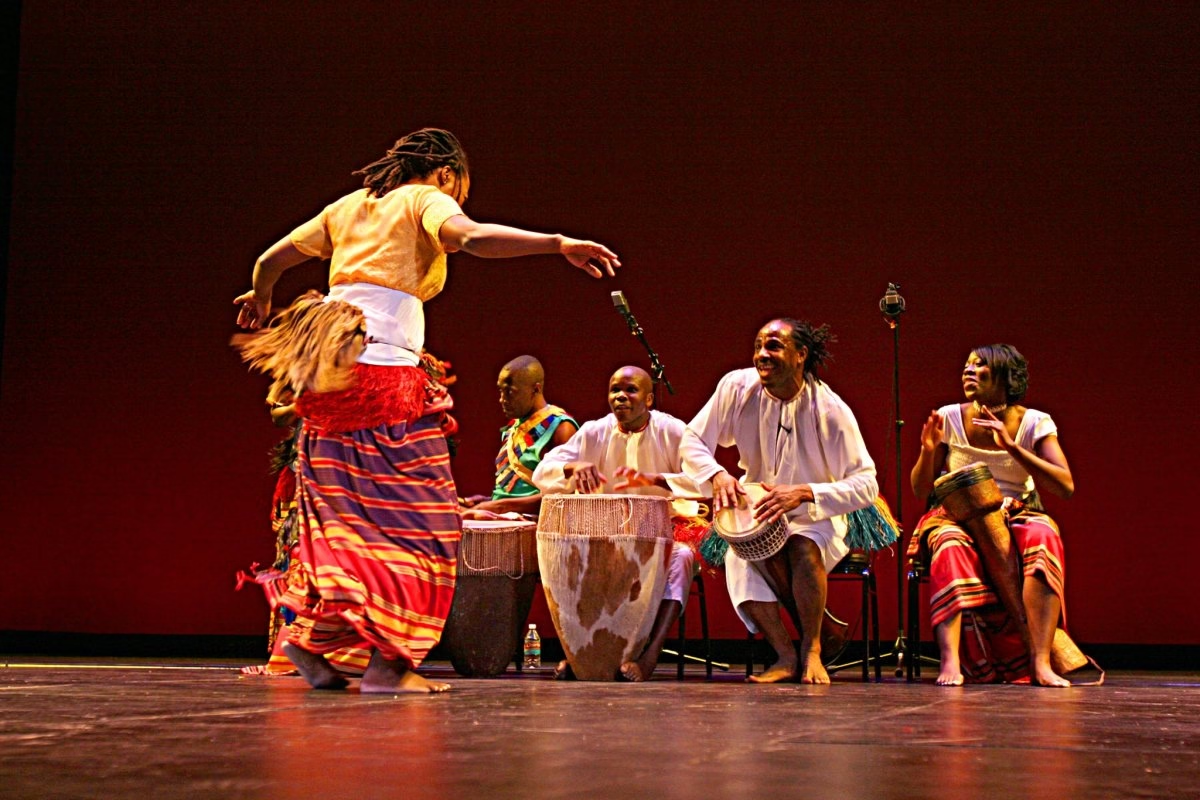
Blog
Buganda is the largest and most influential ethnic group in Uganda. The Baganda people, who make up over 16% of Uganda’s population, have a rich history, strong cultural identity, and well-structured governance system. Their traditions, language,…
Extraordinary Encounters
Last a Lifetime
Buganda is the largest and most influential ethnic group in Uganda. The Baganda people, who make up over 16% of Uganda’s population, have a rich history, strong cultural identity, and well-structured governance system. Their traditions, language, and customs continue to shape Uganda’s cultural landscape.
Buganda’s history dates back to the 14th century, when the kingdom was founded. It quickly became a dominant force in the region, thanks to its centralized political system and strong military. The Kabaka (king) played a crucial role in uniting the people, expanding the kingdom’s territory, and maintaining internal stability. Buganda’s strategic location along Lake Victoria also contributed to its economic success through trade and agriculture.
The Baganda have one of the most organized traditional governance systems in Africa. The Kabaka serves as the cultural and spiritual leader, with a council of chiefs (Bataka) assisting in administration. The kingdom is divided into counties (Masaza), sub-counties (Gombolola), and villages (Muluka), each led by appointed leaders. This system ensures effective governance while preserving traditional values.
The Baganda speak Luganda, one of the most widely spoken languages in Uganda. Luganda serves as a lingua franca in many parts of the country. It is used in education, media, and business, making it an essential aspect of Buganda’s identity.
The Baganda have a vibrant culture reflected in their daily lives, ceremonies, and rituals. Some key aspects of their traditions include:
Buganda has over 56 clans, each with a unique totem that symbolizes ancestry and heritage. Clan membership determines social responsibilities, marriage rules, and cultural identity.
Buganda celebrates several cultural events, including:
Music and dance hold a special place in Baganda culture. Traditional dances like the Bakisimba, Nankasa, and Muwogola tell stories of history, love, and heroism. Drums play a crucial role in these performances, symbolizing communication and unity.
Traditionally, the Baganda practiced African spirituality, worshipping deities such as Kibuuka (god of war) and Mukasa (god of the lake). However, with the arrival of Christianity and Islam, many Baganda converted to these religions. Today, most identify as either Christian or Muslim, though some continue to observe indigenous spiritual practices.
Agriculture forms the backbone of Buganda’s economy. The Baganda cultivate crops such as bananas (matoke), coffee, cassava, and maize. Fishing and livestock farming also contribute to their livelihood. In urban areas, many Baganda engage in trade, education, and public service.
Buganda continues to thrive as a cultural and political entity within Uganda. The Buganda Kingdom remains influential, advocating for cultural preservation, land rights, and community development. The kingdom also operates businesses, including media outlets and educational institutions, to sustain its heritage.
Understanding the Baganda people provides insight into Uganda’s history, governance, and cultural richness. Their traditions continue to shape national identity, making them an essential part of Uganda’s heritage.
Visiting Buganda offers a firsthand experience of its culture, traditions, and historical sites. Tourists can explore the Kasubi Tombs (a UNESCO World Heritage site), Kabaka’s Palace, and local markets to witness the vibrant culture of the Baganda people.

Nshongi Gorilla Family in Bwindi: History, Location and Trekking Guide The Nshongi Gorilla Family holds an important place…
Read article →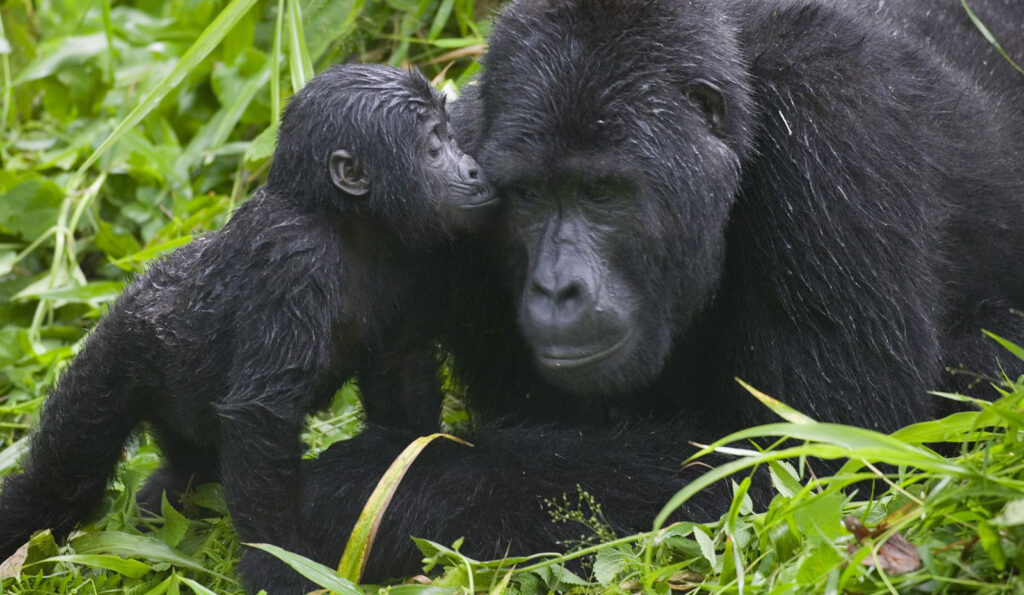
Mishaya Gorilla Family in Bwindi: History, Trekking and What to Know The Mishaya Gorilla Family is one of…
Read article →
Semuliki Hot Springs Visit Guide: What to Expect Semuliki Hot Springs offers one of the most unusual natural…
Read article →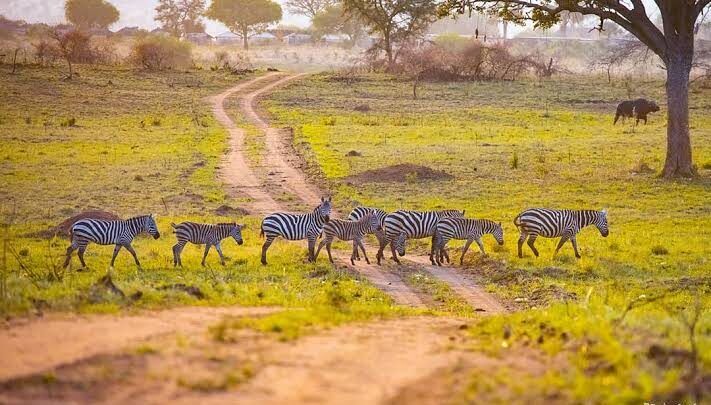
Kidepo Valley Remote Safari Guide: What to Expect Kidepo Valley National Park offers one of Uganda's most remote…
Read article →