Tour Idea
Private Kigali city tour Holidays in Rwanda for Photographers
Photograph Kigali on a private city tour covering urban landscapes, markets, neighbourhoods, architecture, culture and responsible travel practices.
- Thoughtfully Paced Time to see the place, not only tick it
- Expert Planning Permits, lodges and transfers in one plan
- Wildlife & Culture Parks, communities and scenic rest days
Overview
Kigali presents photographers with a visual story very different from Rwanda's mountain gorillas and national parks. Built across a series of hills, the capital combines changing skylines, busy markets, residential neighbourhoods, contemporary architecture, cultural spaces and everyday street scenes. A private Kigali city tour for photographers creates the flexibility needed to explore these subjects at a more deliberate pace.
Photography-focused travel works best when the itinerary allows time to observe. A conventional sightseeing tour may move away from a location just as the light or street activity becomes interesting. Private touring gives photographers greater freedom to spend additional time at suitable locations while still respecting access rules, local communities and the day's schedule.
Kigali can therefore become an important photographic chapter within a broader Rwanda safari.
Kigali as a Photography Destination
Many visitors associate Rwanda almost exclusively with mountain gorillas. For photographers, however, the capital provides opportunities to document an entirely different side of the country.
Kigali's hilly geography creates elevated perspectives across neighbourhoods and distant ridges. Modern commercial buildings sit alongside established residential districts. Markets provide colour and movement, while streets reveal patterns of daily life.
The city is also changing. Construction and development mean photographs made today can become visual records of a particular period in Kigali's growth.
A strong Kigali photography tour should therefore combine architecture, people, landscapes and details rather than concentrating on one subject.
Planning Around Light
Light is fundamental to urban photography.
Early morning can provide softer illumination and quieter streets in some areas, while late afternoon may create attractive light across Kigali's hills.
Midday remains useful for indoor attractions, markets and locations where direct sunlight is less important.
A private tour can be structured with these conditions in mind. Instead of visiting attractions simply according to geographical order, the day can consider which locations work best at different times.
Weather remains unpredictable, particularly during wetter periods, so photographers should also be prepared to adapt.
Cloud cover can reduce harsh contrast and produce excellent conditions for portraits and street photography.
Photographing Kigali's Hills and Urban Landscapes
Kigali's topography is one of its defining visual characteristics.
Roads rise and descend between neighbourhoods, revealing changing perspectives over the city. Photographers interested in urban landscapes can use these elevated positions to communicate Kigali's scale and geography.
A moderate or wide-angle lens can be useful for cityscapes, while a longer lens can isolate distant buildings or compress layers of hills.
Photographers should remember that not every elevated position is automatically a public photography location. Guides can help identify suitable places and advise where photography may be restricted.
Markets and Everyday Commerce
Markets can provide some of Kigali's most visually dynamic scenes.
Produce, fabrics, products and constant human movement create opportunities for documentary-style photography. However, markets require sensitivity.
People working in a market are not simply photographic subjects. Photographers should interact respectfully and seek permission where appropriate, particularly for close portraits.
A local guide can facilitate communication and explain the photographer's interest.
Wide environmental photographs can often tell a stronger story than repeatedly pointing a camera directly at individuals.
Responsible market photography in Kigali should document the atmosphere without disrupting normal business.
Photographing People Respectfully
Portrait photography can be rewarding, but consent matters.
Photographers should avoid assuming that carrying professional equipment gives them unrestricted permission to photograph people closely.
A simple conversation can transform the interaction. When language or context makes communication difficult, a guide can help request permission.
Children require particular sensitivity.
Photographers should also consider how images may later be used. A photograph created for personal travel memories differs from one intended for commercial publication.
Responsible photography protects dignity while often producing more meaningful images because the photographer has actually engaged with the person being photographed.
Architecture and Modern Kigali
Contemporary Kigali provides opportunities for architectural and urban design photography.
Modern hotels, commercial buildings, public spaces and newer developments illustrate Rwanda's changing capital.
Photographers can look beyond individual structures and examine how buildings interact with roads, hills and public spaces.
Details such as patterns, signage, windows and construction materials can add variety to a photographic series.
A private vehicle is useful when moving between architectural subjects because equipment can remain organised and unnecessary walking with heavy gear can be reduced.
Historical Locations and Photography
Some of Kigali's most important places are memorial and historical sites.
Photography at these locations should never be approached in the same way as ordinary sightseeing photography.
Visitors must follow the site's current photography rules and respect spaces associated with remembrance and loss.
The Kigali Genocide Memorial, for example, is primarily a place of commemoration and education. The desire to produce images should never interfere with respectful behaviour.
Photographers should be willing to put the camera away entirely where circumstances require it.
Understanding when not to photograph is part of responsible travel photography.
Camera Equipment for Kigali
Urban photography generally requires less specialised equipment than wildlife photography.
A standard zoom can cover many situations, from environmental portraits to street scenes and architecture. A wider lens may be useful for interiors and cityscapes, while a short telephoto can isolate details.
Photographers who intend to continue toward Volcanoes National Park or Akagera may already be carrying much heavier wildlife equipment.
A private Kigali tour allows unnecessary equipment to remain securely stored rather than being carried throughout the city.
Spare batteries, memory cards and simple weather protection should still be kept available.
Markets, Crafts and Detail Photography
Not every photograph needs to show a complete scene.
Kigali's markets and craft spaces contain textures, patterns, materials and colours that work well for close detail photography.
Fabrics, handmade objects, food and architectural elements can help create a visual narrative.
These images are particularly useful when building a travel story because they connect wider cityscapes with intimate observations.
Travellers purchasing crafts should seek genuine locally produced products where possible.
Including Nyamirambo
Nyamirambo provides a lively environment for photographers interested in neighbourhood life.
A guided experience can introduce visitors to streets, local businesses and cultural spaces while providing important context about the community.
Photographers should avoid turning neighbourhood exploration into uncontrolled street shooting.
Spending time observing and communicating usually produces better results than moving quickly while photographing everyone encountered.
Private touring allows photographers to slow down while still keeping the experience structured.
Combining Kigali Photography with Gorilla Trekking
For many photographers, the capital is the beginning of a larger Rwanda photography safari.
From Kigali, travellers can continue north toward Volcanoes National Park for mountain gorilla photography.
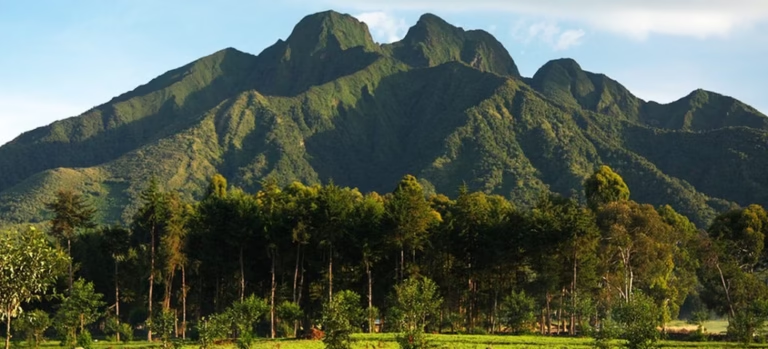
The transition is visually dramatic. Urban streets give way to cultivated hills and eventually the volcanic landscapes surrounding Musanze.
Private road transportation creates opportunities for carefully chosen scenic stops where safe and appropriate.
Photographers should secure gorilla permits well in advance. Rwanda's standard permit currently costs USD 1,500 per person.
Extending to Akagera National Park
Akagera adds traditional wildlife photography.
The open landscapes provide very different technical conditions from both Kigali and Volcanoes National Park. Longer lenses become important, while early and late daylight can produce attractive wildlife images.
Wetlands and lakes also introduce opportunities for bird and landscape photography.
Combining Kigali, Volcanoes and Akagera gives photographers three contrasting environments within one country.
Lake Kivu for Landscape Photography
Lake Kivu provides another strong photographic extension.
Open water, surrounding hills, boats and changing weather create opportunities for landscape and documentary photography.
Early morning and evening can be especially interesting as light changes across the lake.
A few nights at Lake Kivu also give photographers time to organise and back up images after several intensive days of shooting.
Protecting and Backing Up Images
Travel photographers should establish a backup routine before arriving in Rwanda.
Memory cards should not represent the only copy of important photographs. Depending on equipment, images can be transferred to a laptop, portable storage or another secure backup system.
Batteries should be recharged each evening.
Equipment should also be organised before changing destinations so that cameras and lenses remain protected during road travel.
These habits become especially important on a longer Rwanda photography safari where thousands of images may accumulate.
Responsible Photography in Rwanda
The strongest travel photography respects the destination.
Visitors should follow local rules, respect privacy and avoid photographing sensitive locations without permission.
Professional-looking equipment can attract attention, making courteous interaction particularly important.
Photographers should also avoid creating misleading images that remove people or places from their actual context simply to reinforce preconceived narratives.
Kigali deserves to be documented as the complex, evolving city it is.
Planning a Private Kigali Photography Tour
A successful private Kigali city tour for photographers should begin by identifying photographic interests. Street photographers, architectural photographers and documentary travellers may want very different itineraries.
The schedule can then balance suitable light, travel distances, historical locations, markets and neighbourhood experiences.
Private transportation provides logistical flexibility, but patience and respectful interaction ultimately determine the quality of the photographs.
When combined with Volcanoes National Park, Akagera or Lake Kivu, Kigali adds an essential urban and cultural dimension to a Rwanda photography portfolio.
Plan Your Safari with Gecko Safaris Africa and build a Rwanda photography journey that captures the country's cities, landscapes, wildlife and people with respect and context.