Tour Idea
Private Cultural tour Holidays in Rwanda for Families
Plan a private cultural tour in Rwanda for families with Kigali heritage, community experiences, crafts, food, landscapes and flexible travel.
- Thoughtfully Paced Time to see the place, not only tick it
- Expert Planning Permits, lodges and transfers in one plan
- Wildlife & Culture Parks, communities and scenic rest days
Overview
A private cultural tour holiday in Rwanda for families gives parents and children an opportunity to understand the country beyond its wildlife attractions. Kigali's history and contemporary life, rural landscapes, community experiences, crafts, food and agricultural traditions can all form part of a journey designed around the ages and interests of the family.
Private travel is particularly valuable when children are involved because the schedule can remain flexible. Families can take breaks when necessary, spend longer at experiences that capture children's attention and avoid following an adult-oriented group itinerary.
A cultural journey can also be combined with wildlife. Akagera National Park, Lake Kivu, Nyungwe and the Volcanoes region can all add different dimensions to a Rwanda family holiday, provided activities are selected according to age and physical ability.
Why Cultural Touring Matters for Families
Wildlife may initially attract children to Rwanda, but cultural experiences help them understand the country in which those animals live.
A game drive can teach children about conservation, while a community or agricultural experience can show how people interact with the surrounding environment.
Families can learn about food, art, crafts and daily life.
These experiences encourage children to ask questions and compare what they encounter with life at home.
The objective is not to present culture as something fixed or performed entirely for visitors. Rwanda is a contemporary country in which tradition and modern life exist together.
Starting the Family Journey in Kigali
Kigali provides a natural introduction.
Families can explore selected markets, cultural spaces and neighbourhoods with a private guide.
The city also contains important historical sites.
The Kigali Genocide Memorial provides essential context for understanding Rwanda's past, although parents should consider the age and emotional maturity of children before including the experience.
Older children and teenagers may gain significant educational value from a carefully guided visit.
Photography should always follow the rules and sensitivity of the location.
Making Culture Engaging for Children
Children usually respond more positively to participation than long lectures.
Craft demonstrations, cooking experiences, agricultural activities and suitable community visits can help make cultural learning tangible.
A guide can explain traditions in language appropriate to the children's ages.
Parents should allow children to ask questions naturally.
Not every moment needs to become an educational lesson. Enjoyment is itself an important part of cultural exchange.
A family cultural safari in Rwanda should therefore balance information with interaction.
Photography as a Family Activity
Photography can encourage children to observe details.
Parents can give younger travellers simple challenges such as photographing colours, patterns, landscapes or interesting objects.
Smartphones and compact cameras are generally sufficient.
Children should also learn that people cannot automatically be photographed without permission.
Teaching respectful photography turns a creative activity into a lesson about privacy and responsible travel.
At the end of the day, families can compare images and discuss what each person noticed.
Visiting Markets Respectfully
Markets provide lively environments filled with produce, fabrics and everyday commercial activity.
They can be excellent places for children to learn about foods and products unfamiliar to them.
However, markets are workplaces rather than staged tourist attractions.
Families should avoid blocking stalls or photographing vendors intrusively.
A private guide can explain products and facilitate appropriate interaction.
Purchasing items from local businesses can provide a more meaningful connection than simply walking through with cameras.
Food and Family Cultural Experiences
Food can provide one of the easiest entry points into culture.
Families may enjoy trying locally prepared dishes or participating in a suitable cooking experience.
Children can learn about ingredients and preparation methods.
Parents should communicate dietary restrictions before organized food activities.
Food photography can also be enjoyable for younger travellers because dishes remain still and provide opportunities to experiment with composition.
The experience should encourage curiosity without forcing children to eat foods they genuinely dislike.
Rural Rwanda and Agricultural Landscapes
Travelling outside Kigali reveals Rwanda's famous hills and agricultural environments.
Families can observe how cultivation shapes the landscape.
Coffee and tea experiences may be included depending on the route.
Children can learn that food and beverages begin as agricultural products rather than supermarket items.
These experiences provide useful context while also creating excellent landscape photography opportunities.
Cultural Experiences Around Volcanoes National Park
The Volcanoes region provides more than mountain gorilla trekking.
Families can explore suitable cultural and community experiences around northern Rwanda.
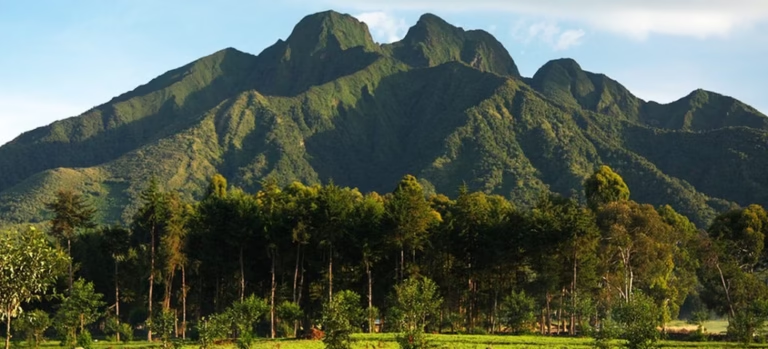
The Virunga mountains create a dramatic backdrop to the region.
Families with teenagers aged 15 or above may consider gorilla trekking, subject to permits and fitness.
Younger children require alternative activities on trekking days.
Private arrangements make it easier to organize separate experiences for different family members.
Lake Kivu for Culture and Relaxation
Lake Kivu can provide a slower stage of the journey.
Families can photograph shoreline landscapes and explore selected coffee or cultural experiences.
Relaxed days are important, particularly for younger children who may become tired after several consecutive excursions.
Suitable boat experiences can add variety depending on the family's interests.
Several nights beside the lake can also reduce the pressure of constant hotel changes.
Adding Akagera National Park
Akagera introduces wildlife to the cultural itinerary.
Vehicle-based game drives can be particularly suitable for families because children can experience safari wildlife without undertaking demanding trekking.
The park's landscapes and conservation story provide further educational opportunities.
Combining Akagera with Kigali and community experiences demonstrates that Rwanda's tourism identity includes both people and wildlife.
Families should still maintain realistic game-drive durations according to children's ages.
Nyungwe for Older or Active Families
Nyungwe National Park can add rainforest to the journey.
Activities have different physical and age requirements, so families should verify suitability before booking.
The canopy walkway may appeal to active travellers comfortable with heights.
Chimpanzee and other primate experiences require careful planning.
Tea landscapes around the park can provide alternatives for family members who prefer gentler activities.
Private touring makes these different needs easier to accommodate.
Selecting Family Accommodation
Accommodation should be chosen according to practical family needs.
Room configuration is particularly important.
Parents may require connecting rooms, family cottages or another arrangement that keeps younger children close.
Swimming pools, gardens and open spaces can provide useful downtime.
Location also matters because reducing daily transfer times can improve the holiday considerably.
The most luxurious property is not always the most suitable family property.
Responsible Family Cultural Tourism
Parents can use the journey to teach children responsible travel habits.
Visitors should respect private spaces and ask before taking portraits.
Giving money or sweets directly to children encountered casually during tours can create inappropriate dynamics. Supporting properly organized community initiatives and local businesses is generally more constructive.
Families should also avoid presenting cultural differences as strange or inferior.
Curiosity should be combined with respect.
Creating a Balanced Private Itinerary
A private cultural itinerary should not attempt to include every attraction.
Families can spend several days in Kigali and one or two additional regions according to available time.
A shorter journey might combine Kigali, Akagera and Lake Kivu. A longer safari can add Volcanoes or Nyungwe.
Travel days should remain realistic, and children should have time to rest.
Private transportation provides flexibility, but it should be used to create a better pace rather than simply pack more activities into every day.
Planning Private Cultural Tour Holidays in Rwanda for Families
A private cultural tour holiday in Rwanda for families provides an opportunity to turn travel into shared discovery.
Kigali introduces history and modern urban life, while rural areas reveal agriculture, landscapes and community traditions. Lake Kivu provides relaxation, and national parks can add wildlife and conservation experiences.
Private guiding allows explanations to be adapted to children's ages while giving parents control over the pace of the journey.
The strongest family cultural holidays do not treat Rwanda as a collection of attractions to complete. They create time for conversation, observation and participation.
Children may eventually forget the exact name of a location, but they are more likely to remember the person who showed them how something was made, the landscape they photographed or the meal they helped prepare. Those experiences can give a family journey through Rwanda lasting meaning.