Tour Idea
Photographic Volcano hiking Holidays in Rwanda for First-time visitors
Plan your first photographic volcano hiking holiday in Rwanda with Virunga scenery, hiking preparation, camera advice and safari extensions.
- Thoughtfully Paced Time to see the place, not only tick it
- Expert Planning Permits, lodges and transfers in one plan
- Wildlife & Culture Parks, communities and scenic rest days
Overview
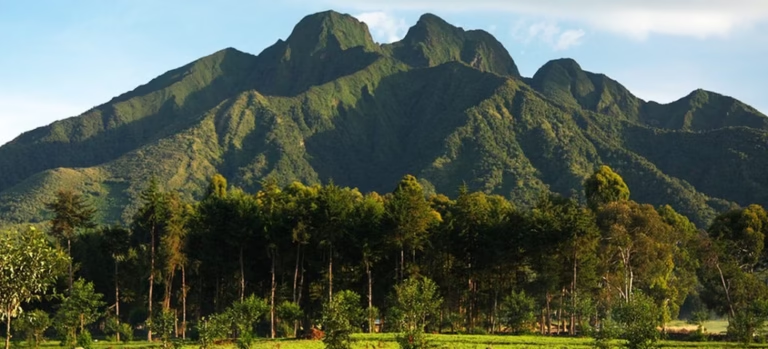
A photographic volcano hiking holiday in Rwanda for first-time visitors provides an adventurous way to experience the dramatic landscapes of the Virunga region beyond the country's famous gorilla trekking activities. Northern Rwanda is defined by a chain of volcanic peaks that rise above cultivated hills and forested slopes, creating some of the country's most impressive landscape photography opportunities.
For first-time visitors, volcano hiking should be approached with realistic expectations. Hiking in the Virunga highlands can involve steep terrain, changing weather, mud and significant elevation. The objective is not simply to reach a high point but to experience the mountain environment safely while photographing the changing landscape along the way.
A well-designed itinerary allows sufficient time in the Volcanoes National Park region before and after the hike. This gives travellers an opportunity to acclimatize to the pace of the journey, prepare equipment and combine hiking with gorilla trekking, golden monkeys or cultural experiences.
Why Photograph Rwanda's Volcanoes
The Virunga volcanoes are among Rwanda's defining natural landmarks.
Their slopes rise dramatically above farms and communities, creating compositions in which natural and cultivated landscapes meet.
Clouds often surround the peaks, and photographers should not regard this automatically as poor weather. Mist moving across forested slopes can create a strong sense of scale and atmosphere.
First-time visitors may arrive expecting completely unobstructed mountain views every day. In reality, changing weather is part of the photographic character of the region.
Patience can therefore be as important as camera equipment.
Understanding Volcano Hiking Conditions
A volcano hike differs from a normal sightseeing walk.
Terrain may be steep and uneven, and rain can make sections slippery. The physical difficulty varies according to the selected route and mountain.
Travellers should honestly assess their fitness before choosing an activity.
A Rwanda volcano hiking tour becomes far more enjoyable when the route matches the participant's abilities.
First-time visitors should also understand that altitude, weather and trail conditions can affect pace. Reaching a destination more slowly is not a failure when the objective is to experience the mountain safely.
Preparing Physically Before Travel
Basic fitness preparation can make a significant difference.
Travellers should begin regular walking well before departure, ideally including hills or stairs where possible. This helps prepare the legs for repeated climbing and descending.
Comfortable hiking footwear should be broken in before the holiday rather than worn for the first time on the mountain.
Travellers with health concerns should seek appropriate medical guidance before undertaking strenuous hiking.
The goal is not elite athletic performance. Consistent preparation simply makes it easier to concentrate on scenery and photography rather than physical discomfort.
Camera Equipment for Volcano Hiking
Weight becomes particularly important on steep trails.
A photographer may own several lenses, but carrying all of them up a mountain can reduce enjoyment significantly.
One versatile zoom can cover many landscape situations. Serious photographers may add a lightweight telephoto lens for distant details.
Spare batteries, memory cards and rain protection should remain easily accessible.
A secure camera strap or suitable backpack helps prevent equipment from swinging during difficult sections.
The best hiking camera system is one that the photographer is comfortable carrying for the entire activity.
Photographing During the Climb
Some of the strongest images may be created before reaching the highest point.
Trails passing through vegetation, views back toward farmland and hikers moving through the landscape can all tell the story of the climb.
Photographers should resist the temptation to save all their attention for the summit.
Weather can change quickly, and a clear view available halfway up may disappear later.
Including people within wide landscapes provides scale and helps communicate the size of the mountain.
These environmental photographs can be more expressive than an isolated summit portrait.
Working with Mist and Clouds
The Virunga highlands are frequently atmospheric.
Mist can simplify backgrounds and isolate vegetation or hikers. Clouds can move rapidly across slopes, briefly revealing and hiding distant features.
Photographers should watch these transitions rather than packing equipment away whenever visibility decreases.
Exposure may need adjustment when bright mist dominates the frame.
Lens cloths should remain accessible because moisture can accumulate on glass.
A photographic hiking safari in Rwanda is often defined by these changing conditions.
Safety Comes Before Photography
Mountain photography can become distracting.
Travellers should never continue walking while concentrating through a viewfinder or phone screen. Stop in a secure location before taking photographs.
Guide instructions must always take priority.
A visually attractive position may not be safe, particularly near steep or slippery sections.
Photographers should also avoid leaving established routes to obtain a different angle.
No image justifies unnecessary risk or environmental damage.
Appropriate Clothing for Volcano Hiking
Layering is generally more practical than relying on one heavy garment.
Temperatures can feel different as elevation and weather change. A waterproof outer layer is important.
Long trousers and suitable hiking shoes provide protection and grip.
A hat and sun protection may still be useful because highland sunshine can become strong when clouds clear.
Travellers should carry water and any other items recommended for the selected hike.
Keeping personal equipment organized makes the activity considerably easier.
Combining Hiking with Gorilla Trekking
Many first-time visitors want to combine volcano hiking and gorilla trekking in Rwanda.
The two activities provide very different experiences but can both be physically demanding.
Scheduling them on consecutive days may suit fit travellers, while others will appreciate a recovery day.
Gorilla trekking requires a separate permit and must be arranged in advance. Rwanda's standard gorilla permit costs USD 1,500 per person, and the minimum trekking age is 15.
The combination provides outstanding photographic diversity, from mountain landscapes to intimate primate behaviour.
Adding Golden Monkey Trekking
Golden monkey trekking is another activity available within the Volcanoes region.
These active primates provide a different photographic challenge because they can move quickly through bamboo and forest vegetation.
Combining a volcano hike, golden monkeys and gorillas can create an intensive northern Rwanda adventure.
First-time visitors should avoid scheduling more activities than their fitness and available time realistically allow.
Additional nights around Musanze can make the experience far more comfortable.
Photographing the Virunga Region from Lower Ground
Not every volcano photograph requires climbing.
Roads and agricultural areas around Musanze can provide excellent views when the peaks emerge from cloud.
Fields and settlements create useful foreground subjects.
Morning conditions can be especially atmospheric.
Travellers who remain several nights have a better chance of experiencing different views than visitors who arrive and leave within one day.
This is another reason to avoid an excessively compressed itinerary.
Accommodation and Recovery
Good accommodation becomes particularly valuable after a strenuous hike.
Travellers should allow time to shower, eat properly and rest before undertaking another demanding activity.
Properties around Musanze and Volcanoes National Park range across several categories.
The most appropriate choice depends on budget, desired comfort and access to activities.
First-time visitors should prioritize convenient logistics rather than choosing accommodation solely because of photographs seen online.
Extending the Journey Beyond Volcanoes
After northern Rwanda, travellers can continue toward Lake Kivu for a slower landscape experience.
Akagera National Park provides vehicle-based wildlife photography, while Nyungwe introduces rainforest and chimpanzees.
Kigali adds cultural and historical experiences.
Combining these destinations creates a broader Rwanda photography holiday in which volcano hiking becomes one adventurous component rather than the entire journey.
Planning Photographic Volcano Hiking Holidays in Rwanda for First-Time Visitors
A photographic volcano hiking holiday in Rwanda for first-time visitors should be built around preparation, realistic pacing and respect for mountain conditions.
Travellers should choose an appropriate hike, train before arrival and keep camera equipment light enough to carry comfortably.
The experience is rewarding precisely because it requires effort. Views across the Virunga landscape feel different when reached on foot, and changing mist, vegetation and elevation provide photographic subjects throughout the climb.
Combined with gorilla trekking, golden monkeys or Lake Kivu, volcano hiking can become one of the defining adventures of a first Rwanda journey. Good planning ensures that photographers return not only with summit images but with a complete visual story of the mountain environment they travelled through to reach them.