Tour Idea
Photographic Tea plantation tour Holidays in Rwanda for Families
Plan a family photographic tea plantation tour in Rwanda with scenic estates, cultural experiences, photography tips and Nyungwe extensions.
- Thoughtfully Paced Time to see the place, not only tick it
- Expert Planning Permits, lodges and transfers in one plan
- Wildlife & Culture Parks, communities and scenic rest days
Overview
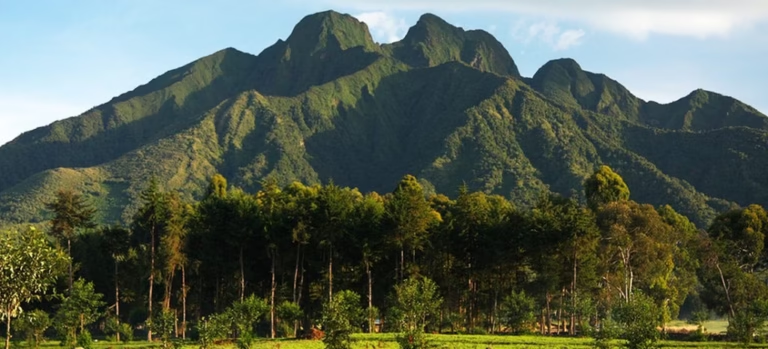
A photographic tea plantation tour in Rwanda for families offers a relaxed and educational way to explore the country's green highland landscapes while learning how one of Rwanda's important agricultural products is grown and processed. Tea estates create distinctive scenery, with carefully planted rows following the contours of hills and valleys. For families carrying cameras or smartphones, these landscapes provide accessible photographic subjects without the unpredictability of wildlife photography.
Tea experiences fit especially well into journeys through southwestern Rwanda, particularly when families are travelling toward or from Nyungwe National Park. Instead of treating the agricultural landscape as scenery seen only through a vehicle window, a planned tea experience allows visitors to understand how the plantations operate and how local communities are connected to the industry.
For children, the experience can combine outdoor exploration with practical learning. They can see tea plants at close range, observe agricultural activity and discover how leaves eventually become the beverage they recognize at breakfast. Photography gives younger travellers an additional reason to pay attention to colour, shape, texture and people within the landscape.
Why Tea Plantation Tours Work Well for Families
A family safari becomes more rewarding when every day does not involve the same type of activity. Wildlife drives and primate trekking can be exciting, but cultural and agricultural experiences create important variety.
A Rwanda tea plantation tour for families can usually be approached at a gentler pace than demanding forest trekking. Families can walk through selected areas, stop for photographs and listen to explanations without feeling pressured to cover a long distance.
Parents can use the experience to introduce children to the relationship between agriculture, employment, trade and landscapes. Instead of simply seeing a beautiful green hillside, younger visitors begin to understand why it looks the way it does.
The activity can also provide a welcome change after long road journeys or early-morning wildlife excursions.
Photographing Rwanda's Tea Landscapes
Tea plantations are naturally photogenic because their repeated rows create strong patterns across the hills.
Wide photographs can show how cultivation follows the shape of the terrain, while longer lenses can isolate patterns within individual slopes. Paths between sections of tea can act as leading lines, directing attention through a photograph.
Clouds and mist can add atmosphere, particularly in Rwanda's southwestern highlands. Completely clear weather is therefore not essential for successful photography.
Families should encourage children to look beyond broad landscapes. Individual leaves, hands involved in tea work and small details around the plantation can produce equally meaningful photographs.
This variety makes tea plantation photography in Rwanda suitable for beginners as well as experienced photographers.
Learning How Tea Is Grown
A good tea tour should explain what visitors are seeing rather than simply providing access to attractive fields.
Families can learn about the conditions required for tea cultivation and why Rwanda's highland environments are suited to the crop. The shape of the landscape, rainfall and altitude all influence agricultural activity.
Children often respond well when guides explain the process in practical terms. Seeing a tea leaf on the plant creates a direct connection with a product they may previously have encountered only in a cup or packet.
Where demonstrations are included, families may also learn about stages that take place after harvesting.
The exact experience varies according to the estate and tour arrangement, so expectations should be confirmed when planning.
Photographing People Respectfully
Tea estates are working agricultural environments.
People visible in the fields are carrying out their normal work rather than performing primarily for visitors. Photographers should therefore approach portraits with respect.
Permission should be obtained before taking recognizable close photographs. A guide can help communicate when appropriate.
Parents should teach children the same principles. Asking before taking a person's picture is an important part of responsible travel.
Environmental portraits that show a person within the wider plantation can communicate the connection between people and landscape effectively when photography is welcomed.
Simple Camera Equipment for Families
A tea plantation visit does not require heavy professional equipment.
Smartphones can capture wide landscapes and close details effectively. Children may find them easier to use than complex cameras.
Parents carrying dedicated equipment can usually cover the experience with a standard zoom. A moderate telephoto lens may help isolate distant patterns, but it is not essential.
A small weather-resistant bag is useful because rainfall can occur in Rwanda's highland regions.
Families should also bring lens cloths because moisture and mist can collect on camera or phone lenses.
Choosing Clothing and Footwear
Although a tea experience is generally less demanding than a forest trek, visitors should still prepare for outdoor conditions.
Comfortable closed shoes with good grip are useful, particularly when paths are damp. Lightweight rain protection should be carried even if conditions appear clear when the day begins.
Long trousers can provide comfort when walking through agricultural areas.
Children should have suitable footwear rather than sandals intended mainly for hotel use.
Good preparation allows families to concentrate on learning and photography instead of becoming distracted by uncomfortable clothing.
Combining Tea Plantations with Nyungwe National Park
Nyungwe is the most natural major safari extension to a Rwanda tea plantation holiday.
The park protects an extensive montane rainforest and provides a dramatic contrast with the carefully cultivated tea landscapes outside it.
Families with children old enough for selected activities can consider suitable forest experiences. Chimpanzee trekking has specific requirements and can involve demanding walking, so it should be assessed carefully.
The canopy walkway may appeal to active family members comfortable with heights and forest hiking.
Birding and scenic experiences can provide alternatives for families seeking a gentler schedule.
Photographing the Contrast Between Forest and Agriculture
One of the most interesting aspects of southwestern Rwanda is the visual relationship between natural forest and cultivated landscapes.
Photographers can document the structured patterns of tea before turning their cameras toward the irregular forms of rainforest vegetation.
This contrast helps tell a broader story about land use.
Children can be encouraged to compare the colours, textures and shapes of the two environments.
A family photography safari in Rwanda becomes more educational when photographs are connected to observations rather than treated as isolated souvenirs.
Adding Lake Kivu
Lake Kivu can be included before or after a tea and Nyungwe experience.
The lake introduces open water and broad horizons after days spent among hills and forests.
Families can relax while photographing boats, shoreline scenery and changing evening light.
Coffee experiences may also be available within western Rwanda, allowing families to compare two important agricultural products during the same journey.
This combination creates an itinerary that moves naturally between agriculture, culture, forest and lakeside relaxation.
Balancing Education and Holiday Time
Parents sometimes try to make every family travel activity educational, which can make children feel as though they have simply moved school lessons to another country.
The strongest tea experience balances learning with enjoyment.
Children can ask questions, take photographs and participate where appropriate without being expected to remember every technical detail about production.
Time should also be left for relaxed meals and unstructured periods.
A family holiday remains more memorable when learning happens naturally through experiences.
Accommodation Around Southwestern Rwanda
Accommodation selection should consider the family's overall itinerary.
Properties near Nyungwe can provide convenient access to both forest and surrounding agricultural landscapes. Families should check room configurations, dining arrangements and walking distances around the property.
A scenic lodge may provide additional opportunities for landscape photography without requiring another excursion.
For families travelling with younger children, reducing unnecessary transfers is particularly valuable.
Several nights in one base can be more comfortable than changing accommodation every day.
Best Conditions for Tea Photography
Tea landscapes can be photographed throughout the year, although weather changes their visual character.
Bright conditions reveal vivid greens and strong shadows, while overcast weather creates softer tones. Mist can make distant hills appear layered and atmospheric.
Rain should not automatically end a photography session. Light showers can intensify colours, provided equipment and travellers remain properly protected.
Families should remain flexible and allow the guide to advise on conditions.
Photography is often strongest when travellers work with the weather rather than expecting every day to be completely clear.
Responsible Tea Tourism
Visitors should remember that tea estates are productive working environments.
Families should follow designated paths and instructions, avoid interfering with agricultural work and respect any restrictions on photography.
Children should remain supervised, particularly around equipment or processing areas.
Purchasing locally produced tea where appropriate can provide a direct connection between the experience and the product families have learned about.
Responsible tourism helps ensure that cultural and agricultural experiences remain respectful to the communities involved.
Planning Photographic Tea Plantation Tour Holidays in Rwanda for Families
A photographic tea plantation tour holiday in Rwanda for families adds an important cultural and agricultural dimension to a safari.
The experience allows parents and children to explore Rwanda's hills slowly, learn where tea comes from and create photographs that differ from conventional wildlife images.
When combined with Nyungwe National Park, Lake Kivu and other western Rwanda attractions, tea landscapes become part of a broader story about the country's environment and people.
Families do not need complicated photographic equipment or extensive agricultural knowledge before visiting. Curiosity, comfortable footwear and a willingness to observe are more important.
By giving the tea experience enough time rather than treating it as a brief roadside stop, families can return home with photographs and knowledge that help them remember Rwanda as more than a wildlife destination.