Tour Idea
Photographic Family safari Holidays in Rwanda for First-time visitors
Plan your first photographic family safari in Rwanda with Akagera wildlife, gorillas, Kigali, Lake Kivu and practical family photography advice.
- Thoughtfully Paced Time to see the place, not only tick it
- Expert Planning Permits, lodges and transfers in one plan
- Wildlife & Culture Parks, communities and scenic rest days
Overview
A photographic family safari holiday in Rwanda for first-time visitors offers an accessible introduction to African wildlife, landscapes and culture within one compact destination. Families can photograph savannah animals in Akagera National Park, explore Kigali, experience the shores of Lake Kivu and, when children meet the minimum age requirements, add mountain gorilla trekking in Volcanoes National Park.
For families making their first safari journey, Rwanda can provide a useful balance between adventure and manageable travel. Distances between major destinations are generally more contained than itineraries that require crossing several countries, although road journeys still need to be planned realistically.
Photography can make the safari more engaging for children and adults. Instead of simply waiting for the next animal sighting, family members can photograph landscapes, plants, people, architecture and small details throughout the journey.
Why Rwanda Works for a First Family Safari
First-time safari travellers often have many questions about transport, accommodation, wildlife activities and daily schedules.
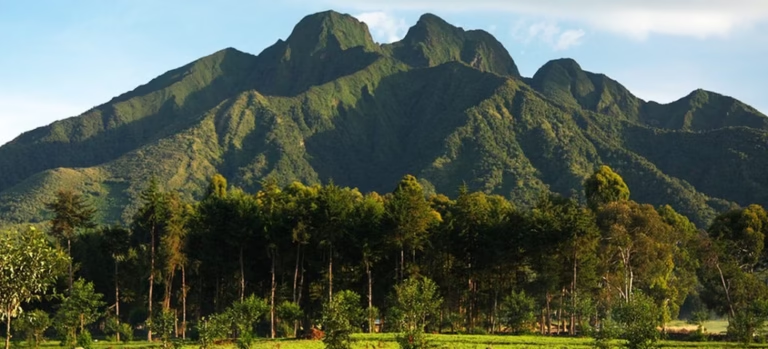
Rwanda allows families to experience several types of environment within one itinerary. Kigali provides an urban introduction, Akagera offers classic vehicle-based safari experiences, Volcanoes National Park protects mountain gorilla habitat, and Nyungwe introduces rainforest ecosystems.
Lake Kivu can provide a slower section between more active destinations.
A carefully planned Rwanda family safari therefore offers variety without requiring every day to follow the same pattern.
Starting in Kigali
Kigali is usually the natural beginning or end of a Rwanda itinerary.
Families arriving after an international flight should avoid scheduling an unnecessarily demanding first day. Time to rest can make the following activities considerably more enjoyable.
A city tour can introduce Rwanda's history and contemporary life. Markets, craft centres, neighborhoods and selected museums or memorial sites may be incorporated according to children's ages.
The Kigali Genocide Memorial requires thoughtful consideration for younger visitors because of the sensitive historical content.
Photography should always follow the rules of each site.
Wildlife Photography in Akagera National Park
For many children, Akagera provides the experience they imagine when they hear the word safari.
Game drives offer opportunities to search for animals while travelling through savannah, woodland and wetland landscapes. Wildlife sightings vary because the animals move naturally through the park.
Families should avoid creating a rigid checklist. Spending time watching ordinary behaviour can be just as rewarding as rushing from one major species to another.
A photographic safari in Akagera also gives children opportunities to learn basic wildlife photography from the relative comfort of a vehicle.
Helping Children Photograph Wildlife
Young photographers do not need expensive cameras.
A smartphone, compact camera or entry-level camera can be sufficient to keep children engaged. Parents should teach them to hold the device steadily and avoid excessive digital zoom.
Children can also photograph landscapes, animal tracks and details around the lodge rather than competing with adults for dramatic wildlife portraits.
Giving each child a small photography challenge can make drives more interesting. They might look for different textures, shapes or types of animal behaviour.
The emphasis should remain on observation and enjoyment.
Gorilla Trekking and Family Age Considerations
Mountain gorilla trekking is one of Rwanda's most famous experiences, but participants must be at least 15 years old.
Families travelling with younger children need alternative arrangements for the trekking day. These should be planned before arrival rather than improvised at the lodge.
Families with teenagers who meet the age requirement can experience gorilla trekking together, subject to permit availability and park regulations.
A Rwanda gorilla safari for families requires advance planning because gorilla permits are limited.
The trek itself takes place on natural mountain terrain, and walking conditions vary according to weather and the location of the gorillas.
Photography During Gorilla Trekking
Gorilla photography is very different from photographing animals from a safari vehicle.
Forest light can be limited, vegetation may obstruct parts of the scene and visitors must follow strict instructions from their guides.
Families should keep camera equipment manageable. Carrying an excessively heavy bag can make the trek more tiring.
Photographers should concentrate on natural behaviour rather than trying to direct an animal's attention.
The experience should not become entirely about photographs. Spending time simply observing the gorillas can be equally memorable.
Relaxing at Lake Kivu
Lake Kivu can provide valuable downtime within a family itinerary.
After game drives or trekking, a slower lakeside stay gives children and parents time to rest.
Photography around the lake can focus on scenery, boats, shorelines and sunsets. These subjects are easier for beginners to practice on because they generally do not move as quickly as wildlife.
A relaxed day also gives families time to organize photographs and recharge equipment.
Including these quieter periods prevents the holiday from becoming exhausting.
Exploring Nyungwe with a Family
Nyungwe National Park introduces families to Rwanda's rainforest environment.
Some activities have age or physical requirements that should be checked during planning. Families should select experiences appropriate for all participants rather than assuming every forest activity will suit young children.
The forest itself provides abundant photographic subjects. Giant trees, ferns, mist, birds and mountain landscapes can interest photographers even without a major primate sighting.
Older family members may choose more adventurous activities while younger children participate in suitable alternatives.
Choosing Family Safari Accommodation
The best family accommodation is not necessarily the most luxurious property.
Room configuration is important. Parents may need family rooms, connecting rooms or cottages that allow children to remain nearby.
Location should also be considered. A lodge that significantly reduces transfer times can improve the overall holiday even if another property appears more impressive online.
Swimming pools, gardens and comfortable common areas can be useful during rest periods.
Families should also discuss dietary requirements before arrival, especially when travelling with younger children.
Packing Camera Equipment for a Family Safari
Families should avoid carrying more equipment than they can manage comfortably.
One versatile camera and zoom lens can cover many safari situations. Smartphones provide useful additional cameras for landscapes and family photographs.
Spare batteries, charging cables and sufficient memory-card capacity are essential.
A small dust blower and lens cloth can help keep equipment clean during game drives.
Rain protection is useful for both cameras and personal belongings, particularly when the itinerary includes forest regions.
Balancing Safari Activities
First-time visitors are often tempted to schedule every available activity.
Families generally have a better experience when the itinerary contains breathing space. Children can become tired after early departures and long drives, even when the activities themselves are exciting.
Alternating active days with gentler experiences helps maintain enthusiasm.
A game drive might be followed by a relaxed afternoon. A trekking day can be followed by a slower transfer or lakeside stay.
This pacing also improves photography because tired travellers are less likely to remain patient with difficult subjects.
Responsible Family Wildlife Photography
A first safari provides an excellent opportunity to teach children responsible wildlife behaviour.
Animals should never be called, fed or disturbed for photographs. Visitors should remain inside vehicles where required and follow guide instructions.
Families should also avoid encouraging children to make noise when animals are nearby.
The same principles apply to cultural photography. Permission should be requested before photographing people closely.
These habits help children understand that wildlife and communities are not simply attractions created for visitors.
Planning a First-Time Rwanda Family Photography Safari
A well-designed photographic family safari in Rwanda for first-time visitors should combine major attractions with realistic pacing.
Kigali can introduce the country before families continue to Akagera for wildlife. Volcanoes National Park can be included when family members meet the requirements for selected activities, while Lake Kivu provides valuable relaxation. Nyungwe can extend the journey for families interested in rainforest landscapes and primates.
Photography ties these different destinations together. Wildlife portraits, family photographs, city scenes, forests and lake landscapes collectively tell the story of the journey.
For first-time safari families, Rwanda provides far more than an opportunity to photograph famous animals. It introduces conservation, culture, landscapes and shared adventure in a destination where several distinct experiences can be combined within one carefully structured holiday. With suitable accommodation, appropriate activities and enough time to rest, families can return home with both a diverse photographic collection and a deeper appreciation of Rwanda.